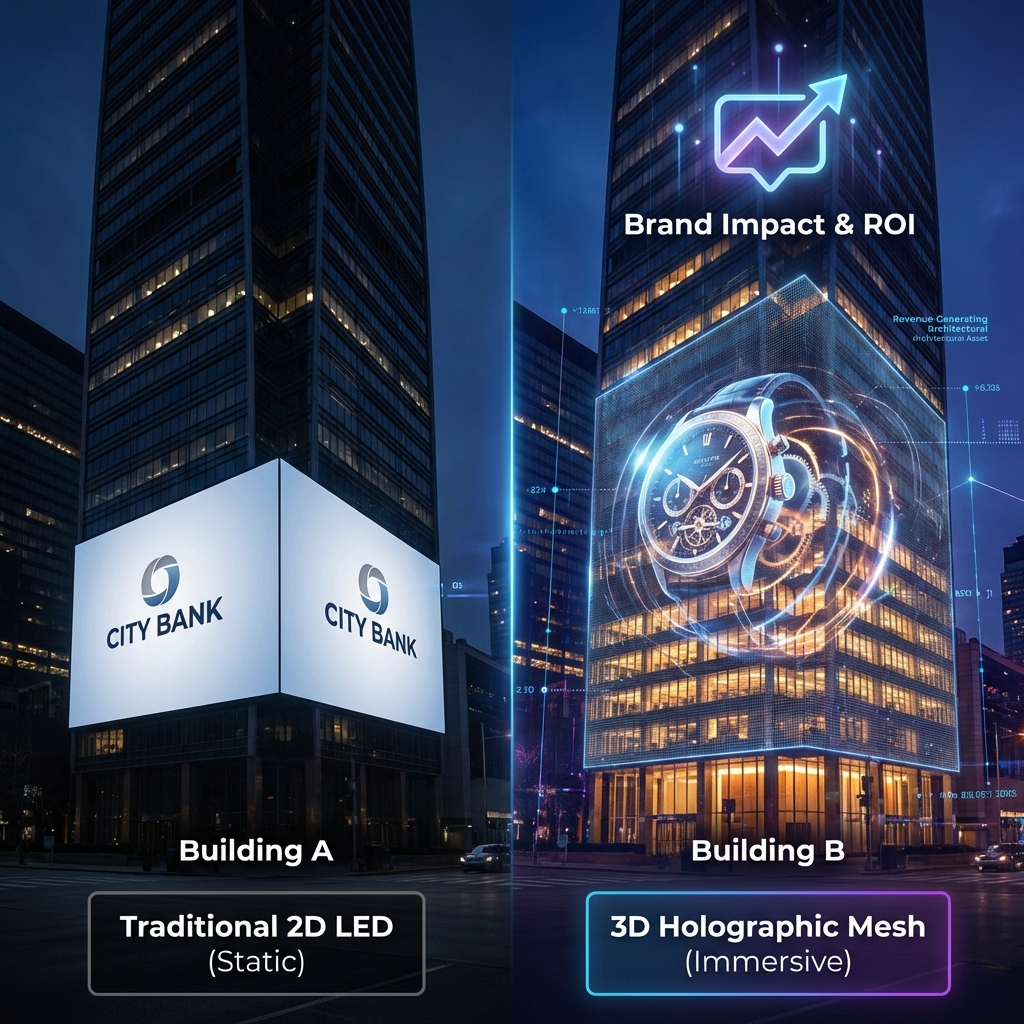
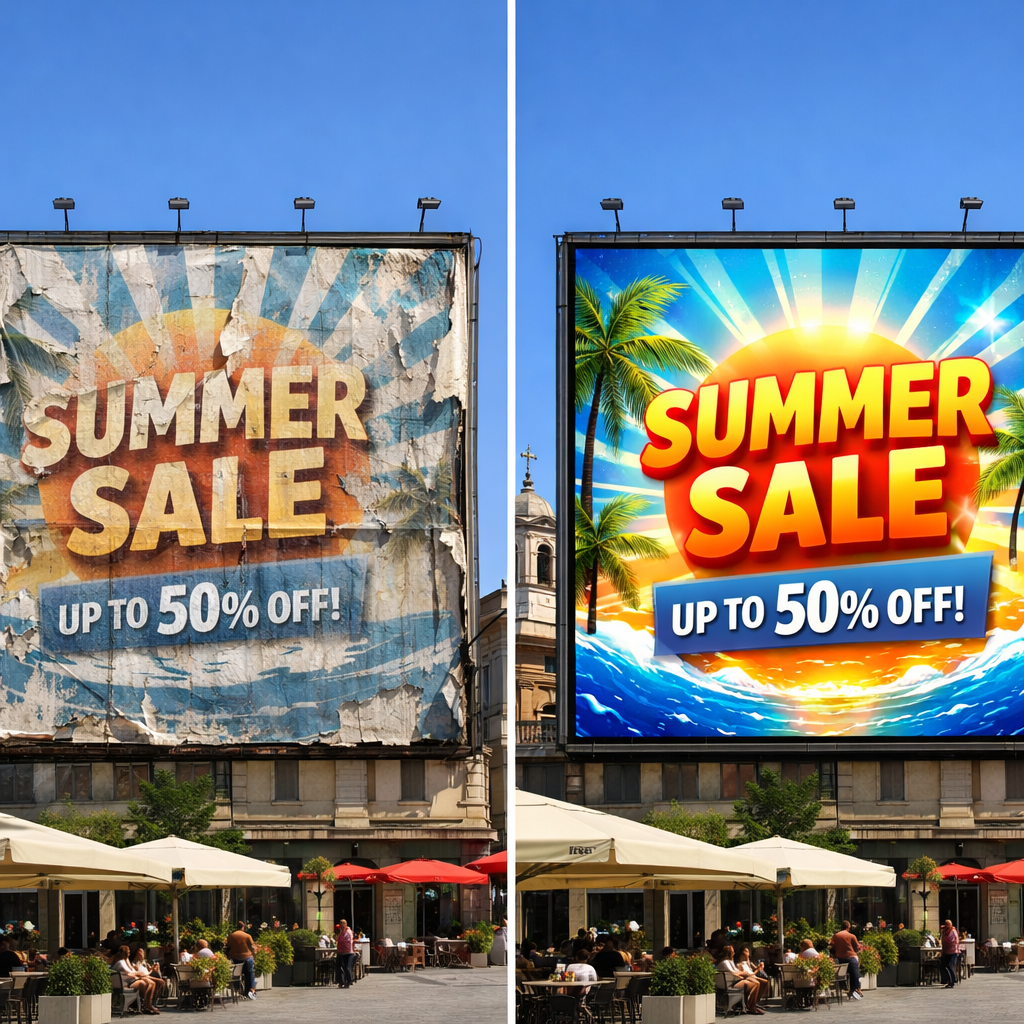
Standing under a faded vinyl billboard at noon and trying to imagine “digital impact” is a bit like judging a 4K camera from a faxed photo—you know it can be better, but you can’t see how. The moment you power up a well‑specified LED display screen for advertising outdoor, the difference is brutal: motion, brightness, and data‑driven content turn a passive surface into a live media asset. With DOOH budgets growing and CFOs asking hard questions about ROI, the margin for error on pixel pitch, brightness and structural design is getting smaller every year. So the real question is no longer “Should we go LED?” but “How do we choose the right professional outdoor LED advertising screen that won’t fail in three summers or get blocked by regulators six months in?” What type of locations justify the investment, which specs actually move the needle, and how do you build a business case that your legal, facilities and marketing teams can all sign off on?
Is an Outdoor LED Display Screen Right for Your Advertising Campaign?
An outdoor LED display screen is worth it when your location has steady traffic, repeat impressions, and content that benefits from motion or frequent updates.
It clearly beats static billboards when you sell multiple ad slots, run time‑sensitive campaigns, or need dynamic pricing and data‑driven creatives.
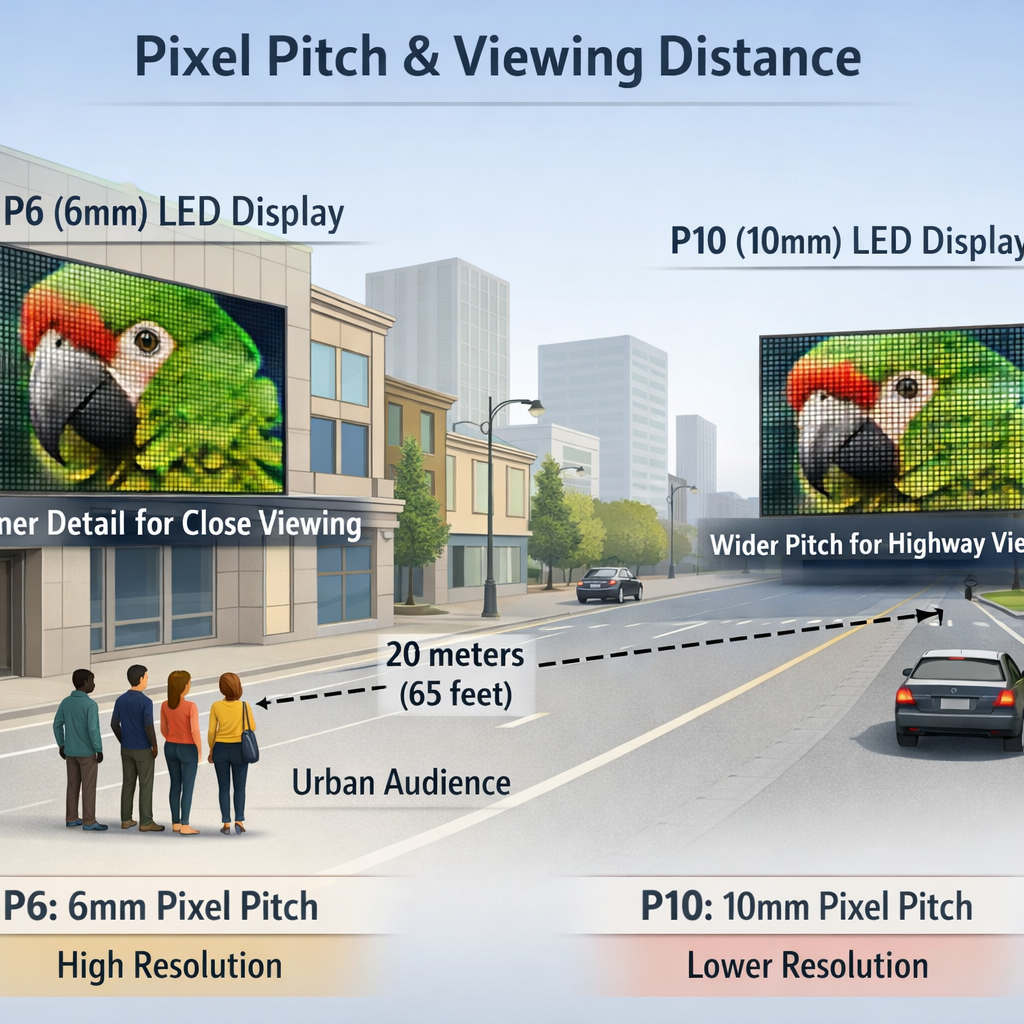
You cannot get pixel pitch wrong: match it to minimum viewing distance (e.g., 6–8 mm for city streets, 8–16 mm for highways).
Brightness must cover direct sunlight—typically 5,000–8,000 nits for outdoor LED advertising display—with smart dimming at night to meet local rules.
Weather resistance is non‑negotiable: look for at least IP65 at the front, robust drainage, corrosion‑resistant materials, and tested operating temperature ranges.
The best buyers today are media owners, roadside and city‑center landlords, stadiums, large venues, and municipalities building digital street furniture.
Budget planning must include structure, power, networking, permits, CMS and maintenance—not just the LED wall price per square meter.
With realistic ad rates and occupancy, many outdoor LED projects can reach payback in 3–5 years if engineered and operated correctly.
From Trend to Standard: Why Outdoor LED Advertising Screens Are Taking Over
Digital out‑of‑home has quietly shifted from experimental to mainstream. Media buyers expect to be able to swap creatives mid‑flight, run weather‑triggered campaigns, and get impression estimates—not just “one print per month.”
Industry data indicates the global digital out‑of‑home (DOOH) market is now in the USD 18–21B range for 2024–2025, and still growing, which matches what we see on the ground: more digital faces on the same structures, not just more structures.
Compared with classic billboards, a professional outdoor LED advertising screen changes the economics:
One structure, many campaigns
Dynamic pricing by time of day or audience
No printing or posting logistics
Shorter lead time for new advertisers
For brands, the difference is attention and flexibility. A static board is like a printed brochure; an outdoor digital advertising display screen is closer to running short TV spots in the real world. You can:
Rotate several messages (brand + promo + directional)
Synchronize campaigns across multiple locations in minutes
Test creative variants and switch off poor performers quickly
For media owners and landlords, the asset becomes a programmable media surface, not a fixed picture. That’s why we increasingly see traditional printed inventory being converted to LED instead of adding new locations.
The other driver is measurement. Modern controllers and CMS platforms integrate with traffic and mobile data to estimate impressions by time of day. You may not get perfect attribution, but you can talk in CPMs, not “estimated eyeballs.”
In short: if your site already justifies a premium static billboard, a correctly specified led display screen for advertising outdoor is usually the next logical step—not a speculative gamble.
Outdoor vs Indoor LED Display Screens: Technical Differences That Matter Outdoors
Using an indoor LED wall outside is a bit like parking a showroom car on an oil rig. The basic technology is similar, but almost every design decision changes when you deal with sun, rain, dust, and wind.
Brightness, contrast, and viewing angles in real outdoor conditions
Indoor screens often run 800–1,500 nits. Outdoor LED advertising displays routinely target 5,000–8,000 nits to stay legible in direct sun.
Key implications:
You need higher‑power LED packages and drivers.
Power supplies and cabling must be sized for peak load plus safety margin.
Sunlight hitting the face reduces effective contrast, so mask design and black levels matter as much as raw brightness.
Viewing angles are also different. Indoors, your audience is often in front of the screen. Outdoors, especially on streets and highways, they see the screen at shallow angles and from changing positions. Good outdoor cabinets control glare and reflections while maintaining usable brightness across wide horizontal angles.
Sealing, IP ratings, and thermal design: why indoor cabinets fail outside
Indoor cabinets are usually not sealed against dust or rain. For outdoor:
IP rating: For the front face, IP65 (dust‑tight, protected against water jets) is a common baseline; some harsh environments call for IP66/67. Rear protection depends on whether the back is exposed.
Sealing strategy: Gaskets, sealants, cable glands, and breathing elements (to avoid condensation) must be properly designed and tested.
Drainage: Water always finds low points. Good cabinets have well‑thought‑out drainage paths and avoid trapping water around connectors or LEDs.
Thermal design: Higher brightness means more heat. You may use natural convection, fans, or in some extreme cases, HVAC support. Poor thermal design shortens LED lifetime dramatically.
Indoor cabinets placed outdoors often fail first at the weakest link: power supplies corroding, connectors oxidizing, or water ingress via poorly sealed doors.
Service models and structures: front vs rear access, fixed vs rental frames
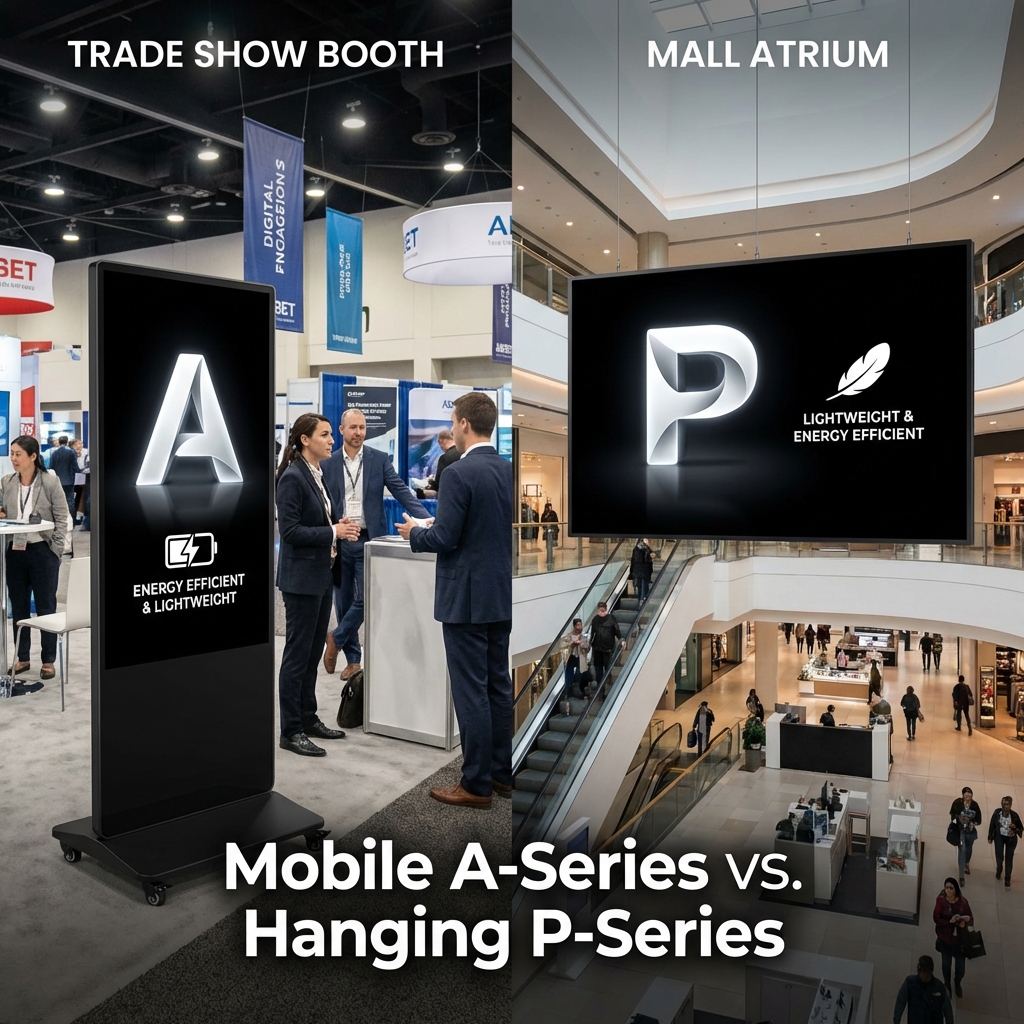
On a trade show floor, rear‑service cabinets on a truss are fine. On a city street wall where the back is inside a building, front service is the only realistic option.
Consider:
Front‑service modules: Magnetic or screw‑fixed modules that can be removed from the front with specialized tools.
Rear‑service: Suitable for free‑standing structures where you have a maintenance platform or catwalk behind the wall.
Fixed vs rental frames: Fixed installations use heavier, more rigid steel and cabinets optimized for weather and security. Rental frames focus on fast rigging, lighter weight, and repeated assembly.
For permanent outdoor advertising, you rarely want to “improvise” with rental gear. You need engineered structures, wind calculations, proper anchoring, and safe access for technicians. That structure often costs as much as a meaningful portion of the LED surface itself, and it should be engineered together with the screen, not as an afterthought.
How to Match LED Pixel Pitch to Outdoor Advertising Locations and Viewing Distance
Pixel pitch is where many projects go wrong. It is tempting to ask for “the highest resolution we can afford,” but that is not always rational outdoors.
Understanding pixel pitch and resolution for outdoor campaigns
Pixel pitch is the distance between LED pixels in millimeters. Smaller pitch = more pixels per square meter = finer detail, higher cost, and higher power consumption.
Outdoors, you care about:
Minimum viewing distance: How close will people get?
Audience speed: Are they walking, standing, or driving past at 80 km/h?
Content type: Simple logos and bold text vs detailed product images or video.
A very rough rule some integrators use is:
Minimum comfortable viewing distance (meters) ≈ 2–3 × pixel pitch (mm)
So a 10 mm screen looks acceptable from roughly 20–30 m or further.
Practical pixel pitch recommendations for highways, city streets, plazas, and stadiums
Examples that work well in real projects:
Highways / fast roads (speed >60 km/h):
Typical minimum distance: 60–100 m
Recommended pixel pitch: 10–16 mm
Content: Large lettering, simple visuals, short messages.
City main streets, building façades:
Distance: 20–60 m
Recommended: 6–10 mm
Content: Brand stories, product visuals, short video loops.
Plazas, pedestrian zones, malls outdoor plazas:
Distance: 8–30 m
Recommended: 4–6 mm (if budget allows)
Content: Rich video, detail‑heavy branding, event content.
Stadium perimeter and large screens:
Distance: 30–150 m
Recommended: 6–10 mm for main screens, 8–12 mm for perimeter.
Practical tip: Always map your key content (not just a logo) on a simulation or test wall at the intended pitch and viewing distance. Don’t approve specs based only on a spec sheet.
Trade-offs: cost per square meter, content detail, and ROI at different pitches
As pitch gets smaller:
LED count per m² increases sharply.
Cost per m² rises significantly.
Power consumption and potential maintenance complexity can increase.
If your audience never comes closer than 60 m, spending extra on a 6 mm wall instead of 10 mm may not generate any incremental revenue. The smarter approach for a media owner is often:
Use a slightly larger pitch that still looks clean at real viewing distances.
Increase the overall size of the screen with the saved budget, improving impact.
Or use the savings to invest in better structure, monitoring, and creative.
For premium city‑center sites with mixed traffic and high ad rates, fine pitch can be justified. For roadside billboards, the ROI usually favors robust mid‑pitch solutions.
Getting Brightness Right: Nits, Daylight Readability, and Night-Time Comfort
Brightness is where expectations, regulations, and engineering collide.
How many nits you really need for outdoor LED advertising in sun, shade, and night
Outdoor LED display screen specs often mention:
3,000–4,000 nits: Suitable for shaded locations or semi‑outdoor use.
5,000–8,000 nits: Common for full outdoor billboards and professional outdoor LED advertising screens.
Many digital billboards are designed to hit around 6,000–8,000 nits daytime, then dim down to 2,000–2,500 nits or less at night to meet comfort and regulatory requirements.
Your actual target should depend on:
Orientation (south‑facing in the northern hemisphere gets more sun).
Urban vs rural ambient light at night.
Distance to residential windows and roads.
Don’t ask vendors just for “the brightest possible.” Ask for recommended calibrated brightness levels and how the system maintains them as LEDs age.
Automatic dimming, brightness schedules, and light pollution control
A serious outdoor LED advertising display needs:
Light sensors to adjust brightness based on ambient light in real time.
Schedule curves: maximum brightness during the day, strict caps at night.
Manual overrides and logging for compliance inspections.
Some cities specify maximum cd/m² (nits) by time of day, by zoning, or as a multiple above ambient. Your CMS and controller should support enforcing and documenting these limits.
Actionable advice: Before finalizing specs, have your integrator review local brightness regulations and design dimming curves that you can show to regulators and neighbors upfront.
Camera-friendliness, flicker, and refresh rate for photos and social media
In 2025, every campaign is photographed. Low refresh rate screens can cause banding and flicker in smartphone photos and TV footage.
Look for:
Refresh rate: ≥3,000–3,840 Hz is a common benchmark for camera‑friendly performance.
PWM and driver design that minimizes visible flicker.
Uniformity and calibration: patchy color or brightness stands out even more in photos.
If you plan to run 3D or high‑motion content, camera performance becomes even more important, as these are the clips most likely to go viral.
Weatherproofing and Durability: IP Ratings, Materials, and Engineering for Outdoor LED
Anyone who has opened a cabinet after a typhoon knows: “IP65” on a brochure is not enough by itself.
IP65, IP66, IP67 explained and how to pick the right protection level
IP ratings have two digits: solids (dust) and liquids (water).
IP65: “6” = dust‑tight, “5” = protection against water jets.
IP66: Same dust protection, more stringent water jet test.
IP67: Protection against temporary immersion.
For most outdoor LED display screens used in advertising:
Front: IP65 or higher is common and generally sufficient.
Rear: IP54–IP65 depending on exposure (e.g., inside a steel enclosure vs fully exposed).
In harsh environments (coastal, heavy rainfall, industrial dust), you may specify higher rear protection, better coatings, and more robust cable entries.
Cabinet materials, coatings, drainage, and corrosion resistance in real climates
Outdoor cabinets are typically aluminum or galvanized steel. To survive 7–10 years outside, you should pay attention to:
Anti‑corrosion treatments: galvanization, powder coating with adequate thickness.
Sealants and gaskets: UV‑resistant, compression‑set tested.
Screws and hardware: stainless or treated to resist rust streaks.
Drainage paths: clear routes for water that enters behind the face to exit safely.
Salt fog near coasts or de‑icing salts in cold climates can accelerate corrosion. Ask vendors for salt‑spray test results or reference projects in similar environments.
Wind load, steel structures, and safety margins for large outdoor LED walls
LED cabinets are only part of the story. The structure that holds them must handle:
Design wind loads according to local building codes.
Additional loads from maintenance personnel and equipment.
Fatigue over years of wind cycles.
A professional workflow includes:
Site wind data and code review by a structural engineer.
Steel structure design with calculations and detailed drawings.
Anchor design for foundations or building connections.
Access solutions (ladders, platforms, fall‑arrest systems).
Cutting corners here is not just a warranty issue—it’s a life‑safety and liability problem.
Hardware Architecture of Professional Outdoor LED Advertising Screens
Understanding the basic architecture helps you read spec sheets critically.
From LED modules to control systems: how an outdoor LED display is built
Typical stack:
LED module: PCB with LEDs and driver ICs, plus mask.
Cabinet: Mechanical housing for modules, power supplies, receiving cards.
Control system: Sending card, processors, controllers (often from vendors like Novastar or similar), connected to a media player or CMS.
Communication: Fiber, CAT6, sometimes wireless for remote sites.
Monitoring: Sensors (temperature, humidity, door open), module health feedback.
Professional outdoor LED advertising screens integrate these into a monitored system, not just a “big TV.”
Power supplies, signal redundancy, and surge protection for reliability
Outdoor sites get hit by:
Voltage spikes
Lightning‑induced surges
Occasional cable damage
Mitigations to insist on:
Surge protection devices (SPDs) on incoming power and data lines.
Proper grounding and bonding of the structure and cabinets.
Redundant power feeds and signal paths for critical sites.
Over‑spec’d power supplies running below their maximum rating for longer life.
Experienced integrators design for “graceful degradation”—a single power supply or data line failure should not black out the entire screen during peak campaign periods.
SMD, DIP, and newer technologies: choosing LED packages for outdoor use
Outdoor screens historically used DIP LEDs for high brightness and durability. Today, high‑performance SMD packages dominate many outdoor installations, especially at finer pitches, because they offer:
Better viewing angles
Higher resolution at given pixel pitches
More compact module designs
There are also emerging technologies (like encapsulated COB and other protective packaging). For most 2025 outdoor DOOH projects:
Mid‑pitch (6–16 mm): durable outdoor SMD is typical.
Very fine pitch in semi‑outdoor or high‑end façades: advanced packages with extra protection may be used.
Discuss with vendors which package they use and why, and ask for long‑term outdoor references in similar conditions.
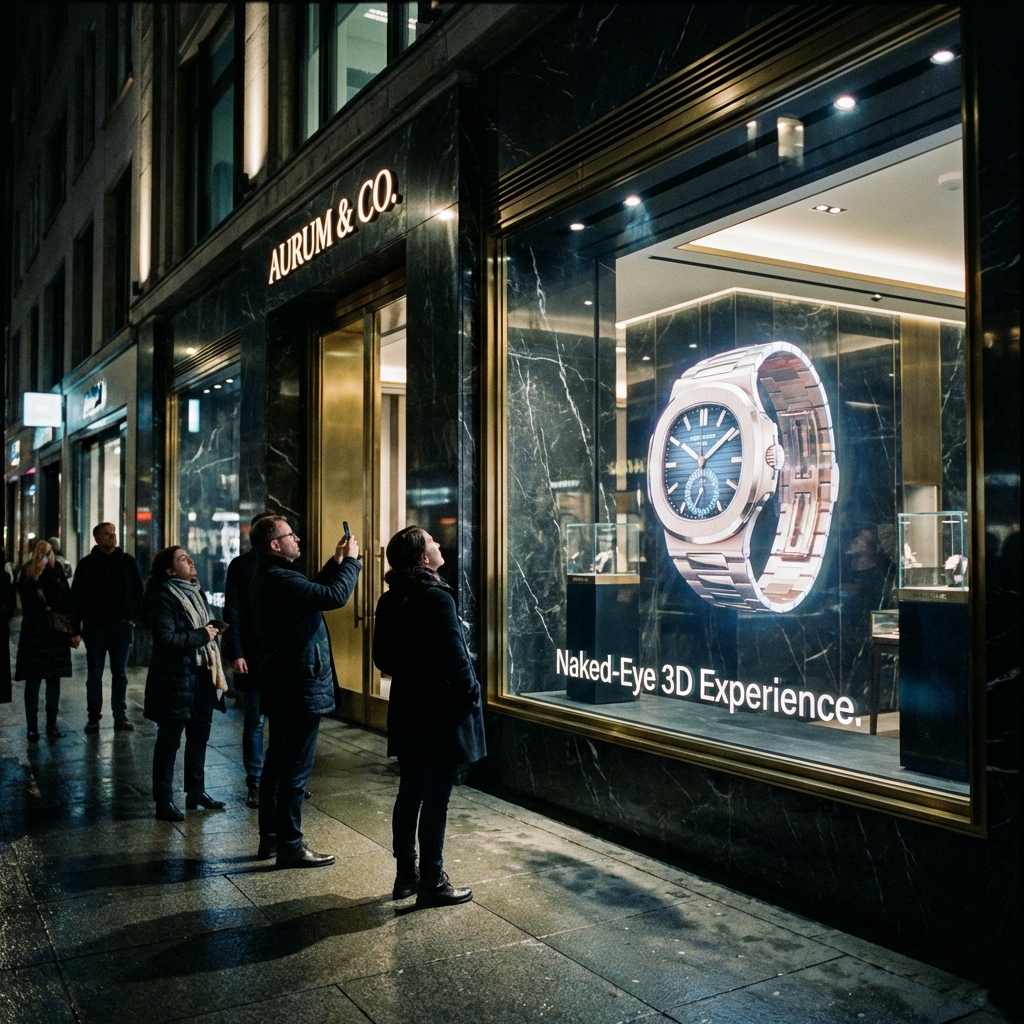
Creative Formats: 3D, Transparent, and Irregular Outdoor LED Displays for Landmark Campaigns
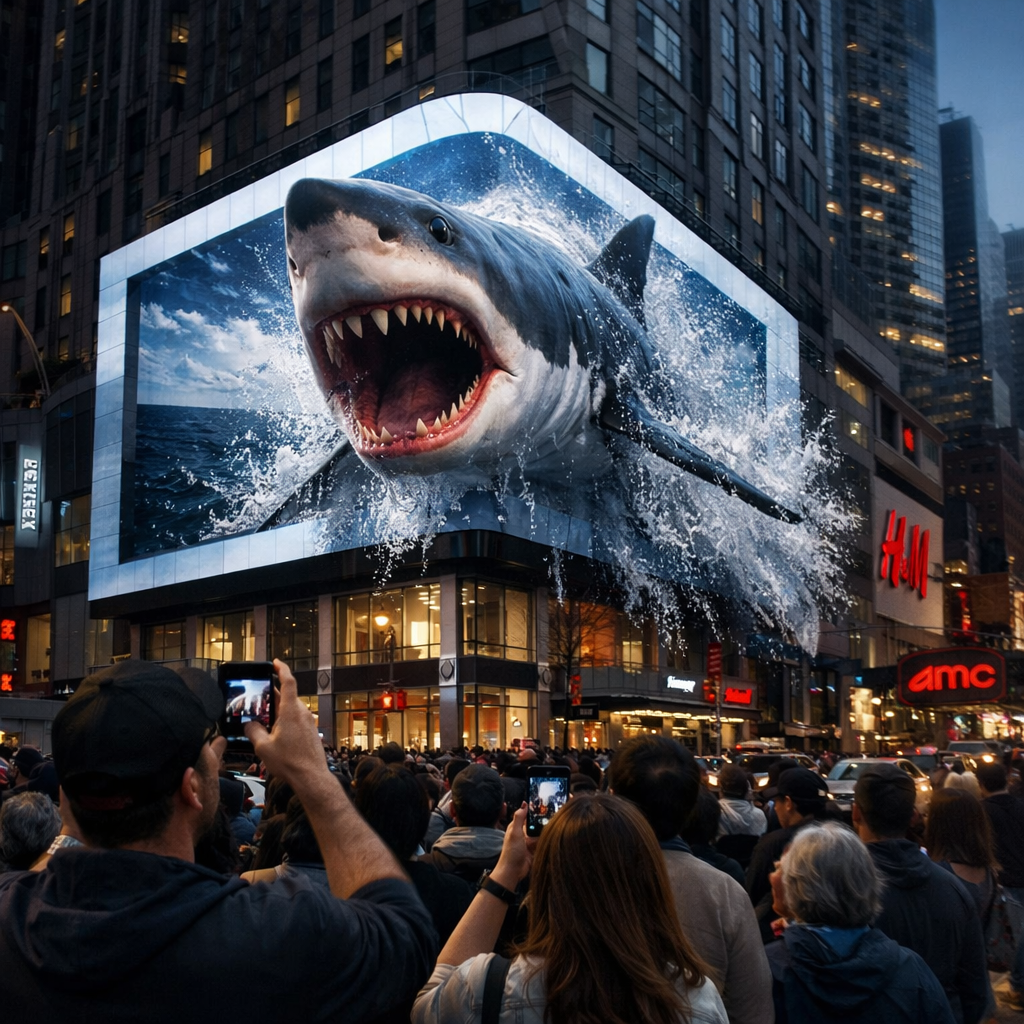
Everyone has seen a viral 3D corner screen video; fewer people realize how specific the requirements are to make that effect work in real life.
When to use 3D outdoor LED displays: locations, viewing corridors, and content rules
3D anamorphic content relies on:
A defined primary viewing corridor—usually a corner where two faces meet at 90°.
Content produced with that geometry in mind.
A screen size large enough relative to surrounding buildings.
Best locations:
Busy urban intersections with predictable pedestrian or vehicle flows.
Plazas where people can stand at the designed viewing point.
Content rules:
Slow camera moves and exaggerated perspective.
High contrast between foreground object and background.
Limited text—3D is about spectacle, not fine details.
Transparent and irregular LED displays on glass facades and building skins
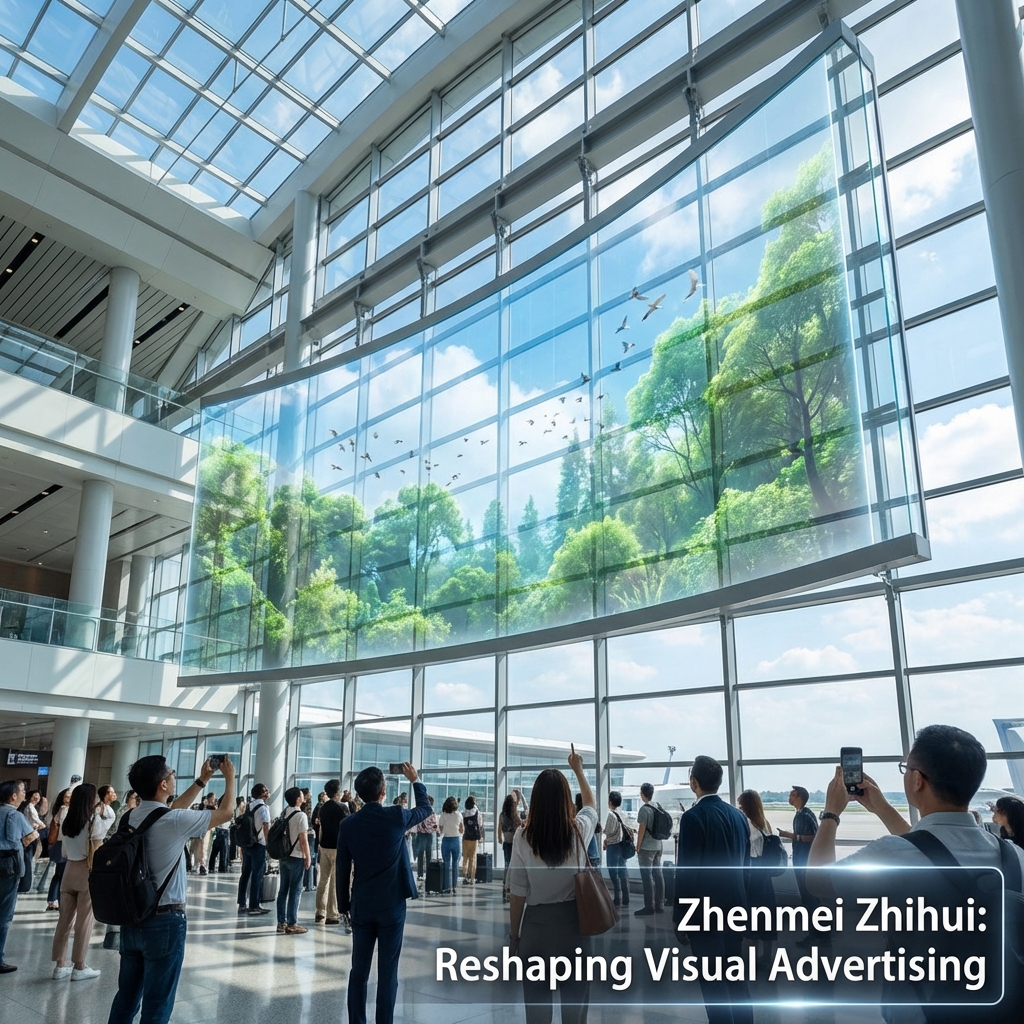
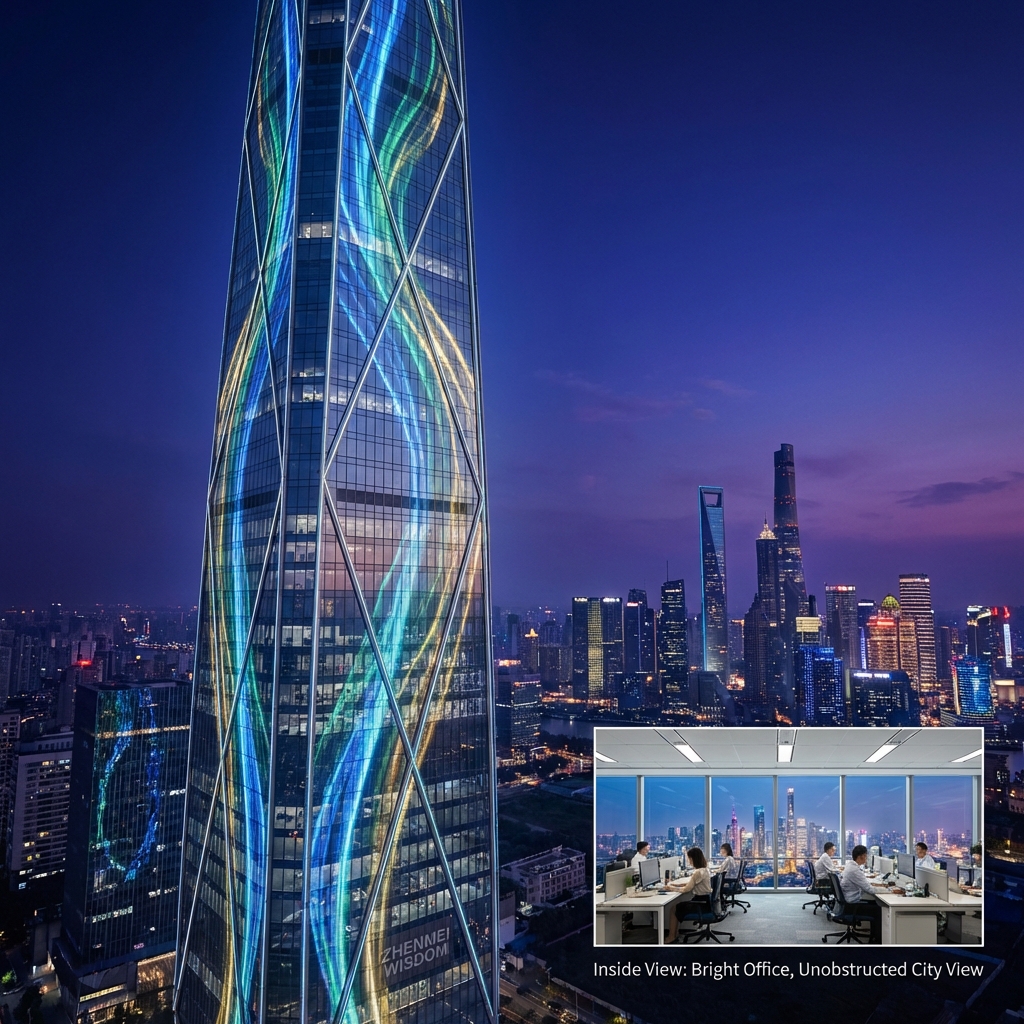
Transparent and irregular screens allow you to turn glass curtain walls into media without blocking interior light.
A manufacturer like Zhenmei Wisdom, for example, offers transparent and irregular creative displays that can be integrated directly onto facades with high transparency while still supporting high refresh rates and remote cloud control.
Use cases:
Flagship stores and brand façades.
Atriums and transport hubs where inside visibility matters.
Architectural media that must “disappear” when content is off.
You sacrifice some contrast compared with solid cabinets, but you gain architectural integration and design freedom.
Common pitfalls with 3D and creative LED: geometry, viewing angles, and budgets
Typical mistakes:
Choosing a site without a clear primary viewing corridor; the 3D effect then looks distorted or weak.
Under‑speccing brightness or refresh rate, leading to poor daylight performance and bad camera footage.
Treating 3D content as “normal video” in budgeting; it is more complex and requires specialized creators.
Overspending on creative hardware for locations that don’t have sufficient traffic or ad rates.
For creative LED, treat it as a flagship or brand investment: one or two landmark sites that elevate the network, not the default for every roadside screen.
Content and Campaign Operations: Turning Outdoor LED Screens Into Always-On Media Assets
The hardware is only half the story; operation is where media owners either win or burn out.
Content management systems, remote control, and network architecture
At minimum, a professional outdoor LED advertising screen setup needs:
A reliable media player or controller at each site.
A secure connection back to a central CMS—wired where possible, 4G/5G as backup.
Role‑based access control for users (operators, designers, advertisers).
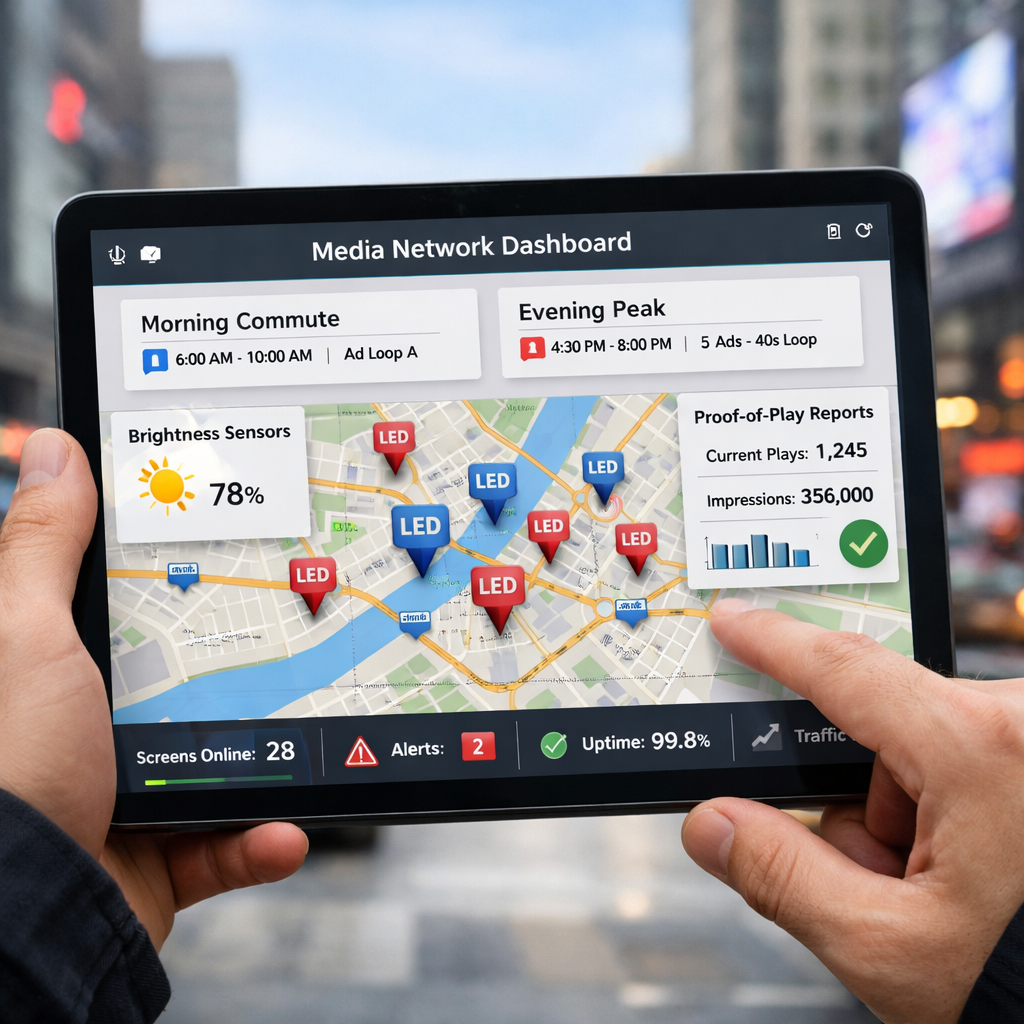
Cloud‑based CMS platforms are increasingly common, especially for multi‑city networks. Vendors offering smart cloud control and cluster management let you manage:
Playlists and schedules by screen, group, or region.
Health and status monitoring (temperature, offline alerts).
Proof‑of‑play reports for advertisers.
Scheduling, dayparting, dynamic content, and multi-brand campaigns
Good campaign operations go beyond “loop 8 spots all day”:
Dayparting: Different advertisers or messages for morning commute, midday, evening.
Dynamic content: Weather, time, promotions, countdowns.
Multi‑brand occupancy: Sell slots in 10–15 second increments, adjust loop length based on demand.
This operational flexibility is what allows a single led commercial advertising display screen to outperform multiple static boards from a revenue perspective.
Creative guidelines for outdoor LED: font sizes, color choices, and motion speed
Outdoor readability is ruthless. Some practical rules that work in the field:
Large, high‑contrast text; avoid thin serifs.
Limit to one key message and a simple CTA per creative.
Avoid very fast strobing or small, high‑frequency patterns that cause visual strain.
Respect dwell time: on highways, you have 2–4 seconds; in plazas, you may have 10–20.
A reliable rule of thumb: if your designer needs to zoom in on a PDF to read the copy, it’s already too dense for an outdoor LED advertising display.
Budget and Pricing: What Really Drives the Cost of an Outdoor LED Advertising Screen
As soon as the first quote hits your inbox, you’ll realize: the LED wall itself is only part of the bill.
Breaking down cost per square meter: pixel pitch, brightness, cabinet quality, and size
Hardware cost per m² varies mainly by:
Pixel pitch: finer pitch = many more LEDs and more complex PCBs.
Brightness target: higher brightness often implies more powerful LEDs and power supplies.
Cabinet quality: better sealing, materials, locking systems add cost but save headaches.
Volume: larger projects or multi‑site rollouts can achieve better pricing.
When comparing proposals, normalize them to a cost per m² but also check:
Stated lifetime and brightness maintenance.
Included control system and monitoring.
Warranty terms and onsite service options.
Total installed cost: structure, power, networking, permits, and commissioning
Non‑LED costs usually include:
Structural engineering, steel, and foundations or building attachments.
Electrical works: distribution boards, cabling, metering.
Networking: trenching for fiber or secure wireless gear.
Permits and fees: planning permission, sign permits, inspections.
Lift equipment and installation labor.
Commissioning and calibration.
For many projects, these can equal or exceed the LED hardware cost. Treat “outdoor advertising led display screen price per square meter” as only one line in a detailed budget, not the whole story.
Ongoing operating expenses: energy consumption, monitoring, content, and service contracts
OPEX items:
Power: depends on calibrated brightness, usage hours, and energy prices; modern designs and smart dimming can cut energy by 20–30% versus older generations.
Connectivity: monthly data or line charges.
CMS licensing or support fees.
Content production costs.
Routine maintenance and emergency repairs.
A serious ROI model should include at least a 5‑ to 7‑year OPEX projection with conservative assumptions.
Maintenance, Reliability, and Lifecycle Management for Outdoor LED Advertising Networks
Outdoor LED screens are not “install and forget.” A disciplined maintenance program is what keeps uptime high and advertisers happy.
Planned maintenance: inspection routines, cleaning, and health checks
Typical preventive tasks:
Visual inspection for loose panels, water traces, corrosion, or vandalism.
Cleaning of the LED face with approved methods to avoid damage.
Checking fans, filters, and vents for blockages.
Verifying door seals and cabinet locks.
For larger networks, create maintenance tiers:
Monthly remote health check.
Quarterly onsite inspection.
Annual in‑depth service including electrical checks and calibration.
Spare parts strategy, warranties, and SLAs to minimize downtime
You don’t want to wait weeks for a critical module type when a corner fails.
A pragmatic approach is to stock 3–5% of modules, plus spare power supplies, controllers, and key connectors on day one, especially for custom configurations.
Clarify with vendors:
Warranty duration for modules and power supplies.
Whether it covers parts only or parts + labor.
Response times and onsite service options.
Availability of compatible parts for at least 7–10 years.
Service‑level agreements (SLAs) with guaranteed response times are particularly important for large advertisers and premium locations.
Extending lifespan: managing brightness decay, heat, and environmental stress
LEDs gradually lose brightness. Running them at maximum output constantly accelerates this.
Good practice:
Design for higher maximum brightness than you initially need.
Operate at, say, 60–70% of maximum in the early years and adjust as they age.
Keep temperatures under control through ventilation and monitoring.
If properly specified and maintained, many outdoor LED displays can reach 80,000–100,000 hours before requiring major refurbishment, though real‑world performance depends heavily on heat and environment.
Compliance, Safety, and Risk Management for Outdoor LED Advertising Installations
Compliance is not just paperwork; it’s what keeps your screen lit instead of shut down by regulators.
Brightness regulations, traffic safety, and local sign ordinances to watch
Common regulatory concerns:
Maximum brightness levels (often specified in cd/m² by time of day).
Minimum dwell times or limits on animation near roads to avoid distraction.
Restrictions on content (e.g., no flashing emergency‑style lights).
Before you issue an RFP:
Research local sign codes and digital billboard regulations.
Discuss with authorities what documentation they expect (brightness curves, photometric data).
Design your control system to enforce these rules technically, not just by policy.
Electrical safety, grounding, lightning protection, and access for technicians
An outdoor LED structure is a big metal object in the sky—lightning and fault currents must be taken seriously.
Key design points:
Proper grounding and bonding of structure, cabinets, and electrical systems.
Surge protection devices on power and data lines.
Compliance with local electrical codes and standards.
Safe access routes with guardrails, anchor points, and procedures for working at height.
Documentation, approvals, and handover packages for professional projects
At completion, insist on a proper handover package:
As‑built drawings (structure, electrical, network).
Structural calculations and certifications.
Test reports (brightness, IP tests as applicable, insulation resistance).
Operation and maintenance manuals.
Training records for your operations team.
These documents are what future inspections, insurance claims, and upgrades will rely on.
ROI Framework: How to Justify an Outdoor LED Advertising Screen to Stakeholders
Without a credible ROI story, even the best‑engineered project stalls.
From impressions to revenue: building a simple ROI model for LED campaigns
A basic framework:
Start with traffic or footfall data by hour.
Apply a visibility factor (not everyone passing sees the screen).
Estimate impressions per hour and per day.
Decide on loop length and number of slots (e.g., 8 × 10‑second spots per loop).
Set average rate per slot by daypart.
Revenue per year = (impressions → CPM pricing, or per‑slot rate × slots sold × days).
Then subtract:
Annualized CAPEX (spread over, say, 7–10 years).
OPEX (energy, maintenance, CMS, rent if applicable).
Worked example: payback calculation for a roadside LED advertising screen
Very simplified illustration:
Total installed cost: USD 400,000.
OPEX: USD 30,000/year.
Sell 8 slots, 18 hours/day, average USD 25/slot/day in year 1.
Annual gross revenue: 8 × 25 × 365 ≈ USD 73,000.
Net (before financing): 73,000 – 30,000 = 43,000.
Payback ≈ 400,000 / 43,000 ≈ 9.3 years.
Now imagine a busier city‑center site with higher rates and more occupancy:
Same cost, but average USD 80/slot/day and occasional premium campaigns.
Annual gross might exceed USD 200,000, driving payback into the 3–5 year range. The exact math will vary, but the logic is what matters for internal approvals.
Beyond revenue: brand impact, flexibility, and multi-tenant media networks
Not every owner is a pure media company. For brands and venues:
A large outdoor LED display can function as a permanent “brand stage.”
You can share time between own content and paid third‑party campaigns.
You gain the ability to support events, announcements, emergencies, and partnerships without additional hardware.
These softer benefits rarely land in a simple payback spreadsheet but often drive the strategic decision.
Vendor and Solution Partner Checklist for Outdoor LED Screens for Sale
Choosing the right partner is as critical as choosing the right pixel pitch.
What to ask vendors: certifications, aging tests, and reference projects
Key questions:
What certifications do your products carry (e.g., safety, EMC, environmental)?
How long and under what conditions do you run aging tests for outdoor modules?
Can you show reference projects of similar size, climate, and use case, with years in operation?
What is your typical failure rate for modules and power supplies in the field?
A good vendor will be comfortable discussing not just successes but also what they learned from early failures and how their designs evolved.
Evaluating proposals: specs sheets, control systems, and cloud platforms
Don’t compare boxes only on pixel pitch and price. Evaluate:
Control system brand and capabilities (redundancy, monitoring, integrations).
CMS platform features, usability, and API availability.
Options for cloud‑based remote control vs purely local setups.
Security practices (VPNs, user management, logging).
For multi‑site networks, the difference between a decent and a well‑designed CMS can save hundreds of labor hours per year.
Acceptance testing and handover: how to verify what you actually received
Before final payment, consider an acceptance protocol that includes:
Visual inspection in both daylight and night conditions.
Measurement of brightness, uniformity, and color calibration on sample points.
Functional tests of dimming, scheduling, and monitoring alarms.
Leak tests if feasible, or at least inspection after heavy rain.
Record baseline photos and measurements—you’ll need them when assessing performance years later.
Use-Case Playbook: Applying Outdoor LED Screens Across Highways, Retail, Sports, and Events
Different locations demand different engineering and content decisions.
Highways and roadside billboards: speed, distance, and safety constraints
Priorities:
Reliability and legibility at long distance and high speed.
Conservative motion and no aggressive flashing near critical junctions.
Robust structures and easy‑to‑service designs with safe access.
Pixel pitch: 10–16 mm.
Brightness: on the higher side of outdoor range, with strong dimming control.
City centers, malls, and transport hubs: high dwell-time, high-impact campaigns
Here, your led wall screen display outdoor becomes part of the urban fabric.
Audience has more time to watch; richer content and storytelling make sense.
Noise and light pollution rules are often stricter at night.
Creative options like transparent or irregular LED on façades can differentiate your site.
These are ideal locations to consider advanced formats like 3D outdoor advertising LED display screens and transparent façades, if the traffic and ad rates justify it.
Stadiums, festivals, and temporary events: rental structures and logistics
Event use is a different game:
Fast setup and teardown, usually with rental cabinets and trusses.
High peak loads on show days; you need robust power and backup.
Content mixes advertising with live video and scoring.
Even if the hardware is rental, the same principles apply: appropriate pixel pitch for stands, adequate brightness for daylight, and a clear operating plan.
Turning Outdoor LED Display Screens Into a Scalable Advertising Platform
If you strip away the marketing language, a successful led display screen for advertising outdoor comes down to a few disciplined choices: right pixel pitch for real viewing distances, honest brightness levels with proper dimming, solid weatherproof engineering, and an operating model that treats the screen as a live media asset instead of a one‑off project. Once those foundations are in place, everything else—3D corners, transparent façades, programmatic buying—becomes an optional upgrade rather than a risky experiment.
For your first or next project, start by mapping the site (distance, traffic, regulations), then lock in specs jointly with an experienced manufacturer or integrator who can show similar references. From there, build a simple ROI model that includes structures and OPEX, not just m² pricing. As your network grows, consider selectively adding creative formats like transparent or irregular displays on flagship façades to anchor your brand and attract premium advertisers, while keeping the backbone of your network robust, serviceable, and measurable.
FAQs About LED Display Screens for Outdoor Advertising Campaigns
What is the best LED display screen for outdoor advertising in busy city locations?
The best choice balances 4–8 mm pixel pitch, 5,000–7,000 nits brightness, solid IP65‑class weather protection, and a reliable CMS, sized appropriately for your viewing distance and ad rates.
How long does an outdoor LED advertising screen typically last in real conditions?
With good design and maintenance, many installations operate 7–10 years before major refurbishment, though brightness gradually declines and some modules or power supplies will need replacement along the way.
Can one outdoor LED screen support multiple brands and programmatic buying?
Yes, if paired with a capable CMS and ad‑server integration, a single professional outdoor LED advertising screen can run multi‑brand loops, dynamic campaigns, and even programmatic inventory, provided local regulations allow it.
References and Further Reading
Grand View Research – Digital Out-of-Home Advertising Market Report (market size and growth insights).
Fortune Business Insights – Digital Out-of-Home Advertising Market (alternative DOOH market estimates and trends).
Keystone Compliance – IP65 Testing Overview (clear explanation of IP rating concepts and testing approaches).