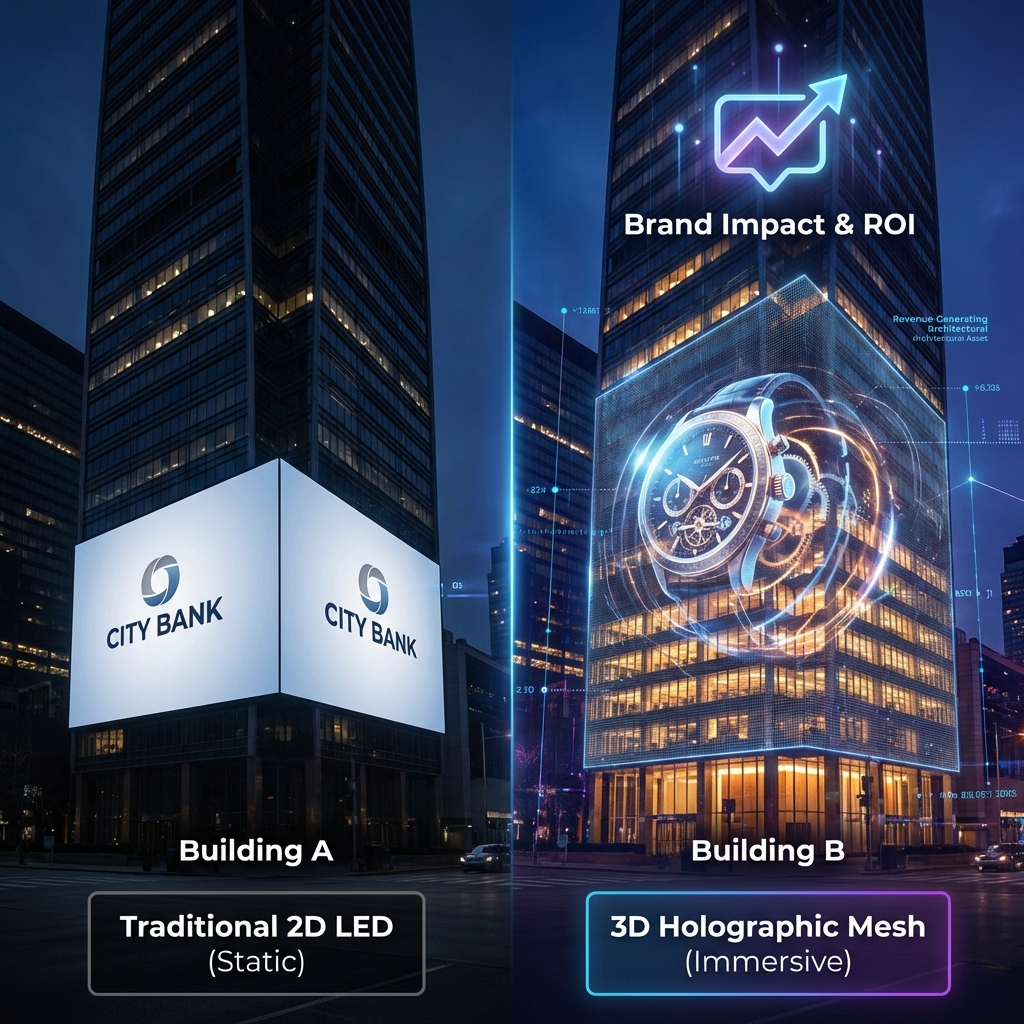
I've been in the digital display industry for years, and I've seen technologies come and go. But every so often, something truly revolutionary appears that changes how we think about space and advertising. For me, that's the LED transparent irregular display. I remember the first time I saw one integrated into a curved glass facade—it was playing dynamic content without blocking the sunlight. It felt like watching a sci-fi movie, but it was real. This technology isn't just a new type of screen; it’s a new canvas for creativity.
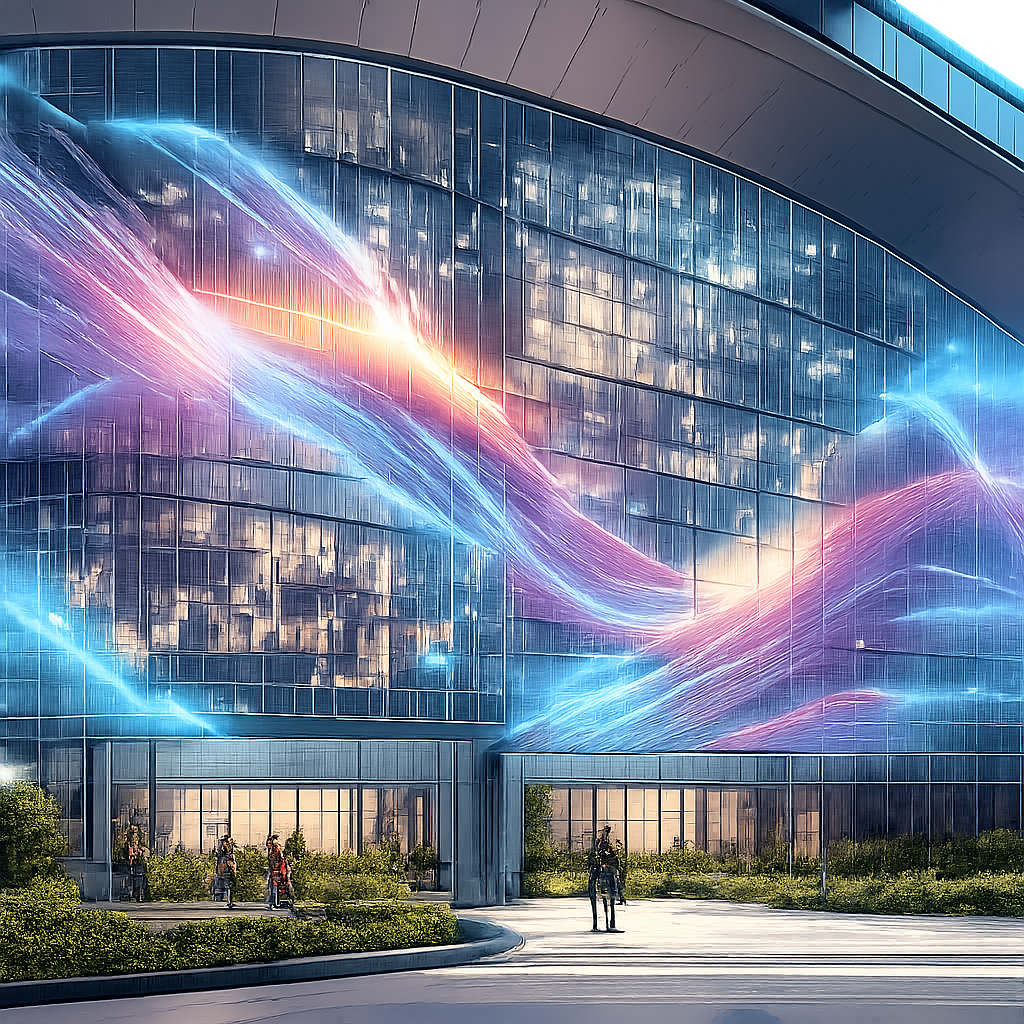
Transparent irregular displays are breaking the boundaries of traditional rectangular screens, offering a futuristic blend of light, form, and transparency. They empower designers and advertisers to turn almost any surface into a dynamic visual experience. Ready to explore how these displays can transform your next project? Let's dive in.
What Are LED Transparent Irregular Displays?
Thinking about an upgrade from boring, old-fashioned screens? LED transparent irregular displays are your answer. They are not just displays; they are architectural elements that blend technology with design. Here's a quick rundown of what makes them so special.
What are they? These are advanced LED screens that can be customized into non-rectangular shapes (curves, triangles, circles) and are see-through.
How do they work? Micro-LEDs are mounted on a transparent substrate like glass or a flexible film, allowing light to pass through.
Key Advantage: They display vibrant content while maintaining transparency, so you don't block views or natural light.
Irregular vs. Standard: Unlike standard screens, they can be tailored to fit unique architectural features like curved walls or angled surfaces.
Where are they used? Common applications include retail storefronts, building facades, museum exhibits, corporate lobbies, and concert stages.
Creative Potential: They offer limitless design freedom, enabling brands to create immersive and unforgettable visual experiences.
What about the background? A key feature is creating a stunning visual with led lights transparent background effect, making content appear to float in mid-air.
Are they flexible? Yes, options like the led flexible transparent film display can be applied to curved glass and other non-flat surfaces.
Defining Irregular Creative Displays vs. Standard Screens
Standard screens are easy to spot: they are rectangular boxes that demand a flat, dedicated space. They often cover up what's behind them, creating a solid black wall when turned off. In contrast, an LED Transparent Irregular Creative Display breaks free from this mold. It can be shaped to follow the contours of a building, wrap around a column, or even form a logo. This customization is its defining feature, transforming it from a simple screen into a true design element. The transparency means it integrates seamlessly into its environment, rather than dominating it.
Core Advantages for Creative Advertising and Architectural Design
The main benefit is the sheer "wow" factor. These displays capture attention in a way traditional signage cannot. For advertisers, this means higher engagement and brand recall. Your message isn't just on a wall; it's part of the architecture. For designers, it opens a new world of possibilities. Imagine a glass curtain wall that becomes a dynamic waterfall display at night or a retail window that showcases products and digital promotions simultaneously. The ability to merge digital content with the physical world is a game-changer for brand storytelling.
Common Applications: From Retail Facades to Immersive Exhibitions
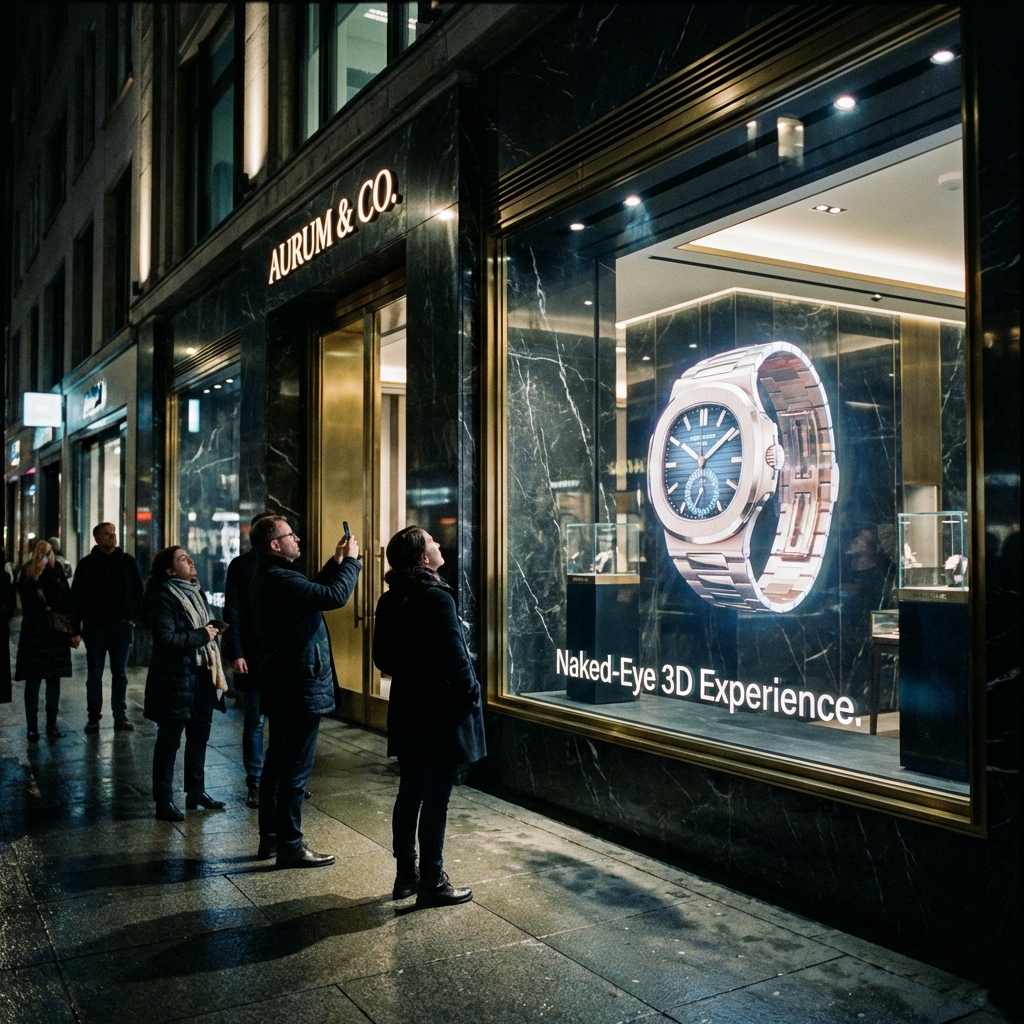
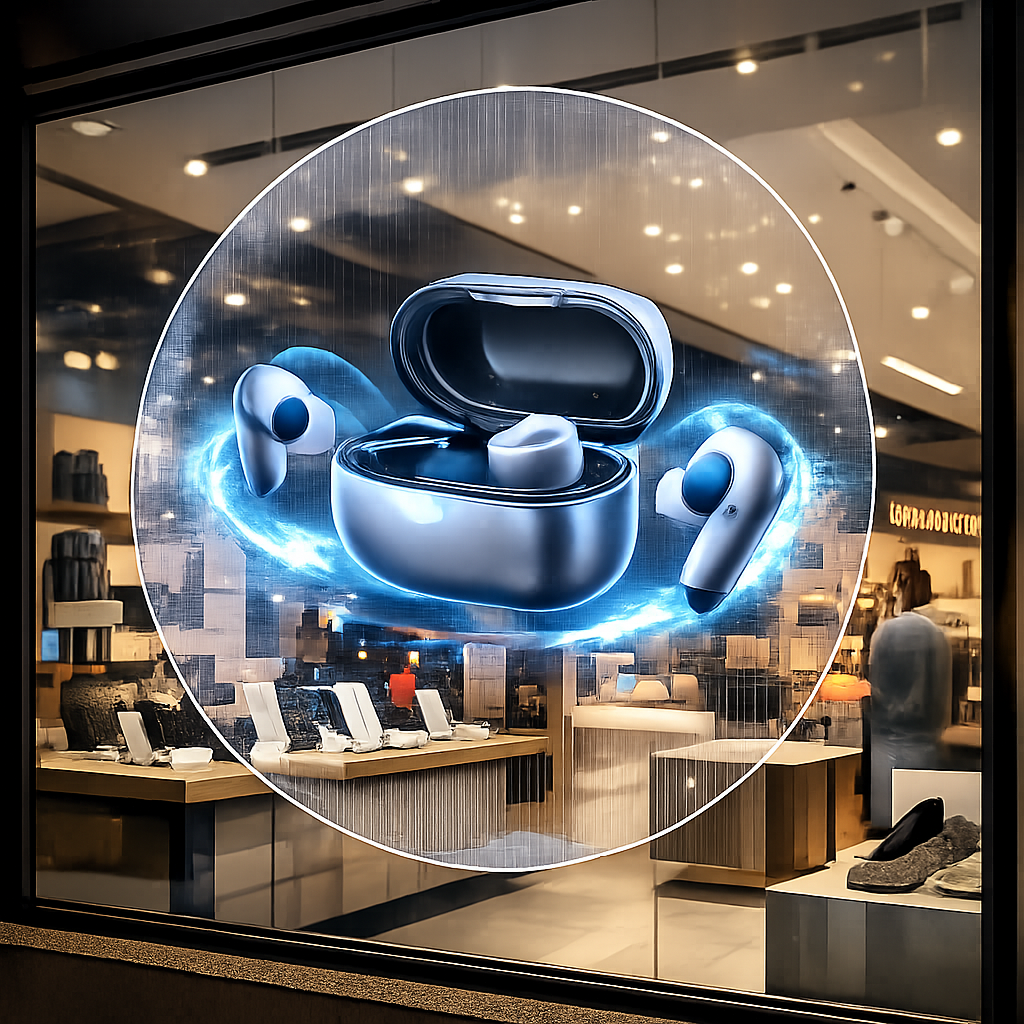
The versatility of these displays is one of their strongest selling points. In retail, transparent led window display solutions turn entire storefronts into captivating advertisements without blocking the view of the products inside. In corporate settings, they elevate lobbies and meeting rooms with a high-tech, modern feel. Event producers use flexible led transparent screen panels to build immersive stage designs that feel futuristic and grand. Museums and galleries also use them to create interactive exhibits that inform and entertain visitors in a visually stunning way.
Why LED Transparent Displays Are Revolutionizing Creative Design
For decades, digital displays have been a compromise. Designers had to choose between a solid, opaque screen and a clear, unobstructed view. LED transparent technology eliminates this compromise. It allows digital media to coexist with the physical environment, creating a layered, dynamic experience that was previously impossible. This fundamental shift is why designers and architects are so excited about its potential.
According to MarketsandMarkets, the transparent LED display market is projected to grow at a CAGR of 14.3%, indicating a massive shift in how businesses approach visual installations.
Seamless Integration with Building Architecture
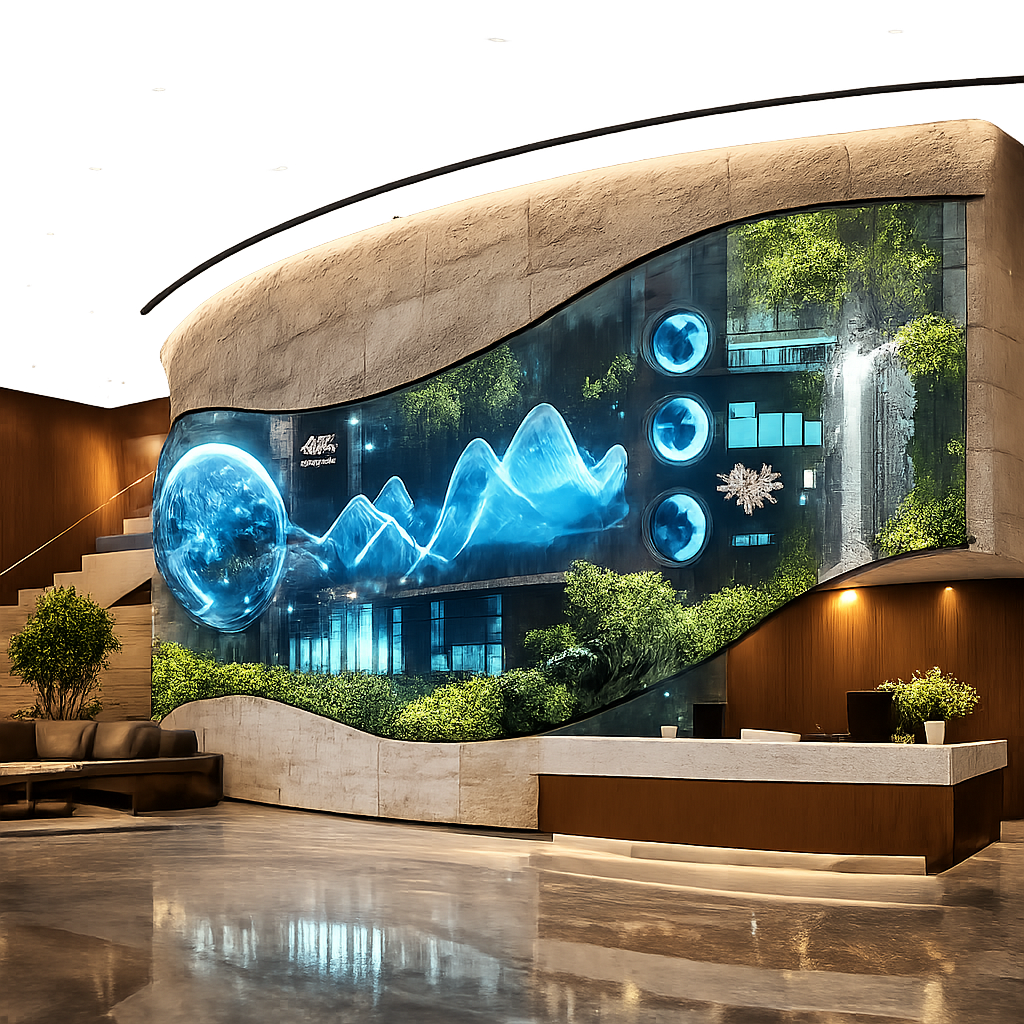
One of the most powerful features of transparent displays is their ability to become one with the architecture. Because they can be customized to any shape and applied to surfaces like glass, they don't feel like an add-on. Instead, they appear as an integral part of the building's design. This is particularly true for irregular shapes that can trace the unique lines of a facade or interior structure. The result is a clean, sophisticated aesthetic that enhances the building's modern identity instead of cluttering it. A high-quality ultra transparent led screen can achieve transparency levels of over 80%, making it almost invisible when turned off.
Creating Dynamic Visual Experiences Without Blocking Views
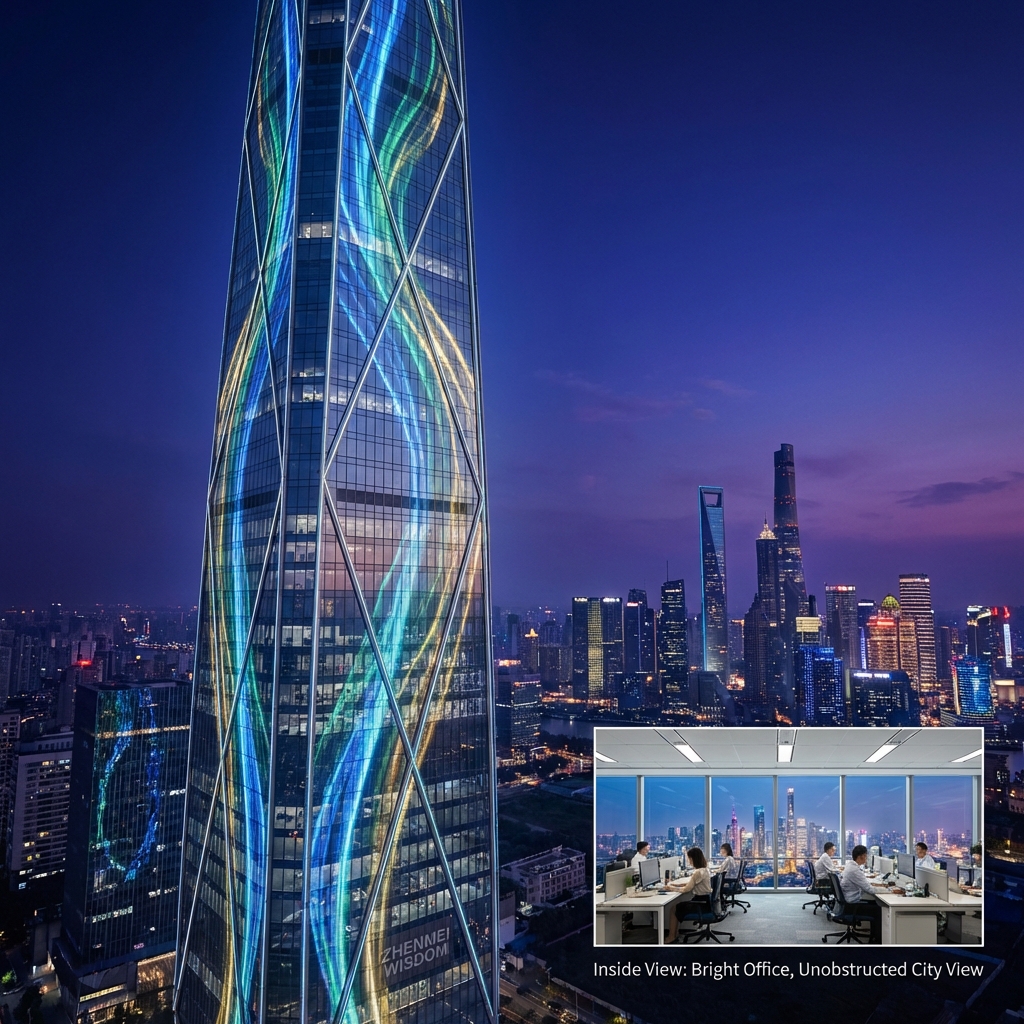
Imagine a skyline restaurant on the 50th floor. The view is its main attraction. A traditional screen would block that priceless asset. A transparent led screen display, however, can show promotional content, art, or information while allowing diners to continue enjoying the panoramic city views. This ability to layer digital content over the real world is revolutionary. It maintains the openness and airiness of a space while adding a dynamic digital layer. This is a key reason why these displays are popular in prime locations like flagship stores, airports, and luxury hotels.
The Impact of High Transparency and Customizable Shapes on Brand Storytelling
Your brand has a story, and the way you tell it matters. Irregular transparent displays give you a completely new medium. A luxury car brand could use a curved display that mimics the sleek lines of its latest model. A tech company could create a display in the shape of its logo that seems to float in its headquarters lobby. This level of customization allows for a deeper and more memorable connection with the audience. By moving beyond the rectangle, brands can create visual identities that are truly unique and instantly recognizable.
Technical Breakdown: How LED Transparent Irregular Displays Work
At its heart, the technology behind transparent displays is a clever feat of engineering. It's not magic, but it certainly looks like it. Understanding the basics helps appreciate why these displays are so effective and versatile for creative applications. They merge micro-electronics with transparent materials to create a screen that is both functional and beautifully unobtrusive, leading to a new era of high technology transparent led monitor systems.
The Technology Behind Transparent Micro LED and Film Displays
There are a few primary types of transparent LED technology. One common method involves embedding tiny, near-invisible LEDs onto transparent conductive film or glass. The circuitry connecting these LEDs is made microscopic, so it doesn't obstruct the view. This is the principle behind the transparent micro led display. Another popular and versatile option is the transparent led film display screen. This is a flexible, self-adhesive film that can be applied directly onto existing glass surfaces, turning any window or glass partition into a display. This "peel and stick" approach drastically simplifies installation and makes it an accessible choice for retrofitting.
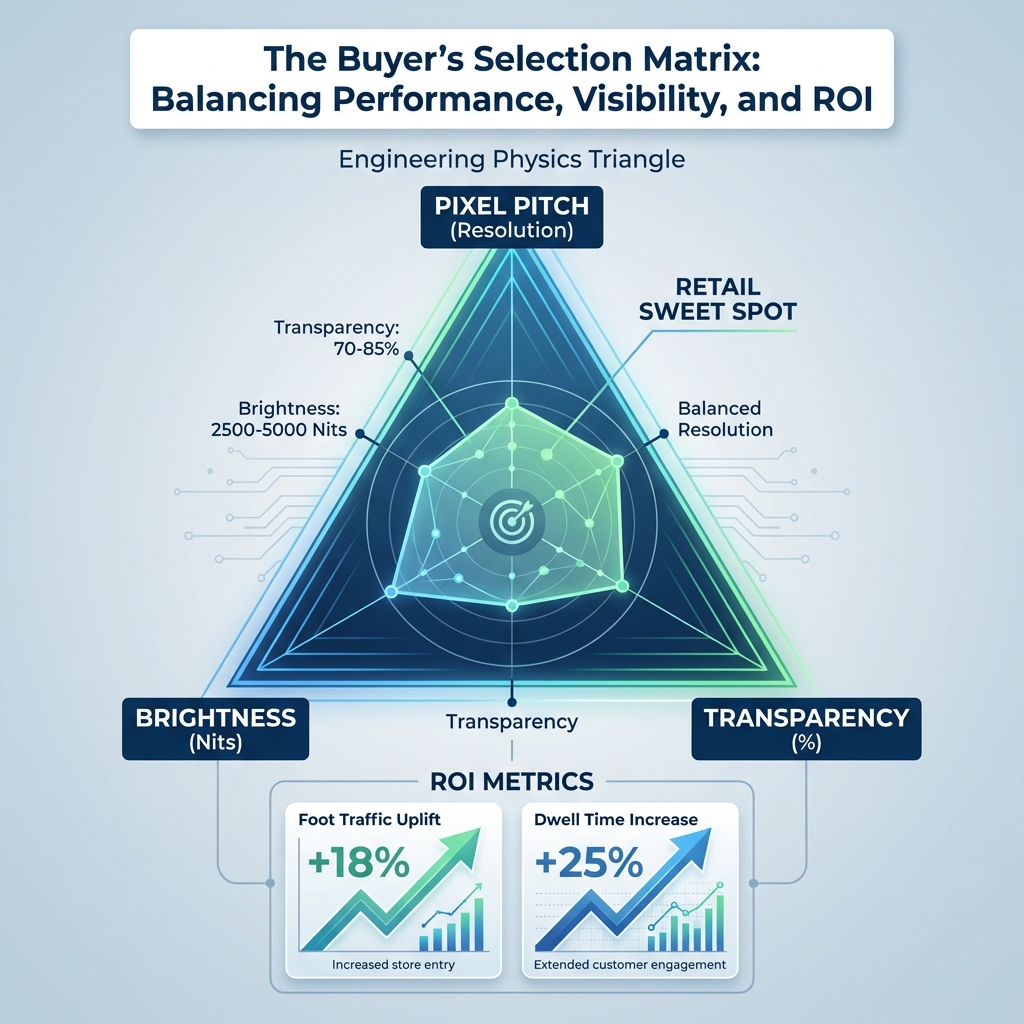
Understanding Pixel Pitch, Brightness, and Transparency Levels
When choosing a display, three terms are crucial:
Pixel Pitch: This is the distance between the centers of two adjacent LEDs. A smaller pixel pitch means higher resolution and a clearer image, but it may slightly reduce transparency.
Brightness: Measured in nits, this determines how visible the display is, especially in bright conditions. Outdoor displays require much higher brightness (5000 nits or more) to compete with direct sunlight.
Transparency: Expressed as a percentage, this indicates how much light can pass through the screen. Higher transparency means a clearer view through the display, but it might come at the cost of lower resolution. The key is finding the right balance for your specific project.
Key Components of a High-Technology Transparent LED Monitor System
A complete transparent display system isn't just the screen itself. It includes several key components working together. First, there's the display panel, which can be a rigid cabinet or a flexible film. Next, you have the control system, which includes a sending box and receiving cards that process the video signal and send it to the LEDs. A media player or computer is used to manage and schedule the content. Finally, a robust power supply system ensures the display runs reliably. For a seamless experience, partnering with an expert like Zhenmei Wisdom ensures all these components are perfectly integrated and optimized for your needs.
Key Benefits of Irregular Transparent Displays for Businesses
Investing in new technology is a big decision, but the returns from irregular transparent displays go far beyond just looking cool. They offer tangible benefits that can directly impact your bottom line, from boosting brand visibility to reducing operational costs. This technology is not just an expense; it's a strategic asset for forward-thinking businesses.
When planning your installation, remember that content is king. A stunning display is only as good as the creative content it shows. Design visuals that leverage the transparency and shape of the screen for maximum impact.
Enhanced Brand Visibility and Customer Engagement
In a world saturated with advertising, standing out is harder than ever. An irregular transparent display is an instant attention-grabber. Its novelty and futuristic appeal draw eyes and create a memorable impression. This heightened visibility translates into better brand recognition and increased foot traffic for retail locations. Because the content can be dynamic and interactive, it also encourages customer engagement, turning passive viewers into active participants. The global advertising spend on digital displays hit $12.3 billion in 2024, showing the immense value businesses place on digital-out-of-home advertising.
Superior Energy Efficiency: Up to 30% Savings Compared to Traditional Displays
Sustainability is a growing concern for businesses and consumers alike. LED technology is inherently more energy-efficient than older display types like LCD. Transparent LED displays take this a step further. Since the LEDs are only lit to create the image and the rest of the screen is empty space, they consume significantly less power.
According to Energy Star, LED transparent displays can offer energy savings of up to 30% compared to traditional opaque digital screens of similar size and brightness.
This not only lowers your electricity bills but also reduces your company's carbon footprint, a valuable point for corporate social responsibility initiatives.
Durability and Longevity for Both Indoor and Outdoor Applications
Modern LED transparent displays are built to last. They are engineered to be robust, with protective coatings that resist impact, dust, and moisture. Outdoor models are specially designed with high IP ratings to withstand harsh weather conditions, from heavy rain to extreme temperatures. The LEDs themselves have a long lifespan, often rated for 100,000 hours or more of operation. This durability ensures a reliable and long-lasting installation, providing a strong return on investment over many years of continuous use.
Creative Applications Across Industries
The true power of LED transparent irregular creative displays is their adaptability. They aren't limited to one industry or use case. From retail to corporate and entertainment, creative professionals are finding innovative ways to integrate this technology into their projects, transforming ordinary spaces into extraordinary experiences.
Transforming Retail Spaces with Transparent LED Window Displays
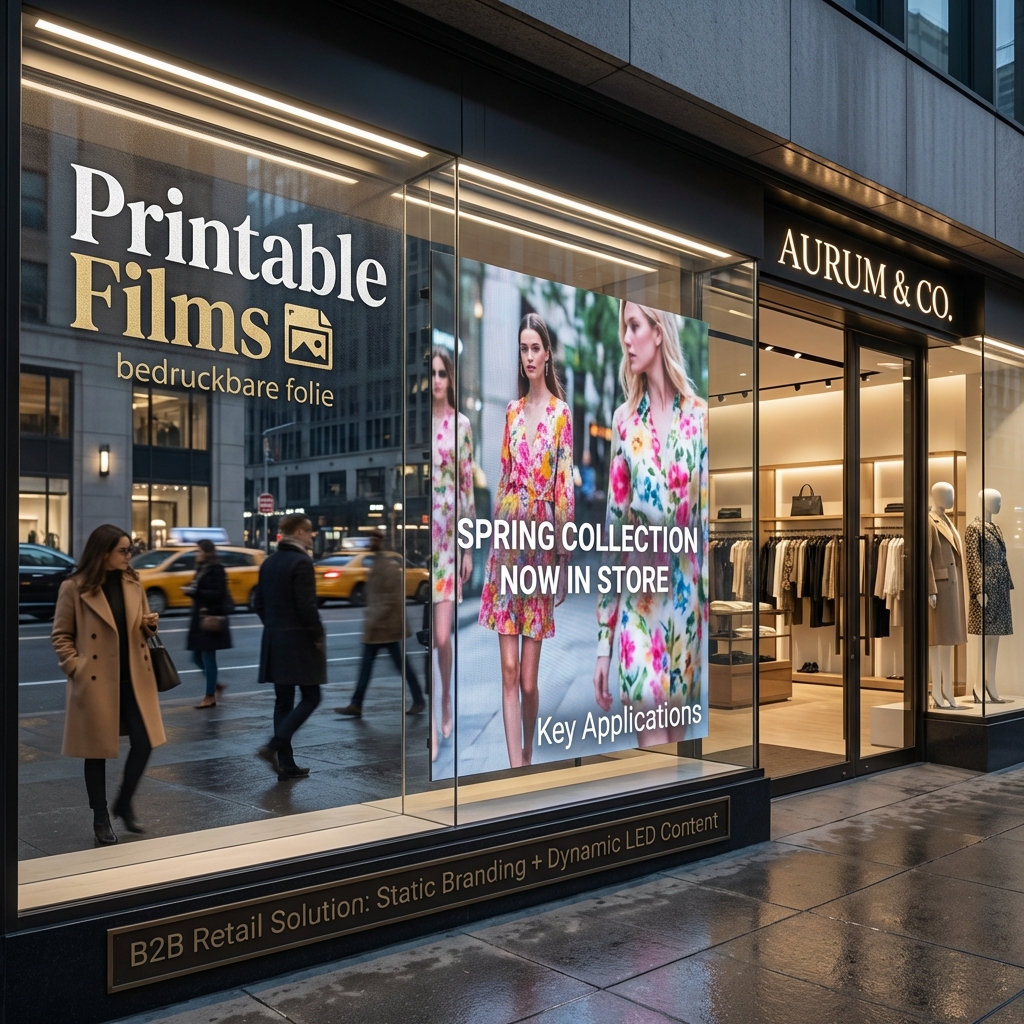
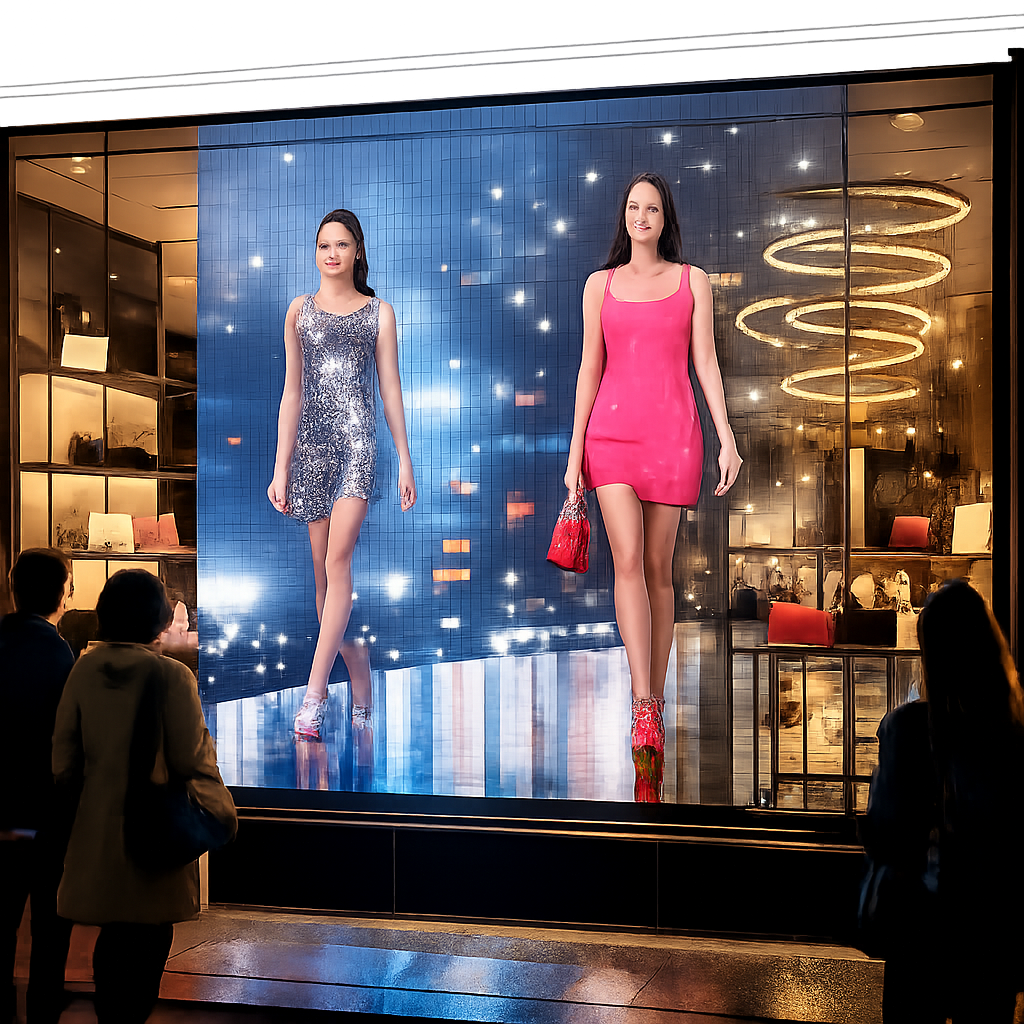
For retailers, the storefront is the first point of contact with customers. A transparent led window display can revolutionize this space. Instead of static posters or bulky mannequins, imagine a window that plays a high-definition video of a runway show while still allowing shoppers to see the products inside. Brands can display promotions, new arrivals, and brand stories in a dynamic way that stops people in their tracks. The transparent film led display is particularly useful here, as it can be easily applied to existing windows without a major renovation.
Enhancing Corporate Lobbies and Public Spaces with Architectural Lighting
First impressions matter. An irregular transparent display in a corporate lobby can create a powerful statement about a company's commitment to innovation and modern design. It can be used to display company news, welcome important visitors, or showcase beautiful digital art that reflects the brand's identity. In public spaces like airports and train stations, these displays can provide information and advertising without adding visual clutter or making the space feel enclosed. Their ability to blend with the architecture makes them a favorite tool for architects and interior designers.
Building Immersive Stages and Event Backdrops with Flexible LED Transparent Screens
The events industry is all about creating memorable, immersive experiences. A flexible led transparent screen is the perfect tool for this. Stage designers can create multi-layered, three-dimensional sets that content can move across, creating a sense of depth and motion. They can be curved, wrapped, and hung to build unique structures that a traditional video wall could never achieve. For concerts, award shows, and product launches, this technology allows for spectacular visual moments that captivate the audience and look incredible both in person and on camera.
LED Transparent Irregular Displays vs. Traditional Digital Signage
Is it time to ditch your old LCD screens? When you compare irregular transparent displays to traditional digital signage, the advantages become crystal clear. It's not just a step up in technology; it's a leap into a new dimension of design and communication.
Comparing Visual Impact and Design Freedom
Traditional digital signage is confined to a box. Its visual impact is limited by its rectangular frame and opaque nature. Irregular transparent displays, on the other hand, offer complete design freedom. You can create a screen in any shape, wrap it around structures, and maintain a see-through aesthetic. This allows for a much more subtle, elegant, and integrated look. The content appears to float in mid-air, creating a magical effect that is far more impactful and memorable than a standard screen.
Differences in Installation, Weight, and Structural Requirements
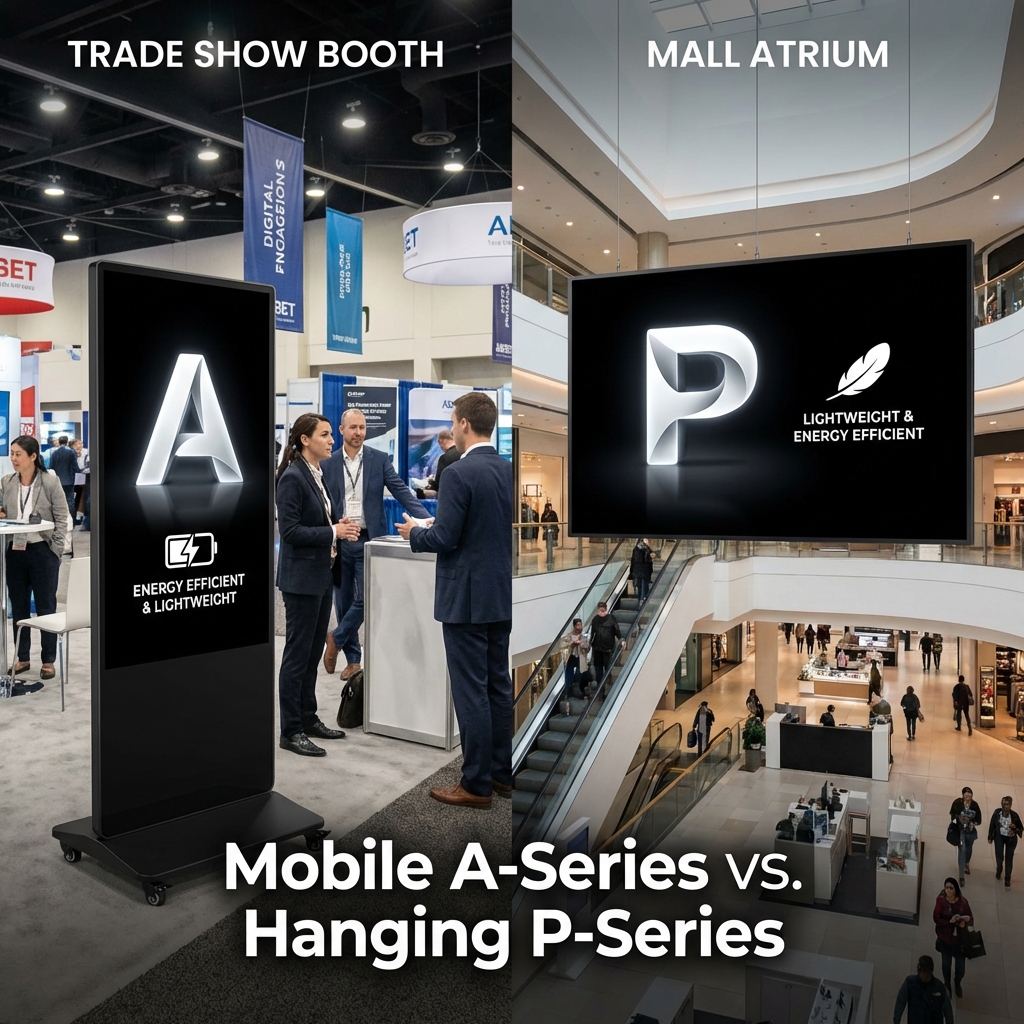
Opaque LED and LCD screens are heavy and bulky. They often require significant structural support, which adds complexity and cost to the installation. In contrast, many transparent LED solutions, especially the led flexible transparent film display, are incredibly lightweight. The film itself weighs next to nothing and can be applied directly to glass, eliminating the need for heavy steel frames. Even rigid transparent panels are typically lighter and slimmer than their opaque counterparts, simplifying installation and reducing the load on the building's structure.
Aesthetic and Functional Advantages over Conventional LCD or Opaque LED Screens
Aesthetically, there is no comparison. A transparent display is sleek, modern, and unobtrusive. When turned off, it's nearly invisible, preserving the original design of the space. A traditional screen, when off, is a large black rectangle that can be an eyesore. Functionally, the ability to maintain natural light and a clear line of sight is a massive advantage. In a retail store, you can advertise without hiding your products. In an office, you can have digital partitions without creating a closed-off, claustrophobic environment. This duality of function and aesthetic is what sets transparent displays apart.
Case Studies: Successful Use of LED Transparent Displays in Advertising
The proof is in the pudding. Across the globe, leading brands are already leveraging the power of irregular transparent displays to create groundbreaking advertising campaigns and architectural landmarks. These real-world examples showcase the technology's transformative potential.
Showcasing Innovative Retail Campaigns with Transparent Displays
A major global fashion brand turned its flagship store's glass facade in New York City into a giant transparent video wall. During Fashion Week, they live-streamed their runway show directly onto the windows. Passersby could watch the show in stunning high definition while simultaneously seeing the new collection displayed on mannequins inside the store. The campaign went viral on social media, driving record foot traffic and sales. This is a perfect example of a LED transparent display for commercial advertising creating a truly integrated physical and digital experience.
Highlighting Architectural Masterpieces Integrating Irregular LED Screens
An iconic skyscraper in Asia wanted to create a unique lighting feature without altering its sleek, glassy appearance. They worked with designers to install custom-shaped transparent micro led screen panels that followed the building's curved crown. At night, the top of the building comes alive with mesmerizing, fluid patterns of light that appear to dance on the glass. During the day, the screens are completely invisible, preserving the building's architectural integrity. The project won numerous design awards and became a new landmark for the city.
Analyzing the ROI of Creative Displays in Public-Facing Projects
A newly opened shopping mall invested in a large-scale, irregularly-shaped transparent display for its central atrium. The management team tracked key metrics before and after the installation. They found that visitor dwell time in the atrium increased by an average of 15 minutes. Furthermore, the premium advertising space on the screen was sold out within the first quarter, generating a new, high-margin revenue stream. The initial investment was recouped in just 18 months, demonstrating a clear and powerful return on investment (ROI) for creative display technology.
Frequently Asked Questions
What are the main design possibilities with LED transparent irregular displays?The possibilities are virtually endless. They can be customized to any shape (curved, triangular, free-form), size, and transparency level. This allows designers to integrate them seamlessly into facades, windows, interior walls, and even create standalone artistic installations.
Can a transparent LED display be used outdoors?Absolutely. Outdoor-rated transparent displays are designed with high brightness to be visible in direct sunlight and are built with durable, weather-resistant materials (IP65 rating or higher) to withstand rain, wind, and temperature changes.
How do you measure the energy efficiency of LED transparent displays?Energy efficiency is measured by power consumption (watts per square meter). Compared to traditional opaque screens, transparent displays are highly efficient because they only use power for the lit pixels, while the transparent areas consume none. This can lead to significant energy savings.
What makes a flexible LED transparent film display different from a rigid one?A rigid transparent display uses LED panels housed in a firm cabinet, ideal for flat or large-scale installations. A flexible led transparent film display is a pliable, ultra-thin film that can be adhered to curved surfaces like glass walls or columns, offering greater versatility for non-traditional applications.
Partner with Zhenmei for Your Custom Display Solution
Embarking on a creative display project can feel daunting, but you don't have to do it alone. At Zhenmei Wisdom, we specialize in bringing ambitious visual concepts to life. With years of experience in R&D and production of cutting-edge LED solutions, we are the ideal partner for your next project.
Explore Our Portfolio of Innovative Transparent LED Screen Displays
We invite you to explore our extensive range of products, from high-definition transparent led screen display panels to versatile flexible films and custom-shaped creative solutions. Our portfolio showcases a variety of successful projects across retail, architecture, and entertainment, demonstrating our capability to deliver stunning results. We're committed to pushing the boundaries of what's possible with LED technology.
Why Our Expertise in Customization Delivers Superior Results for Creative Advertising
We understand that for creative advertising, one size does not fit all. Our core strength lies in customization. Our engineering team works closely with you to design a display that perfectly fits your architectural and creative vision. We meticulously manage every detail, from pixel pitch and brightness to shape and installation, ensuring the final product not only meets but exceeds your expectations.
Contact Our Team to Discuss Your Architectural or Commercial Project
Are you ready to transform your space with a breathtaking LED transparent irregular display? Our team of experts is here to help. Whether you have a fully formed concept or just the beginning of an idea, we can provide the guidance and technical expertise to make it a reality. Contact us today to schedule a consultation and receive a personalized quote for your project. Let's create something extraordinary together.
References
Grand View Research, "Global LED Display Market Size," 2023.
MarketsandMarkets, "Transparent LED Displays Market Growth Rate," 2023.
Energy Star, "Energy Savings from LED Transparent Displays," 2024.