Imagine walking past a shop window in a busy mall. Instead of a boring, flat TV screen blocking the view, you see a pair of bright red sneakers floating in mid-air . They are spinning around, glowing, and looking almost real enough to touch. Yet, behind the sneakers, you can still clearly see inside the store. You can see the shelves, the other products, and the people shopping.
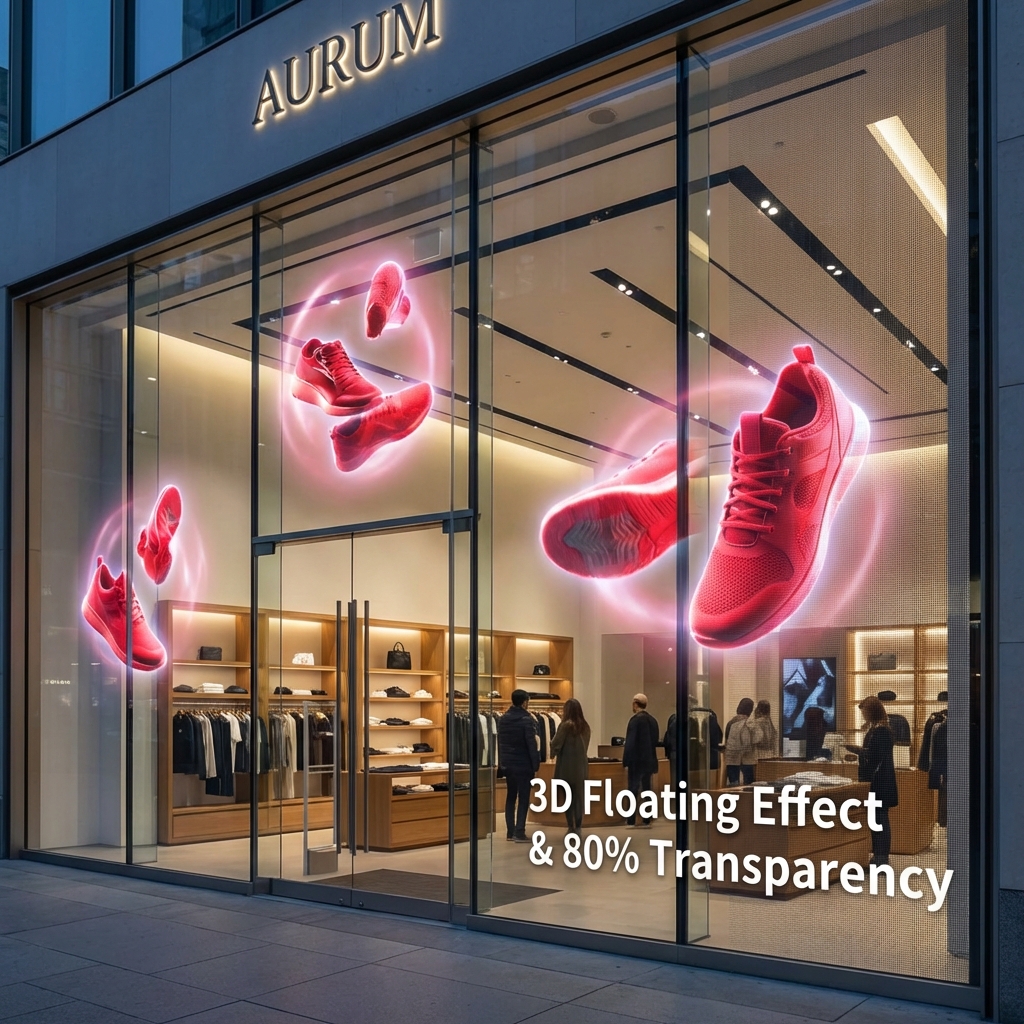
That is the magic of an LED holographic screen. It feels like something out of a futuristic movie, but it is happening right now on high streets around the world.
But for business owners, magic isn't enough. You need to know if it makes money. Is an LED holographic screen actually worth the investment?
Here is the short answer: Yes, for specific businesses. If you need to grab attention in a crowded place like a mall, airport, or trade show, these screens are absolute game-changers. However, they are not for everyone. If you just want to show a simple menu, they might be too much.
To help you decide, we have broken down the pros, cons, and costs in this simple guide. We will look at why 2026 is the year of the "invisible display."
🚀 Quick Takeaway: Is It Worth It?
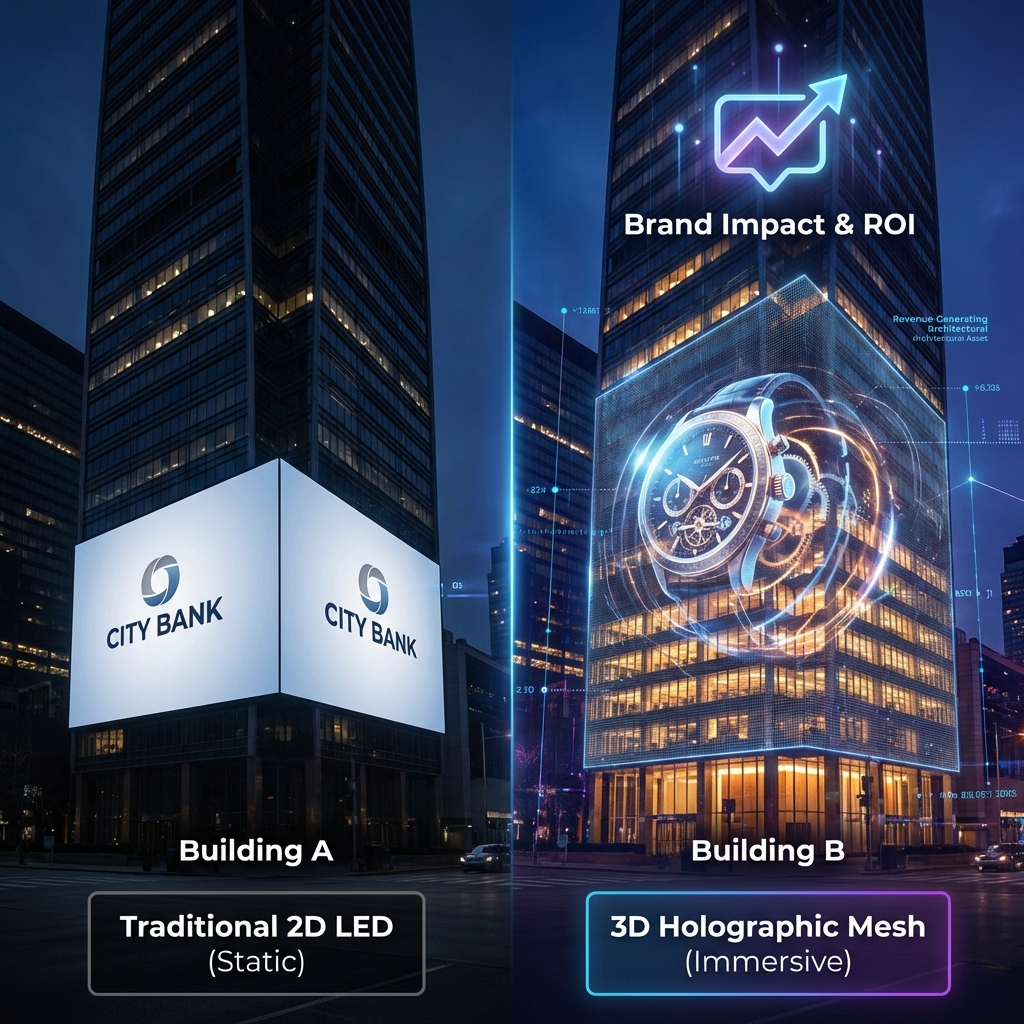
Before we dive deep, look at this table. It compares the old school screens with this new technology.
| Feature | Traditional LED Screen | Holographic LED Screen |
|---|---|---|
| Transparency | 0% (Blocks light completely) | 70% - 90% (See-through like glass) |
| Visual Effect | Flat 2D images | 3D Floating Effect |
| Installation | Heavy, needs strong wall/brackets | Lightweight , sticks to glass or hangs |
| Best For | Billboards, simple ads | Luxury retail, events, glass walls |
| Wow Factor | Low (People often ignore them) | High (Stops people in their tracks) |
1. What Exactly Is an LED Holographic Screen?
You might be thinking of Star Wars or Iron Man when you hear the word "hologram." Real-life holographic screens are a little different, but they are just as cool. They don't use lasers to project light into thin air. Instead, they use a smart trick involving transparency and brightness.
These screens are high-tech displays made of transparent visuals. They look like a sheet of glass or a mesh grid with tiny LED lights on them. Because the spaces between the lights are clear, your eyes look past the screen. When the bright 3D content plays, it looks like it is floating in space.
The Invisible Tech Revolution
At Zhenmei Wisdom , we specialize in this technology. Our screens are often called "transparent LED displays" or "invisible screens." Why? Because when they are turned off, you hardly notice they are there!
Unlike a big black LCD monitor that looks like a dark brick when it is off, these screens blend into the architecture. This is crucial for modern buildings that use a lot of glass. You do not want to cover up your beautiful glass windows with plastic and metal.
Types of Screens for Different Needs
There isn't just one type of holographic screen. Depending on your building, you might need different setups:
The Sticker Method: Some screens are like giant, high-tech stickers that go right on the window.
The Fixed Mount: For permanent displays, you might want something sturdy. For example, our LED Holographic Screen M Series – Fixed Installation, Wall/Glass Mounted is perfect for creating a permanent "video wall" that doesn't block the light. It is robust, reliable, and becomes part of the building itself.
By understanding that this is a physical screen that acts like a hologram, you can better understand how to use it. It is not magic; it is brilliant engineering designed to trick the eye and delight the customer.
2. How Do They Work? (Simply Explained)
Let's break down the science so a 12-year-old could understand it. Think of a window screen on your house—the kind that keeps bugs out. You can see through it because of the tiny holes in the mesh, right?
An LED holographic screen works the same way, but with lights.
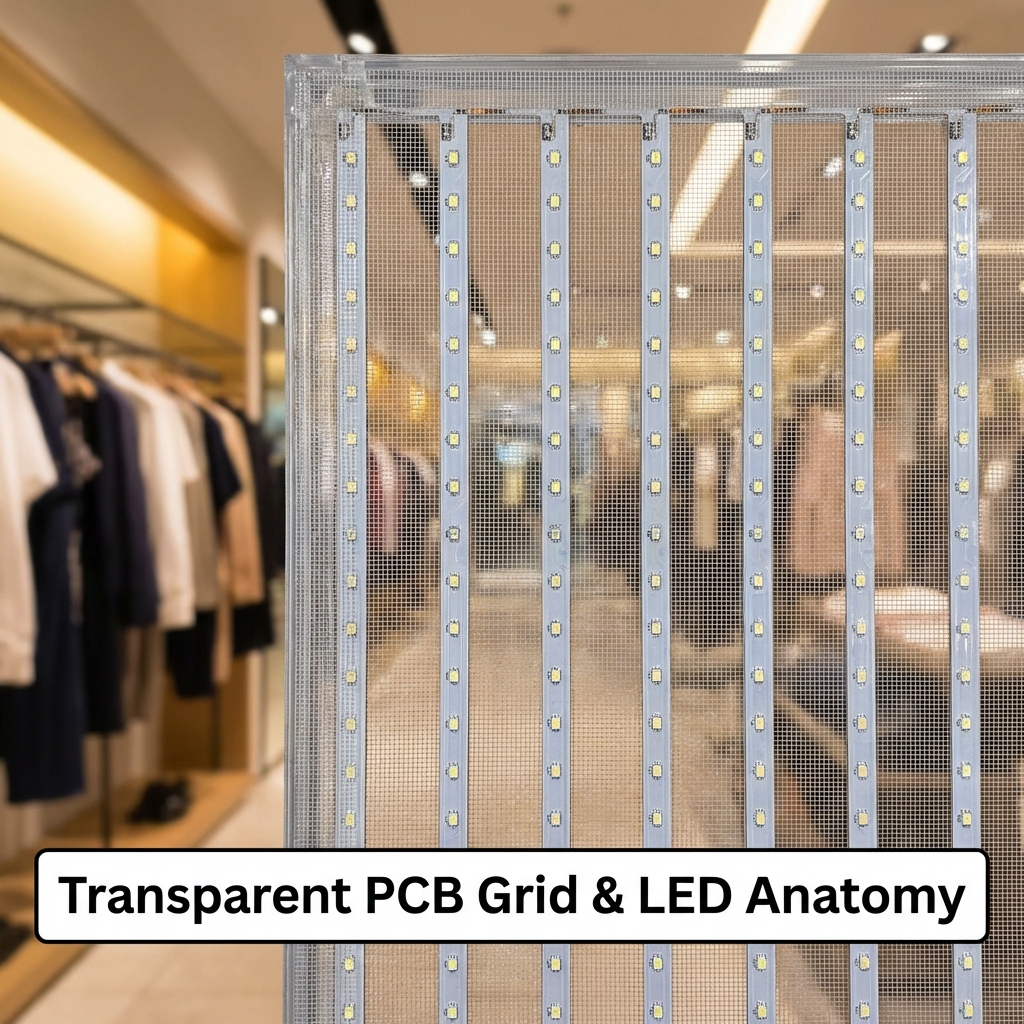
The Anatomy of the Screen
The Grid: The screen is made of thin strips (PCB strips). Between these strips, there is open space. This open space is what makes the screen "transparent."
The Light: Tiny, super-bright LED lights sit on these strips. These aren't normal lights; they are designed to be very bright so they can be seen even during the day.
The Illusion: When the lights turn on, your brain focuses on the bright colors. Because the background is usually black (which means the lights are off in those areas), your brain ignores the clear spaces. This creates a "hologram" effect without needing special 3D glasses.
Why Your Brain Sees 3D
This technology relies on how human eyes work. When you see a bright object moving against a transparent background, your brain assumes it is floating.
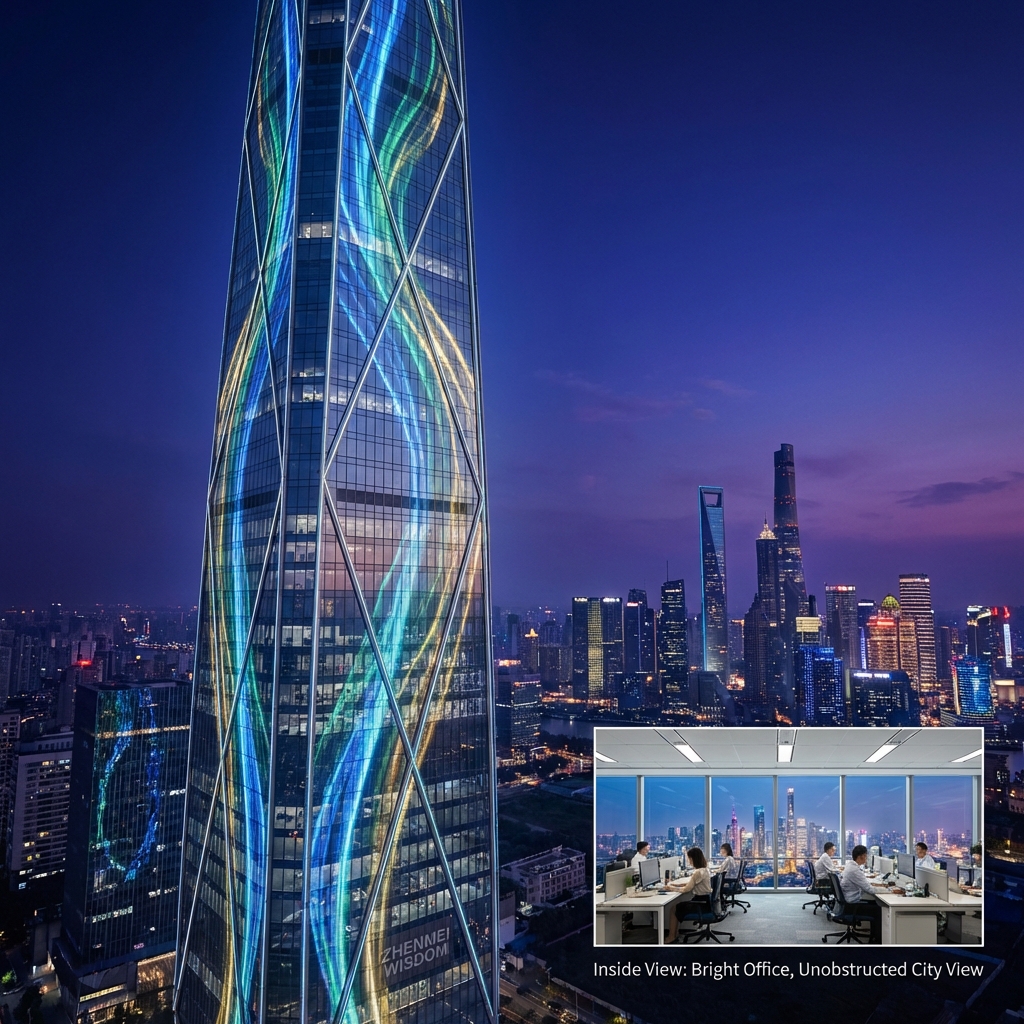
This is perfect for glass walls because it lets sunlight come into your building while still showing advertisements to people outside. You get the best of both worlds: natural light for your shop, and bright ads for your customers.
Different Mounting Styles
The way these grids are held together matters, too. Sometimes, you need the screen to hang from the ceiling, almost like a curtain.
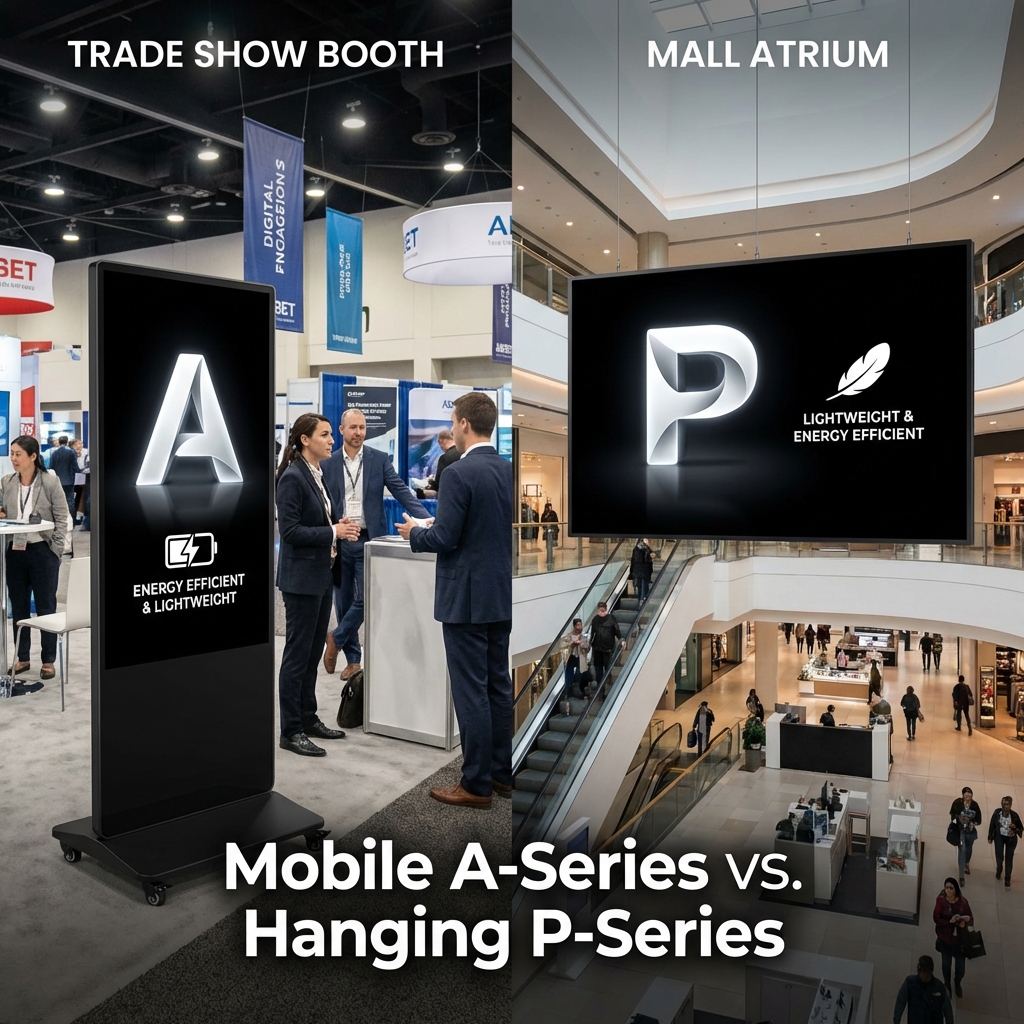
For instance, the LED Holographic Screen P Series – Hanging / Suspended Installation uses a hanging method. This is great for places where you cannot drill into the floor or the glass. It just hangs there, light and airy, creating that floating image effect without heavy construction work.
Understanding the "mesh" concept helps you realize why these screens are so light. They aren't solid blocks of glass; they are mostly air! This makes them safer and easier to install than heavy televisions.
3. Why Businesses Are Switching to Holographic Screens
We are seeing a huge jump in demand in 2026. Why? Because traditional TVs are boring. People walk past them without looking. We call this "banner blindness." We are so used to seeing TV screens that we don't even notice them anymore.
Here is why commercial clients love holographic tech:
A. It Stops Traffic
Human brains are wired to notice movement and depth. A floating 3D burger in a restaurant window grabs way more attention than a flat picture of a burger.
When something looks 3D, we stop to look at it to figure out what it is. More attention means more customers stopping. More stopping means more people walking in the door. It is a simple numbers game.
B. It Keeps Your Store Bright
If you put a big black TV screen in your window, you block the sun. Your store looks dark and uninviting. Customers like bright, airy shops.
A holographic screen is transparent . You get the advertising and the sunlight. Employees inside can still see out to the street, and customers outside can see the products inside. It removes the barrier between the shopper and the shop.
C. It Saves Space (and is Mobile!)
Many of these screens are incredibly thin. But what if you don't have a window? What if you need to move the screen around?
There are mobile versions of this technology. Our LED Holographic Screen A Series Mobile Floor-Standing Advertising Display is a perfect example. You can roll it into a lobby, move it to a trade show booth, or push it to the front of the store for a special sale. You don't need big, heavy metal frames taking up floor space permanently. It gives you flexibility.
D. Expert Credibility
It is not just us saying this. Experts in the retail industry are noticing the shift.
** "Retail and exhibitions accounted for nearly 30% of the holographic display market in 2024. This proves that shops and events are the best places to use this tech. Brands that use immersive 3D visuals see a 40% increase in dwell time compared to static posters."** — James Miller, Senior Retail Analyst.
This quote shows that it isn't just a "cool toy." It is a tool that actually keeps people looking at your brand for longer.
4. Real-World Examples: Where Does It Work Best?
Not every business needs a hologram. If you run a small library or a funeral home, maybe this flashy tech is not for you. But if you are in these industries, it is a great investment:
🛍️ Luxury Retail
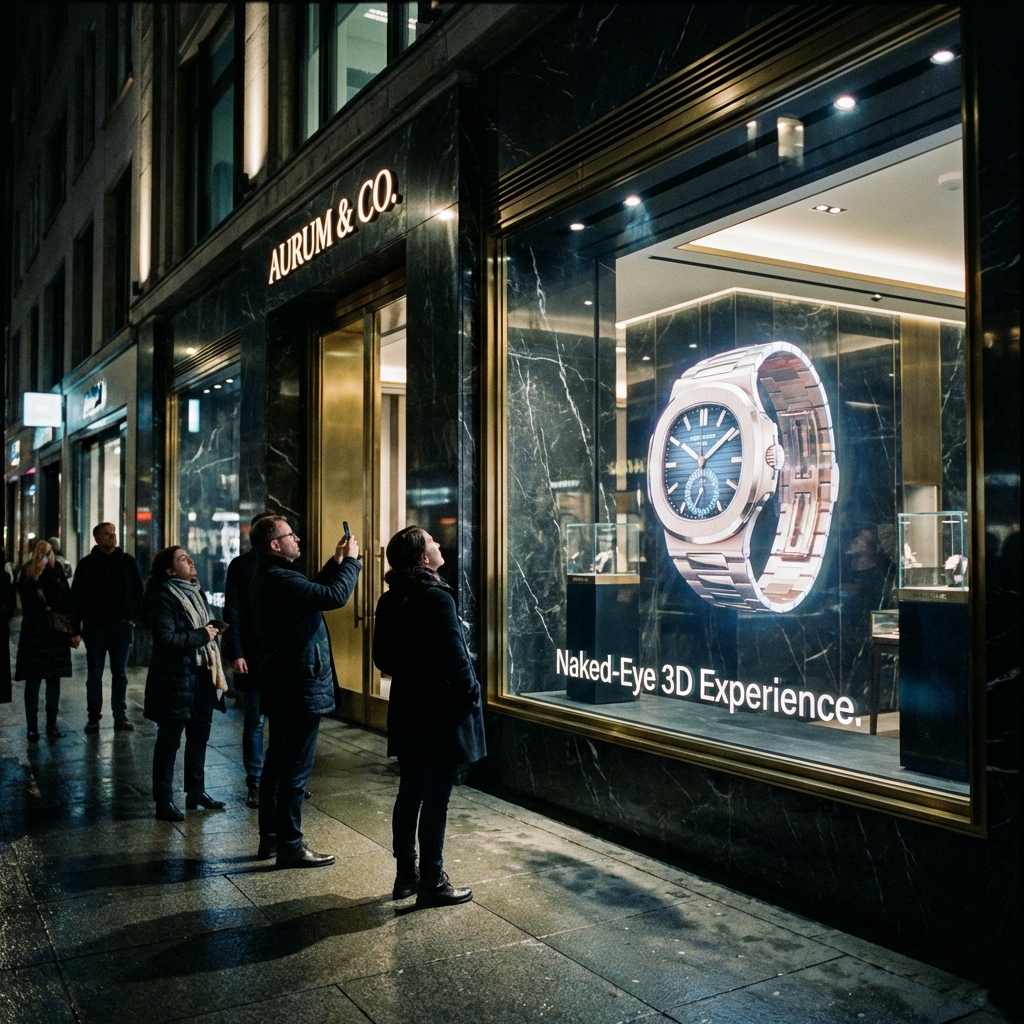
Imagine a jewelry store. Usually, the jewelry is small and hard to see from the street. Now, imagine a giant 3D diamond necklace floating in the window. It sparkles and turns. It looks expensive and high-tech.
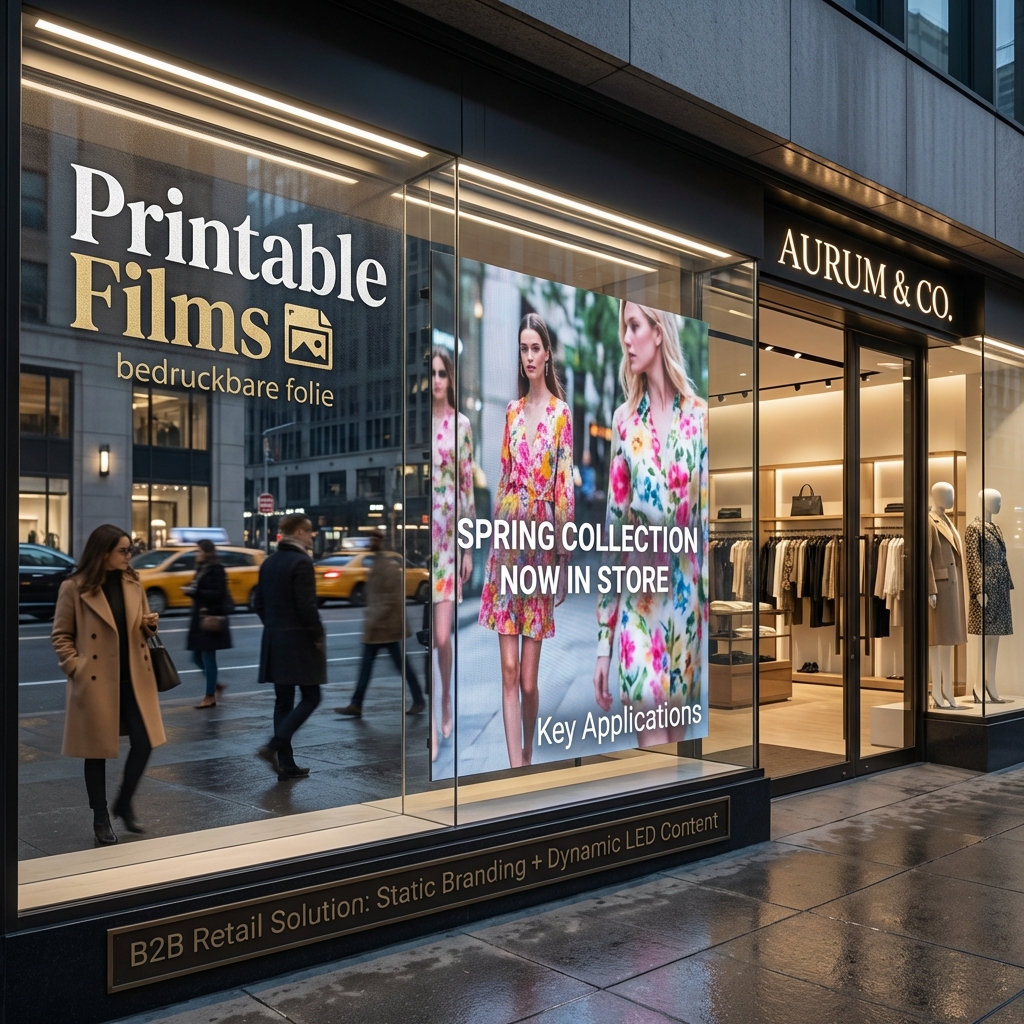
This elevates the brand. It tells customers, "We are modern, we are premium." High-end fashion brands use these screens to show models wearing clothes "walking" in the window.
🏢 Shopping Malls
Malls are big, open spaces with lots of glass railings. Malls use holographic screens on these glass railings to show ads.
Because the screens are see-through, they don't block the view of the shops behind the railing. It turns "dead space" (empty glass) into "ad space" (money).
🎤 Events & Trade Shows
If you have ever been to a trade show, you know it is crowded. Everyone is fighting for attention.
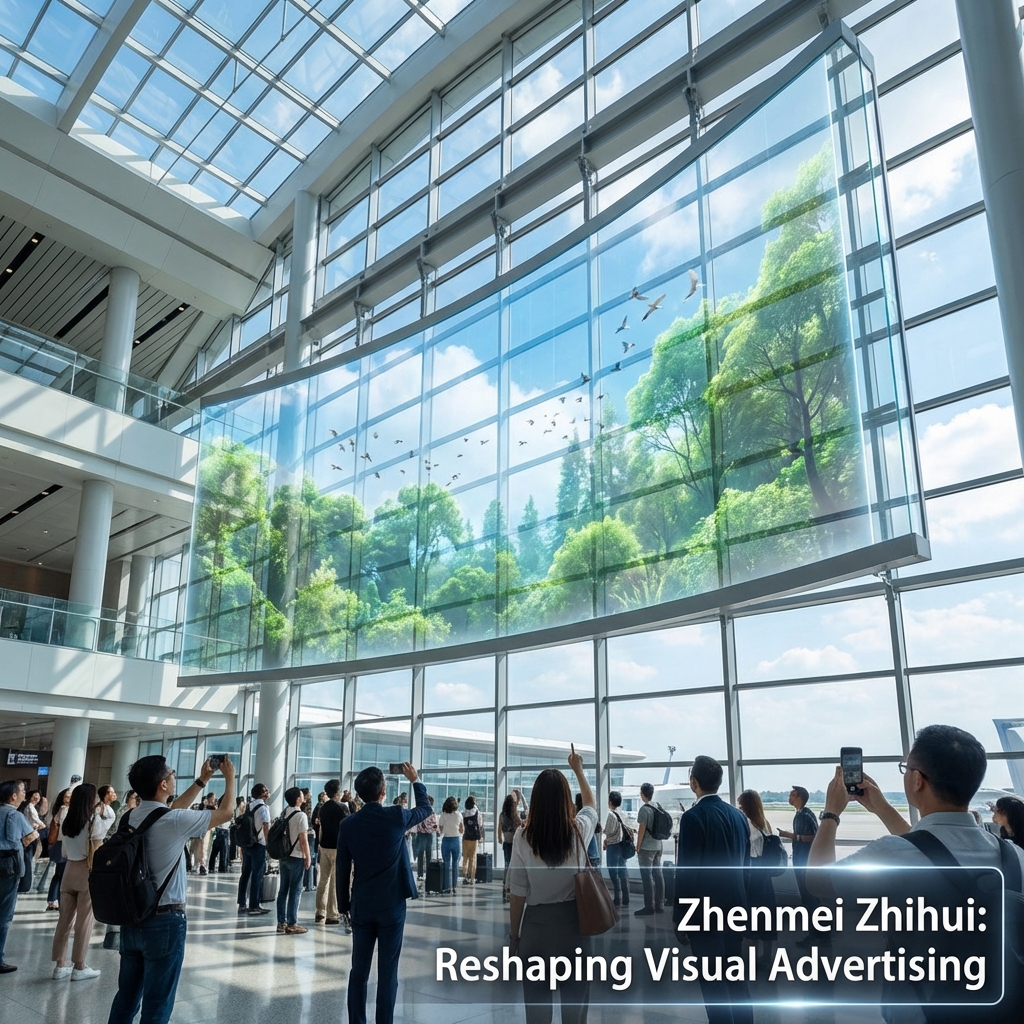
If you have a holographic booth, you become the "coolest" company there. People will come over just to take a video of your screen for their Instagram or TikTok. That is free advertising for you! The A Series mobile screen mentioned earlier is perfect for this because you can just roll it in and turn it on.
🏛️ Museums and Galleries
Museums are using this tech to make history come alive. You can project information over an ancient artifact without hiding the artifact itself.
Imagine looking at a dinosaur bone, and a holographic screen in front of it shows the muscle and skin of the dinosaur overlaying the bone. It is educational and magical.
Visualizing the Product:
(Picture a carousel here showing three images side-by-side)*
Image 1: A luxury watch floating in a store window (Using M Series).
Image 2: A bright colorful logo suspended in an atrium (Using P Series).
Image 3: A digital poster standing in a hotel lobby (Using A Series).
Caption: From fixed windows to mobile stands, there is a holographic solution for every space.
5. The Cost: Is It Too Expensive?
This is the big question. We know business owners watch their budget carefully. Yes, an LED holographic screen usually costs more upfront than a standard TV wall. However, you must look at the ROI (Return on Investment).
Comparing the Value
Standard Screen: Costs less to buy. But, 90% of people ignore it because it looks like a TV. It uses a lot of electricity because the backlight is always on.
Holographic Screen: Costs more to buy. But, 50% of people stop to watch because it is unique.
If the holographic screen brings in twice as many customers, it pays for itself much faster than the cheap TV.
Energy Savings
Here is a secret: Holographic screens are often cheaper to run than normal screens.
Why? Because of how they handle the color black.
On a normal TV, "black" is still a light that is turned on but blocked. It uses power.
On a holographic screen, "black" means the LED is turned off completely .
Since 3D content usually has a black background to make the "floating" effect work, roughly 50% to 70% of the screen is turned off at any given time. This means you are using way less electricity. Over 5 years, this saves a lot of money on utility bills.
Installation Costs
Because models like the P Series and M Series are lightweight, you don't need to reinforce your walls. You don't need heavy cranes or expensive steel structures. This creates savings on the installation labor.
6. Are There Any Downsides?
We believe in being honest. No technology is perfect. Here are a few things to consider before you buy, so you make the right choice:
Resolution vs. Transparency
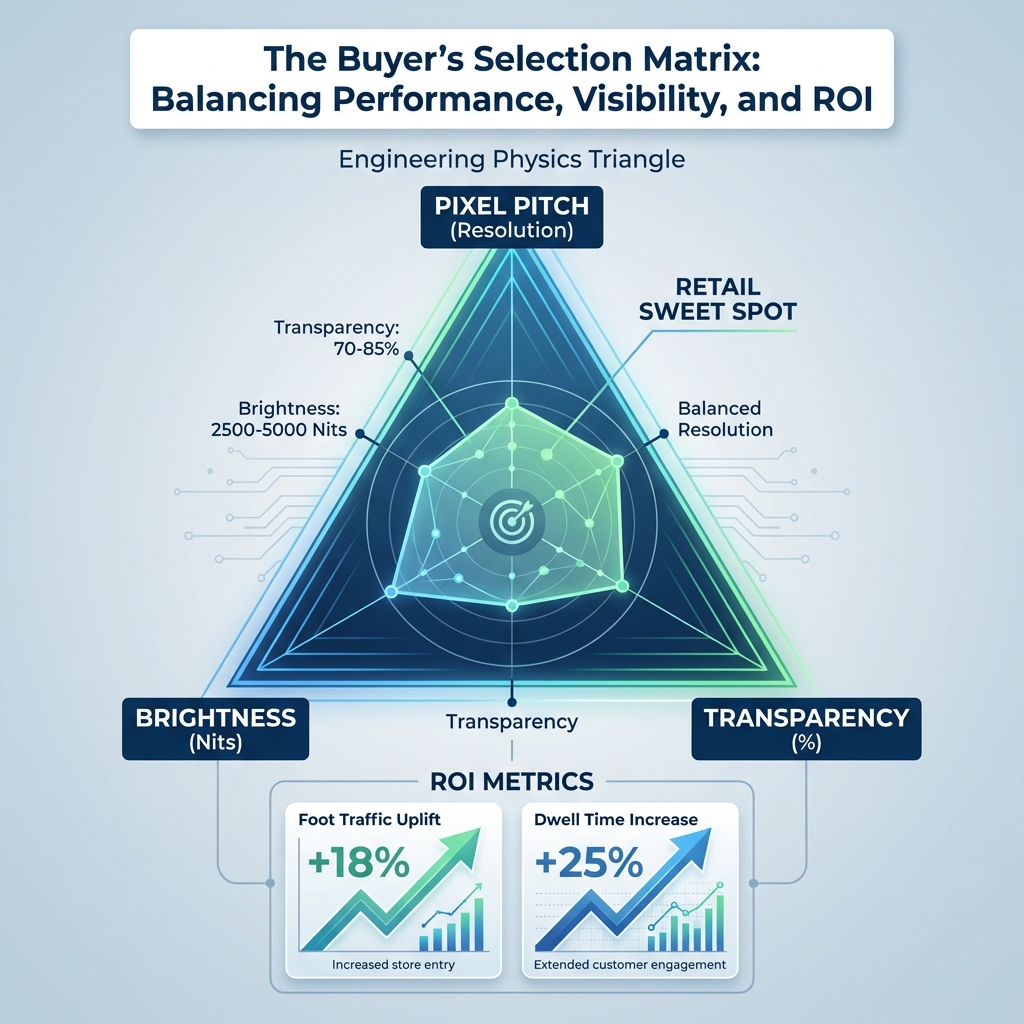
There is a trade-off. To make the screen transparent, there must be gaps between the lights.
More gaps = More transparency (easier to see through) but lower resolution.
Fewer gaps = Higher resolution (sharper image) but less transparency (harder to see through).
Because of this, the resolution is sometimes lower than a 4K TV. These screens are better for big, bold visuals (like a logo or a product) than for reading tiny text. If you need to display a page of a book, use a normal TV. If you want to display a spinning sneaker, use a hologram.
Content Creation
To get that cool "floating" look, you need specific video content. You generally need videos with a black background .
If you just play a standard TV commercial on a holographic screen, it will look like a transparent square. It won't look 3D. You might need a graphic designer who understands how to make 3D content to get the best results. However, many agencies (and even AI tools) can now create this content easily.
Daytime Brightness
While our screens are very bright, direct sunlight hitting the face of any screen can wash it out slightly. It is important to choose a model with high nits (brightness measurement) if it faces the sun directly. ZMLEDS screens are designed for this, but it is always something to check.
7. Conclusion: Should You Buy One?
So, is it worth it?
If your goal is to simply show a menu, a list of rules, or a page of text, a standard screen is fine. You don't need a hologram for that.
But, if your goal is to build a brand , wow your customers , and decorate a glass building without blocking the light, then an LED holographic screen is absolutely worth it. It turns your storefront into a landmark. It makes people take out their phones and share your business on social media.
At Zhenmei Wisdom , we have been building these screens in Shenzhen since 2020. We help businesses turn boring glass into amazing video displays. Whether you need the mobile flexibility of the A Series , the hanging elegance of the P Series , or the permanent power of the M Series , we have the solution.
Ready to see what your window could look like?
Don't let your storefront be invisible. Make it unforgettable. Visit us at en.zmleds.com to see our case studies and learn more about our transparent technology.
❓ People Also Ask (FAQ)
Q: Can I install these screens outside?
A: Yes! We have models designed specifically for high brightness and durability. This means you can see them clearly even in direct sunlight, and they are built to handle the weather, including rain and dust.
Q: Is it hard to install?
A: Not at all. Compared to heavy video walls, these are a breeze. Our "Crystal Film" screens act like a giant sticker—you simply peel and stick them to the glass. Other models, like the P Series, clip onto simple frames. It is fast and clean.
Q: How long do they last?
A: Like most high-quality LEDs, our screens are built to last for roughly 100,000 hours of use. If you run them for 12 hours a day, that is over 20 years of advertising! They are a long-term asset for your business.
Q: Can I use them for touch screens?
A: Generally, holographic screens are for viewing, not touching. However, some interactive technologies can be added using sensors to make the content react when people walk by!
External Resources for Further Reading:
Digital Signage Today - For trends on retail display technology.
Sixteen:Nine - Analysis of the digital signage industry.
Retail Dive - How technology is changing the shopping experience.