Description: Discover what an ice screen is, how it differs from traditional LED, and its costs. This 2026 guide covers holographic display technology, applications, installation, and why it's revolutionizing advertising.
As a content strategist in the display tech space, I've seen countless innovations come and go. But when I first encountered an ice screen in action at a major trade show, I knew it was different. The image seemed to float in mid-air, blending seamlessly with the environment behind it. It wasn't just a screen; it was an experience. This technology is fundamentally changing how brands communicate, turning passive viewers into engaged participants.
Let’s dive into what makes this technology so special.
What Is an Ice Screen? Quick Answers
New to holographic displays? Here’s everything you need to know at a glance:
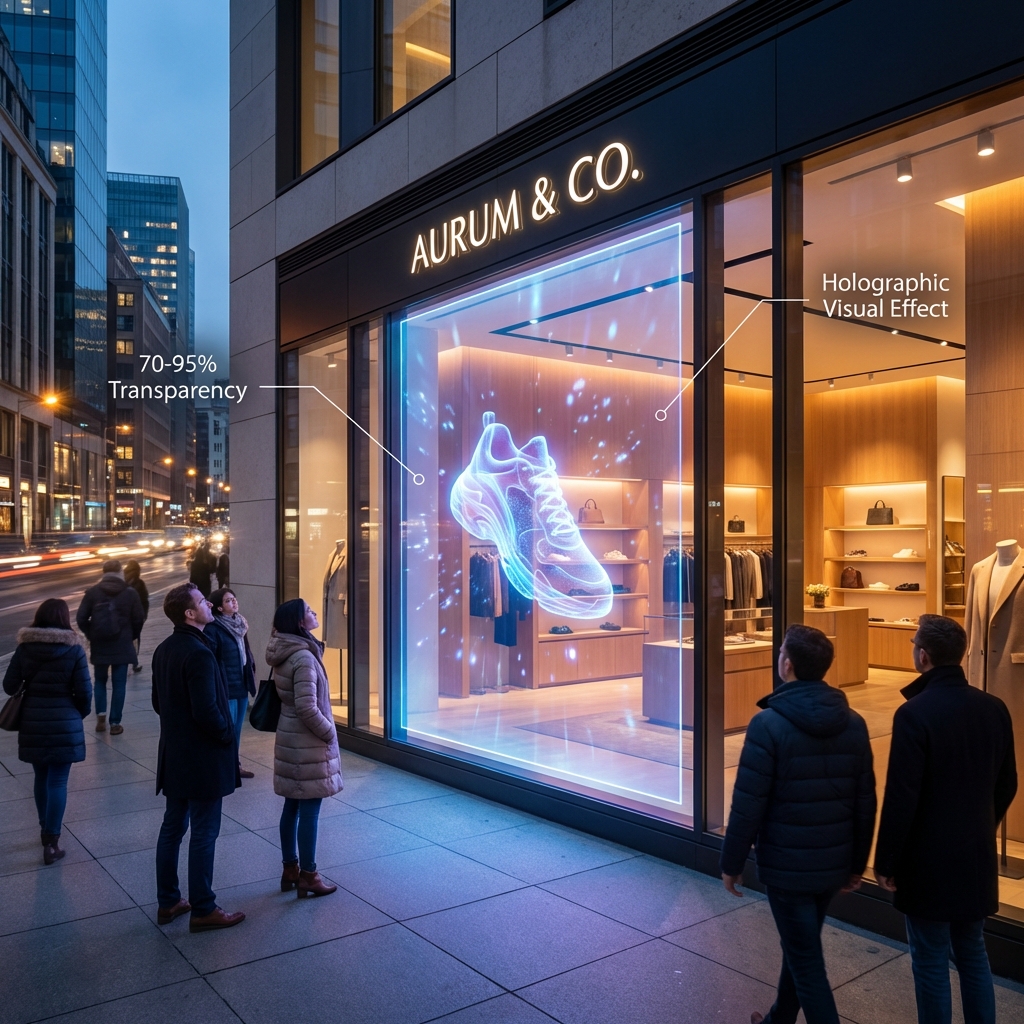
What is it? An ice screen is an advanced transparent LED display. It creates a "holographic" effect by projecting images while allowing you to see through the screen itself.
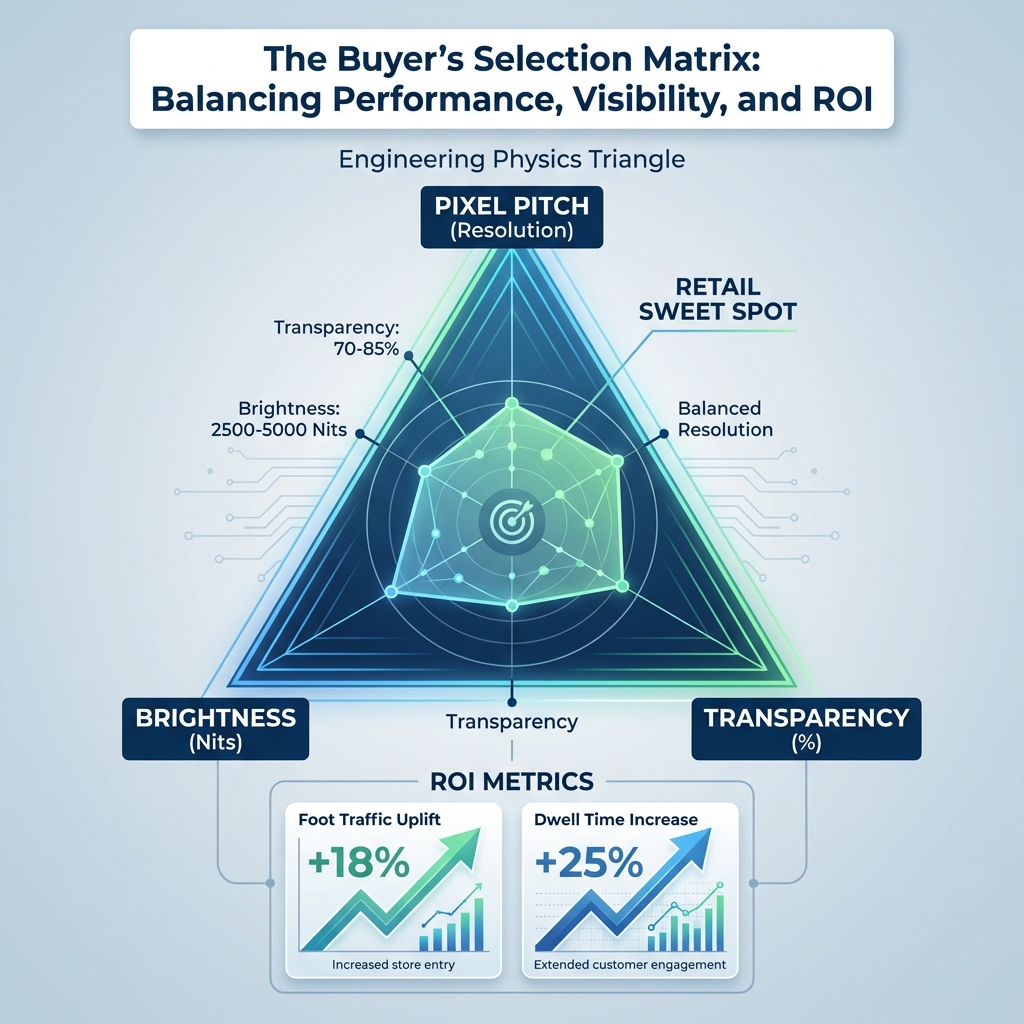
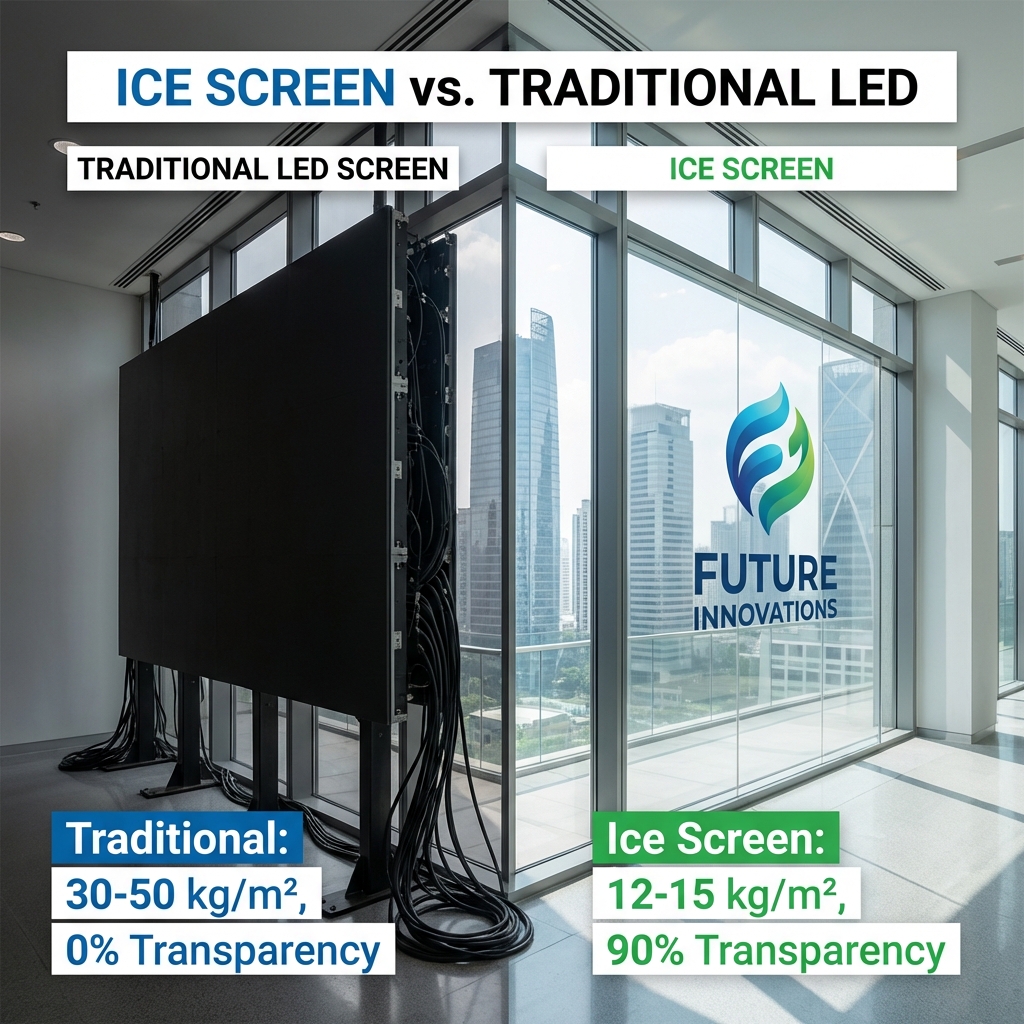
How does it differ from LED? Unlike traditional solid LED screens, ice screens are highly transparent (often 70-95% transparency). They are also lighter and more flexible.
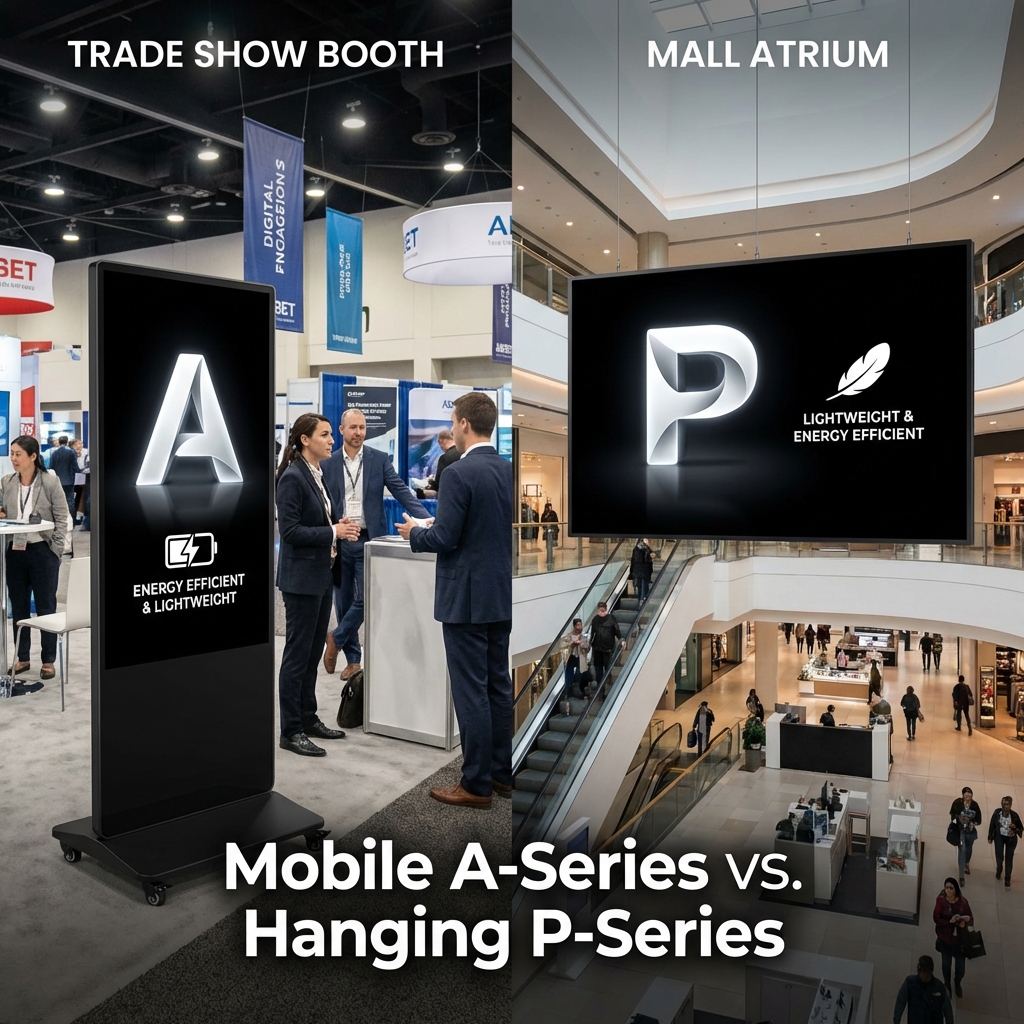
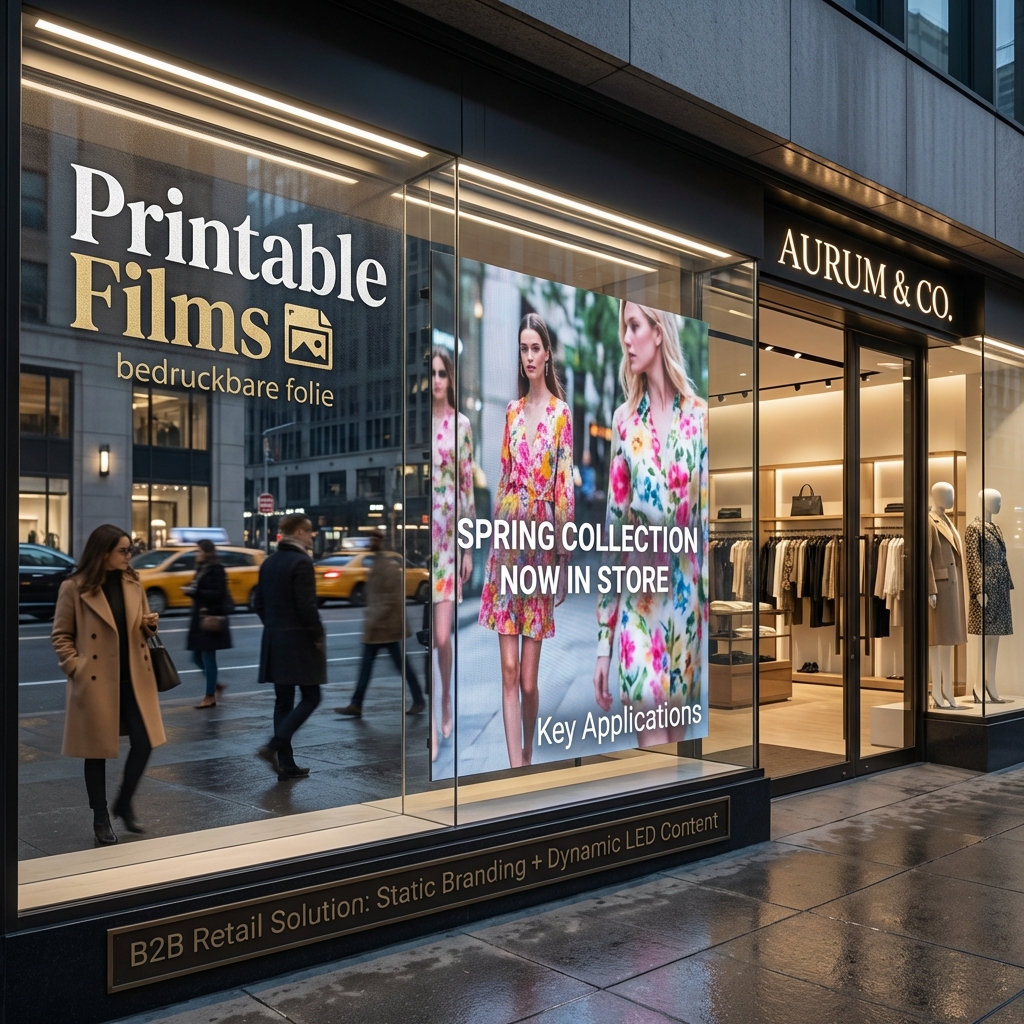
Main Uses: They excel in retail window displays, event stages, trade show booths, museums, and architectural designs.
Key Benefit: They grab attention without blocking views, creating a stunning visual impact that feels futuristic and high-tech.
Cost Factor: The price typically ranges from $500 to $1,000 per square meter, depending on resolution, size, and customization.
Customization: Ice screens can be tailored to almost any size or shape, offering incredible creative freedom for designers and architects.
Unpacking the Technology: How Do Ice Screens Work?
You might be wondering what magic allows an image to float in the air. While it looks like something from a sci-fi movie, the technology behind it is a brilliant feat of engineering. Understanding how it works helps you appreciate why it’s such a game-changer for modern advertising and design.
Core Components and Materials
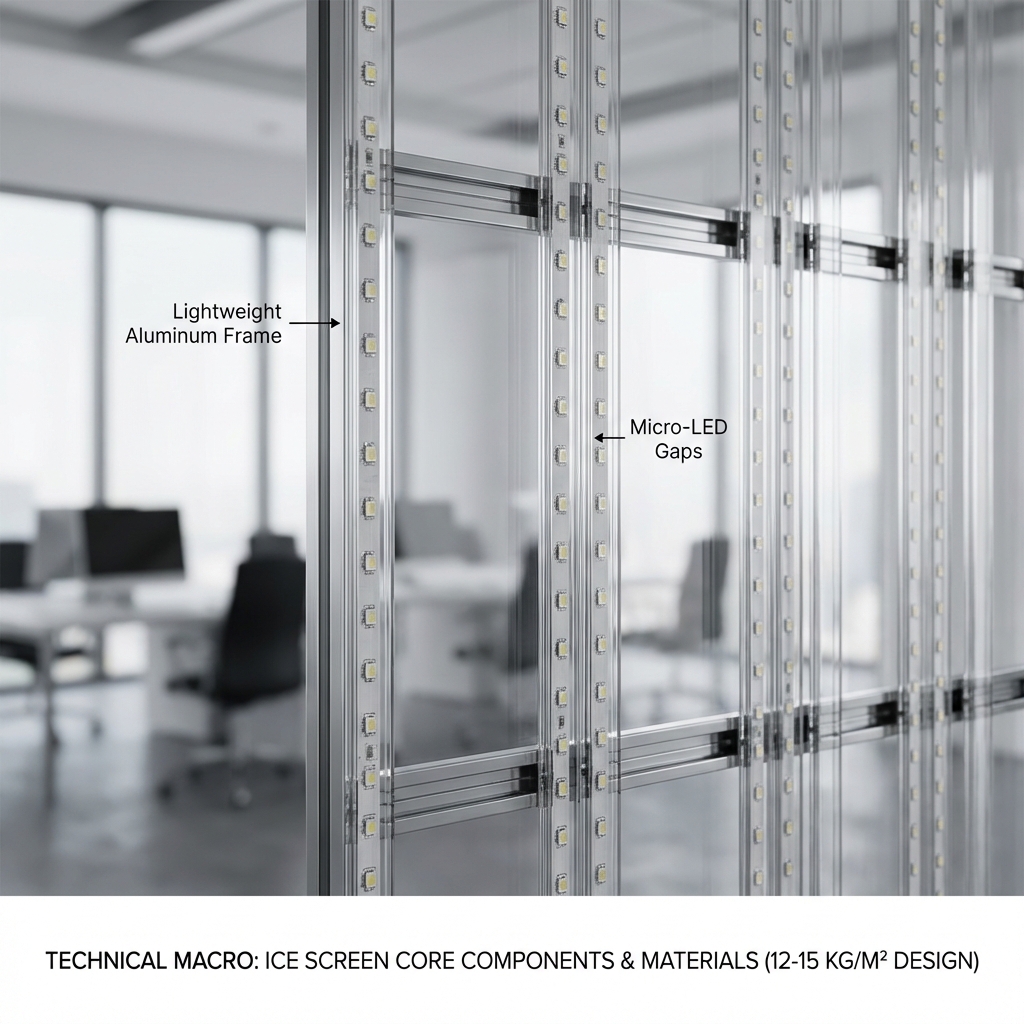
An ice screen, or transparent LED screen, is built differently from its opaque counterpart. Instead of a solid circuit board, it uses a lightweight grid structure, often made of aluminum or polycarbonate. Tiny LED lamps are mounted onto these thin, transparent strips. This design allows light to pass through the gaps, creating the see-through effect. The key is maximizing transparency without sacrificing image quality. High-quality materials ensure durability and clear, bright visuals even in well-lit environments.
The Mechanism Behind the "Holographic" Effect
The "holographic" or transparent illusion comes from this clever construction. When the LEDs are off, the screen is nearly invisible. When they light up, your brain focuses on the bright, vibrant image they create. The background remains visible through the screen, making the content appear as if it's floating. This effect is powerful because it integrates digital content directly into a physical space. It doesn't just show an ad; it transforms the environment.
Energy Efficiency of Advanced LED Technology
A common misconception is that such advanced technology must consume a lot of power. However, ice screens are surprisingly energy-efficient. They use advanced LED technology that requires less energy than many traditional displays. Since only the pixels needed to create the image are lit, power consumption is optimized. This not only reduces operational costs but also aligns with the growing demand for sustainable business practices.
According to Global Market Insights, the transparent display market was valued at around $2 billion in 2023 and is expected to grow at a CAGR of 30% through 2025, highlighting the shift towards more efficient and impactful display solutions.
Ice Screen vs. Traditional LED: A Head-to-Head Comparison
Choosing the right display technology can make or break a project. Both ice screens and traditional LED screens have their place, but their differences are significant. Let's compare them side-by-side to help you decide which is right for your needs.
Visual Impact: Transparency and 3D Content
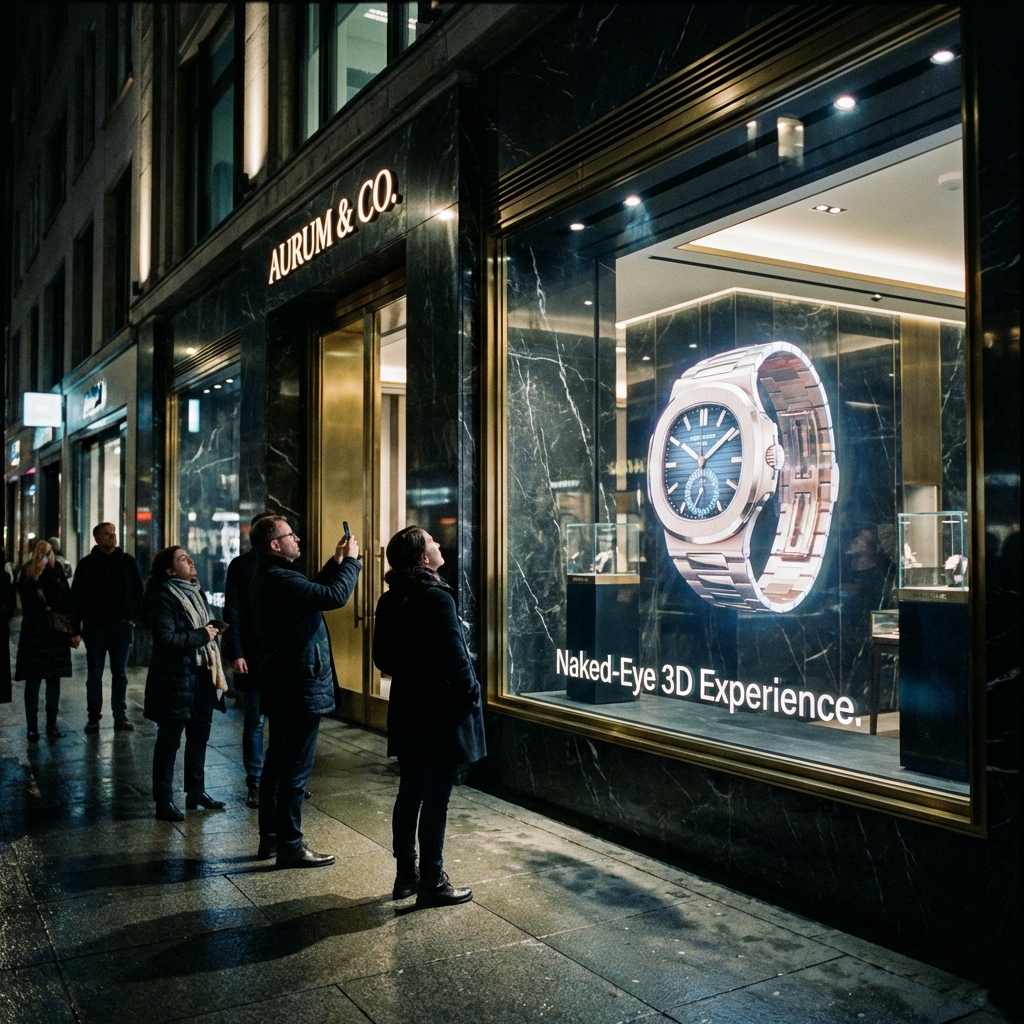
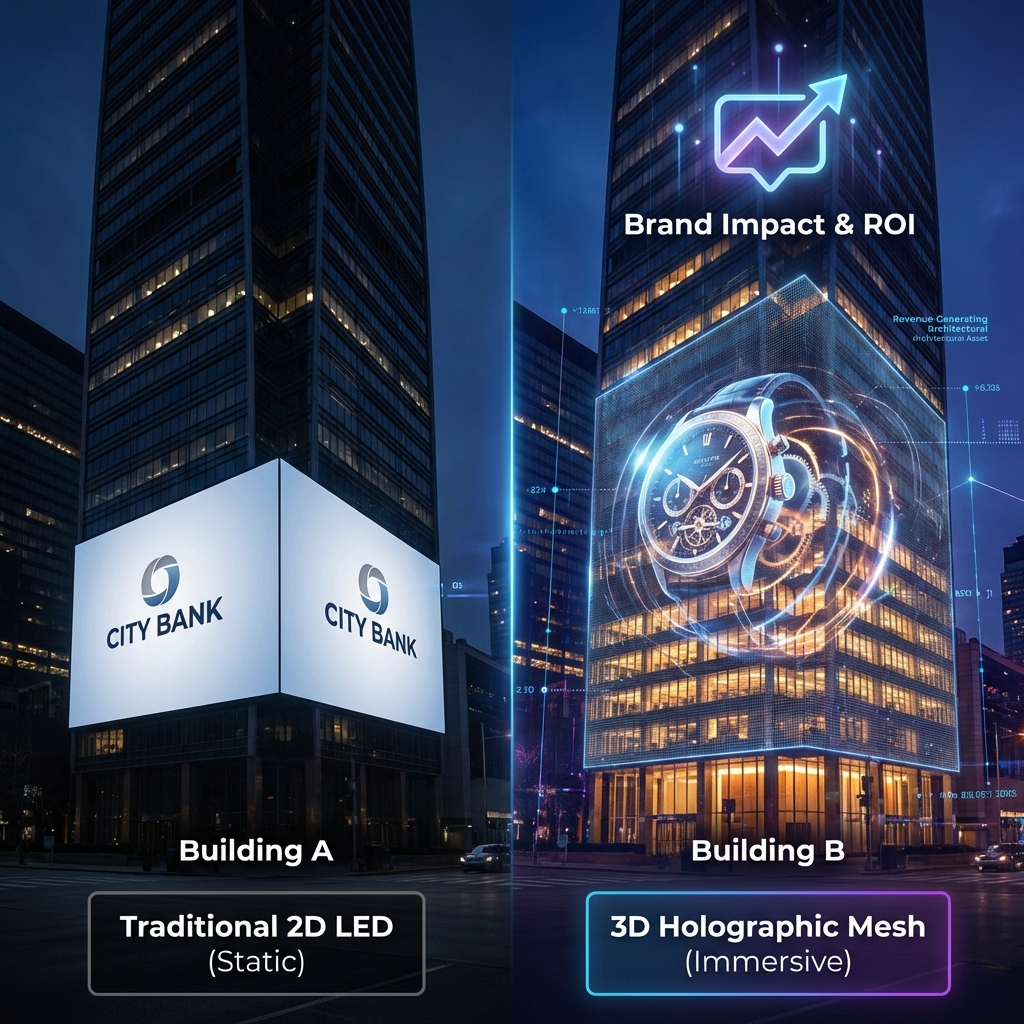
The most obvious difference is transparency. A traditional LED screen is a solid wall of pixels—it's a digital canvas. An ice screen, however, is a transparent window into a new visual dimension. It allows for layered, dynamic presentations where digital content interacts with the physical world behind it. Many ice screens are also designed to support 3D and holographic content, creating an immersive experience that traditional screens simply cannot replicate.
Flexibility and Form Factor
Ice screens offer unparalleled design freedom. They are lightweight and modular, which means they can be customized to fit unique spaces. You can create curved displays, hang them from ceilings, or integrate them into architectural features without heavy support structures. Traditional LED screens are typically heavy, bulky, and require significant structural support, limiting their application to flat, robust surfaces.
For a truly seamless look, plan your ice screen integration during the architectural design phase. This allows the technology to become part of the building's aesthetic rather than an add-on.
Installation and Structural Requirements
Installing a massive, heavy LED wall is a major construction project. It requires reinforced walls and complex mounting systems. In contrast, ice screen installation is often simpler and faster due to its lightweight frame. This reduces both installation time and structural costs, making it a more accessible option for a wider range of venues, including historic buildings or temporary event spaces where structural modifications are not possible.
| Feature | Ice Screen (Transparent LED) | Traditional LED Screen |
|---|---|---|
| Transparency | High (70-95%) | None (Opaque) |
| Weight | Lightweight (12-15 kg/m²) | Heavy (30-50 kg/m²) |
| Visual Effect | Holographic, floating images | Solid, static display |
| Flexibility | Highly customizable (size, shape) | Limited to standard rectangles |
| Installation | Simpler, less structural load | Complex, requires heavy support |
| Best Use Case | Retail windows, atriums, stages | Billboards, stadiums, control rooms |
Key Advantages of Using Ice Screens
So, why are so many businesses turning to ice screens? The benefits go far beyond just looking cool. This technology solves real-world marketing and design challenges, delivering a strong return on investment through enhanced engagement and brand perception.
Enhanced Viewer Engagement
In a world saturated with digital ads, it's hard to capture anyone's attention. Ice screens cut through the noise. Their unique, almost magical appearance makes people stop and look. This "wow" factor translates into higher engagement rates, longer dwell times, and better message retention. Whether it's a stunning product launch animation or an interactive art piece, the content becomes more memorable.
Architectural Integration
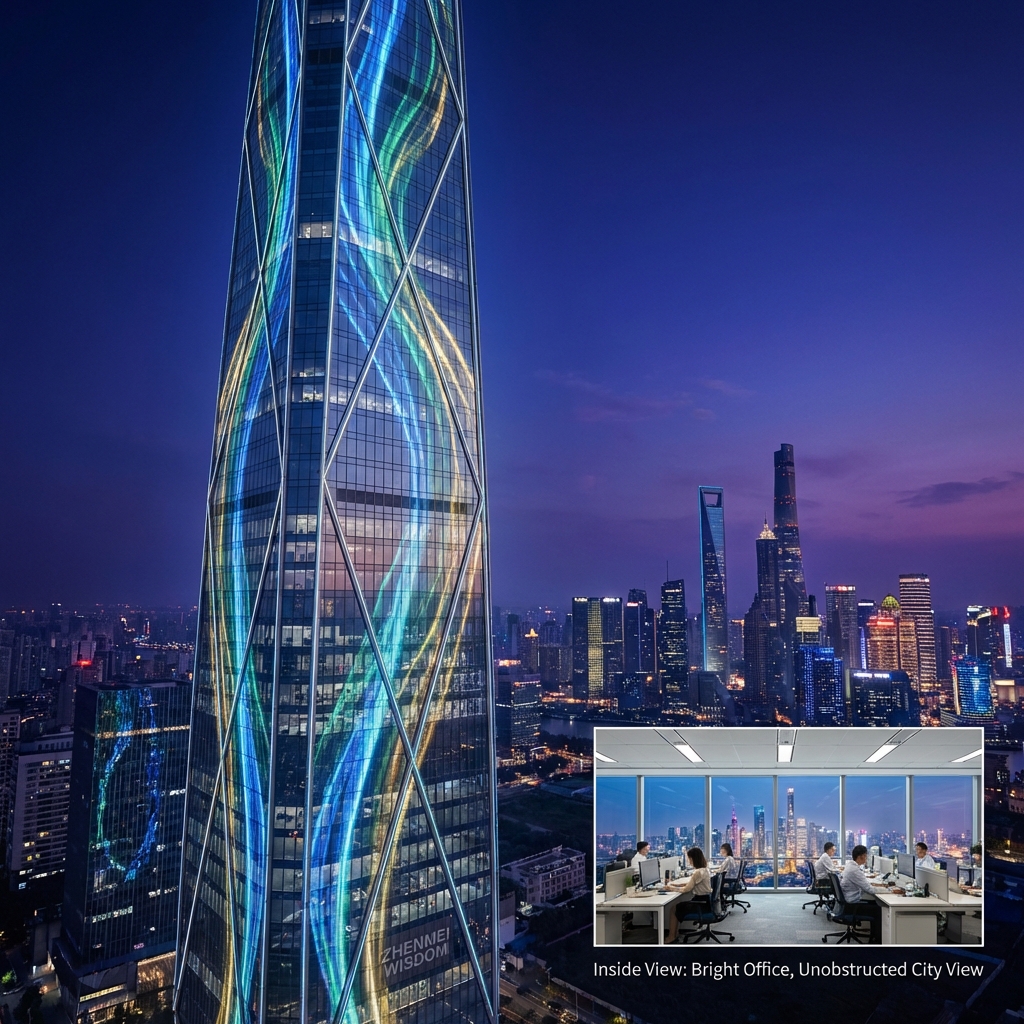
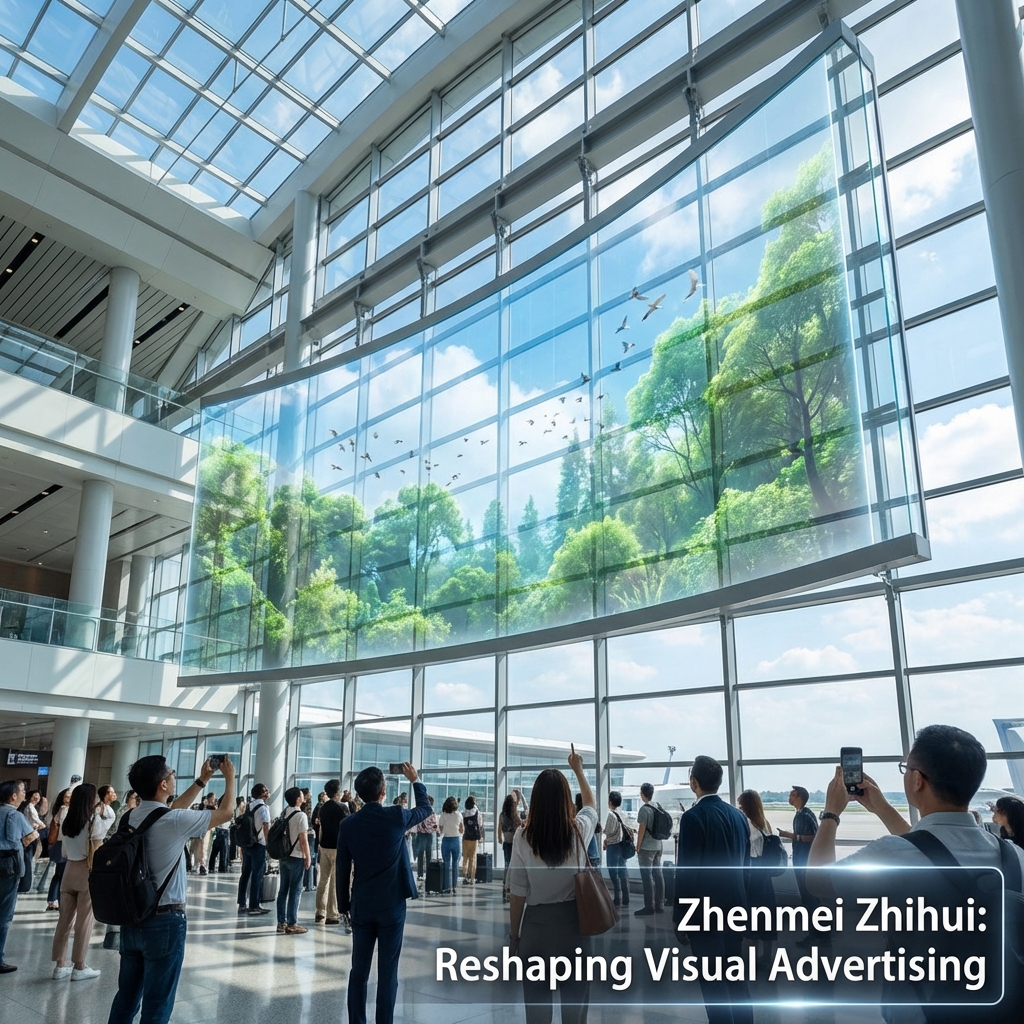
Ice screens don't just occupy a space; they enhance it. Architects and designers love them because they can be integrated into glass facades, lobbies, and atriums without blocking natural light or obstructing views. This allows for the perfect blend of technology and architecture, creating modern, dynamic environments. A building can communicate with its visitors without sacrificing its open, airy design. At Zhenmei Wisdom, we specialize in creating these custom solutions that respect and elevate architectural vision.
Superior Performance in Bright Environments
You might think a transparent screen would struggle in daylight, but the opposite is often true. High-quality ice screens feature bright, powerful LEDs that deliver crisp, vibrant images even in high-ambient-light conditions. This makes them ideal for storefront windows and outdoor-facing installations where traditional projectors or low-brightness screens would be completely washed out. They maintain their stunning visual impact from dawn till dusk.
Frequently Asked Questions About Ice Screens
Here are answers to some of the most common questions we hear about ice screen technology.
What is the typical lifespan of an ice screen?
With proper care and maintenance, a high-quality ice screen can last for 5-7 years or even longer. Lifespan depends on factors like usage hours, operating environment, and adherence to maintenance schedules.
Can ice screens display 3D and holographic content?
Absolutely! Many ice screens are specifically designed to enhance 3D and holographic-style content. The transparency of the screen adds depth, making these effects even more convincing and immersive.
How much does an ice screen cost per square meter?
The cost of an ice screen varies based on pixel pitch (resolution), size, and customization features. Generally, you can expect prices to range from $500 to $1,000 per square meter. It's best to get a custom quote based on your project's specific needs.
What industries benefit most from using ice screens?
Ice screens are incredibly versatile. They are most popular in retail, advertising, live events, museums, and corporate lobbies. Any industry looking to create a high-impact, futuristic brand experience can benefit from this technology.
Why Ice Screens Are Reshaping Visual Advertising
Ice screens are more than just a new type of display; they represent a fundamental shift in how we think about digital communication. By blending the digital and physical worlds, they create experiences that are more engaging, immersive, and memorable. Their transparency, flexibility, and stunning visual impact offer creative possibilities that were once the stuff of science fiction.
If you're ready to transform your space and captivate your audience, it's time to explore the power of transparent display technology. The team at Zhenmei Wisdom is here to help you design the perfect solution for your goals. From our versatile LED Holographic Screen A Series Mobile Floor-Standing Advertising Display to fully custom installations, we provide the expertise and technology to bring your vision to life.