Discover everything about led folie selbstklebend transparent in our 2026 technical guide. We cover materials, applications, pricing, and performance for B2B industries, helping you make informed decisions for your advertising and architectural needs.
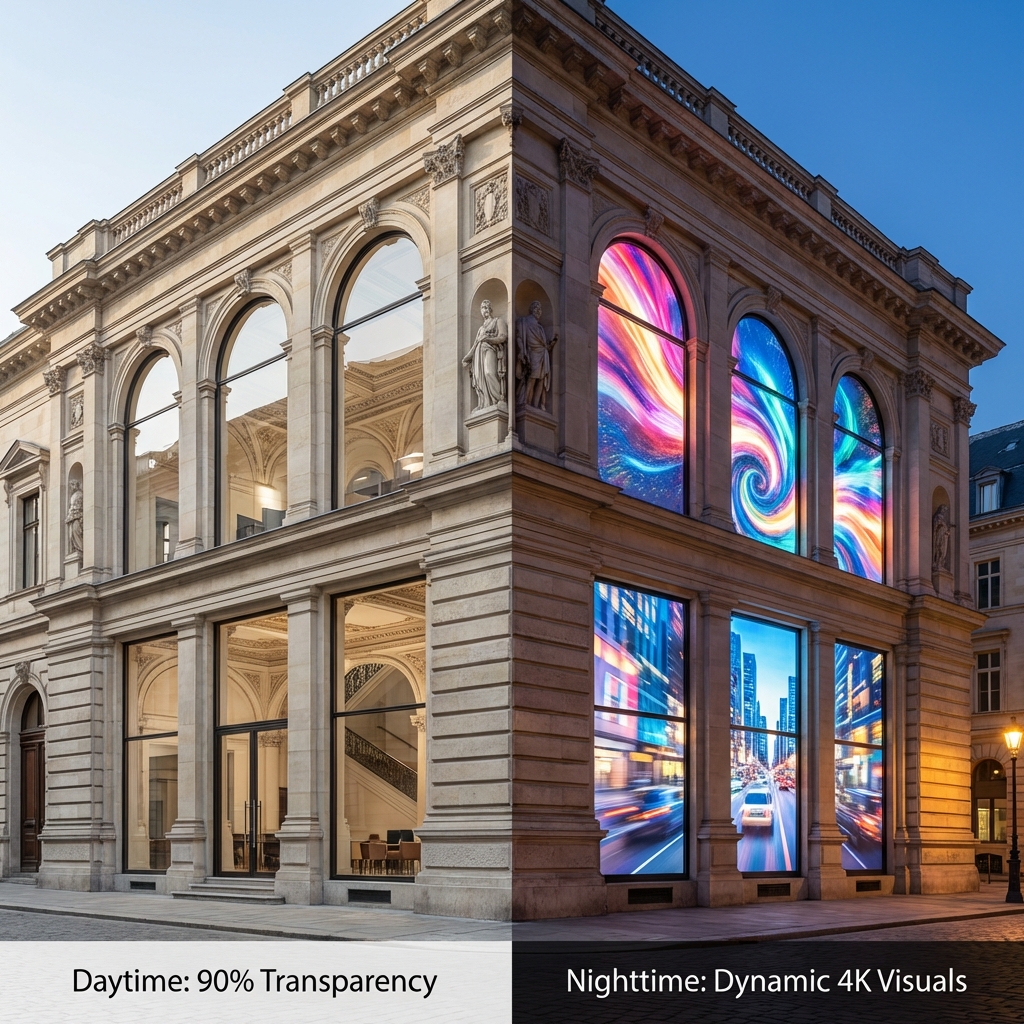
As someone who's spent years in the transparent display industry, I've seen countless projects transformed by the right technology. I remember one client who was hesitant about using LED films on their historic building's facade, worried it would look too modern. But once we installed a custom transparent film, it blended seamlessly, displaying stunning visuals at night without altering the building's daytime aesthetic. It’s these "wow" moments that prove how powerful this technology can be when you understand its full potential.
Quick Answers to Your Key Questions on Transparent Self-Adhesive LED Film
Here are some quick answers to the most common questions about transparent self-adhesive LED films:
What is the typical price range? Prices vary greatly. Standard films can range from $15 to $70 per roll. Specialized films, like those with integrated LEDs, UV resistance, or waterproofing, can cost between $100 and $200 or more, depending on the technology.
Can you print on these transparent films? Yes, but not all of them. You need to look for specific products labeled as
bedruckbare selbstklebende folie transparent(printable self-adhesive transparent film) that are designed to hold ink and produce vibrant graphics.How waterproof and weather-resistant are they? Many high-quality films are designed to be waterproof and weather-resistant, making them suitable for outdoor use. Always check the product's IP (Ingress Protection) rating to confirm its resistance to dust and water.
What is the expected lifespan? The durability depends on the material and exposure to elements. A standard indoor film might last 1-3 years, while a premium, UV-protected outdoor LED film can last from 5 to 10 years or more.
Can they be removed without residue? Yes, most high-quality films use removable adhesives that allow for clean removal without damaging the surface or leaving sticky residue behind.
How do you apply them without bubbles? The key is a slow, steady application. Start from the center and work your way out, using a squeegee or smoothing tool to push out any air pockets.
Are they eco-friendly? It varies. While many are PVC-based, some manufacturers now offer eco-friendly options made from recyclable or biodegradable materials.
What are their main B2B uses? They are widely used in advertising, retail window displays, architectural glass, event staging, and even in the automotive industry for dynamic signage.
What Is Transparent Self-Adhesive LED Film & How Does It Work?
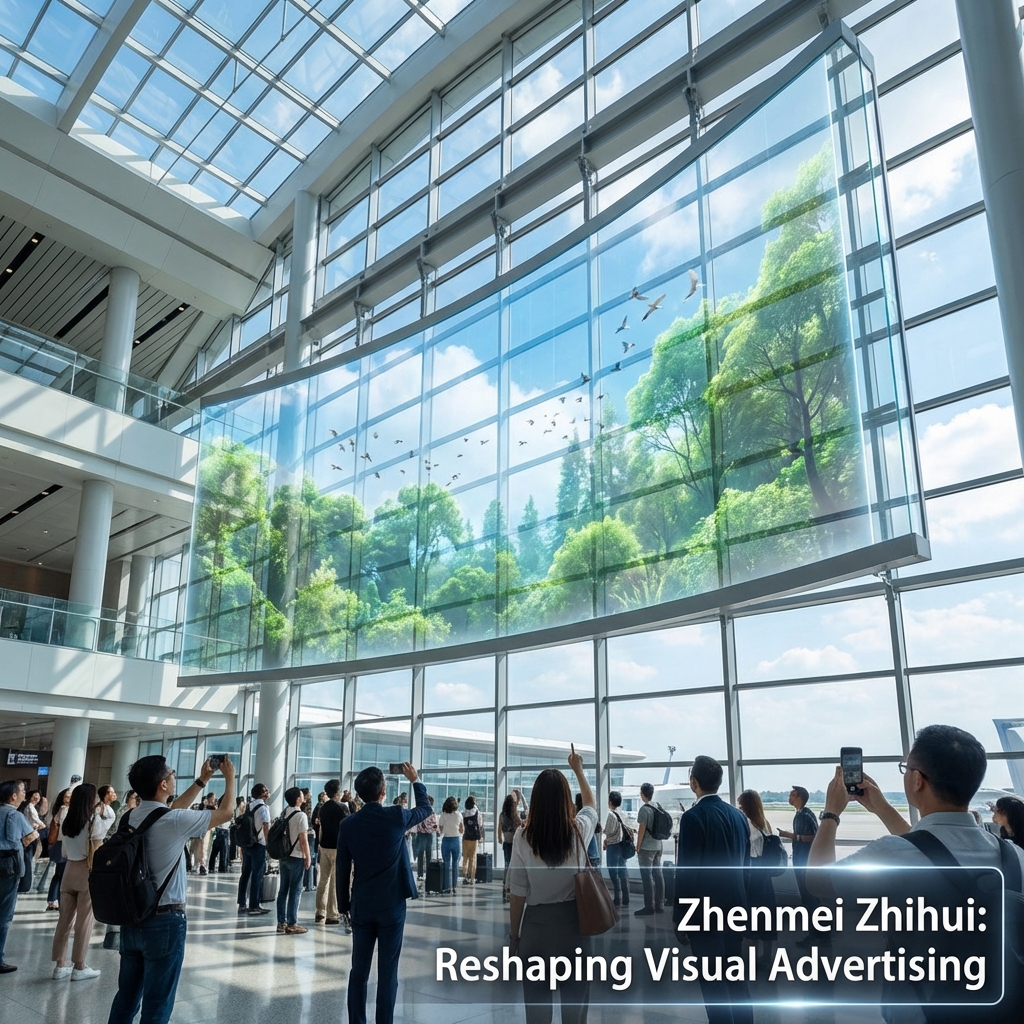
Transparent self-adhesive LED film, or led folie selbstklebend transparent, is a game-changer in the world of digital displays. It’s a thin, flexible sheet that sticks to glass or other smooth surfaces, turning them into dynamic video screens without blocking the view. I've personally seen this technology transform simple storefronts into captivating digital billboards. It's not just a film; it's a window into a new era of advertising.
Core Composition: Deconstructing the Layers of a Self-Adhesive LED Film
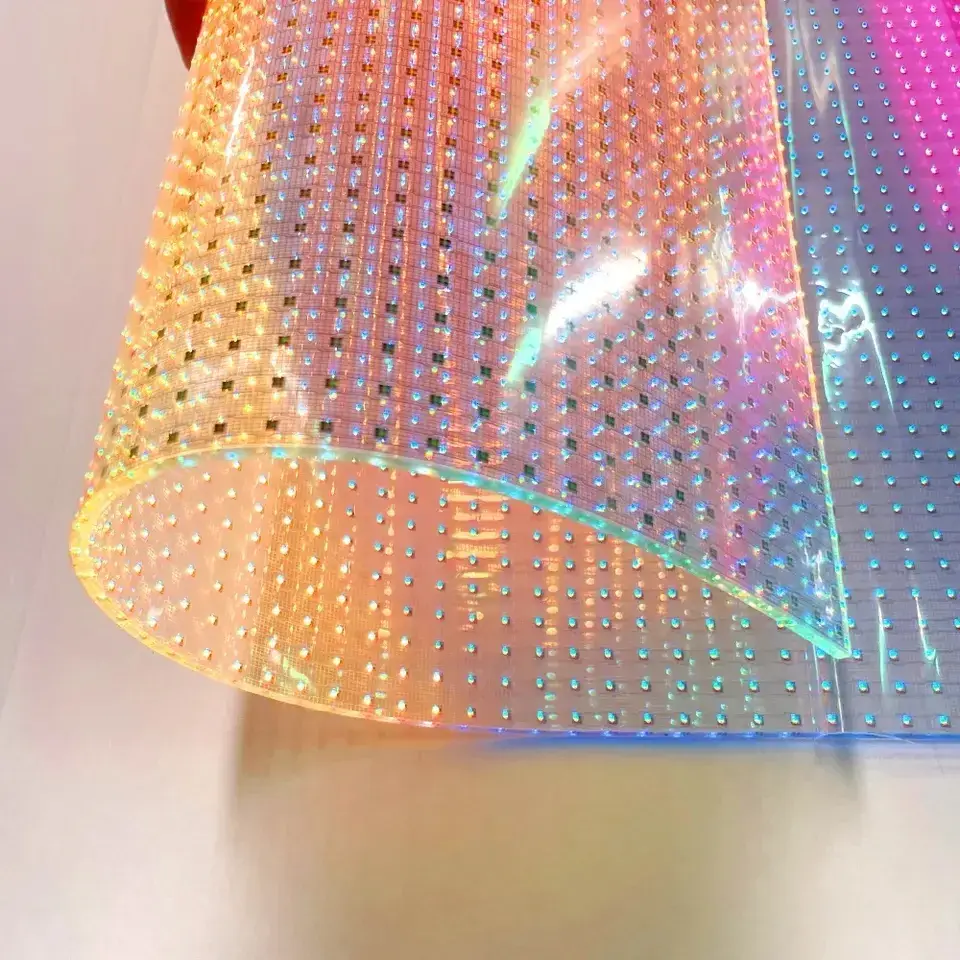
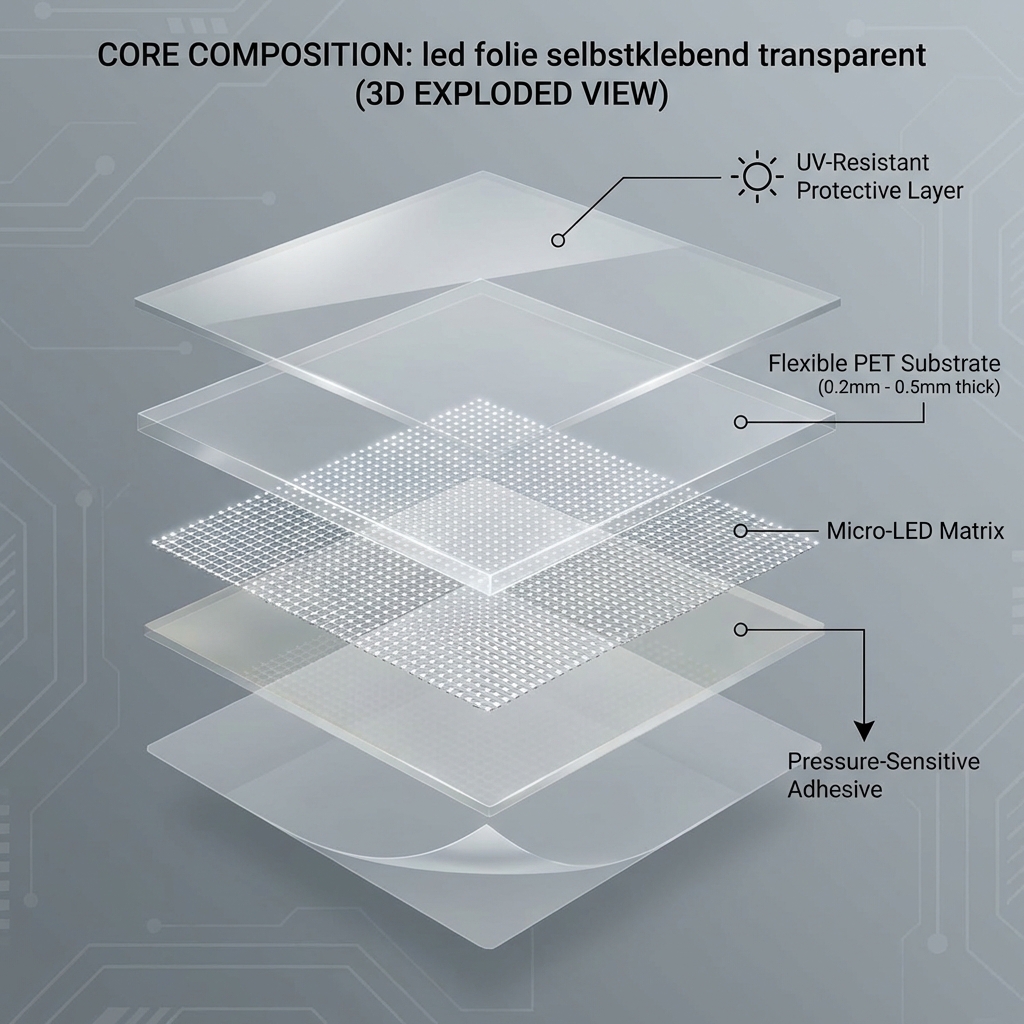
Think of this film as a high-tech sandwich. It's made of several layers, each with a specific job. At its core is a transparent conductive layer, often made from PET (Polyethylene terephthalate), which is both durable and clear. Tiny, almost invisible micro-LEDs are embedded onto this layer. The whole assembly is then protected by outer layers that shield it from UV rays and moisture. Finally, a self-adhesive layer on the back allows for easy installation.
The Science Behind Self-Adhesion: Adhesive Properties and Bonding Mechanisms
The "self-adhesive" part is crucial. These films use a pressure-sensitive adhesive (PSA) that forms a bond when pressure is applied. There are two main types: removable and permanent. Removable adhesives are perfect for temporary campaigns, as they can be peeled off cleanly. Permanent adhesives create a stronger, long-lasting bond for permanent installations. The chemistry behind these adhesives ensures they stick firmly to glass without reacting to temperature changes or sunlight.
From Static Image to Dynamic Display: The Integrated LED Technology Explained
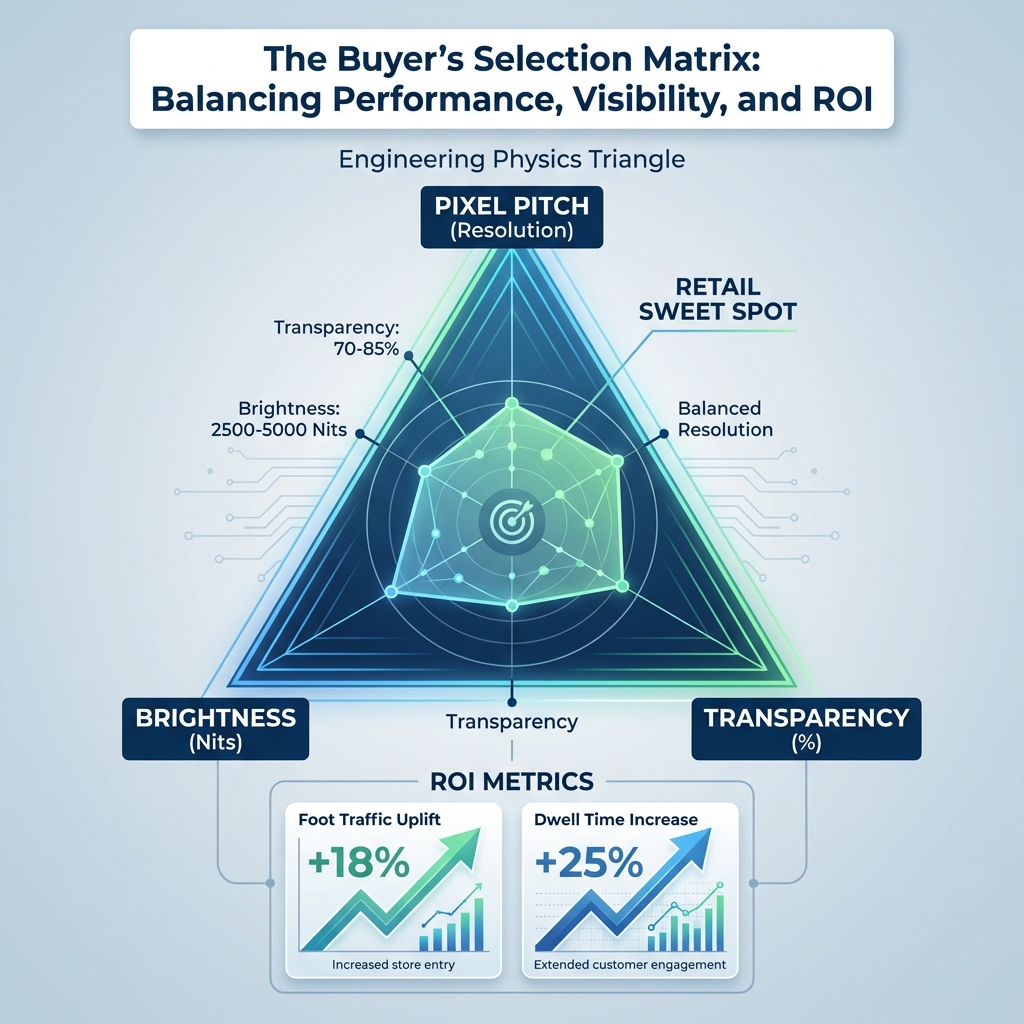
This is where the magic happens. The micro-LEDs embedded in the film are the light source. When an electric current passes through the conductive layers, the LEDs light up. By controlling which LEDs turn on and off, you can create images, text, and full-motion video. Because the LEDs are so small and spaced apart, the film remains highly transparent (often over 85-95%) when the display is off. This allows natural light to pass through, maintaining the open feel of a glass surface.
Technical Deep Dive: Materials and Construction
Understanding what goes into a led folie selbstklebend transparent is key to choosing the right product for your project. The materials used directly impact its transparency, durability, and overall performance. Not all films are created equal, and the subtle differences in their construction can mean the difference between a stunning display and a maintenance headache.
Substrate Materials: A Breakdown of PET, PC, and Other Flexible Adhesive Films
The base material, or substrate, is the film's backbone. The most common material is PET (Polyethylene terephthalate) because it offers an excellent balance of clarity, strength, and cost-effectiveness. Another option is PC (Polycarbonate), which is even more impact-resistant and often used for applications where durability is the top priority. These flexible adhesive films are engineered to be lightweight and easy to handle, allowing them to conform to curved surfaces, which is a huge advantage over rigid glass displays.
Adhesive Technologies: Removable vs. Permanent and Their Chemical Makeup
The adhesive is just as important as the film itself.
Removable Adhesives: These are typically acrylic-based and designed for short-term to medium-term applications. They offer good initial tack but can be removed cleanly after months or even years. This is ideal for retail promotions or seasonal advertising.
Permanent Adhesives: These create a much stronger bond and are intended for long-term installations. They are often used in architectural applications where the display is meant to stay in place for its entire lifespan. The chemical makeup is designed to resist weathering, moisture, and temperature fluctuations.
LED Integration: How Micro-LEDs Are Embedded for Transparency and Durability
The integration of micro-LEDs is a marvel of engineering. The LEDs are incredibly small, sometimes smaller than a grain of sand. They are mounted onto an invisible conductive circuit etched onto the transparent substrate. This process must be precise to ensure that the circuitry doesn't obstruct the view. High-quality manufacturers like Zhenmei Wisdom (ZMLEDs) use advanced techniques to protect these delicate components, ensuring they are resistant to shock, vibration, and environmental factors, which maximizes the display's longevity.
Performance & Durability: What to Expect from High-Quality Films
When investing in a transparent LED film, you need to know it will last. Performance isn't just about a bright picture; it's about how the film holds up over time against sunlight, rain, and daily wear and tear. I've always advised clients to look beyond the initial cost and focus on the long-term value, which is directly tied to the film's durability and protective features.
A key indicator of quality is how a film performs at the extremes. A great film looks just as good on the hottest day of summer as it does during a winter storm.
Understanding Film Thickness and Its Impact on Durability (0.2mm to 0.5mm)
Thickness matters. Generally, transparent LED films range from 0.2mm to 0.5mm. Thinner films are more flexible and can be easier to apply to curved surfaces. However, thicker films typically offer better durability and protection for the embedded LEDs. For outdoor applications or high-traffic indoor areas, a thicker film (around 0.5mm) is recommended as it provides more resistance to scratches and impacts.
Assessing UV-Beständige Folie: How UV Protection Impacts Lifespan and Clarity
UV radiation from the sun is the enemy of most plastics. It can cause materials to become yellow, brittle, and hazy over time. A UV-beständige folie (UV-resistant film) has a special protective top layer that blocks harmful UV rays. This not only preserves the clarity and transparency of the film but also protects the internal electronic components, significantly extending the display's lifespan and ensuring the colors remain vibrant.
Is It Truly a Wasserdichte Folie? IP Ratings and Weather Resistance Explained
For any outdoor or even some indoor applications (like in a spa or pool area), you need a wasserdichte folie (waterproof film). To verify this, look for its IP Rating. An IP rating consists of two numbers. The first indicates protection against solids (like dust), and the second indicates protection against liquids (water). For example, a rating of IP65 means the film is dust-tight and can withstand water jets. This rating is your guarantee that the film is built to survive the elements.
Key Applications: Where Is Transparent Self-Adhesive Film Used?
The versatility of led folie selbstklebend transparent has opened up a world of possibilities across various industries. Because it can turn any glass surface into a digital screen, its applications are limited only by your imagination. From bustling city centers to quiet corporate lobbies, this technology is changing how we interact with physical spaces.
According to the Global Adhesive Film Market Analysis, around 40% of transparent self-adhesive films are projected to be used in B2B sectors by 2025, with advertising being the largest consumer.
Commercial and B2B Use Cases: Advertising, Retail Displays, and Architectural Glass
This is where the technology truly shines.
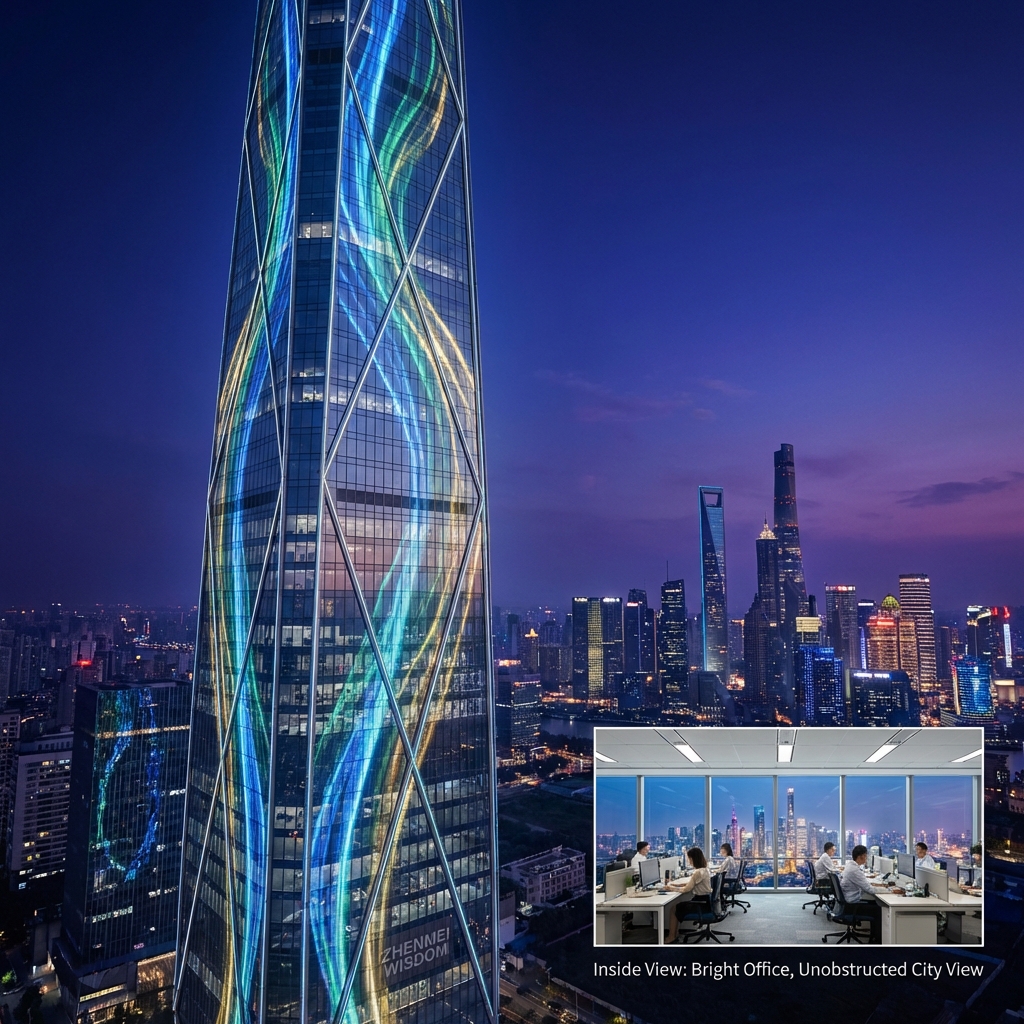
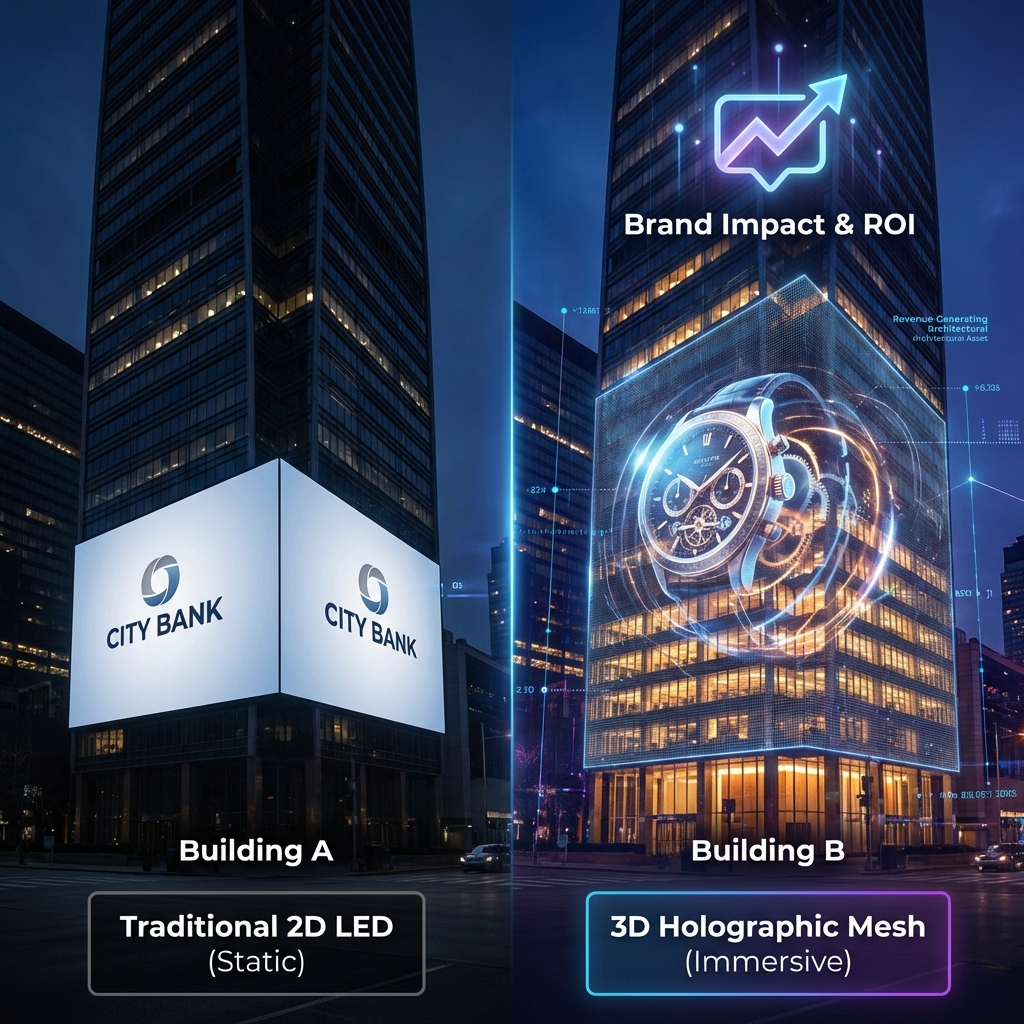
Advertising: Imagine a full-motion video ad on the side of a glass skyscraper, visible for miles but completely transparent from the inside. This is now a reality.
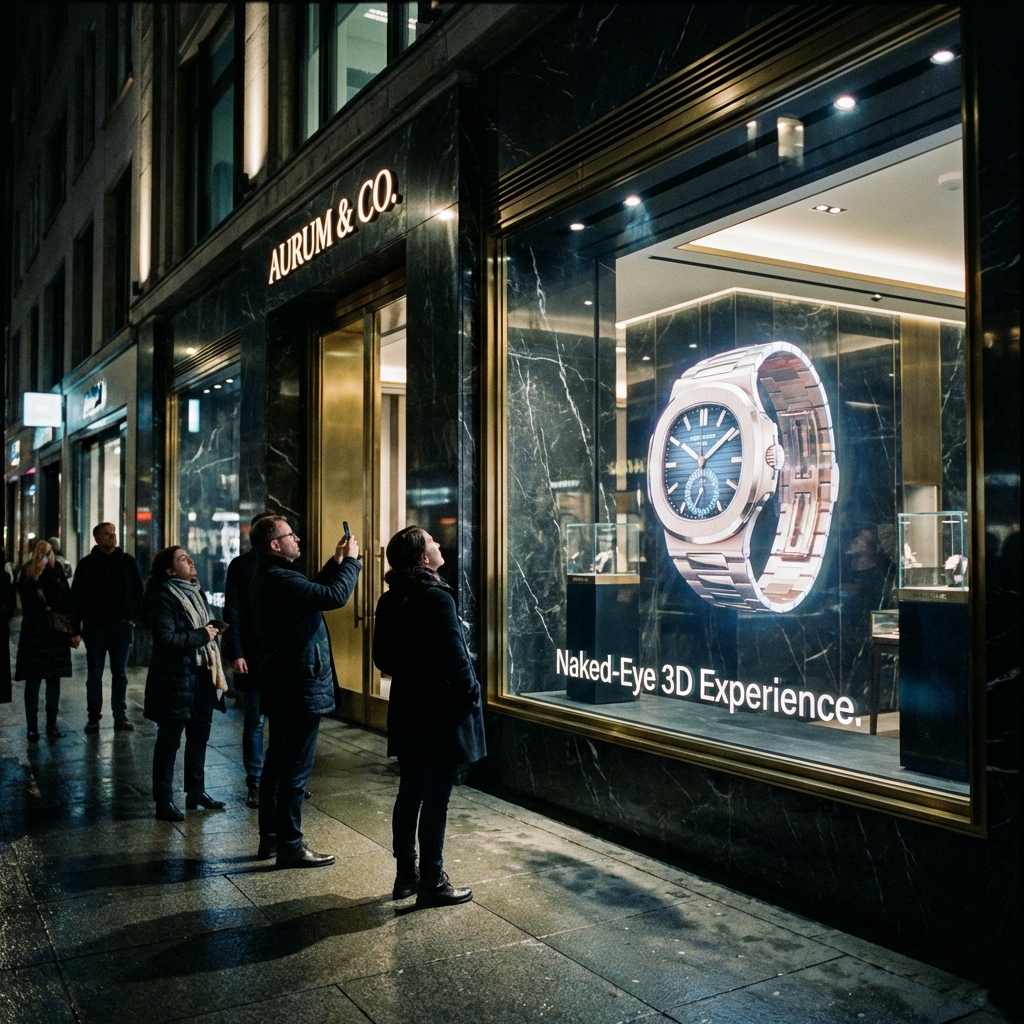
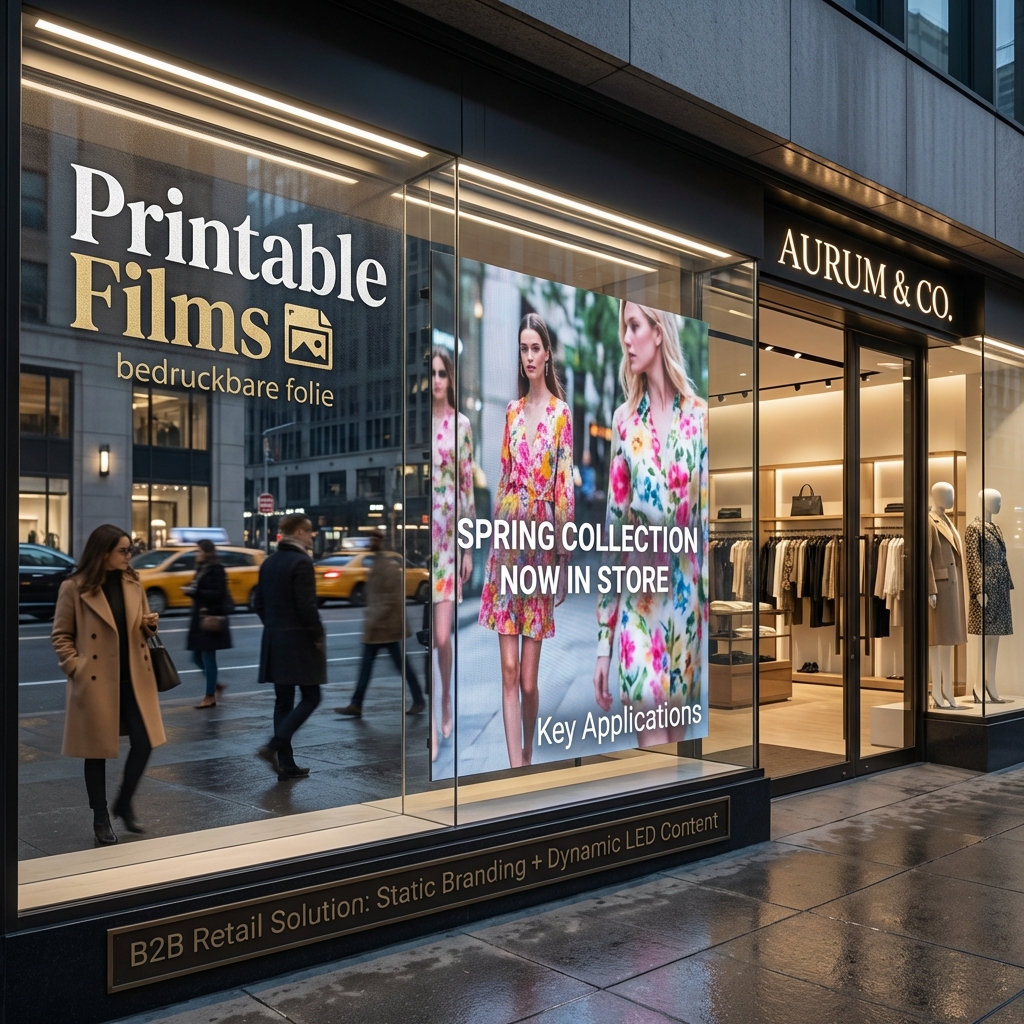
Retail Displays: Storefront windows are no longer just for static mannequins. Retailers use these films to run promotions, showcase new products, and create an engaging experience for passersby. Check out our LED Crystal Film Screen, Soft Film Screen for examples.
Architectural Glass: Architects are integrating these films into building designs to create media facades, interactive glass partitions in offices, and dynamic art installations.
Specialized Applications: Automotive, Event Staging, and Product Packaging
The use cases extend beyond buildings. In the automotive sector, these films are being explored for car windows to display information or advertisements. For event staging, they create stunning holographic-like effects and transparent backdrops that can switch from clear to a full video wall in an instant. Even product packaging is seeing innovation, with concepts for high-end products featuring small, transparent displays on the box.
Printable Films (Bedruckbare Folie): Creating Custom Graphics and Signage
While LED films are for dynamic content, the non-LED bedruckbare folie (printable film) is perfect for static graphics. These films allow you to print high-resolution images that can be applied to windows or other surfaces. You can combine a printable film with an LED film for a layered effect—for example, a company logo that is always visible, with dynamic video playing around it. This hybrid approach offers incredible creative freedom.
The Transformative Potential of Transparent Self-Adhesive LED Film
We've covered the technical details, the materials, and the exciting applications of led folie selbstklebend transparent. This technology is more than just a passing trend; it's a fundamental shift in how we merge the digital and physical worlds. It offers a unique way to communicate, advertise, and design spaces without sacrificing natural light or transparency.
Key Takeaways: A Summary of Technical Benefits and Applications
Versatility: Can be applied to almost any glass surface, flat or curved.
Transparency: Maintains clear views and allows natural light through.
Dynamic Content: Turns static surfaces into vibrant video displays.
Durability: High-quality films are built to be waterproof, UV-resistant, and long-lasting.
Why ZMLEDs is a Trusted Partner for Innovative Transparent Display Solutions
As you explore this technology for your business, partnering with an expert is crucial. Companies like Zhenmei Wisdom (ZMLEDs) are at the forefront of this industry, specializing in high-quality LED transparent and holographic solutions. With a focus on R&D and manufacturing, they provide customizable, reliable products that meet the demanding needs of B2B clients globally. Their expertise ensures that you're not just buying a product, but a complete, well-supported solution.
Ready to transform your space? Contact us today to learn how our transparent LED film screens can bring your vision to life.