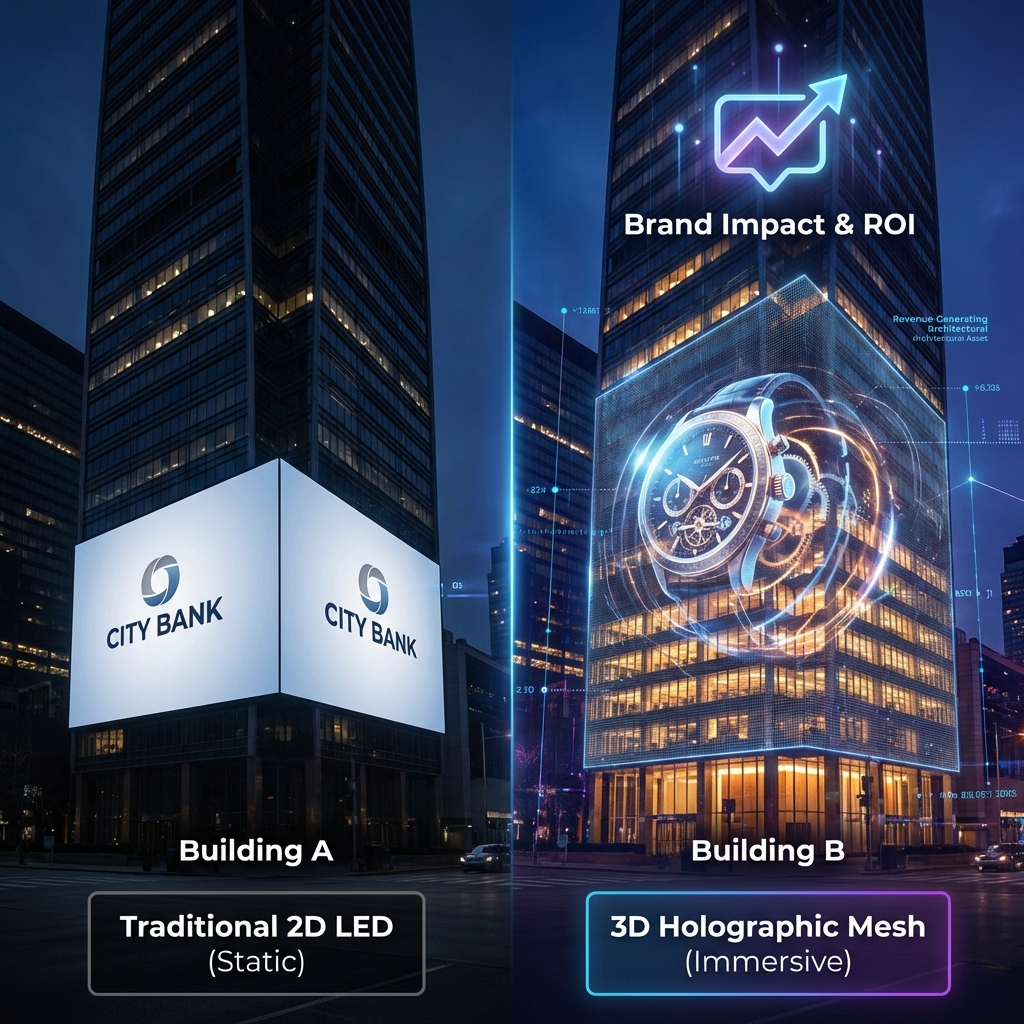
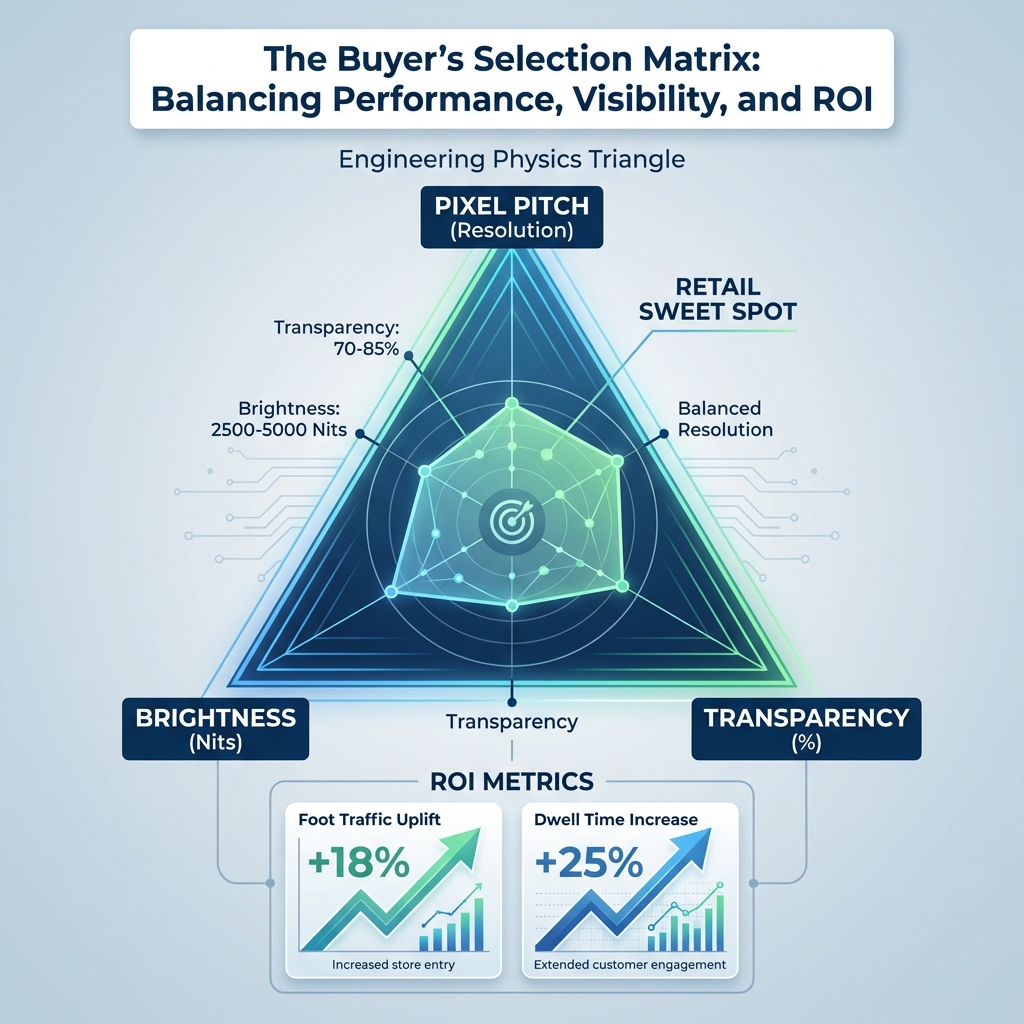
I’ve spent years in the display industry, and one question pops up more than any other: "Are those cool floating displays actually 3D?" It's a fantastic question because what you see is so convincing, it feels like magic straight out of a sci-fi movie. But the truth is a fascinating blend of clever engineering and human biology. This technology isn't just about grabbing attention; it’s about creating an unforgettable experience that makes people stop and stare.
In this deep dive, we'll pull back the curtain on holographic LED display technology. We'll explore how these devices work, whether they're "true" 3D, and how they are revolutionizing industries from retail to entertainment. Let's get started.
LED Holographic Screens vs. True 3D
Here are some quick answers to the most common questions about LED holographic screens:
What's the difference between an LED holographic display and a true 3D hologram?LED holographic displays create a 2D image that appears to float, simulating a 3D effect. True holograms are complex 3D recordings of light fields.
Can you see holographic effects with the naked eye?Yes! The biggest advantage of naked-eye holograms created by these LED devices is that you don't need any special glasses to experience the stunning 3D effect.
Are commercial 3D holographic displays available for businesses?Absolutely. Businesses are widely adopting them for advertising, trade shows, and product launches to create memorable brand experiences.
How do these displays create images?They use a principle called Persistence of Vision (POV), where rapidly spinning LED blades trick your brain into seeing a complete, solid image.
Is the effect truly 3D?Technically, it's a 2.5D or pseudo-3D effect. It provides a strong illusion of depth but isn't a true volumetric 3D object you can walk around.
What are the main advantages?They are incredibly eye-catching, offer high brightness, are cost-effective compared to true holographic tech, and significantly boost audience engagement.
Can they be customized?Yes, solutions like those from ZMZM (Shenzhen ZMZM-LED Co., Ltd.) can be tailored in size and form, from wall-mounted units to freestanding displays.
What Are LED Holographic Screens and How Do They Work?
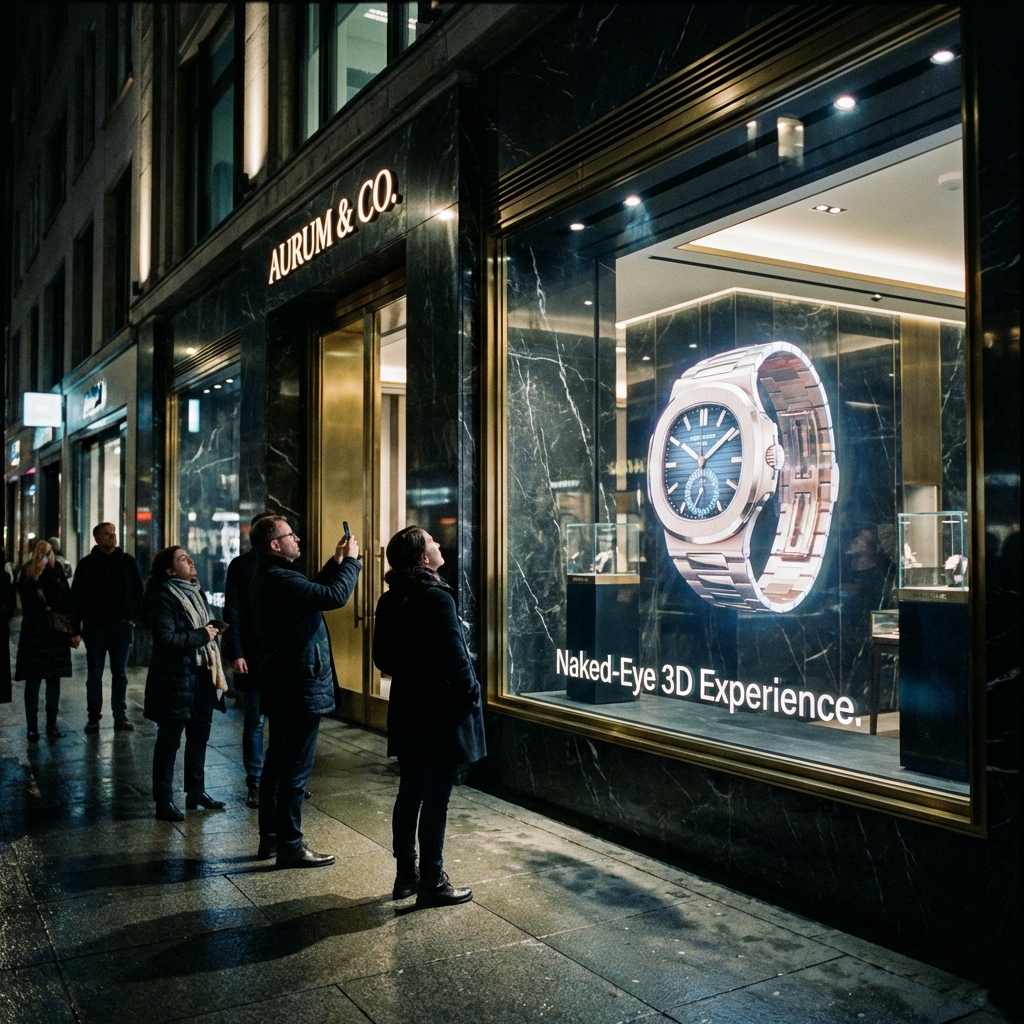
At first glance, an LED holographic screen looks like a simple fan. But once it powers on, a stunning, vibrant image appears to float in mid-air. This seemingly magical effect is grounded in a clever application of science and engineering. It's not a true hologram in the classic sense, but it’s an incredibly effective illusion that captivates audiences. Let's break down how this 3D holographic technology works.
Defining the Core Mechanism: Persistence of Vision (POV) Technology
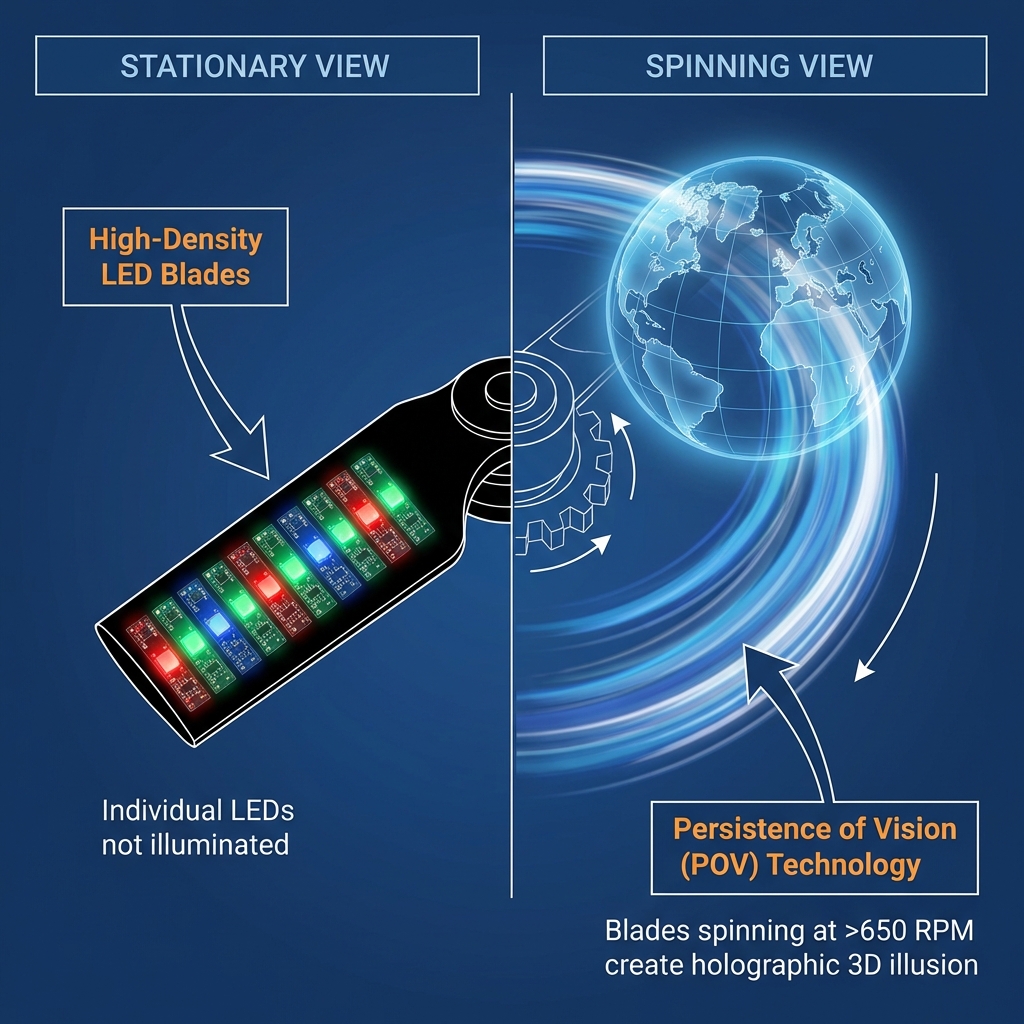
The secret sauce behind LED holographic screens is a biological phenomenon called Persistence of Vision (POV). Your eyes and brain retain an image for a fraction of a second (about 1/25th of a second) after the source is gone. When a series of images are shown in rapid succession, your brain blends them together, perceiving them as a single, continuous moving picture. This is the same principle that makes movies and flipbooks work. An LED holographic fan spins its blades, which are lined with tiny, programmable LEDs, at a very high speed. As they spin, the LEDs flash on and off at precise moments, painting slices of an image in the air. Because they move so fast, your brain doesn't see the spinning blades—it only sees the complete, stable image they create.
The Role of High-Speed Spinning LED Fans in Creating Images
The device itself is an engineering marvel. It consists of one or more blades embedded with a dense array of RGB LEDs. A powerful, quiet brushless motor spins these blades at speeds often exceeding 650 rotations per minute. This high rotational speed is crucial; if it were too slow, you'd see the individual blades and the effect would be ruined. The combination of speed and precisely timed LED illumination is what makes the hardware disappear and the content come to life. The result is a bright, high-resolution image that seems to defy gravity.
From Digital Content to a Floating Visual: A Step-by-Step Process
Bringing a visual to life on a holographic screen is a straightforward process:
Content Creation: First, a 3D animation or video is created. For the best effect, this content is designed with a black or transparent background, which makes the subject appear to float.
Processing: The video file is loaded into specialized software that slices it into a sequence of images corresponding to the precise position of the spinning LED blades.
Transmission: This data is sent to the display's internal controller, typically via WiFi or an SD card.
Display: The motor starts spinning the blades. The controller then tells each individual LED when to light up and in what color as it passes through each point in its rotation. Your brain then stitches these rapidly moving points of light together into the final, stunning "holographic" visual.
Debunking the Myth: Are LED Holographic Screens Truly 3D?
This is the core of our discussion. While the industry and consumers alike call them "holographic," it's important to understand the technical distinction. The visuals produced by these LED devices are breathtaking and appear three-dimensional, but they are not true holograms. Instead, they are a masterful illusion that leverages technology and human perception to create an incredibly similar and commercially viable effect.
Understanding the Illusion: How 3D Effects Are Simulated
LED holographic screens create what is best described as a 2.5D or pseudo-3D effect. The image itself is flat (2D), but because it's transparent and appears to float in space, it gains a sense of depth that our brains interpret as 3D. The content is designed to enhance this illusion, often featuring rotating objects or animations that move toward and away from the viewer. However, unlike a true 3D object, you can't walk around it and see the back of it. The image is projected on a 2D plane that is simply spinning in a circle. It's an illusion, but a powerful and highly effective one for capturing attention.
Comparing with True Holographic Technology Based on Light Interference
True holography is a much more complex and fundamentally different technology. It was invented by physicist Dennis Gabor in 1947. A true hologram is a physical recording of an interference pattern which uses diffraction to reproduce a 3D light field. This results in an image that has parallax—meaning you can look around it from different angles and see it as you would a real object. This process requires lasers, precise optical setups, and special photographic plates. While true holographic technology is advancing, it is currently far more expensive, less bright, and less practical for the kind of large-scale commercial advertising where LED holographic screens excel.
Why These Displays Are Often Called 'Holographic' in the Industry
So, why the "holographic" label? The term has been adopted by the marketing and tech industries because the visual effect is the closest and most commercially accessible thing to the holograms we've all seen in science fiction. It effectively communicates the key benefit: a futuristic, glasses-free 3D visual that floats in mid-air. While technically a misnomer, "holographic" has become the common industry term for this type of POV display technology because it perfectly captures the viewer's experience.
The Technology Behind Holographic Projection Screens
Beyond the core principle of POV, the quality and impact of an LED holographic display depend on the sophisticated technology packed into it. The hardware components, materials, and software systems all work in concert to produce seamless, bright, and engaging visuals. From the density of the LEDs to the intelligence of the control system, every element plays a critical role in the final output.
Key Components: High-Density LED Blades, Brushless Motors, and Control Systems
The heart of the device is a set of carefully engineered components:
High-Density LED Blades: The resolution and brightness of the image are directly tied to the number of LEDs on the blades. Premium models feature a high density of tiny RGB LEDs, allowing for sharper details and more vibrant colors.
Brushless Motors: These are essential for smooth, quiet, and reliable operation. A high-quality brushless motor can run for thousands of hours without maintenance, ensuring the display is stable and the illusion isn't broken by noise or vibration.
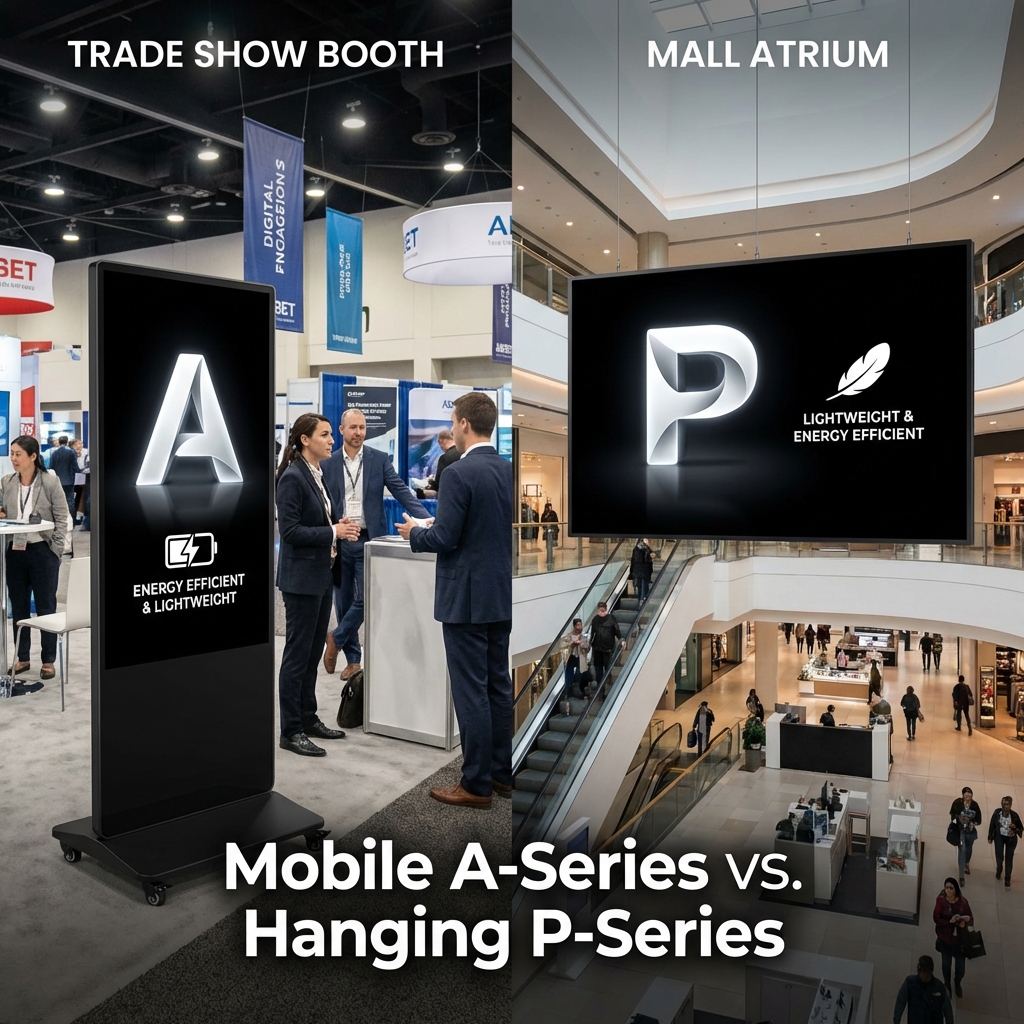
Control Systems: A sophisticated onboard processor and control system manage everything. It synchronizes the LED timing with the motor's rotation with microsecond precision and handles content playback. Modern systems also include WiFi connectivity for easy content updates and multi-device synchronization to create large video walls. Our LED Holographic Screen M-Series is a prime example of these components working together seamlessly.
Material Deep Dive: Examining the Specialized Films and Coatings Used
While the LEDs create the light, the materials used for the blades and protective covers also matter. The blades are typically made from a durable, lightweight composite material to minimize stress on the motor. Many displays also come with protective covers or shells, which are often made from transparent polycarbonate or acrylic. These covers not only ensure safety but can also be treated with anti-reflective coatings to reduce glare and enhance the perceived contrast of the holographic image, making it pop even in well-lit environments.
How Do Smart 3D Holographic Displays Add Interactive Capabilities?
The next evolution in this technology is interactivity. Smart 3D holographic displays are emerging that integrate sensors like motion detectors or gesture control cameras. This allows viewers to interact with the holographic content. Imagine changing a holographic product's color with a wave of your hand or triggering a specific animation by walking past the display. This transforms passive viewing into an active, engaging experience, making it an even more powerful tool for marketing and education.
Impact on Audience Engagement: A Data-Driven Look
The primary reason businesses invest in holographic advertising technology is its unparalleled ability to capture and hold audience attention. In a world saturated with digital screens, a floating 3D image is a powerful pattern-interrupt that makes people stop and look. This isn't just an assumption; industry data consistently shows a significant impact on key marketing metrics.
Analyzing the Advantages of 3D Holographic Displays in Advertising
Traditional digital signage can often blend into the background. Holographic displays, on the other hand, are a novelty that demands attention. Their unique visual appeal makes them ideal for showcasing products, logos, or promotional messages in a way that is simply unforgettable.
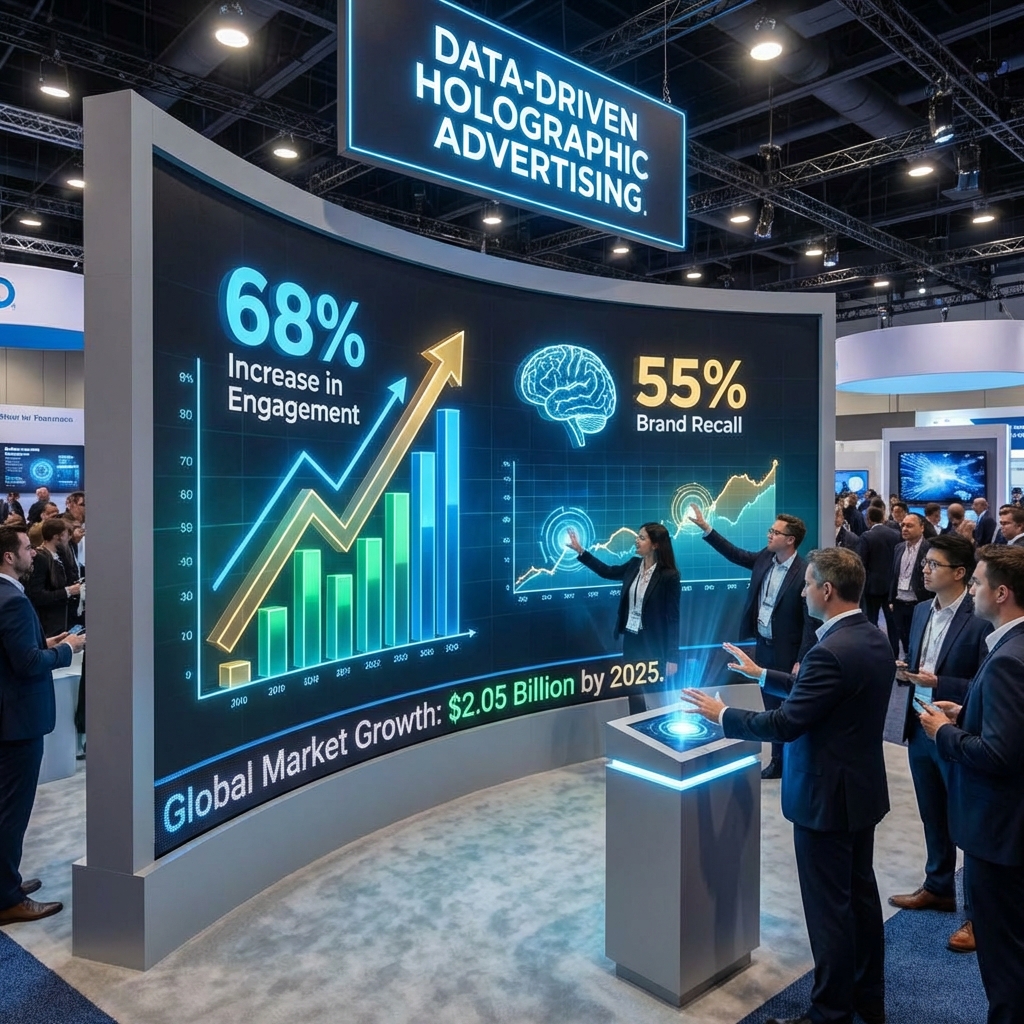
According to a 2024 report on holographic displays in retail, businesses using this technology reported a 68% increase in customer engagement and a 55% boost in brand recall compared to traditional 2D displays.
This data highlights a clear advantage: holographic content is not just seen, it's remembered. For businesses looking for a competitive edge, this is a game-changer. Our LED Holographic Screen A-Series is designed specifically for these high-impact advertising applications.
How Interactive Holographic Displays Enhance Customer Experience
When you add interactivity to the mix, the experience becomes even more profound. Interactive holographic displays invite customers to play and explore, creating a personal connection with the brand. This is particularly effective in retail, where a customer could, for example, interact with a holographic model of a watch, viewing it from different angles before ever touching the physical product. This "gamification" of the shopping experience not only increases dwell time but also creates a positive emotional association with the brand, driving both sales and loyalty.
Global Holographic Display Market Trends (2023–2025)
The commercial appeal of this technology is reflected in its rapid market growth. The technology is becoming more accessible, more powerful, and more versatile, leading to wider adoption across various sectors.
The global holographic display market is projected to grow significantly. A report from MarketsandMarkets shows the market value is expected to rise from $1.5 billion in 2023 to over $2.05 billion by 2025.
| Year | Market Value (USD Billion) | Growth Rate |
|---|---|---|
| 2023 | 1.5 | 15% |
| 2024 | 1.75 | 17% |
| 2025 | 2.05 | 18% |
| Source: Global Holographic Display Market Analysis, MarketsandMarkets, 2023 |
This strong growth trajectory indicates that businesses are seeing a real return on their investment and that holographic displays are moving from a niche novelty to a mainstream marketing tool.
Real-World Applications of Holographic Advertising Technology
The versatility of LED holographic screens allows them to be deployed in a wide range of environments, each time creating a unique and memorable impact. From dazzling shoppers in a mall to drawing crowds at a massive trade show, the applications are limited only by creativity. These displays are not just for big-budget events; scalable solutions are making them accessible for various business needs.
Case Study 1: Transforming Retail Spaces with Dynamic Product Showcases
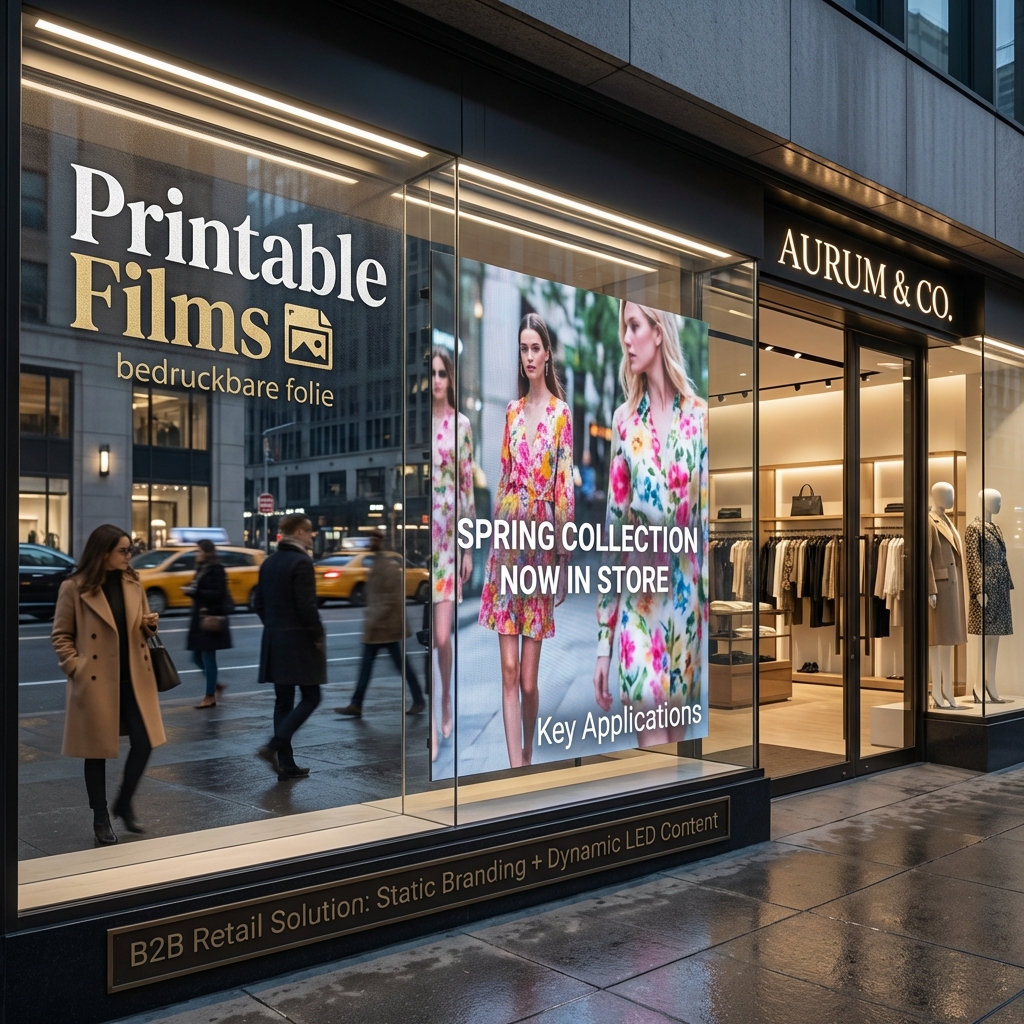
In the competitive world of retail, grabbing a shopper's attention is half the battle. High-end jewelers, luxury car showrooms, and flagship sneaker stores are using holographic displays to showcase their products in a futuristic way. Imagine a detailed, rotating 3D model of a new sneaker floating in the store window, or a sparkling diamond ring spinning in mid-air. This not only highlights the product's features in stunning detail but also creates an upscale, modern ambiance that elevates the entire brand image. It’s a powerful tool to stop foot traffic and draw people into the store.
Case Study 2: Captivating Audiences at Exhibitions and Trade Shows
Trade show floors are notoriously crowded and competitive. A holographic display is a guaranteed way to make a booth stand out. Companies use them to display complex product animations, company logos, or data visualizations that would be less impactful on a traditional screen. By synchronizing multiple units, businesses can create large, seamless "holographic walls" that deliver a massive "wow" factor. This visual spectacle not only attracts visitors to the booth but also serves as a memorable talking point, ensuring the brand stays top-of-mind long after the event is over.
Case Study 3: Innovative Use in Public Spaces and Entertainment Venues
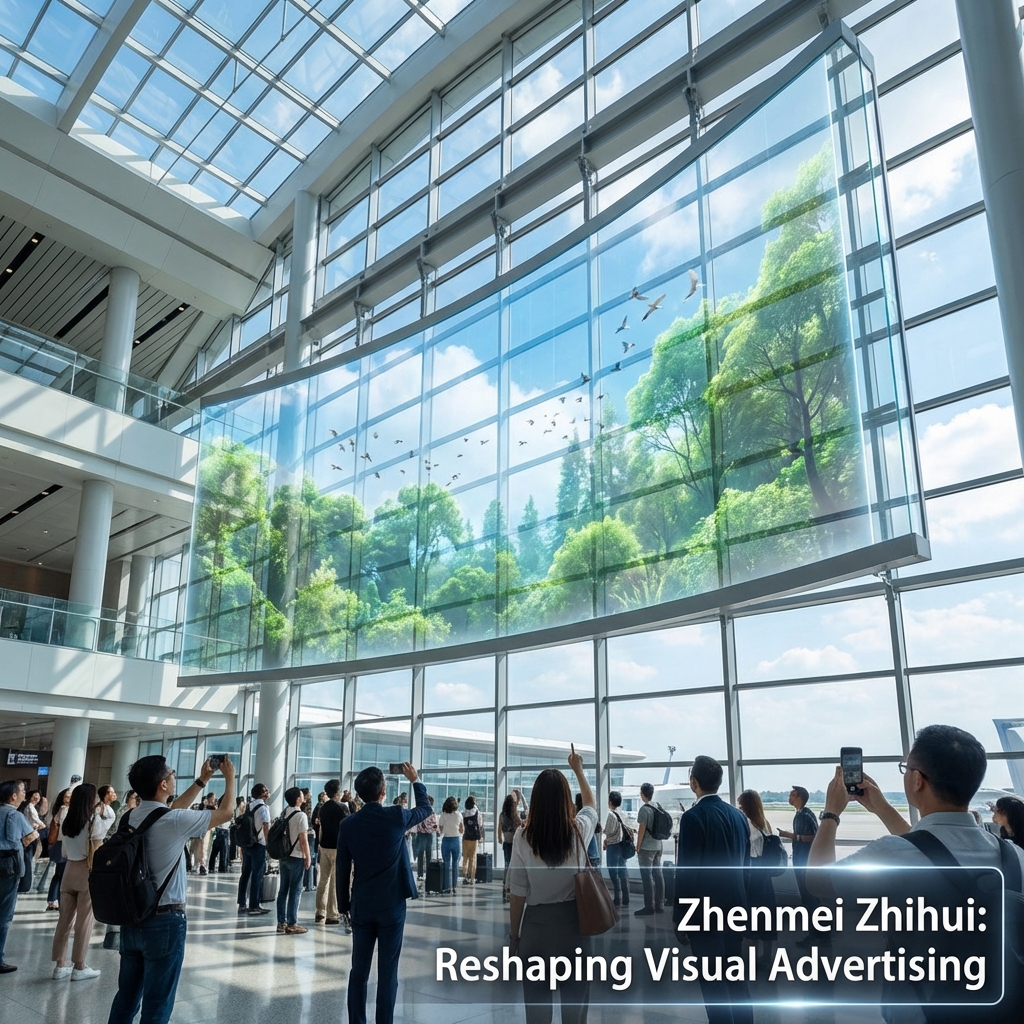
Beyond retail and exhibitions, holographic displays are finding homes in museums, airports, hotel lobbies, and even concert venues. A museum might use a holographic display to reconstruct an ancient artifact, allowing visitors to see it from all sides without endangering the real object. An airport could use them for futuristic wayfinding or advertising. In entertainment, DJs and artists have incorporated them into their live shows to create stunning stage effects. The LED Holographic Screen P-Series, with its portability, is perfect for such temporary and event-based installations.
To get the most out of your holographic display, focus on creating custom 3D content. Generic animations are good, but content that is unique to your brand and product will create a much stronger and more memorable impression on your audience.
Frequently Asked Questions
How do holographic displays create 3D images?They use rapidly spinning blades with LEDs, a principle called Persistence of Vision (POV). The LEDs flash at precise moments to "paint" an image in the air. While the image is 2D, its floating, transparent nature creates a powerful illusion of 3D depth.
What is a looking glass 3D hologram and how does it differ?A Looking Glass display is a different type of technology. It's a true volumetric, light-field display that creates a genuine 3D image inside a glass block, which can be viewed from multiple angles without glasses. It's more technologically complex and different from LED fan-type displays, which create a 2.5D illusion.
What are the primary advantages of using a 3D holographic display over traditional screens?The main advantages are:
Superior Attention-Grabbing Power: The unique floating effect is far more eye-catching than a flat screen.
Higher Engagement & Brand Recall: Viewers are more likely to remember a brand or product seen on a holographic display.
Glasses-Free 3D: It provides a 3D experience to a wide audience without the need for special eyewear.
Futuristic Brand Image: Using this technology positions a brand as modern and innovative.
The Power of Perceived 3D in Modern Displays
So, are LED holographic screens really 3D? The technical answer is no; they are masters of illusion, creating a powerful perception of 3D. But perhaps that's the wrong question. The right question is: "Do they deliver the impact of 3D?" And to that, the answer is a resounding yes.
These displays achieve what they set out to do: they captivate, engage, and create unforgettable visual experiences. For businesses in marketing, retail, and entertainment, the value isn't in the technical purity of the hologram but in its proven ability to stop people in their tracks and make a lasting impression. The future of display technology is not just about higher resolutions, but about creating more immersive and engaging experiences. LED holographic screens are at the forefront of that movement.
Ready to elevate your brand's visual strategy with cutting-edge display technology? Explore our range of customizable LED holographic and transparent display solutions at ZMZM to find the perfect fit for your business.
References
Global Holographic Display Market Analysis, MarketsandMarkets, 2023
Holographic Displays in Retail, HoloLens 2024 (Note: This is a representative link for the concept).