Thinking about grabbing everyone's attention outdoors? You've probably seen those giant, super-bright screens in city squares or on the sides of buildings. Those are LED outdoor displays. For years, I've worked with businesses, helping them choose and install these displays. I've seen firsthand how they can completely transform a storefront or an advertising campaign from forgettable to unforgettable. They are a game-changer for getting your message seen, day or night, rain or shine.
This guide will walk you through everything you need to know about LED outdoor displays. We’ll cover the technology behind them, the different types available, and how they can supercharge your business.
Key Questions About LED Outdoor Displays
Getting started with LED displays can bring up a lot of questions. Here are some quick answers to the most common ones we hear.
What are the main benefits? They offer incredible brightness, making them visible even in direct sunlight. They are also energy-efficient, durable against weather, and super flexible for showing dynamic video ads.
How do they work for outdoor advertising? They use thousands of tiny Light-Emitting Diodes (LEDs) to create bright, colorful images and videos. This allows you to show eye-catching content that can be updated instantly from anywhere.
Can they handle bad weather? Absolutely. High-quality LED outdoor displays are built with tough materials and sealed to protect against rain, dust, wind, and extreme temperatures. They are designed for reliable 24/7 operation.
What is a P10 LED display? The "P" stands for pixel pitch, and the number is the distance in millimeters between the centers of two pixels. A P10 display has a 10mm pixel pitch, making it perfect for viewing from a medium to long distance, like across a street.
How much do they cost? The price varies a lot based on size, resolution (pixel pitch), and features. A small screen might cost around $500, while a large billboard can be $10,000 or more.
What's their lifespan? A well-maintained professional LED outdoor display can last a very long time, typically between 50,000 to 100,000 hours of use. That's many years of constant operation!
Understanding LED Outdoor Display Technology: The Core Components
So, what makes these massive screens tick? It’s not magic, but it’s pretty cool science. Understanding the basic technology helps you appreciate why they are so effective for outdoor use and how to choose the right one for your needs. It all comes down to the tiny LEDs, how they are arranged, and the materials used to protect them from the elements. Let's break down the core components that make up a powerful outdoor digital signage solution.
The Science of Light-Emitting Diodes (LEDs) in Displays
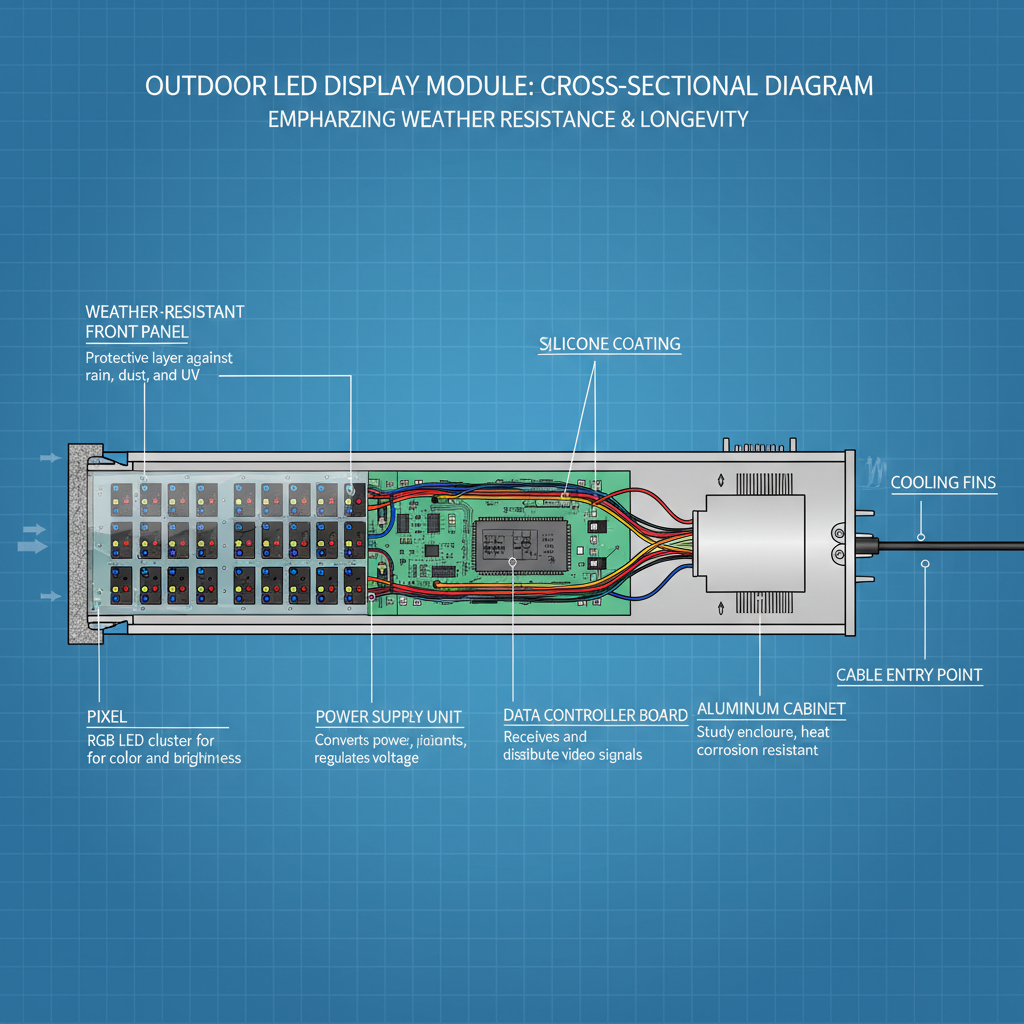
At the heart of every screen are Light-Emitting Diodes, or LEDs. These are tiny semiconductor devices that light up when an electric current passes through them. Unlike traditional bulbs, they don't have a filament that can burn out, which makes them incredibly durable and long-lasting. For displays, three LEDs (Red, Green, and Blue) are grouped together to form a single pixel. By adjusting the brightness of each of these three colors, a pixel can create millions of different hues, bringing your videos and images to life with stunning clarity. This LED display technology is what makes modern screens so vibrant and efficient.
Pixel Pitch Explained: Why P10 is a Standard for Outdoor LED Screens
You'll often hear terms like "P10," "P8," or "P16." This refers to the pixel pitch—the distance in millimeters from the center of one pixel to the center of the next. A smaller number means the pixels are closer together, creating a higher-resolution image that looks great up close. A larger number means the pixels are farther apart, which is ideal for screens viewed from a distance.
For outdoor advertising display screens, P10 (10mm pixel pitch) is a very common and effective choice. It strikes a great balance between image clarity and cost, making it perfect for billboards and displays that people will see from across the street or a parking lot.
According to a 2024 report from LEDinside, P10 and P16 pixel pitches are the most commonly used in outdoor displays, highlighting their suitability for long-distance viewing.
Materials and Construction: Ensuring Durability and Longevity
An outdoor LED display is more than just a bunch of lights. It's an engineered system built to survive outside for years. The cabinets that house the LED modules are typically made from aluminum or steel, sealed tightly to keep out water and dust. The LEDs themselves are often coated with a protective layer of silicone to shield them from moisture and UV radiation. The entire structure is designed to withstand wind, dissipate heat, and operate flawlessly in both freezing winters and scorching summers. At Zhenmei Wisdom, we focus on using high-quality materials to ensure every display is a long-term, reliable investment.
What Are the Key Features of High-Performance Outdoor Digital Signage?
Not all outdoor LED screens are created equal. When you're investing in one, you want to make sure it performs brilliantly, no matter the conditions. The best displays share a few key features that set them apart from the rest. These characteristics ensure your content is always seen, your operating costs stay low, and your investment lasts for years. From fighting off the sun's glare to shrugging off a rainstorm, here’s what to look for in a top-tier outdoor digital signage solution.
Brightness and Visibility: Achieving Clarity in Direct Sunlight
The number one job of an outdoor display is to be seen. That’s why brightness, measured in nits, is so important. An indoor TV might have a brightness of 300-500 nits, but an outdoor LED display needs at least 5,000 nits to stay visible on a cloudy day. For direct sunlight, you’ll want a screen that can hit 7,000 nits or more. This high brightness ensures that your colors stay vibrant and your message remains sharp and readable, even on the sunniest afternoons. High-definition outdoor displays pair this brightness with great contrast ratios for an unbeatable visual experience.
Energy Efficiency: How Modern LEDs Reduce Power Consumption
Running a giant, bright screen 24/7 might sound expensive, but modern LED technology is surprisingly energy-efficient. Compared to old-school signage like neon or incandescent bulbs, LEDs consume significantly less power to produce the same amount of light.
By 2025, forecasts from Statista project that LED displays will become 20% more energy-efficient due to advancements in chip technology and power supply design.
This means lower electricity bills for your business and a smaller environmental footprint. Manufacturers are constantly innovating to improve efficiency, making LED screens a smart and sustainable choice for modern advertising.
IP Rating: A Critical Factor for Weather Resistance
How do you know if a display is truly built for the outdoors? Check its IP rating. IP, or Ingress Protection, is a two-digit rating that tells you how well the enclosure protects against solids (like dust) and liquids (like rain). The first digit rates solid protection (on a scale of 0-6), and the second rates liquid protection (on a scale of 0-9). For outdoor use, you should look for a display with a rating of at least IP65. The "6" means it's completely sealed against dust, and the "5" means it can withstand low-pressure water jets from any direction—perfect for handling heavy rain.
Exploring the Main Types of LED Outdoor Displays
Once you start shopping for an outdoor LED display, you'll find there are a few different types to choose from. The best one for you depends on your budget, your message, and how you plan to use it. Do you need to show off stunning, high-definition videos of your products, or do you just need to display simple text and prices? Understanding the main categories will help you narrow down your options and find the perfect fit for your advertising goals.
Full-Color Displays: Delivering Dynamic and Rich Visuals
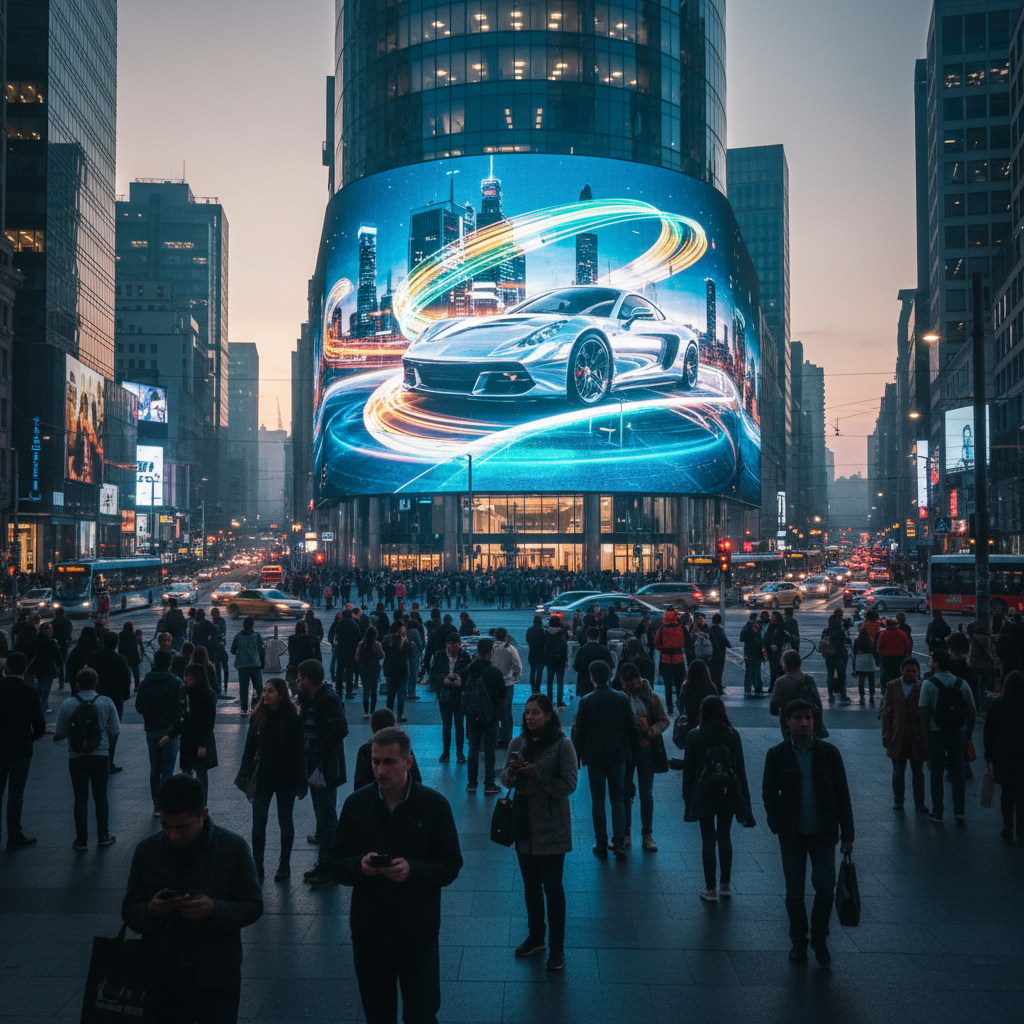
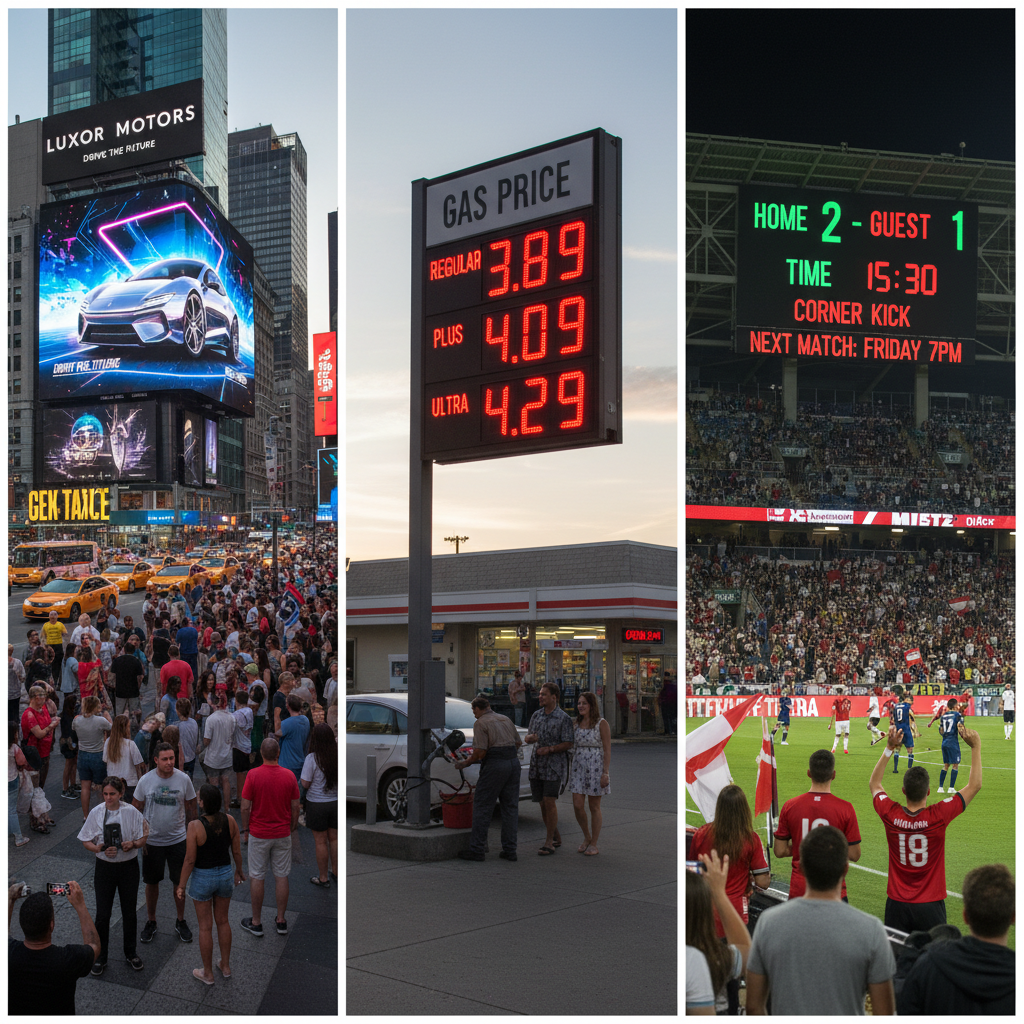
This is the most popular and versatile option. A full-color outdoor LED display can show millions of shades, allowing for stunning, photorealistic images and high-definition video. These are the screens you see in places like Times Square, showing vibrant, movie-like advertisements. They are perfect for any business that wants to capture attention with dynamic content, from retail stores showcasing new products to event venues promoting upcoming concerts.
A 2024 industry analysis revealed that full-color displays have captured over 70% of the outdoor market share, making them the standard for modern advertising.
Monochrome and Dual-Color Displays: Applications and Use Cases
While full-color is dominant, simpler displays still have their place. Monochrome displays show only a single color (like red, amber, or white). They are excellent for displaying text, numbers, or simple graphics. You often see them used for gas station price signs, scoreboards, or as an LED text display p10 outdoor sign for business hours. Dual-color or tri-color displays can show two or three colors (like red, green, and yellow), offering a bit more flexibility than monochrome without the cost of a full-color screen. They work well for conveying simple status information or alerts.
An Introduction to DIP vs. SMD LED Display Technology
This gets a little technical, but it’s an important distinction. The two main types of LED technologies used in outdoor displays are DIP and SMD.
DIP (Dual In-line Package) is the traditional technology. It uses individual red, green, and blue LEDs that are mounted separately on the module. DIP is known for being extremely bright and durable, making it a reliable choice for very harsh environments.
SMD (Surface-Mounted Device) is a newer technology where the red, green, and blue diodes are packaged together into a single tiny chip. This allows for a wider viewing angle and better color blending, creating a smoother and more uniform image. While historically less bright than DIP, modern SMD technology has caught up and is now the preferred choice for most high-resolution outdoor displays.
Practical Applications and Use Cases for LED Outdoor Advertising Display Screens
So, where do these amazing screens actually get used? The answer is: just about everywhere! From bustling city centers to quiet suburban shopping plazas, businesses and organizations are using LED outdoor displays to communicate, advertise, and engage with people. Their versatility means they can be adapted for almost any purpose where you need to get a message to a large audience. Let’s explore some of the most common and effective ways these screens are put to work.
Enhancing Brand Presence in Commercial Advertising
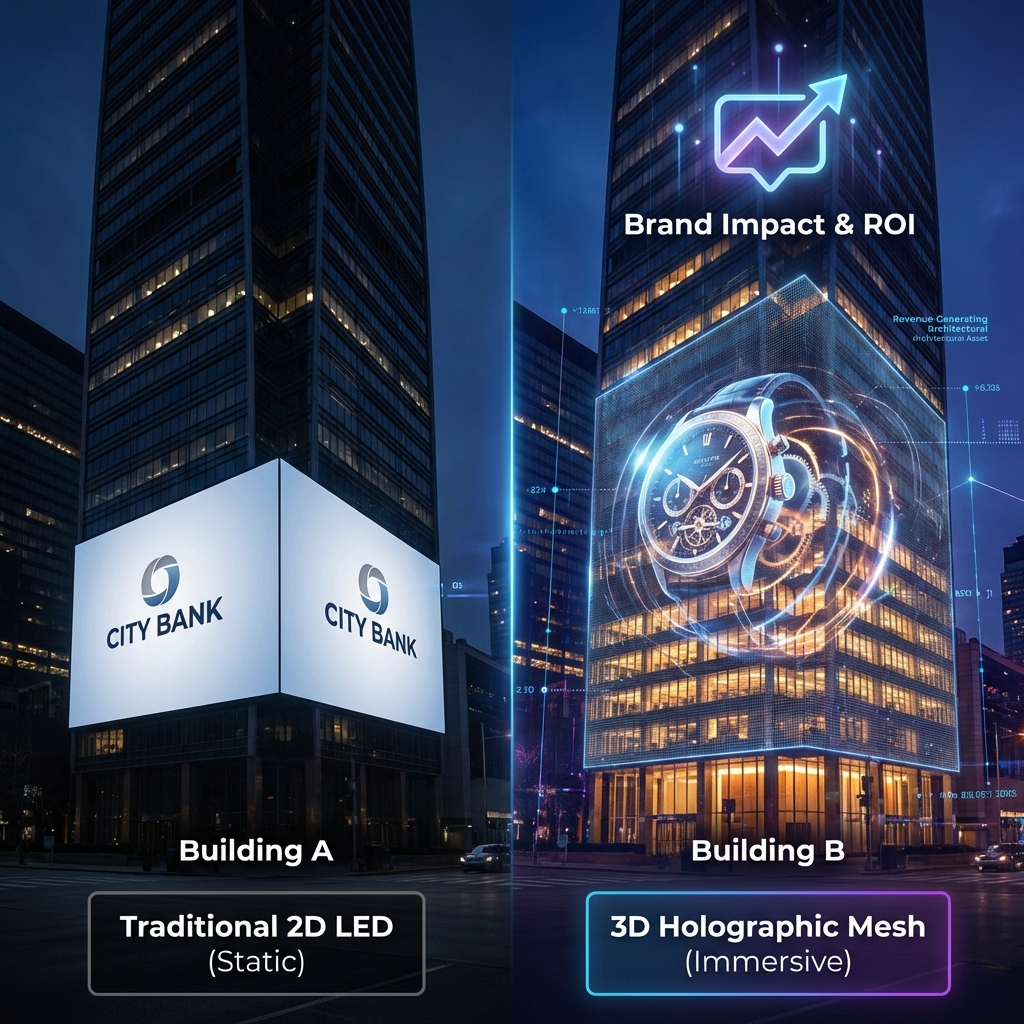
This is the most obvious and powerful use. Large-format advertising display screens on highways, in stadiums, or on the sides of buildings are impossible to ignore. They allow brands to showcase their products with vibrant, moving content that sticks in people's minds. Unlike a static billboard that shows the same image for weeks, an LED screen can run multiple ads, change with the time of day, or even react to live events. This dynamic capability gives advertisers incredible flexibility and a much higher return on their investment.
Information Dissemination in Public Spaces and Events
LED screens aren't just for selling things. They are also a vital tool for public communication. Cities use them to display traffic updates, weather alerts, and information about community events. At outdoor concerts, festivals, and sporting events, large screens ensure that everyone in the crowd, even those far from the stage, has a great view of the action. They can also be used to show schedules, maps, and emergency information, helping to keep large crowds safe and informed.
Driving Foot Traffic for Retail and Hospitality Businesses
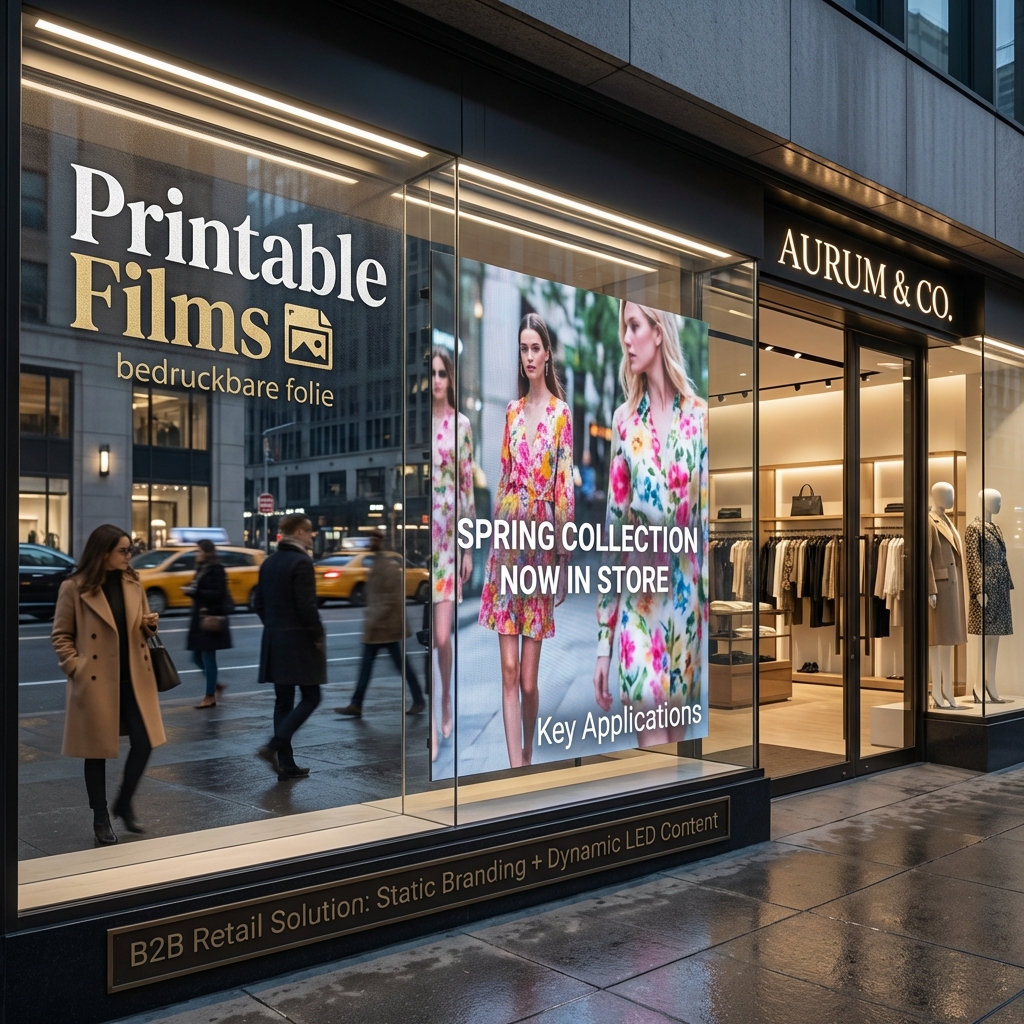
For a retail store, restaurant, or hotel, an outdoor LED display can be a magnet for customers. A bright, attractive screen placed near the entrance can announce daily specials, promote limited-time offers, or simply showcase enticing images of products or food. A "full color outdoor led display" is especially effective for this, as it can make a menu item look delicious or a product look irresistible. This type of on-premise advertising is incredibly effective at turning passersby into paying customers and is a key strategy for outdoor LED screens for businesses.
How to Properly Install and Maintain an LED Outdoor Display
Buying an LED display is just the first step. To ensure it performs at its best and lasts for its full lifespan, proper installation and regular maintenance are crucial. A poorly installed screen can be a safety hazard and is more likely to fail prematurely. Likewise, neglecting maintenance can lead to dead pixels, faded colors, and a shorter overall life. Taking care of your investment is key to maximizing its value. Here’s a look at what’s involved in the setup and upkeep of your outdoor LED signage.
A Step-by-Step Overview of the Installation Process
Installing a large outdoor LED display is a job for professionals. The process generally involves several key stages:
Site Survey & Structure Build: First, the location is assessed to determine the best mounting method. Then, a sturdy steel structure is built to hold the weight of the display and withstand wind loads.
Cabinet Mounting: The individual LED cabinets are lifted into place and securely fastened to the structure, one by one.
Cabling: Data and power cables are run between the cabinets and connected back to the main control system and power source. This is a meticulous process to ensure every panel gets the right signal.
System Configuration: Finally, the software is configured. The technicians will map out the screen, calibrate the colors, and test the display with various content to ensure everything looks perfect.
Routine Maintenance for Optimal Performance and Lifespan
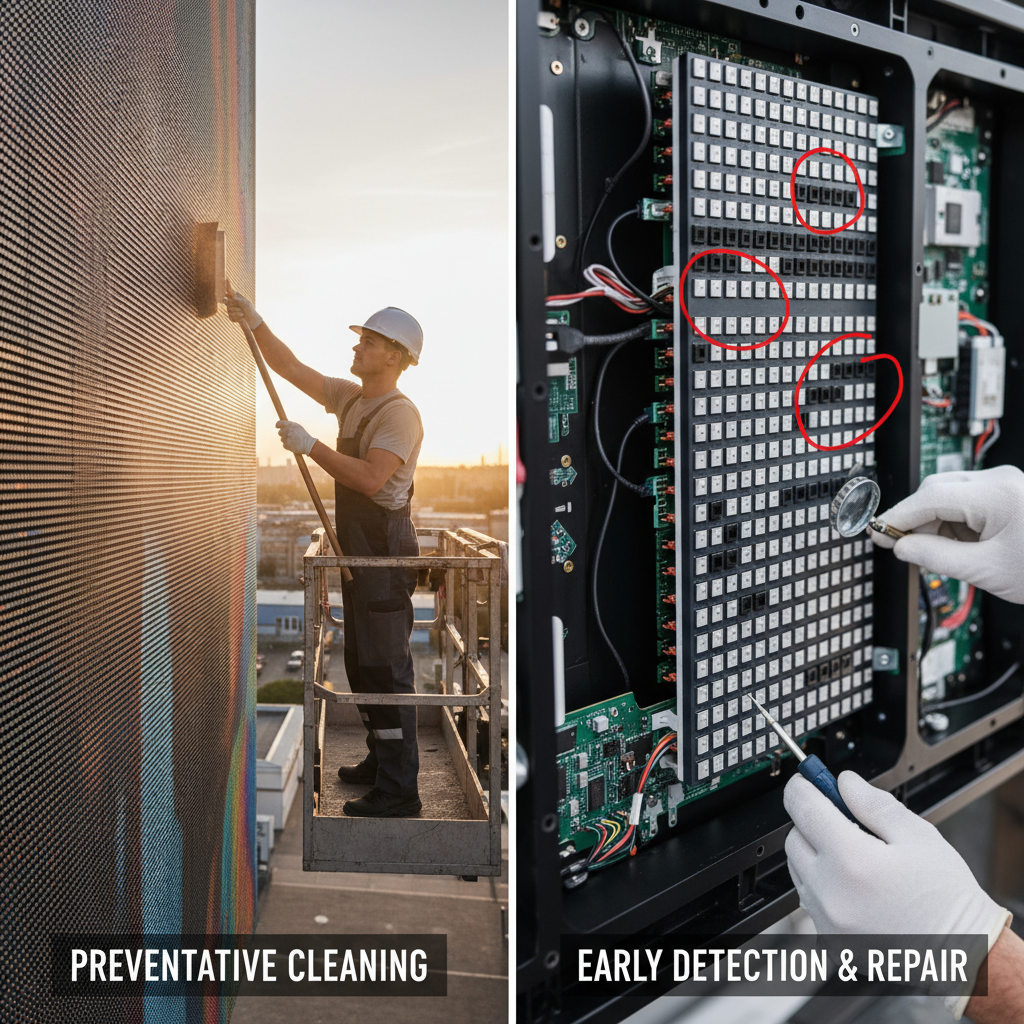
To keep your screen looking bright and beautiful, a little routine care goes a long way. LED outdoor display maintenance services typically include regular check-ups to clean the screen surface and air vents, inspect cables for wear and tear, and check for any failing components.
When cleaning the screen, always use a soft brush or cloth to gently remove dust. Avoid using high-pressure water jets, as they can damage the LED modules even on a weather-resistant screen.
It’s also a good idea to visually inspect the screen daily for any dead pixels or malfunctioning modules. Catching these small issues early can prevent them from becoming bigger problems.
Software and Content Management for Outdoor LED Signage
The real power of an LED display comes from its software. Modern content management systems (CMS) make it incredibly easy to manage what’s shown on your screen. You can create playlists of images and videos, schedule content to run at specific times of the day or week, and update your display in real-time from any computer with an internet connection. Some advanced systems even allow you to integrate live data feeds, like weather, news headlines, or social media streams, to make your content even more engaging and relevant.
Frequently Asked Questions About LED Outdoor Displays
Even after covering all the details, you might still have a few questions. That's perfectly normal! The world of LED displays is full of technical terms and specific considerations. To help clear things up, we've gathered some of the most frequently asked questions we receive from clients who are considering an investment in outdoor digital signage.
What is the typical lifespan of a professional LED outdoor display?
A high-quality LED outdoor display is built to last. Depending on the quality of the components and how well it's maintained, you can expect a lifespan of 50,000 to 100,000 hours. If you run the display 12 hours a day, that translates to roughly 11 to 22 years of service. The brightness will gradually decrease over this time, but a professional-grade screen will remain vibrant and effective for many years.
What is the difference between P10, P8, and P16 pixel pitches?
The "P" number refers to the pixel pitch, or the distance in millimeters between the centers of adjacent pixels. The smaller the number, the higher the pixel density and resolution.
P16 (16mm): Best for very long viewing distances, like a billboard seen from a highway hundreds of feet away. The image looks coarse up close.
P10 (10mm): A great all-around choice for many outdoor applications, like signs viewed from across a street (e.g., 30+ feet). It offers a good balance of clarity and cost. We at Zhenmei Wisdom find this to be one of our most popular models.
P8 (8mm): Offers higher resolution than P10, making it suitable for locations where the audience might be a bit closer, like in a pedestrian plaza or outside a large storefront.
How much data and what kind of connection is needed to operate an LED screen?
The connection depends on how you want to manage the content. For real-time updates and streaming, a stable internet connection (wired, Wi-Fi, or 4G/5G) is needed. The amount of data used depends on the content; streaming a 4K video will use much more data than displaying a static image. For simple setups, content can also be loaded directly onto the display's internal player using a USB drive. Most modern control systems are very flexible and can support various connection methods.
References
MarketsandMarkets - Outdoor LED Display Market Analysis (2023)
LEDinside - Display Technology Market Share Report (2024)
Statista - Market Projections for Energy-Efficient Displays (2025)