Having spent years working with cutting-edge display technologies, I've seen countless trends come and go. But the buzz around LED holographic screens is different—it's not just a fad. I've personally seen these displays stop people in their tracks at trade shows and transform ordinary retail spaces into futuristic experiences. This guide is built on that hands-on experience, breaking down everything you need to know about this game-changing technology.
Your Top Questions on LED Holographic Screens
Here’s a quick rundown of the most common questions we get about holographic LED screen technology.
What is an LED holographic screen primarily used for? It's mainly used for high-impact advertising, retail displays, event signage, and educational exhibits. The goal is to create a stunning 3D visual that appears to float in mid-air, capturing audience attention instantly.
How does an LED holographic screen work? It uses a strip of high-density LEDs that spin at a very high speed. As they rotate, the LEDs light up in a precisely timed sequence. Our eyes' persistence of vision (POV) blends these rapidly changing light points into a complete, seamless 3D holographic image.
What are the main advantages of using these screens in advertising? The primary benefits are superior audience engagement, higher brand recall, and a modern, innovative brand image. The "wow" factor of a floating 3D image makes it far more memorable than a standard 2D advertisement.
Are they energy efficient? Yes. Modern LED holographic screens are surprisingly efficient.
According to Energy Star data from 2024, LED holographic screens consume up to 30% less energy compared to many traditional digital signage displays of a similar size and brightness.
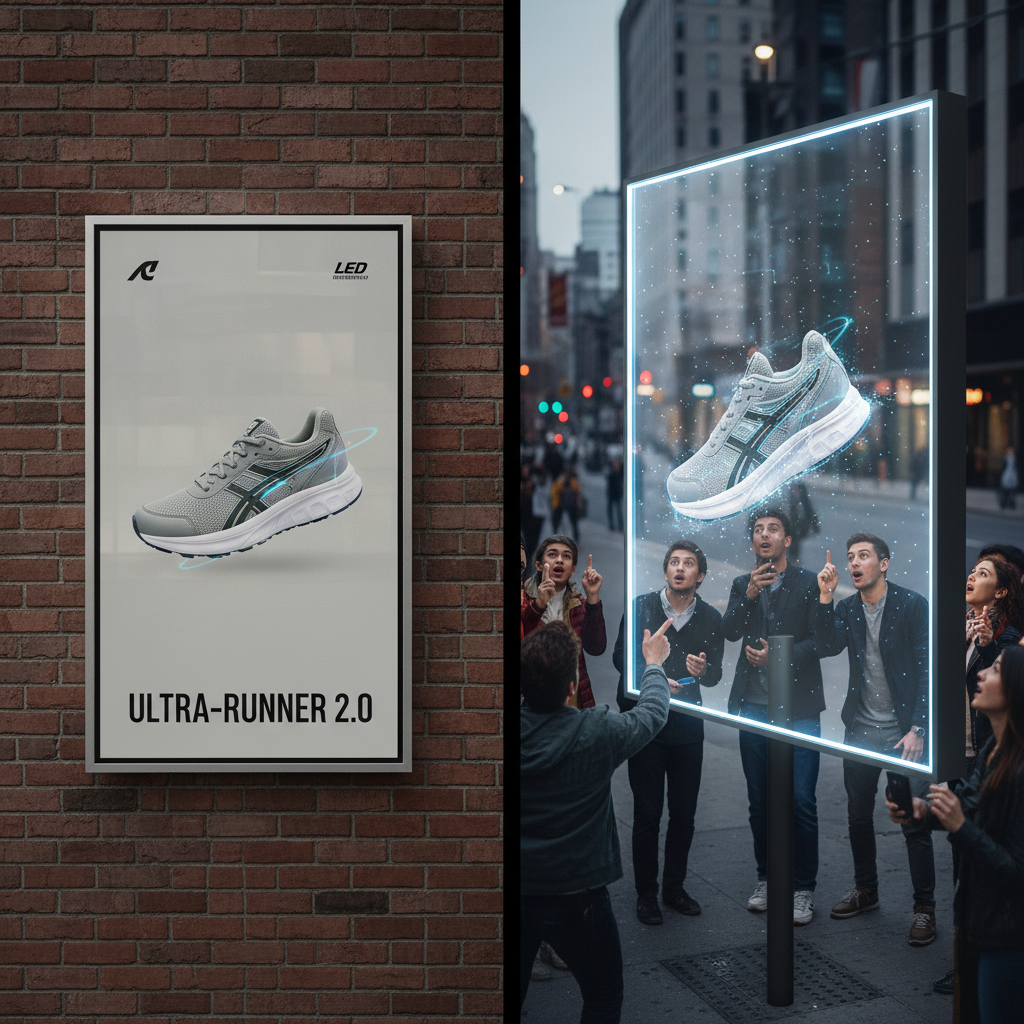
What is the difference between a holographic and a traditional LED screen? A holographic LED screen creates a floating 3D visual with no visible frame, while a traditional LED screen displays 2D content on a flat, physical surface.
How much does an LED holographic screen cost? Pricing varies based on size, resolution, brightness, and features. Smaller, single-fan units are more affordable, while large, multi-unit synchronized walls for major events represent a more significant investment.
What Is an LED Holographic Screen? An Introduction to the Core Technology
So, what exactly is a "holographic" LED screen? While not a true hologram in the scientific sense (which involves laser-split light beams), it creates an incredibly convincing 3D illusion. It's a next-generation display solution designed to captivate audiences in a way that flat screens simply can't. Let's dive into what makes this technology so unique.
Defining the 'Holographic' Effect in LED Technology
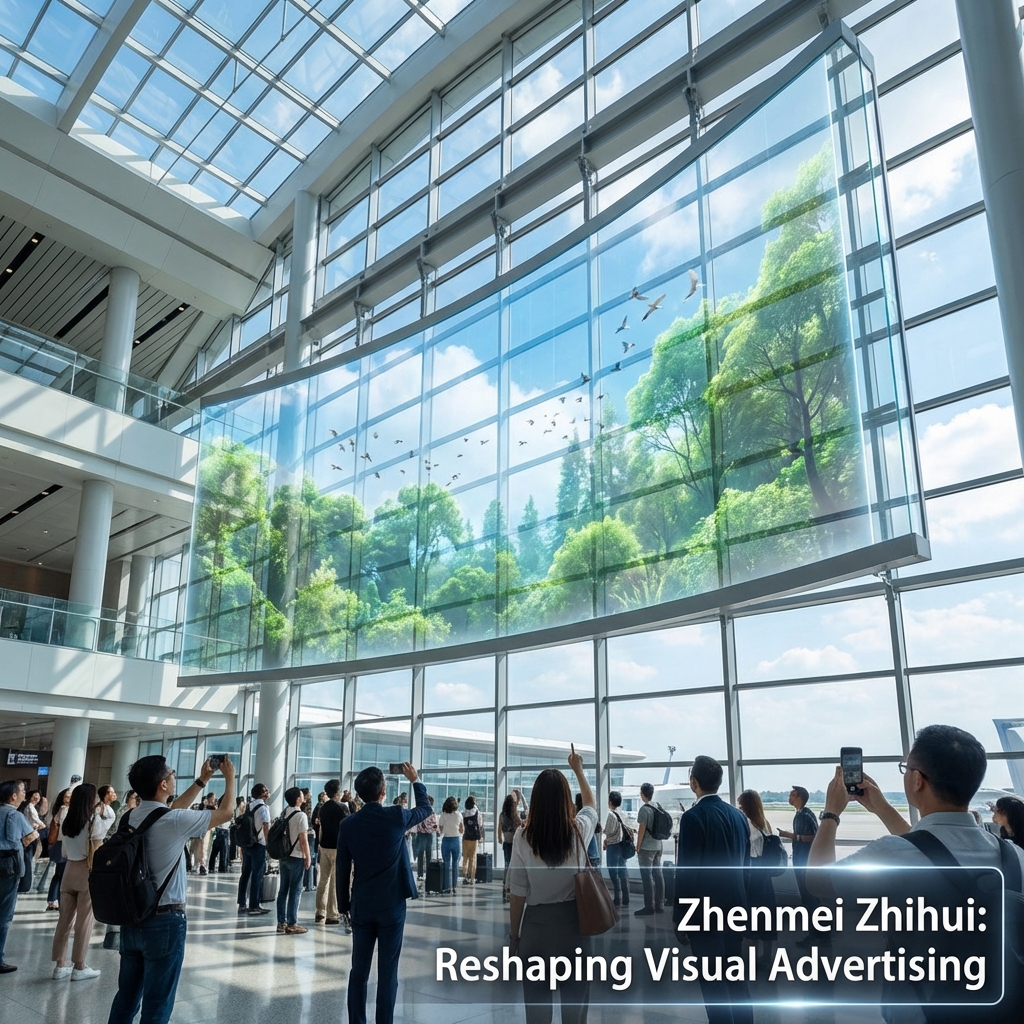
The magic of a holographic LED screen lies in its ability to make images and videos appear to float in mid-air. Unlike traditional screens that are confined to a physical box or frame, these displays create visuals that seem to exist in the space around them. This effect is achieved not through complex lasers but through a brilliant and efficient engineering principle. It's all about tricking the eye into seeing something that isn't physically there, making it a powerful tool for marketers and innovators.
Key Components of a Holographic LED Display System
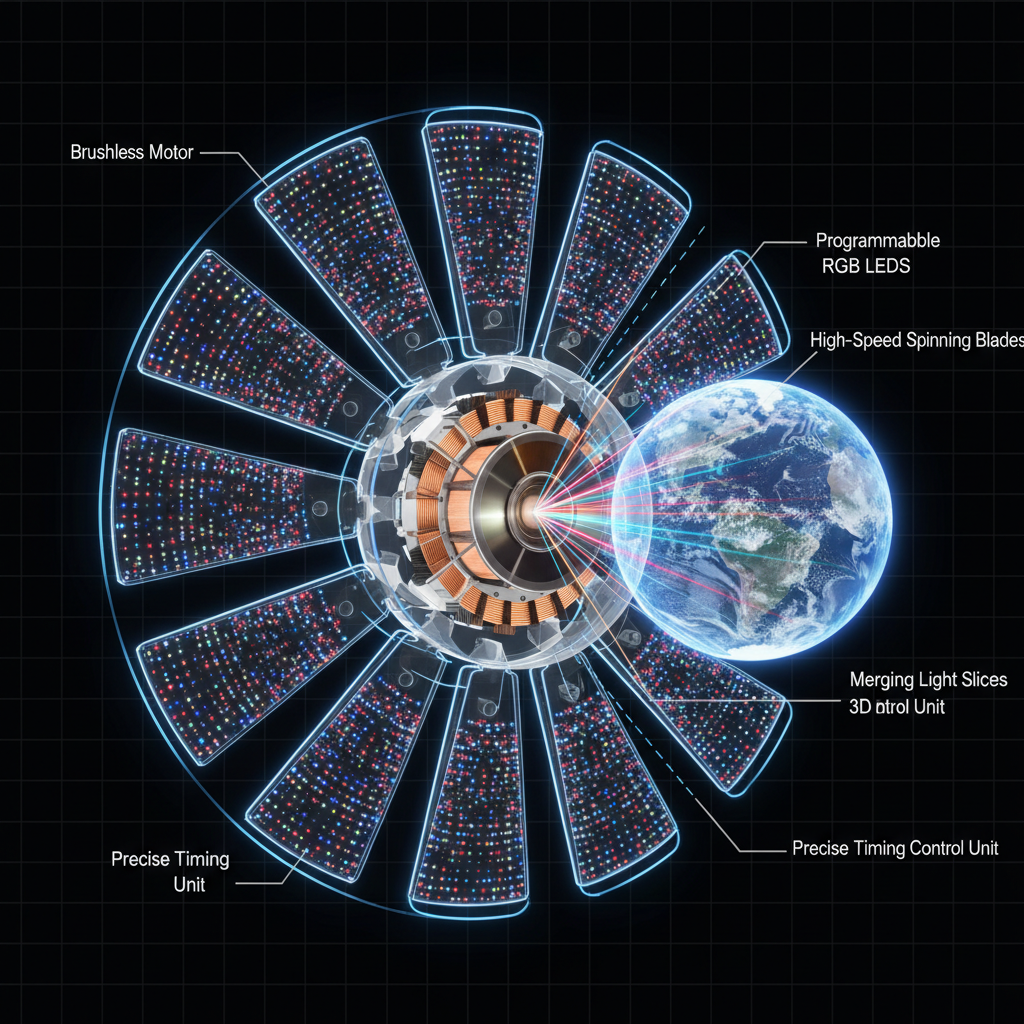
An LED holographic display system is simpler than you might think. It primarily consists of three main parts:
The LED Blades: These are rotating arms, or "fans," embedded with a dense array of tiny, programmable RGB LEDs.
The Motor: A high-speed, brushless motor spins the blades at thousands of revolutions per minute (RPM).
The Processor and Software: A central control unit processes the video content and tells each individual LED when to light up, in what color, and for how long.These components work in perfect harmony to render the final 3D visual.
Understanding the POV (Persistence of Vision) Principle in Action
The secret sauce behind this technology is a phenomenon called Persistence of Vision (POV). Our eyes and brain retain an image for a fraction of a second after the source has disappeared. LED holographic screens exploit this. As the LED blades spin at incredibly high speeds, they become virtually invisible to the naked eye. The precisely timed lights create a series of individual image slices. Your brain stitches these fast-moving slices together, perceiving them as a solid, stable, and three-dimensional image floating in space.
Behind the Visuals: The Technical Mechanics of LED Holographic Screens
Now that we've covered the basics, let's get a bit more technical. Understanding the mechanics behind the stunning visuals helps you appreciate the engineering involved and make a more informed decision when choosing a display. The quality of a holographic LED screen is determined by the seamless integration of its hardware and software.
The Role of High-Speed Rotating LED Blades
The rotating blades are the heart of the system. They are typically made of lightweight yet durable materials to handle the stress of high-speed rotation. The density of the LEDs on these blades is crucial—the more LEDs packed into a small space (higher pixel pitch), the sharper and more detailed the final image will be. The motor's speed and stability are equally important. Any wobble or inconsistency in rotation can lead to a distorted or "jittery" image, which is why commercial-grade units from specialists like Zhenmei Wisdom use high-quality, brushless motors for smooth and silent operation.
How Software and Processors Render 3D Content
You can't just play any video on a holographic fan. The content must be specially formatted for it. The software takes a standard 2D or 3D video file and "slices" it into a sequence that corresponds to the position of the rotating blades. The onboard processor then reads this data in real-time, synchronizing the flashing of each LED with the exact rotational position of the blade. This complex task happens thousands of times per second, requiring powerful processing to ensure a fluid and high-fidelity visual experience.
Resolution and Pixel Density: What Defines a High-Quality LED Holographic Display?
Just like with traditional TVs or monitors, resolution matters. For a holographic display, resolution is determined by the number of LEDs on the blades and the diameter of the fan. A higher LED count results in a higher pixel density, which means sharper details, smoother lines, and more vibrant colors.
As of 2024, industry standards for high-end LED holographic screens typically range from 1920x1080 to 3840x2160 pixels for larger, multi-unit displays, ensuring crisp and lifelike visuals. When evaluating a display, always ask about its effective resolution and pixel density, as this is a key indicator of its visual quality.
LED Holographic Screens vs. Traditional LED Displays: A Technical Breakdown
While both technologies use LEDs to create images, their functionality and impact are worlds apart. A traditional LED display is a fantastic tool for communication, but a holographic LED screen is an experience. Understanding the differences is key to knowing when to use which.
Visual Impact: Comparing 3D Floating Images to 2D Content
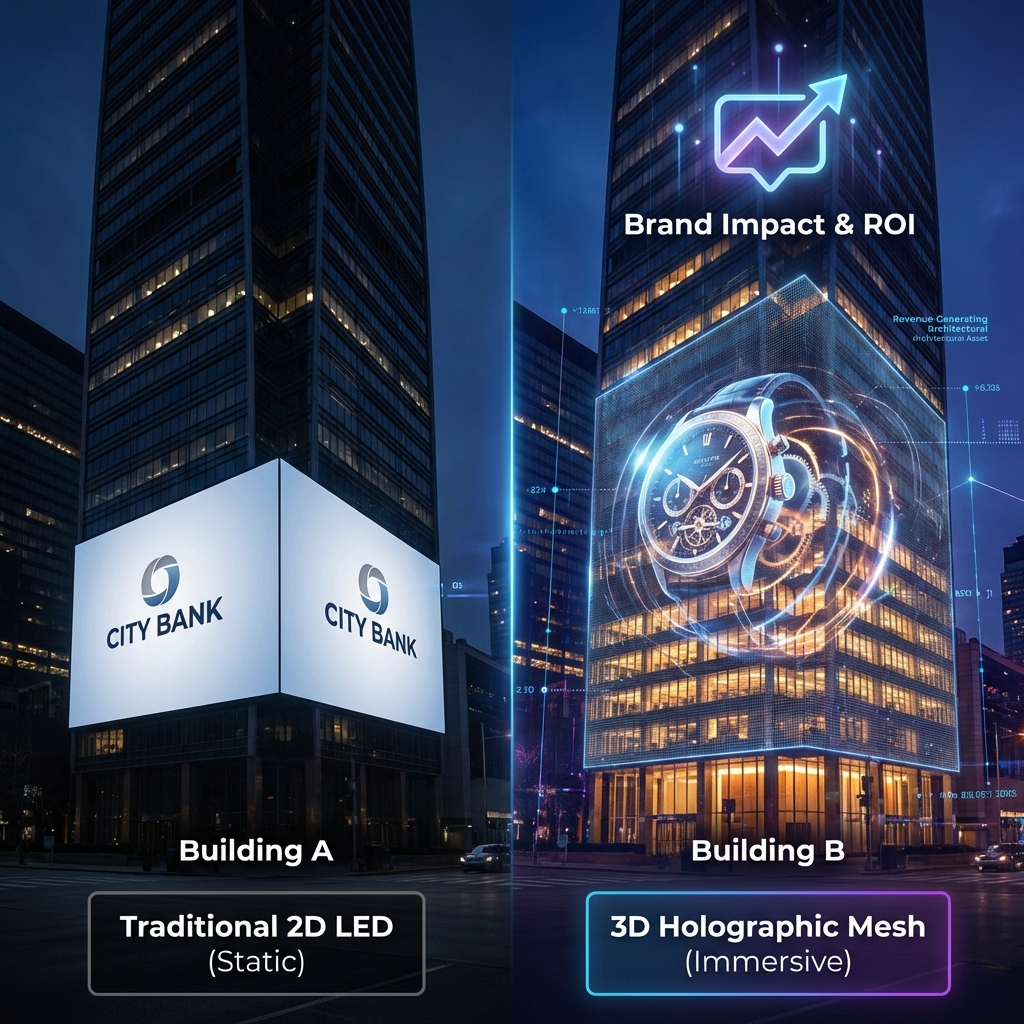
The most obvious difference is the visual dimension. A traditional LED screen presents content in 2D on a flat surface. It's effective, but it's also familiar. A holographic LED screen shatters that familiarity by creating a 3D image that appears to float without any visible screen. This novelty factor is incredibly powerful. It draws the eye, holds attention for longer, and creates a much more memorable impression. Think of it as the difference between looking at a picture of a car and seeing a floating 3D model of it rotating right in front of you.
Structural Differences: Form Factor and Installation Requirements
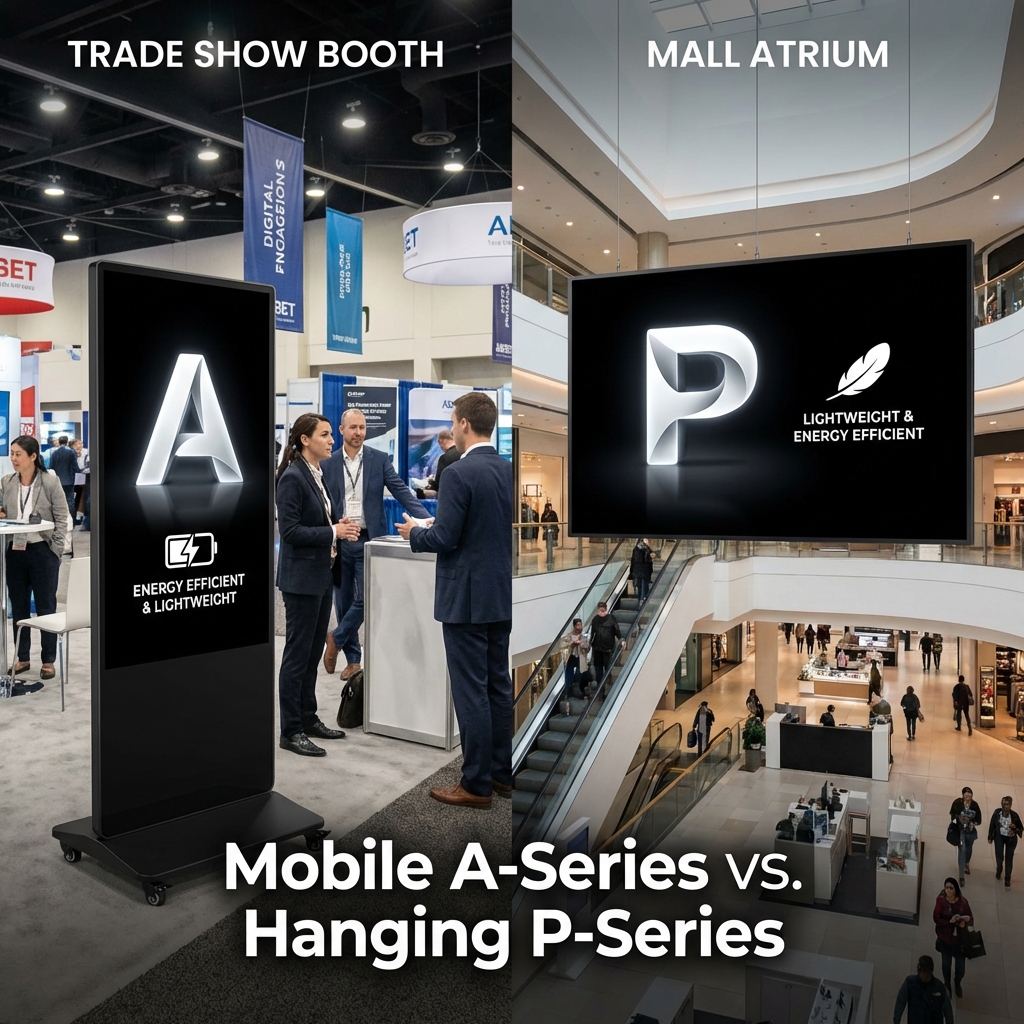
Traditional LED displays are typically heavy, bulky cabinets that require significant structural support. Holographic LED screens, by contrast, are much more lightweight and have a smaller footprint. They consist of a central hub and radiating blades, making them easier to install in a wider variety of locations—from being mounted on a wall to being suspended from a ceiling. However, because the blades are spinning at high speed, they almost always require a protective cover or must be installed out of reach for safety reasons.
When planning an installation, always consider the viewing angle and ambient light. While holographic screens are bright, their "floating" effect is most impactful in moderately lit environments where the background is less distracting.
Content Creation: What's Different About Designing for Holographic vs. Flat Screens?
Creating content for a holographic display requires a different mindset. While you can convert standard 2D video, the best results come from content designed specifically for the medium. Designers should focus on:
Black Backgrounds: Using a pure black background in your video file is essential, as the software will interpret "black" as "off," making the LEDs turn off and creating the transparent, floating effect.
3D Models and Motion: Content that rotates, moves, or has depth works best. Simple logos, product models, and dynamic text animations are highly effective.
Avoiding Borders: Since there's no physical screen edge, content that fades out at the edges looks more natural than content that is abruptly cut off.
Exploring the Versatility: Top Applications for LED Holographic Screens
The unique appeal of holographic LED screens has unlocked a wide range of applications across various industries. It's no longer a niche technology but a versatile tool for anyone looking to create an unforgettable visual experience. The market reflects this growth, with significant expansion expected.
Enhancing Retail and Advertising with Immersive Product Displays
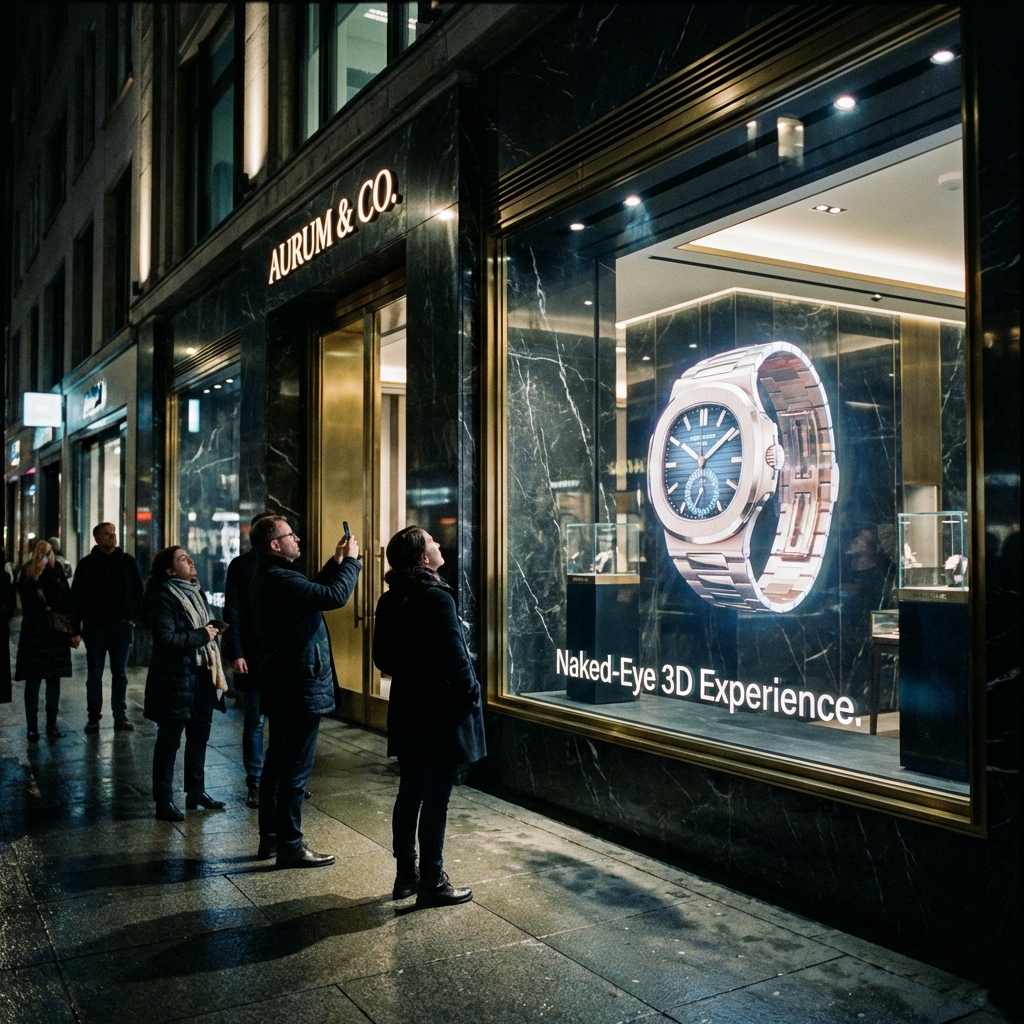
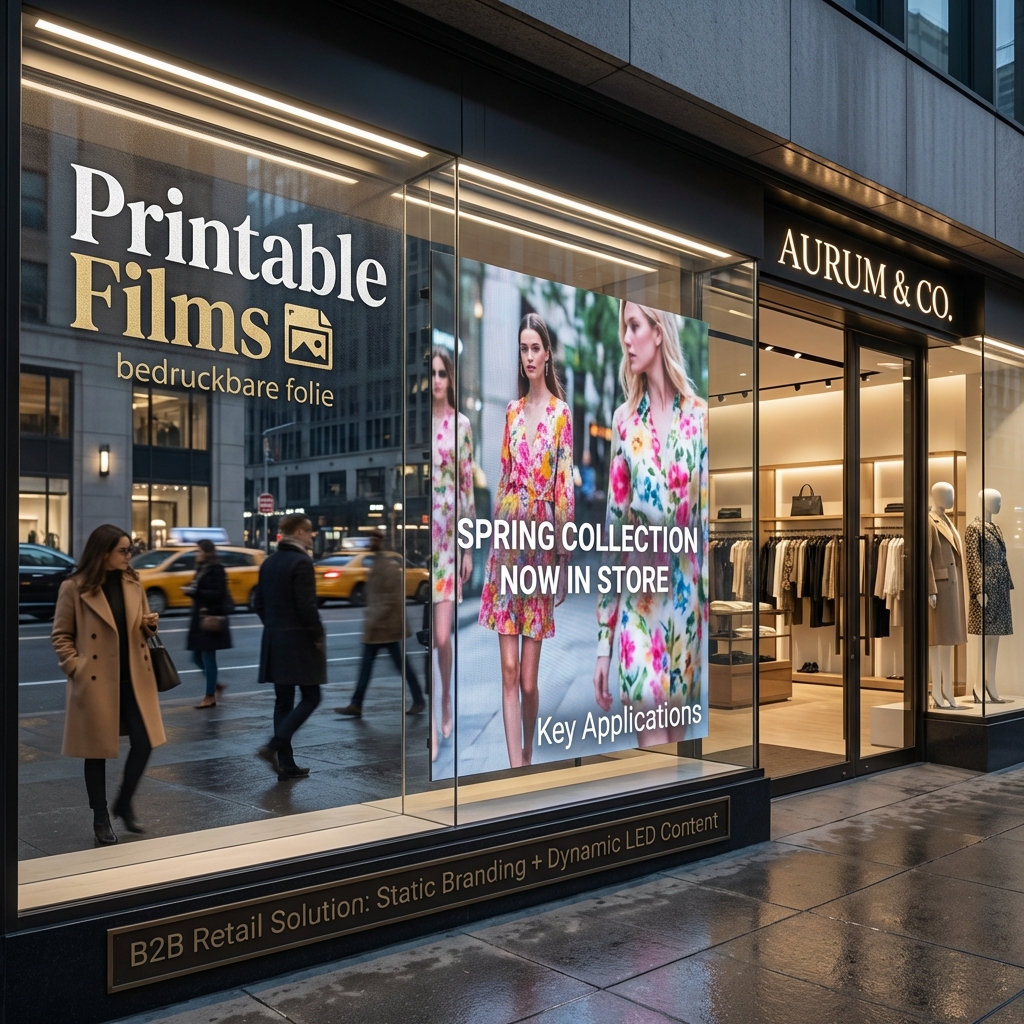
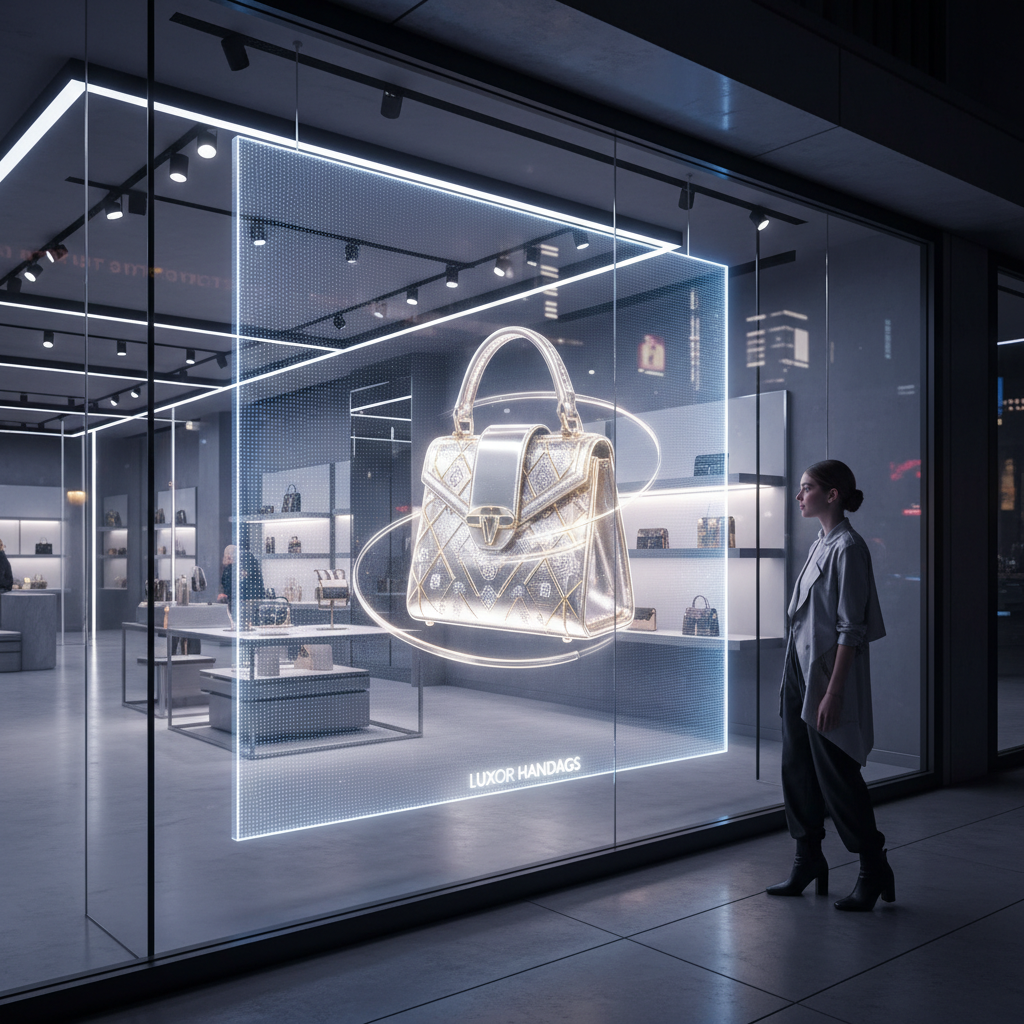
This is where holographic displays truly shine. Imagine walking into a shoe store and seeing the latest sneaker rotating in 3D in mid-air, or a jewelry shop displaying a sparkling, larger-than-life diamond. These immersive product displays attract customers, allow them to see products from all angles, and create a premium, high-tech atmosphere. This technology is one of the best ways to make your brand stand out in a crowded retail environment.
Transforming Events and Exhibitions with Dynamic Visuals
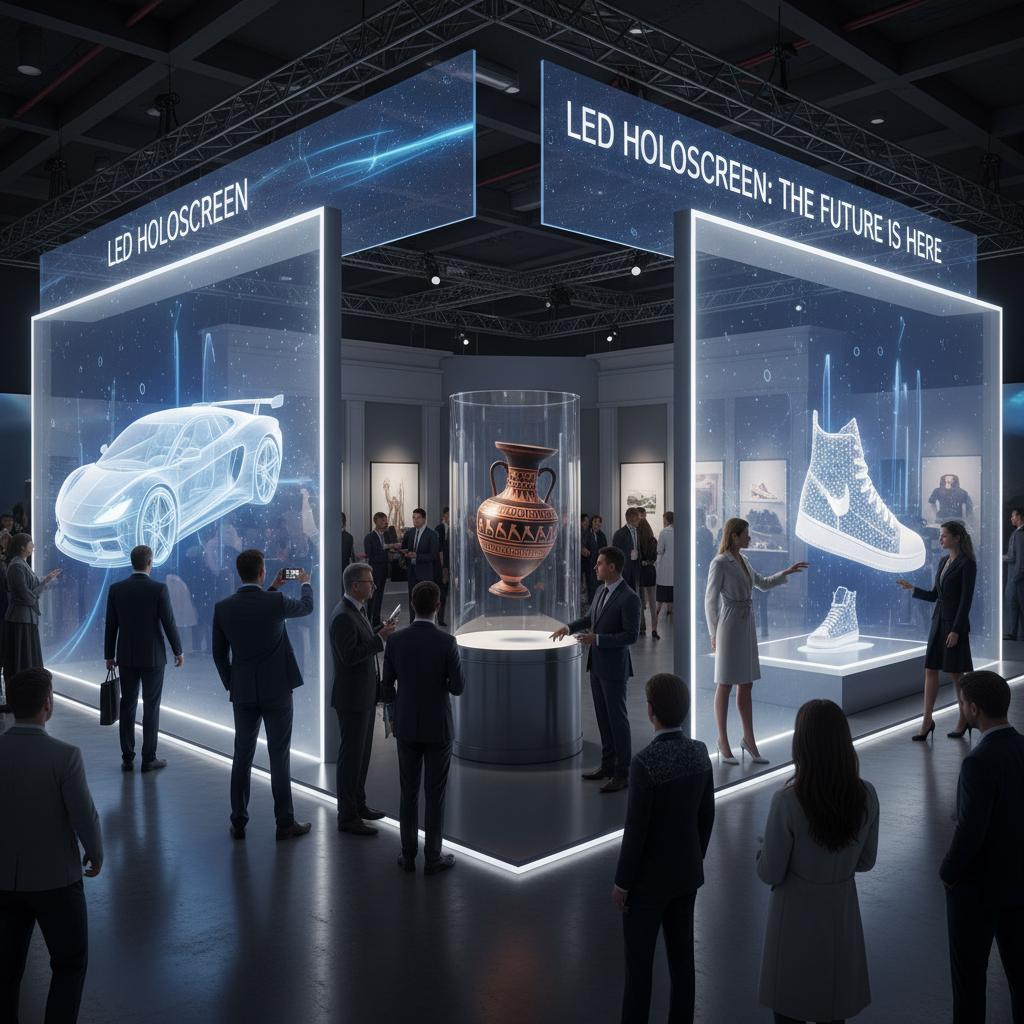
At trade shows, exhibitions, and corporate events, the biggest challenge is capturing the attention of attendees. A holographic LED display acts as a magnet. It can be used for dynamic branding, showcasing product demos, or creating stunning visual centerpieces. For a high-quality LED holographic display for events, multiple fans can be synchronized to create a larger, seamless holographic wall, delivering a truly awe-inspiring experience that will have everyone talking about your booth long after the event is over.
Innovative Uses in Museums and Educational Institutions
Holographic technology is also revolutionizing how we learn. Museums are using LED holographic screens to bring historical artifacts to life, allowing visitors to see delicate objects in 3D without risk of damage. For example, some are exploring LED holographic screen applications in museums to display rotating models of ancient pottery or astronomical bodies. In educational settings, they can be used to visualize complex scientific concepts, like molecular structures or engineering principles, making abstract ideas tangible and easier to understand.
A Deeper Dive: LED Holographic Screens vs. Other Holographic Display Technologies
The term "holographic" is used to describe several different display technologies. While LED holographic screens are gaining popularity due to their brightness and scalability, it's helpful to understand how they stack up against other methods.
Comparing against Holographic Projection Screens
Holographic projection screens are typically transparent films or specialized glass that a projector beams an image onto. While they can create a "see-through" effect, they are highly dependent on ambient lighting conditions and require a separate projector, which can be bulky. LED holographic screens are a self-contained unit, are much brighter, and perform better in well-lit environments, making them more versatile for retail and advertising applications.
Differentiating from Pepper's Ghost and Other Optical Illusions
The "Pepper's Ghost" illusion, famous since the 19th century and still used in theme parks and concerts today, involves reflecting an image off a transparent sheet of glass or plastic angled towards the audience. This method can produce very realistic, large-scale holograms but requires a complex physical setup with a hidden "stage" and precise lighting. LED holographic displays are far more compact, scalable, and easier to deploy, offering a practical solution for most commercial use cases.
Evaluating Pros and Cons for Different Commercial Use Cases
Here’s a simple breakdown:
| Technology | Pros | Cons | Best For |
|---|---|---|---|
| LED Holographic Screen | Bright, scalable, compact, good in high ambient light | Requires safety cover, content needs optimization | Retail, ads, events, trade shows |
| Holographic Projection | Can be very large, uses transparent surfaces | Requires projector, sensitive to ambient light, bulky | Large-scale stage effects, architectural installs |
| Pepper's Ghost | Extremely realistic, can be life-sized | Complex and bulky setup, requires controlled lighting | Theatrical productions, museums, theme parks |
For most businesses looking for an impactful and flexible 3D display solution, the LED holographic screen offers the best balance of performance, practicality, and cost.
Understanding the Performance: Key Technical Specifications
When you're ready to invest in an LED holographic screen, you need to look beyond the "wow" factor and examine the technical specs. These details will determine the display's performance, reliability, and long-term value.
Energy Efficiency: How Much Power Do LED Holographic Screens Consume?
A common misconception is that these high-tech displays must be energy hogs. In reality, they are quite efficient. Because they only light up the pixels needed to create the image (the black areas are "off"), they often consume less power than a traditional LED wall of the same size that has to illuminate its entire surface. As mentioned earlier, they can be up to 30% more efficient than conventional digital signage, making them a more sustainable choice for 24/7 retail or advertising applications.
Durability and Maintenance: What to Expect from a Commercial-Grade Unit
Commercial-grade LED holographic displays are built to last. They use high-quality brushless motors designed for tens of thousands of hours of continuous operation. The LEDS themselves have a typical lifespan of 50,000 hours or more. Maintenance is minimal; it usually just involves keeping the unit clean and ensuring it has adequate ventilation. For safety and longevity, a protective acrylic or polycarbonate cover is always recommended, which also keeps dust off the rapidly spinning blades.
Outdoor Usability and Environmental Resistance Factors
Can you use these screens outdoors? The answer is: it depends. Standard indoor models are not designed to withstand moisture, dust, or extreme temperatures. However, specialized outdoor-rated models are available. These units come with weatherproof enclosures (IP65 rating or higher), increased brightness to compete with sunlight, and more robust components to handle harsher conditions. When inquiring about an outdoor solution, be sure to specify its intended environment to ensure you get a product that is up to the task.
Real-World Impact: Case Studies of Successful Implementations
Theory is one thing, but seeing the technology in action is another. LED holographic screens are already making a tangible impact across multiple industries, driving engagement and delivering a strong return on investment.
Zhenmei Wisdom: Pioneering High-Impact LED Solutions for Retail
At Zhenmei Wisdom, we specialize in producing all kinds of LED displays, and we've seen firsthand how our holographic solutions have transformed retail spaces. One of our clients, a high-end fashion brand, installed a series of our holographic displays in their flagship store windows to showcase their new handbag collection. The floating, rotating 3D models of the bags created a mesmerizing effect that dramatically increased foot traffic. The store reported a significant uptick in customer engagement and a measurable sales lift for the featured products during the campaign.
Showcasing Success in the Automotive and Hospitality Sectors
The application of this 3D LED display technology extends far beyond fashion. In the automotive sector, dealerships are using large holographic walls to display life-sized 3D models of their latest cars, allowing customers to see features and customizations in a dynamic new way. In hospitality, luxury hotels have installed holographic displays in their lobbies to greet guests with animated logos and provide information, creating a sophisticated and futuristic first impression. These real-world examples prove that this technology is a powerful and practical tool for modern business.
Frequently Asked Questions
Here are a few more questions we often hear from clients considering this technology.
What are the main challenges in implementing LED holographic screens?
The two main challenges are safety and content creation. Because the blades spin at high speeds, the units must be installed out of reach or within a protective enclosure. On the content side, creating or formatting videos with black backgrounds for the 3D effect requires a specific workflow, but it is a straightforward process with the right software.
Are LED holographic screens suitable for outdoor use?
Standard units are for indoor use only. However, specially designed outdoor-rated models with weatherproof casings and higher brightness levels are available for use in environments like outdoor shopping centers, event plazas, and transit stations.
What is the expected lifespan of a holographic LED display?
A high-quality, commercial-grade holographic LED display is designed for longevity. The motor and LEDs are typically rated for 30,000 to 50,000 hours of use, which translates to several years of reliable operation even when run continuously.
References
MarketsandMarkets. (2023). Holographic Display Market Global Forecast.
Research and Markets. (2024). Global LED Display Market Analysis.
Energy Star. (2024). Digital Signage Display Energy Efficiency Report.
Display Technology Review. (2024). Annual Display Resolution Standards Report.