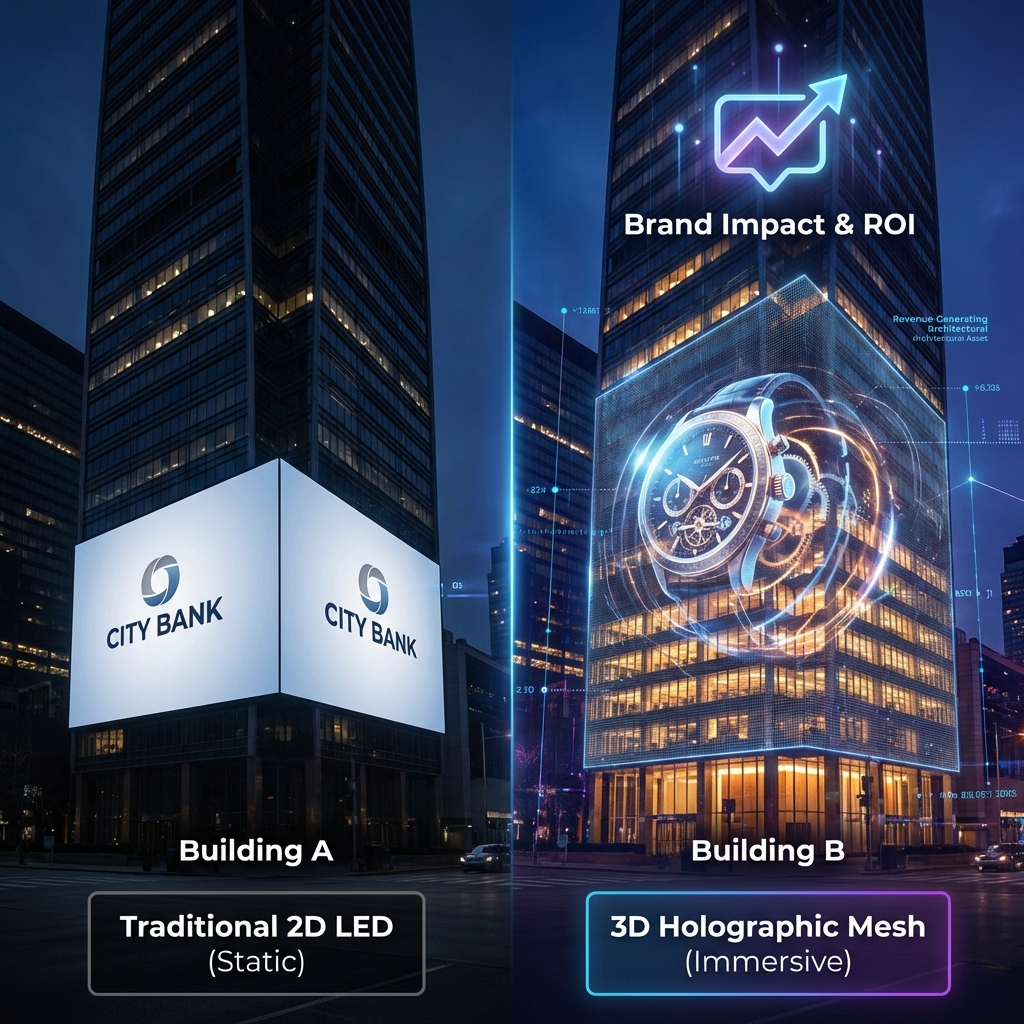
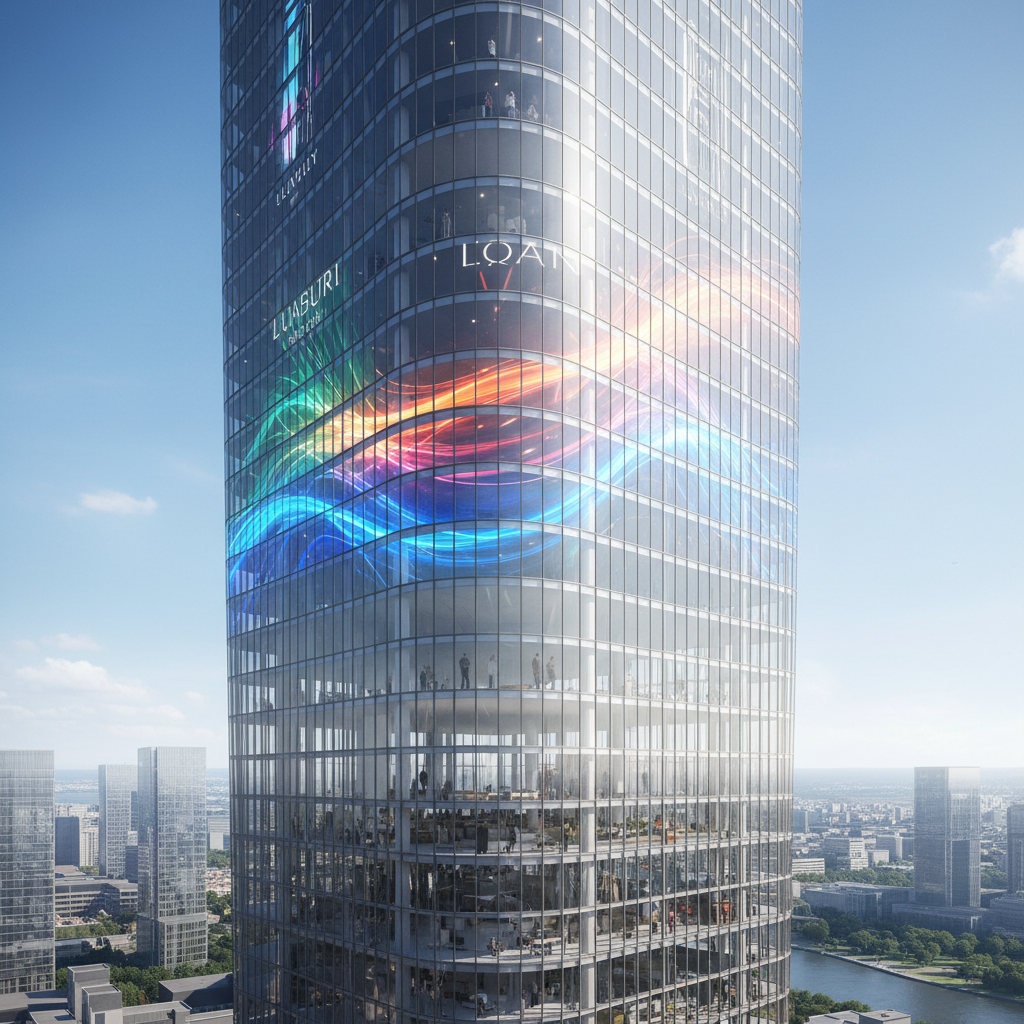
After spending years in the LED display industry, I've seen countless technologies emerge. But few have been as game-changing as the LED mesh screen. I still remember the first time I saw a massive, transparent display wrapped around a skyscraper, showing vibrant ads without completely blocking the view from inside. That experience showed me this wasn't just another screen; it was a new way to merge architecture with digital art.
Whether you're an architect, event planner, or advertiser, you've likely wondered how to make a big visual impact without a bulky, heavy screen. This guide will walk you through everything you need to know about LED mesh technology in 2025.
Key Questions About LED Mesh Screens
Here are some quick answers to get you started:
What are the main benefits? They are lightweight, transparent, flexible, and energy-efficient. This makes them perfect for large-scale outdoor advertising, creative stage designs, and building facades.
How do outdoor screens work? They use high-brightness LEDs on a grid-like frame. This design allows wind to pass through and maintains visibility even in direct sunlight, all while using less power.
What's the difference between flexible and regular screens? Flexible LED mesh screens are made from bendable materials. This allows them to conform to curved or irregular surfaces, unlike traditional rigid LED displays.
Are they durable? Yes, outdoor models are built to be weather-resistant, handling rain, wind, and extreme temperatures with ease.
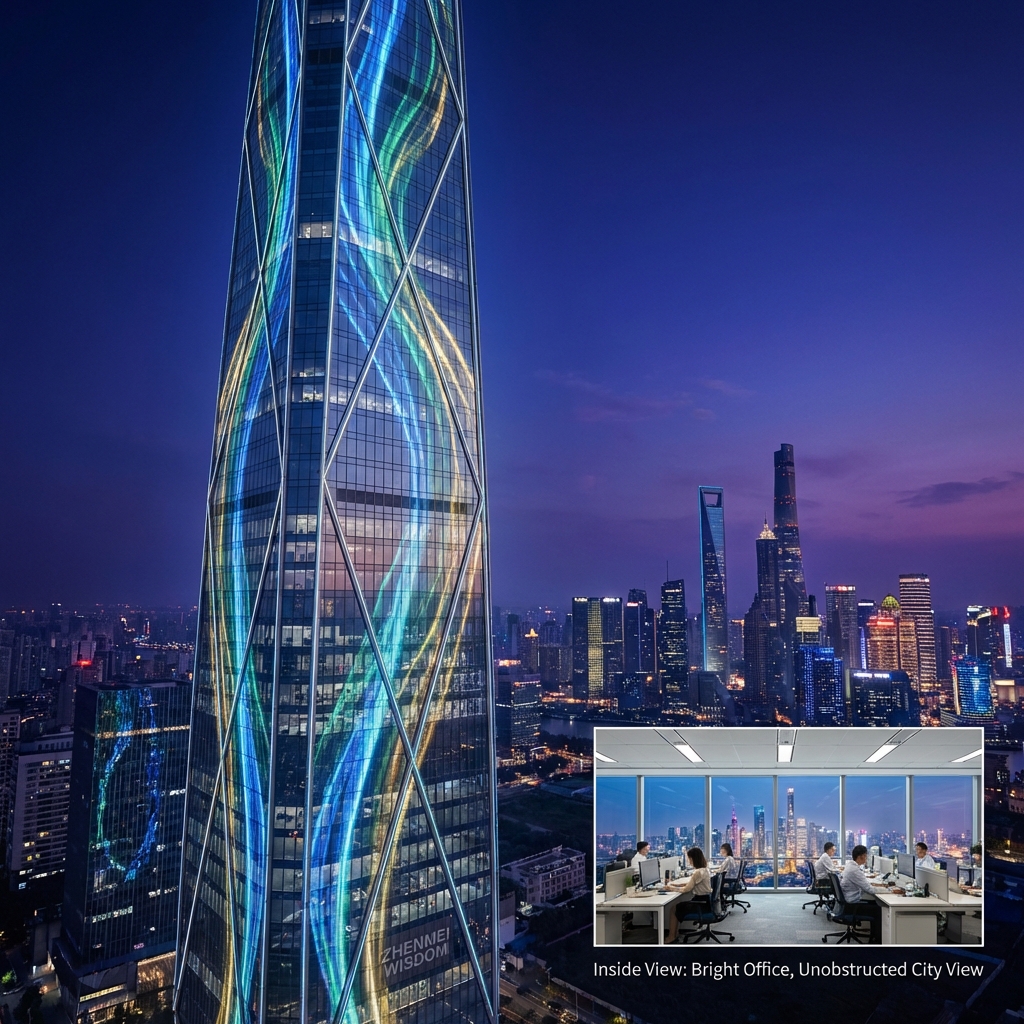
Can they be used on buildings? Absolutely. Their lightweight and transparent nature makes them ideal for media facades, turning entire buildings into dynamic canvases.
How long do they last? A quality LED mesh screen can last over 50,000 hours with proper maintenance.
What is an LED Mesh Screen? A Complete Technical Overview
An LED mesh screen, also known as a mesh LED display, is a type of large-format LED screen made of a lightweight, grid-like structure. Instead of a solid cabinet, LED pixels are mounted on thin horizontal and vertical strips. This creates a see-through effect, making it a fantastic choice for installations where you don't want to completely block the background, like a building's glass facade.
The core idea is to deliver stunning visuals while minimizing the physical footprint. This technology has become a go-to solution for architects and advertisers who want to create a "wow" factor without the weight and bulk of traditional video walls. It’s all about creating a digital layer over our physical world.
How LED Mesh Technology Works: The Core Principles
The magic behind LED mesh screens is their simplicity and efficiency. Each pixel, or LED node, is individually attached to a lightweight metal or plastic frame. These pixels are spaced further apart than on a standard LED screen, which creates transparency. The data and power are sent through slim, integrated cables, keeping the entire structure clean and minimal.
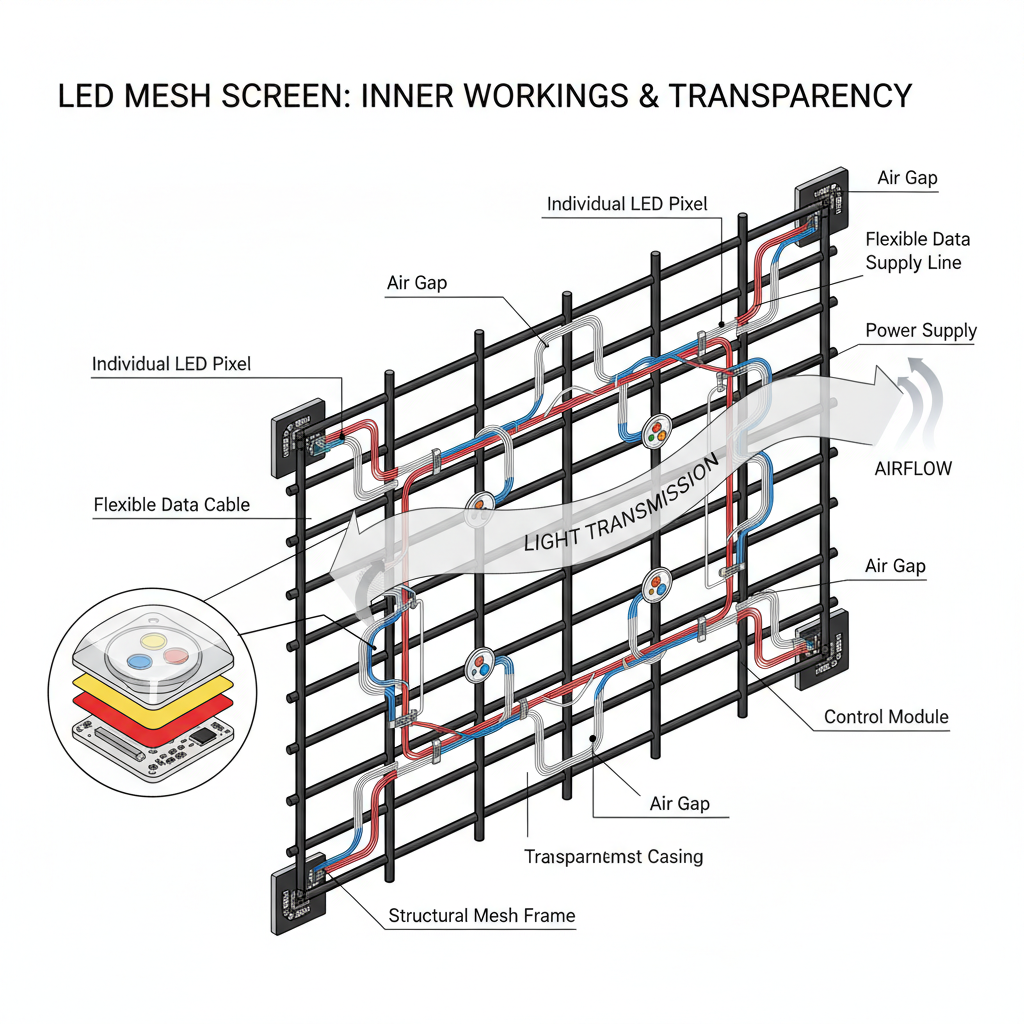
This design allows light and air to pass through freely. The transparency level can often be customized, ranging from 15% to over 80%, depending on the pixel pitch (the distance between pixels). A wider pitch means higher transparency but lower resolution, so it's a trade-off based on viewing distance and content.
Key Components and Materials in a Mesh LED Display
An LED mesh screen is more than just lights on a grid. Here are its key components:
LED Pixels: High-brightness diodes that produce light. Outdoor models use SMD (Surface-Mounted Device) or DIP (Dual In-line Package) LEDs designed to be visible in daylight.
Frame Structure: Typically made of lightweight aluminum or durable polycarbonate. This frame holds the LED strips and provides structural integrity without adding much weight.
Power & Data Systems: Integrated power supplies and control boxes that deliver electricity and video signals to each pixel.
Weatherproofing: Outdoor screens are sealed with silicone and have IP (Ingress Protection) ratings (like IP65 or higher) to protect against dust and water.
Why Transparency and Lightweight Design Matter
The two most significant advantages of LED mesh are its transparency and low weight. A traditional LED screen can weigh 50-60 kg per square meter, making it a structural challenge for many buildings. In contrast, an LED mesh screen can weigh as little as 10-20 kg per square meter.
This massive weight reduction simplifies installation, reduces structural load-bearing requirements, and lowers shipping costs. Transparency ensures that natural light can still enter a building and that people inside can see out. It allows the screen to become part of the architecture rather than just being attached to it.
Key Differences: LED Mesh Screens vs. Traditional LED Displays
When choosing a large-format display, many people get stuck between LED mesh and traditional LED screens. While both use LED technology to create images, they are designed for very different purposes and environments. A traditional screen is like a television, solid and opaque. A mesh screen is more like a digital curtain, offering a unique blend of light and structure.
Understanding their differences is crucial for selecting the right solution for your project. It's not about which is "better" but which is "right" for your specific goals, whether it's for an outdoor LED billboard or an indoor creative installation. Let's break down the key distinctions.
Structural and Weight Comparison: Mesh vs. Solid Panels
The most obvious difference is the physical build.
| Feature | LED Mesh Screen | Traditional LED Screen |
|---|---|---|
| Structure | Open grid-like frame (mesh) | Solid, enclosed cabinet |
| Weight | 10–20 kg/m² | 50–60 kg/m² or more |
| Thickness | Very slim, often under 100mm | Bulky, requires more space |
| Wind Load | Low, as wind passes through | High, acts like a sail |
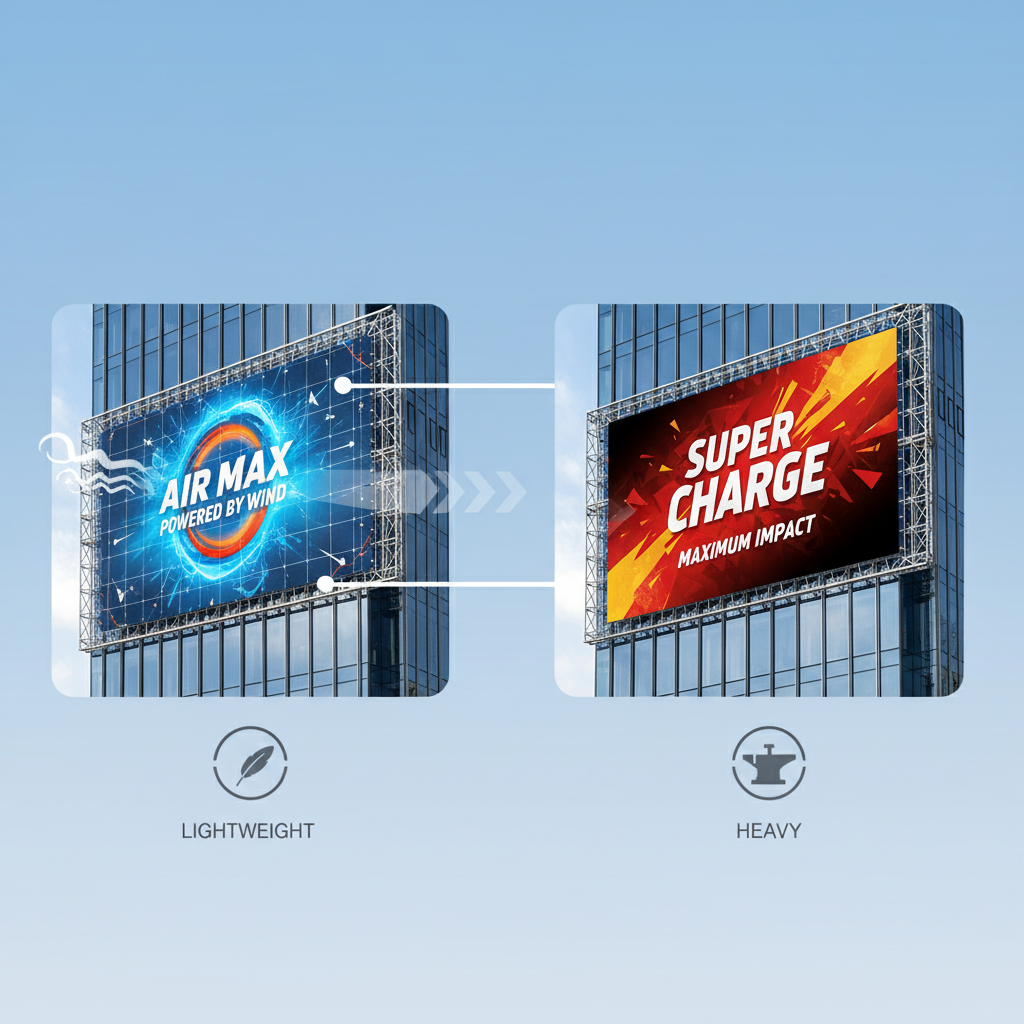
This structural difference is a game-changer. The lightweight nature of mesh screens allows them to be installed on surfaces that could never support a traditional screen, opening up new creative possibilities for media facades and large-scale event backdrops.
Visual Performance: Transparency, Brightness, and Viewing Angles
Visually, the two types of screens serve different needs. LED mesh offers transparency, which is its main selling point. This is perfect for building facades where maintaining daylight and views is important. However, this transparency comes at the cost of resolution. Because the pixels are spread out, the image is best viewed from a distance.
Traditional LED screens offer higher resolutions and are perfect for close-up viewing, like in a retail store or a conference room. They produce a solid, vibrant image with no gaps. Brightness is high in both, but outdoor mesh screens are specifically engineered to compete with direct sunlight while maintaining their lightweight profile.
Installation and Maintenance: Flexibility and Practicality
Installation for traditional screens is often a heavy-duty job, requiring cranes and significant structural support. In contrast, LED mesh panels are lighter and can often be installed more quickly with less equipment. Their flexible variants can even be curved and shaped to fit unique architectural features.
Maintenance is also simpler with mesh. If a pixel or strip fails, you can often replace just that single component without taking down the entire panel. With traditional screens, you might need to swap out a whole heavy cabinet, which can be more disruptive and costly.
The demand for outdoor LED screens, including mesh variants, has seen a rise in digital billboards and architectural projects. The outdoor LED market is expected to grow at a CAGR of 11.3% between 2023 and 2028.
Source: Statista, 2023
Types of LED Mesh Screens: Understanding Different Models
The world of LED mesh isn't one-size-fits-all. Different projects require different types of screens, each with its own unique characteristics and advantages. From flexible panels that wrap around columns to rugged outdoor screens that withstand harsh weather, the options are vast.
Choosing the right model is about matching the technology to your vision. Do you need a screen that can bend? Is it for an outdoor venue or an indoor art exhibit? Let's explore the main types of LED mesh screens to help you decide which is best for your needs.
Rigid vs. Flexible LED Panels: Which to Use and When?
Rigid LED Mesh: These screens come in fixed, flat panels. They are perfect for standard installations on flat building facades, large billboards, or as stage backdrops where a uniform, straight surface is needed. They are generally more cost-effective and offer excellent durability and stability. Use rigid panels when you need a simple, large-scale video wall on a flat surface.
Flexible LED Mesh: As the name suggests, these screens are bendable. Made from materials like rubber or flexible PCBs, they can be molded to fit curved surfaces, corners, or even create wave-like shapes. This makes them the top choice for creative architectural lighting, concert stage designs, and unique art installations. If your project involves non-traditional shapes, a flexible LED mesh screen is the way to go.
Outdoor vs. Indoor LED Mesh: Material and Brightness Specifications
The environment plays a huge role in determining the right screen.
Outdoor LED Mesh Screens: These are built tough. They feature high IP ratings (IP65+) to protect against rain and dust, use ultra-bright LEDs (5,000 nits or more) to stay visible in direct sunlight, and are made from UV-resistant materials. They are ideal for building facades, outdoor advertising screens, and stadium displays.
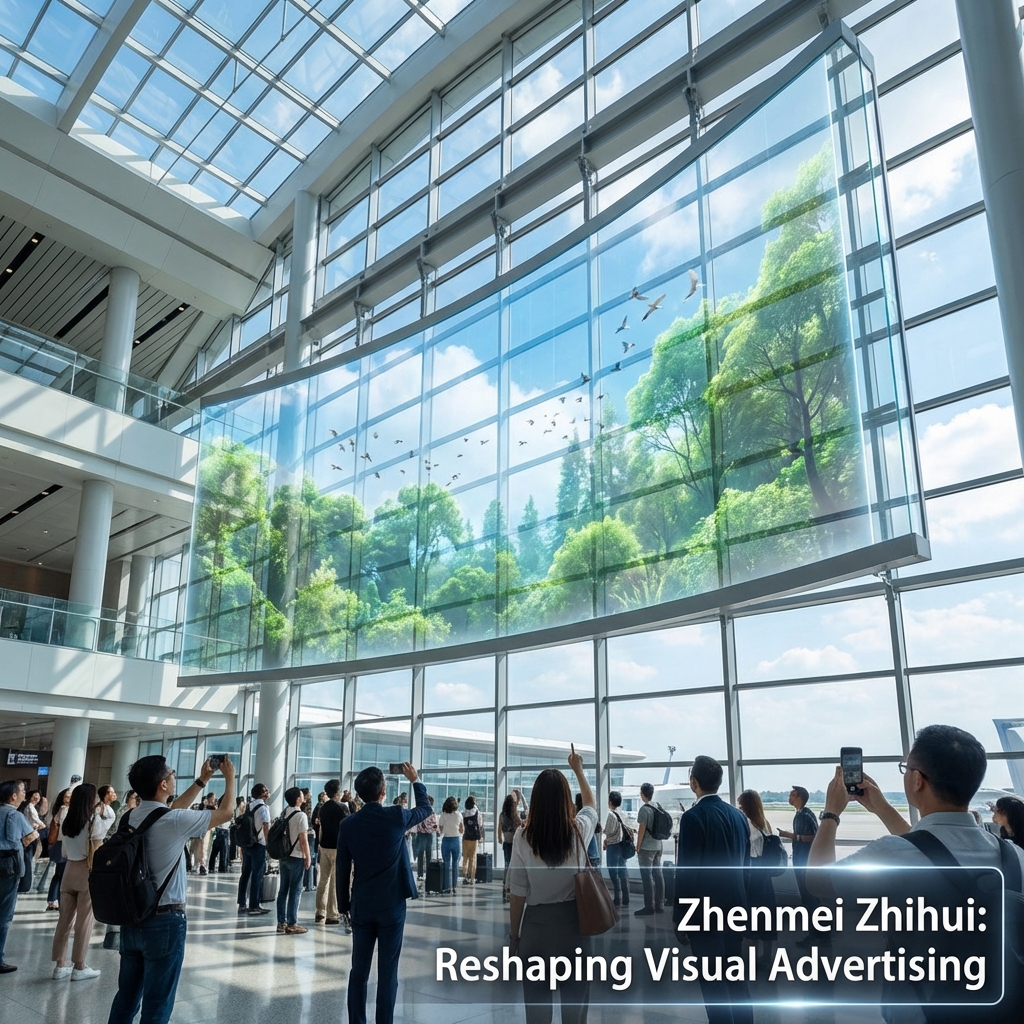
Indoor LED Mesh Screens: These prioritize resolution and aesthetics over ruggedness. They have lower brightness levels (around 1,000–2,000 nits), which is perfect for indoor ambient light. They are lighter and often have a higher transparency, making them great for shopping malls, airport interiors, and creative stage backdrops.
Curved LED Screen Solutions for Unique Architectural Designs
The ability to create a curved LED screen is one of the most exciting aspects of mesh technology. Using flexible panels, designers can create seamless, convex, or concave displays that flow with the building's architecture. Imagine a circular tower wrapped in a 360-degree video display or an undulating media wall in a hotel lobby.
These curved solutions break the mold of traditional flat screens, turning passive structures into living, breathing digital landmarks. They allow for more immersive and engaging visual experiences, which is why they are becoming increasingly popular in flagship retail stores, modern transportation hubs, and iconic urban projects.
When designing for a curved surface, always consider the viewing angles. The content might look distorted if not properly mapped to the screen's unique geometry. Work with your provider to create content specifically for the curve.
Unlocking the Benefits: Why Businesses Choose LED Mesh Screens
So, why is there so much buzz around LED mesh screens? Businesses and creators are choosing this technology because it solves a host of problems that traditional displays can't. It's not just about showing an advertisement; it's about doing it in a way that is elegant, efficient, and impactful.
From saving money on energy bills to creating unforgettable visual experiences, the benefits are clear. An LED mesh screen is an investment in a more dynamic and sustainable future for digital displays. Let's dive into the top reasons why businesses are making the switch.
Enhanced Visuals and High Visibility in Outdoor Settings
One of the standout features of an outdoor LED mesh screen is its ability to deliver stunning visuals in broad daylight. With brightness levels exceeding 5,000 nits, the content remains sharp and vibrant, even when the sun is shining directly on it. This makes it a powerful tool for outdoor advertising, ensuring your message is seen loud and clear.
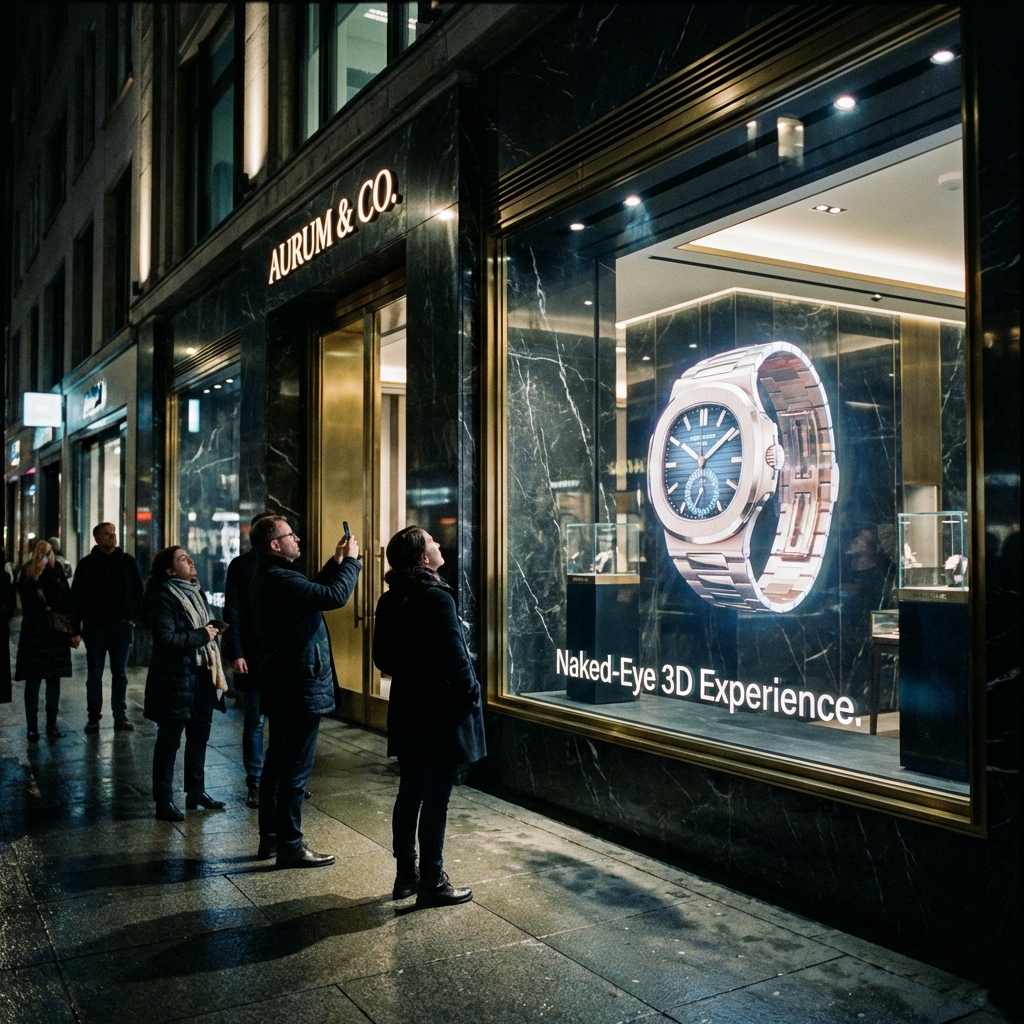
Furthermore, its see-through nature creates a unique "holographic" effect, especially at night. The visuals appear to float in mid-air, creating a captivating and memorable experience for passersby. This high-impact visual performance is a key reason why brands choose mesh for their flagship campaigns.
Durability and Weather Resistance for Long-Term Outdoor Performance
When you invest in an outdoor display, you need to know it can last. LED mesh screens are designed to withstand the elements. They are built with industrial-grade components and have high IP ratings, meaning they are sealed against dust, rain, snow, and humidity.
In 2023, the average lifespan of an LED mesh screen used outdoors is reported at approximately 50,000 hours, with a failure rate of less than 1% within the first five years of operation.
Source: LED Lighting Report, 2023
Their mesh structure also allows wind to pass through, reducing wind load and stress on the mounting structure. This makes them safer and more stable than solid screens, especially in large-scale installations on high-rise buildings. This durability ensures a reliable, long-term return on your investment.
Energy-Efficient LED Screens: A Sustainable Display Solution
In today's world, sustainability matters. LED mesh screens are champions of energy efficiency. Because they have fewer LEDs per square meter and a design that promotes natural cooling, they consume significantly less power than traditional LED displays—sometimes up to 60% less.
This energy efficiency does two things:
Reduces Operational Costs: Lower electricity bills mean a lower total cost of ownership over the screen's lifespan.
Supports Green Initiatives: For companies committed to sustainability, choosing an energy-efficient LED screen is a visible way to demonstrate their environmental responsibility.
This combination of lower costs and a smaller carbon footprint makes LED mesh a smart and sustainable choice.
Real-World Applications: From Advertising to Architectural Integration
The true power of LED mesh technology comes to life when you see it in action. Its unique combination of transparency, flexibility, and brightness has unlocked a whole new world of creative possibilities. From the dazzling billboards of Times Square to the subtle architectural lighting of a modern museum, LED mesh is everywhere.
This technology is not just for one industry; it's a versatile tool that can transform spaces in advertising, entertainment, architecture, and beyond. Let's explore some of the most exciting real-world applications where LED mesh screens are making a massive impact.
Transforming Outdoor Advertising Screens and LED Billboards
LED mesh has completely revolutionized outdoor advertising. Its lightweight nature allows for the creation of massive digital billboards on buildings where a traditional screen would be too heavy. Advertisers can now turn entire building facades into dynamic ad spaces, capturing the attention of thousands.
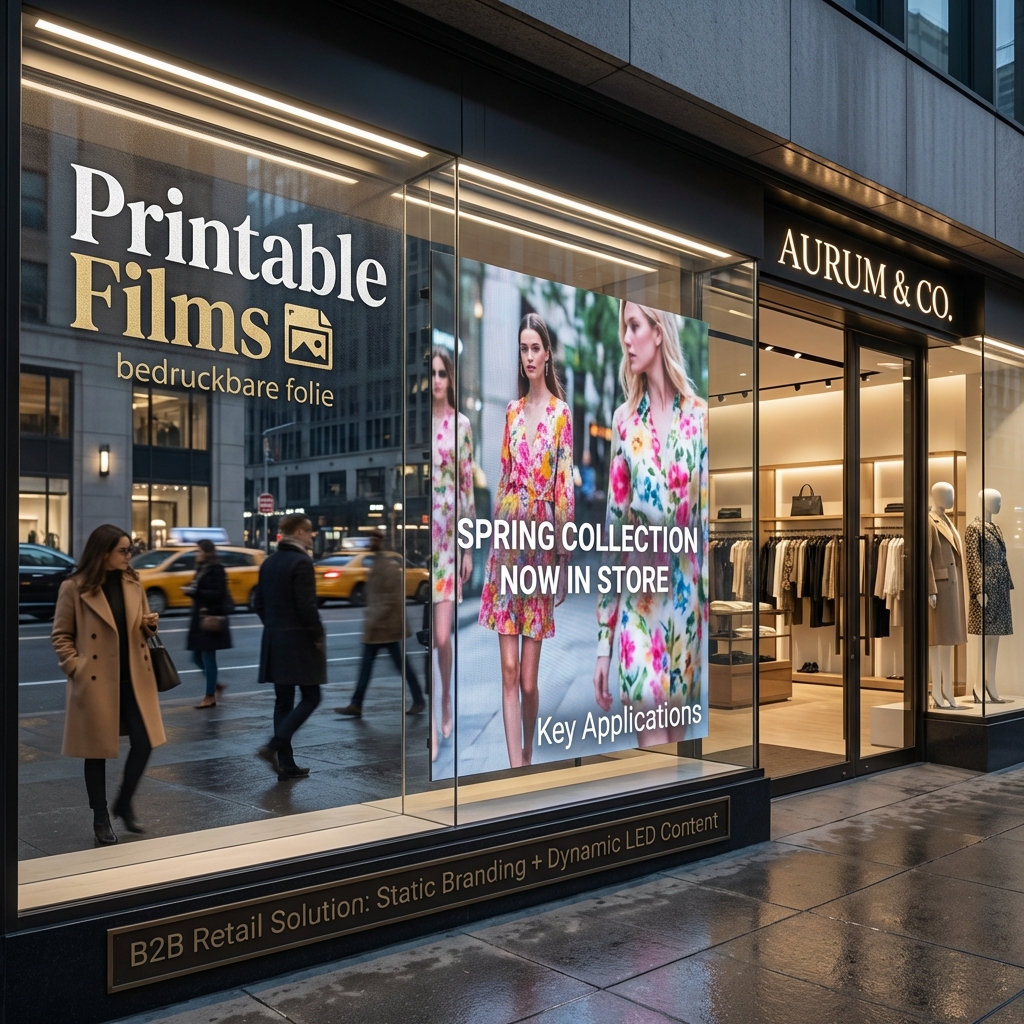
These screens can display high-definition video, animations, and interactive content, creating far more engaging campaigns than static billboards. Because they are transparent, they can be installed over windows without completely blocking the view from inside, making building owners more willing to lease their valuable facade space.
Creative Stage Design with Flexible LED Mesh Screens
In the world of live events, concerts, and theater, creating an immersive atmosphere is everything. A flexible LED mesh screen is a stage designer's dream come true. These screens can be shaped into curves, waves, or cylinders, creating stunning, multi-dimensional backdrops that traditional screens can't replicate.
Imagine a singer performing in front of a curved video wall that makes it feel like they are inside the content. Or a festival stage with see-through LED panels that allow lighting and special effects to shine through from behind. This flexibility gives designers the freedom to build truly unique and memorable visual experiences for the audience.
Architectural Lighting and Media Facades in Smart Cities
LED mesh is at the heart of the "media facade" trend, where the exterior of a building becomes a canvas for digital art and information. In smart cities, these facades can display public art, community messages, weather updates, or emergency alerts. It's a way to make architecture more interactive and communicative.
By integrating a transparent LED mesh screen into a building's design, architects can preserve the building's original aesthetic while adding a dynamic digital layer. This seamless integration of technology and architecture is a hallmark of modern urban design. Zhenmei Wisdom specializes in creating these kinds of custom solutions for large-scale architectural projects.
"Media facades are no longer just about advertising. They are becoming a tool for civic engagement and placemaking, turning buildings into landmarks that can react to and communicate with the city around them."
Frequently Asked Questions
How long do LED mesh screens last?
The lifespan of an LED mesh screen largely depends on its quality, usage, and environment. A high-quality outdoor screen, like those from Zhenmei Wisdom, is typically rated for 50,000 to 100,000 hours of use. With proper maintenance, this translates to many years of reliable operation.
What are the best practices for installing LED mesh screens outdoors?
Proper installation is key to longevity. Always ensure the screen is installed by certified professionals. Key practices include:
Structural Assessment: Ensure the building can support the screen's weight and wind load.
Proper Cabling: Protect all power and data cables from weather and physical damage.
Ventilation: Even though mesh is breathable, ensure there's enough airflow around control boxes and power supplies to prevent overheating.
How do you maintain and care for your LED mesh screen?
Maintenance is relatively simple. It involves:
Regular Cleaning: Gently wipe down the screen to remove dust and grime that can affect brightness.
Visual Inspections: Regularly check for any dead pixels or malfunctioning modules.
Software Updates: Keep the control software updated to ensure optimal performance and security.
Pro Tip: Schedule a professional check-up once a year. A technician can inspect the internal components and ensure everything is running smoothly, preventing major issues down the road.
References
Grand View Research. (2023). LED Display Market Size, Share & Trends Analysis Report.
Statista. (2023). Outdoor LED Display Market Growth Worldwide.
LED Lighting Report. (2023). Annual Report on LED Lifespan and Reliability.