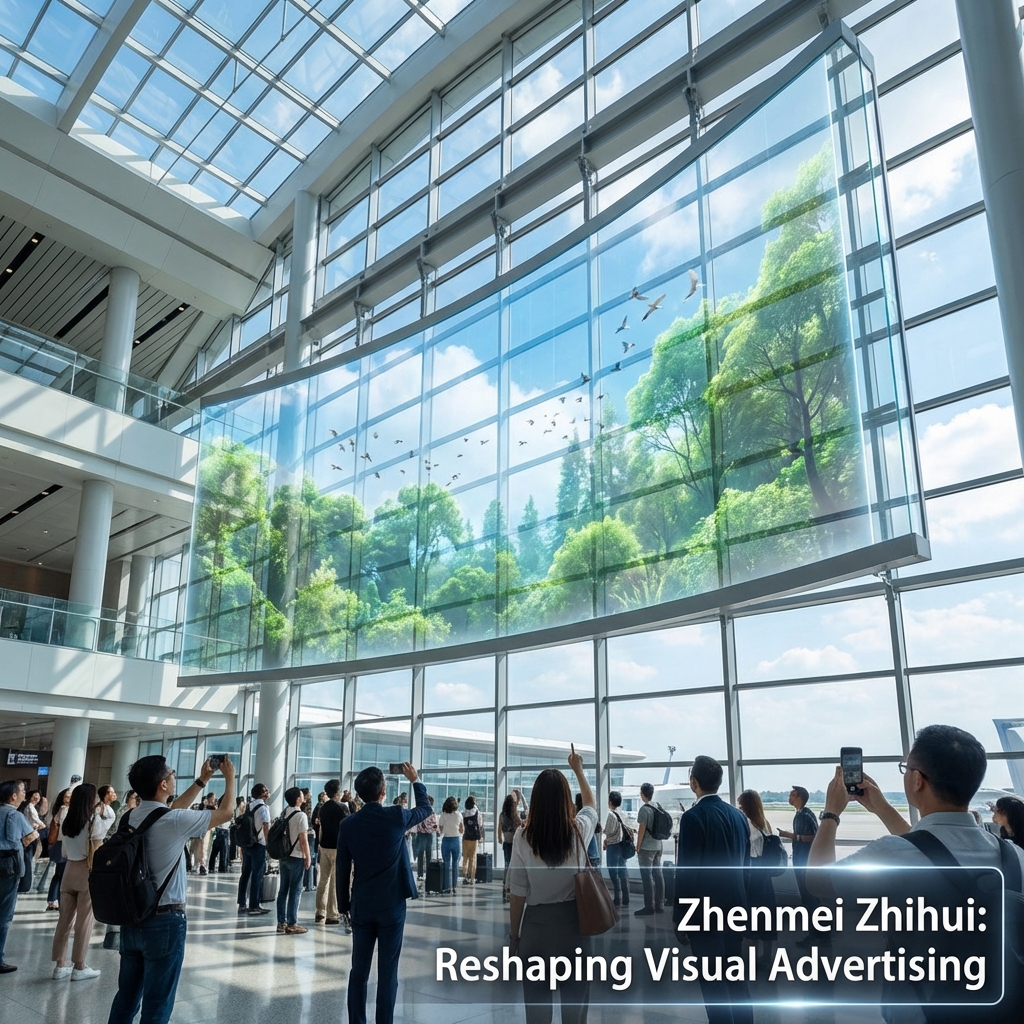
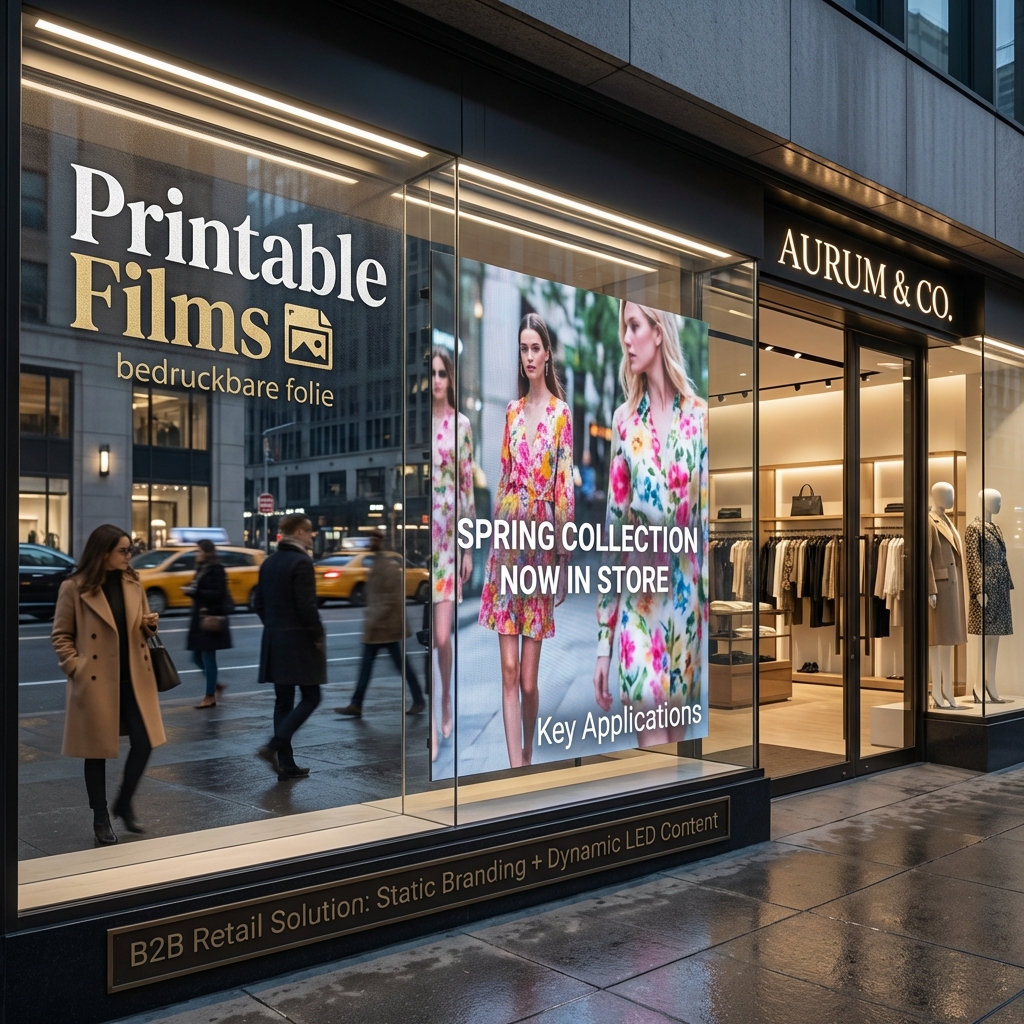
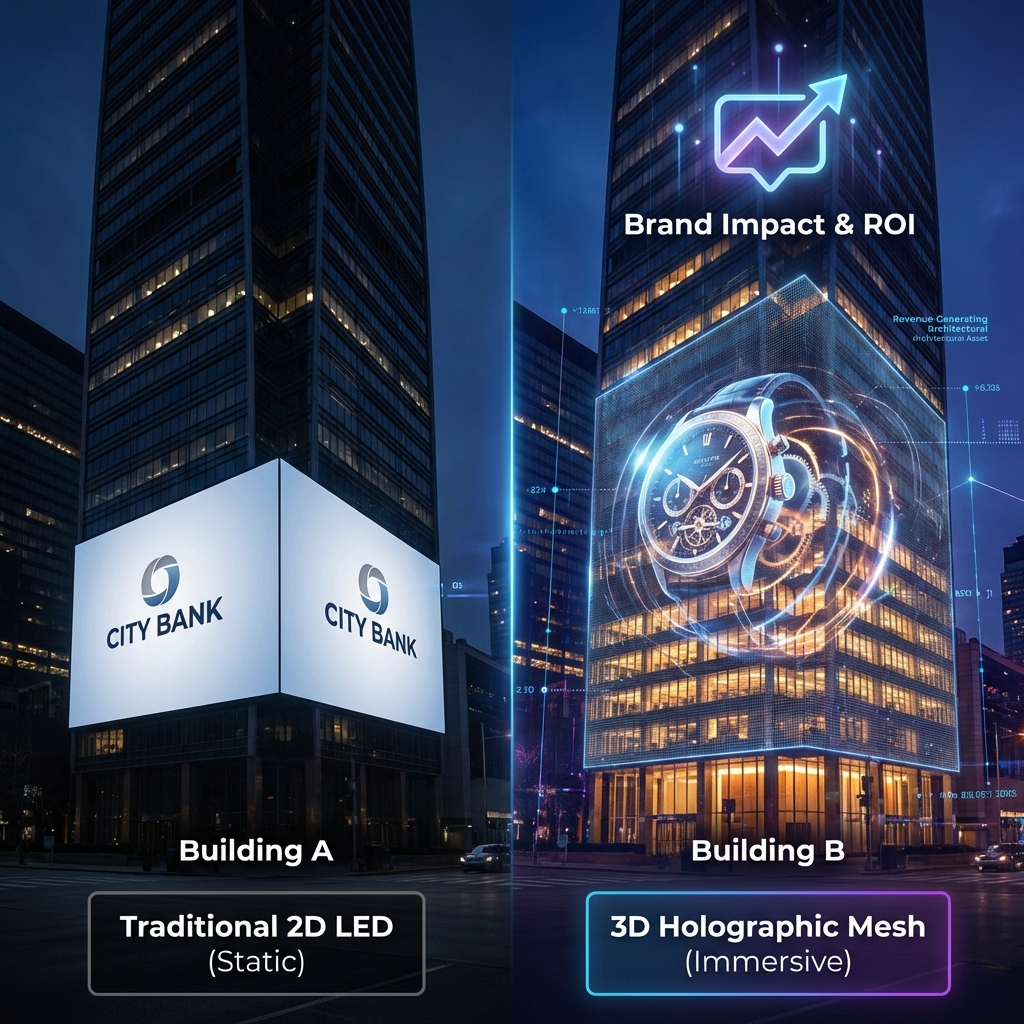
Transparent LED screens have revolutionized modern architectural design and commercial advertising, offering a captivating blend of vivid imagery and see-through elegance. But for businesses considering this significant investment, a critical question often arises: "What is the lifespan of a transparent LED screen?" Understanding the durability, maintenance requirements, and long-term value of these innovative displays is paramount for making informed procurement decisions. This guide, drawing on cutting-edge industry insights and real-world experience, delves deep into every facet of transparent LED screen longevity, ensuring you have the knowledge to maximize your investment.

Your Essential Guide to Transparent LED Screen Lifespan
How many operating hours can a transparent LED screen offer? High-quality transparent LED screens are typically rated for about 50,000 – 100,000 operating hours, equivalent to roughly 6 to 11 years of continuous 24/7 use, or 8 to 15 years in typical commercial applications.
What are the primary factors influencing transparent LED display longevity? Key factors include the quality of LED chips, efficient heat dissipation, stable power supply, environmental conditions (humidity, UV, temperature), consistent usage patterns, and diligent maintenance routines.
Is brightness loss the only indicator of a transparent LED screen aging? No, while brightness degradation is the most common and noticeable sign of aging, other factors like structural integrity, electrical component failures, and module malfunctions can also impact the display's effective lifespan.
Do environmental conditions significantly shorten transparent LED screen life? Yes, harsh external environments with high humidity, direct UV exposure, extreme temperatures, and excessive dust accelerate aging and can significantly reduce the operational lifespan compared to controlled indoor settings.
Can proactive maintenance genuinely extend a transparent LED display's service life? Absolutely. Regular cleaning, stable power supply, proper ventilation, and moderate brightness adjustments are crucial best practices that can dramatically prolong a transparent LED screen's operational life.
How does the lifespan of transparent LED screens compare to traditional LED displays? Transparent LED screens generally offer a similar lifespan to traditional LED displays. In some cases, their open-frame design can provide better natural heat dissipation, potentially leading to comparable or even slightly superior longevity under specific conditions.
Understanding Transparent LED Screen Lifespan: Manufacturer Claims vs. Real-World Durability
When evaluating the long-term viability of a transparent LED screen, the first number you'll likely encounter is its rated lifespan. This figure, often ranging from 50,000 to 100,000 operating hours, serves as a crucial benchmark, yet it's essential to understand its nuances. This section unpacks what these numbers truly signify and how they translate into the practical, day-to-day durability of your display. We'll explore the distinction between laboratory-tested conditions and the dynamic challenges of real-world installations, offering a clearer picture for businesses planning their digital signage investments.
The Rated Lifespan: Decoding the 50,000 to 100,000 Hour Benchmark
The industry standard for a high-quality LED display, including its transparent counterparts, is a rated lifespan of 50,000 to 100,000 hours. This impressive figure isn't an arbitrary number; it represents the estimated time until the display's brightness degrades to approximately 50% of its original output. This doesn't mean the screen will suddenly fail at the 50,001st hour, but rather that its visual performance will have diminished to a point where it may no longer meet optimal display standards for certain applications. This metric, often derived from accelerated aging tests in controlled laboratory environments, provides a theoretical maximum under ideal conditions.
Recent industry analyses indicate that while 100,000 hours is an ambitious target, a realistic lifespan expectation for a well-maintained transparent LED display from a reputable manufacturer typically falls into the 70,000 to 90,000 hour range before significant brightness depreciation.
This benchmark is critical for B2B buyers as it helps in initial project planning and budget allocation, setting an expectation for the display's primary operational period. However, it's merely a starting point, as numerous variables in the real world can either extend or curtail this theoretical figure. The true value lies not just in the number, but in understanding the factors that influence its attainment.
Translating Hours to Years: What 'Continuous Use' Truly Means for a Transparent LED Display
Translating operating hours into practical years requires considering the display's usage patterns. If a transparent LED screen were to run continuously, 24 hours a day, 7 days a week, 50,000 hours would equate to approximately 5.7 years, while 100,000 hours would be around 11.4 years. However, most commercial transparent LED screens, such as those used in retail storefronts or exhibition spaces, do not operate 24/7. They typically run for 12-18 hours a day, or even less for event-based installations.
For instance, a display operating 12 hours a day, 365 days a year, would log 4,380 hours annually. At this rate, a 50,000-hour screen would last over 11 years, and a 100,000-hour screen could exceed 22 years. This calculation highlights that the "years of service" are highly dependent on operational cycles. For a B2B buyer, this means assessing your actual usage needs to project a more realistic operational timeline for your transparent LED investment, ensuring it aligns with your long-term business objectives and marketing strategies.
Why Brightness Degradation, Not Sudden Failure, Defines the End of a Transparent LED Screen's Service Life
Unlike traditional incandescent bulbs that "burn out," LED technology ages differently. The rated lifespan of a transparent LED screen primarily refers to the point at which its light output (brightness) gradually diminishes to an aesthetically unacceptable level, rather than a catastrophic system failure. This brightness degradation, often expressed as L50 (50% of original brightness), is a natural process inherent to LED diodes. It's a slow, progressive dimming that occurs over tens of thousands of hours, making the display less vibrant and impactful over time.
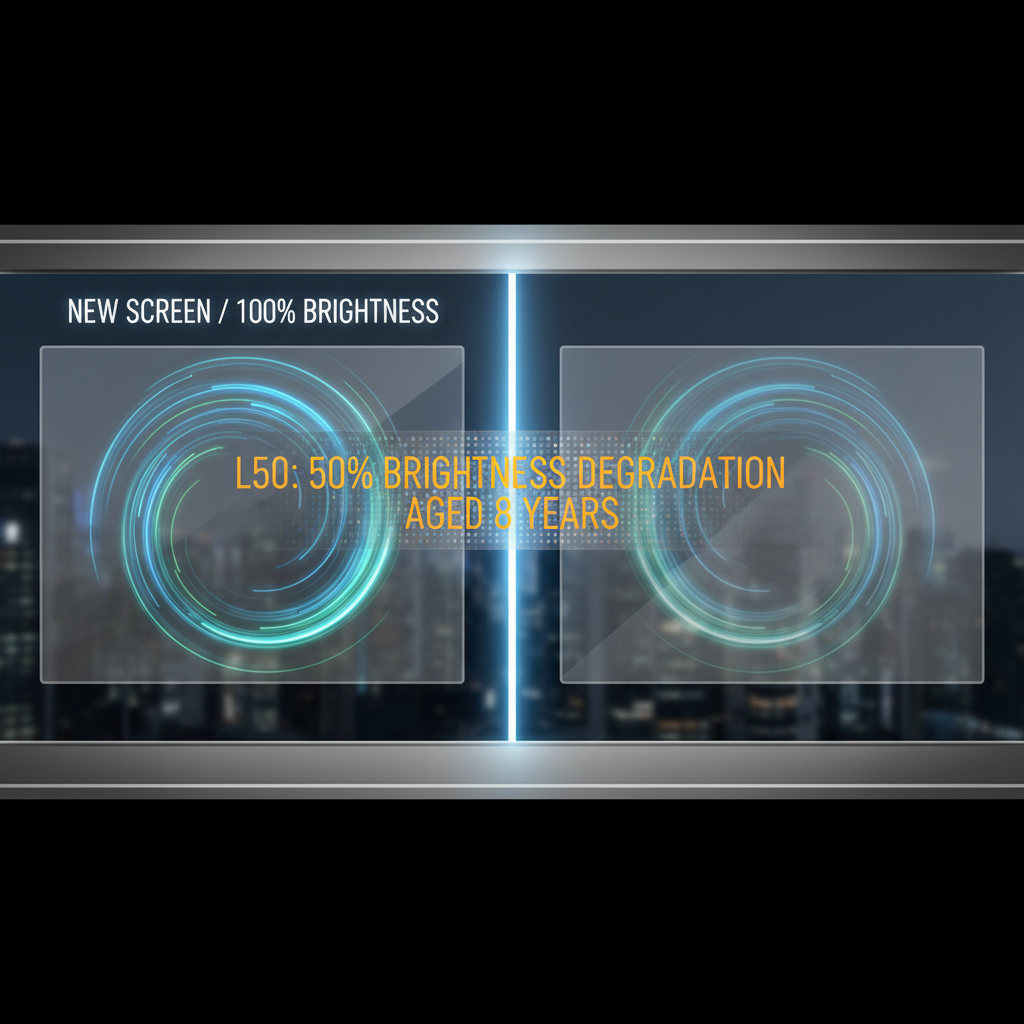
While a transparent LED screen can continue to function beyond this L50 point, its effectiveness as a dynamic advertising or communication tool decreases significantly. For high-impact applications, such as a transparent display on a retail facade or in a corporate lobby, maintaining optimal brightness is crucial for brand perception and message clarity. Understanding this phenomenon helps businesses plan for eventual upgrades or replacements, not due to total system failure, but due to a gradual decline in visual fidelity that no longer meets their professional standards. This nuanced understanding distinguishes savvy buyers from those who might expect a sudden, definitive end-of-life event.
The Engineering Core: Internal Factors Critical to Transparent LED Display Longevity
The remarkable lifespan claims of transparent LED screens aren't magic; they're the result of sophisticated engineering and meticulous component selection. Beneath the sleek, transparent surface lies a complex array of internal factors that collectively dictate how long and how effectively these displays perform. From the microscopic LED chips that emit light to the intricate heat management systems, every internal element plays a vital role in the display's resilience and durability. This section delves into the technical heart of transparent LED screens, illuminating the fundamental engineering principles that drive their longevity.
The Power of the Pixel: How LED Chip Quality and Binning Impact Lifespan
At the very core of every transparent LED screen are its individual LED chips, often referred to as "lamp beads." The quality and brand of these chips (e.g., NationStar, Cree) are paramount to the display's overall lifespan. High-quality chips are manufactured with superior materials and tighter tolerances, ensuring consistent light output and slower degradation rates. Poor quality or generic chips, on the other hand, may dim rapidly, experience color shifts, or fail prematurely, leading to inconsistent display performance and a significantly shortened functional life.
"Binning" is another critical factor related to LED chip quality. After manufacturing, LEDs are sorted into "bins" based on their brightness, color, and forward voltage. Reputable manufacturers use tightly binned LEDs, ensuring uniformity across the entire display. This not only guarantees a visually consistent image from day one but also contributes to a more predictable and longer lifespan, as all pixels age more uniformly. A transparent LED screen’s longevity is, fundamentally, the sum of the endurance of its individual light-emitting elements.
Heat Dissipation: The Unsung Hero in Extending Transparent LED Screen Life
Heat is the primary enemy of LED longevity. Every electronic component, especially LEDs, generates heat during operation, and excessive heat accelerates the degradation of the LED chips and other electronic components. This is where effective heat dissipation becomes the "unsung hero" for transparent LED screen lifespan. Transparent displays often have an inherent advantage due to their open-frame or lattice-like structure, allowing for more natural airflow compared to traditional, fully enclosed LED panels.
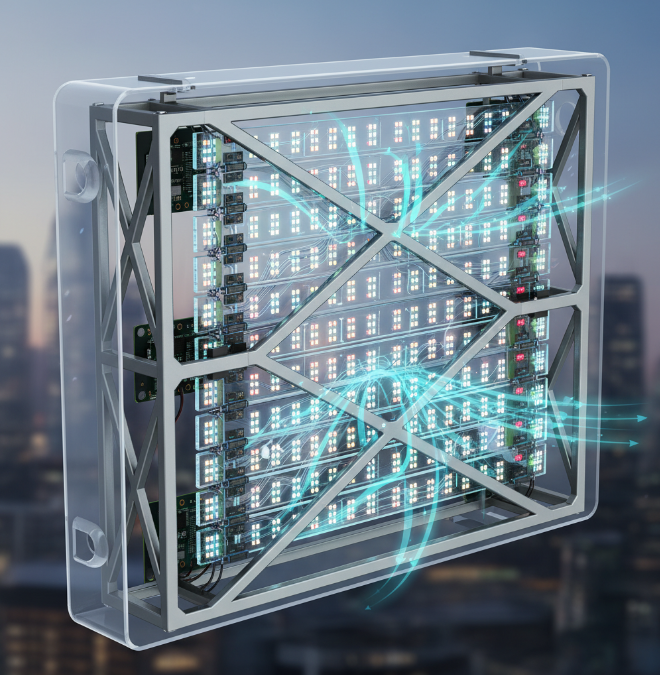
However, advanced thermal management solutions are still crucial. These include:
High-conductivity materials: Using aluminum or other heat-conductive alloys for internal frames and module backs.
Optimized circuit board design: Spreading components to reduce localized hot spots.
Passive cooling fins: Integrated designs that increase surface area for heat exchange.
Smart fan systems (for certain models): Although less common in transparent designs due to open nature, some specialized applications might incorporate them.
Effective heat dissipation ensures that LED junction temperatures remain within safe operating limits, significantly slowing down the brightness degradation process and safeguarding the integrity of other electronic components. Without proper thermal management, even the highest quality LED chips will fail prematurely, undermining the entire investment.
Stable Power Supply and Robust Electronic Components: Foundation for Durability
Beyond the LED chips themselves, the stability of the power supply and the quality of other electronic components are foundational to a transparent LED screen's durability. A fluctuating or unstable power supply can stress LED drivers, control cards, and even the LED chips, leading to erratic performance, component failure, and a reduced lifespan. High-quality power supplies, with features like over-voltage protection, over-current protection, and active power factor correction, are essential for providing consistent and clean power.
Furthermore, the quality of other electronic components, such as capacitors, resistors, and connectors, contributes significantly to the overall reliability. Using industrial-grade components designed for long operational cycles and specific environmental conditions (e.g., temperature ranges, humidity resistance) ensures that the entire system functions harmoniously for an extended period. These often-overlooked elements are critical points of failure if inferior quality parts are chosen, underscoring the importance of a holistic approach to component selection in transparent LED screen manufacturing.
Manufacturing Precision and Material Selection: Building a Transparent LED to Last (A Zhenmei Wisdom Perspective)
The best components can only perform optimally if they are assembled with precision and housed within a well-designed structure. Manufacturing precision is key to ensuring proper alignment, secure connections, and effective sealing against environmental ingress. Automated assembly processes, strict quality control protocols, and comprehensive testing throughout the production cycle are hallmarks of a manufacturer committed to longevity.
Material selection for the display's frame, module casing, and internal wiring also directly impacts durability. Lightweight yet robust materials that resist corrosion, deformation, and UV degradation are essential, especially for transparent screens often exposed to varying conditions. For example, Zhenmei Wisdom, a China-based specialist in producing flexible transparent screens, emphasizes the use of high-grade materials and advanced manufacturing techniques. Their focus on flexible transparent screens for applications like retail façades and commercial spaces means they understand the critical balance between transparency, structural integrity, and long-term performance. By meticulously selecting materials that withstand the demands of specific environments and ensuring precise assembly, manufacturers like Zhenmei Wisdom build a foundational durability into their products, providing customers with reliable and long-lasting display solutions. This integrated approach, from raw material to final product, defines true engineering excellence.
Navigating Environmental Challenges: External Factors Shaping Transparent LED Screen Lifespan
While internal engineering prowess is crucial, the world outside the transparent LED screen plays an equally significant role in its longevity. Environmental conditions are dynamic and can present formidable challenges to the delicate electronic components and structural integrity of a display. Whether installed indoors or outdoors, factors like humidity, temperature, UV radiation, and even dust can significantly accelerate the aging process, turning a theoretical decade of service into a mere few years. Understanding these external forces and how to mitigate their impact is vital for protecting your investment.
Humidity and Moisture Ingress: Protecting Your Transparent LED Display with IP Ratings
Water and electronics are a perilous combination. High humidity, condensation, and direct moisture ingress are among the most detrimental external factors affecting transparent LED screens. Moisture can lead to short circuits, corrosion of internal components (like circuit boards and connectors), and ultimately, premature failure. This is particularly critical for transparent displays, which often have an open or semi-open structure by design.
This is where Ingress Protection (IP) ratings become indispensable. An IP rating, such as IP65 or IP67, indicates a device's resistance to solids (dust) and liquids (water).
IP65: "Dust tight" and protected against "water jets from any direction." Suitable for many outdoor, semi-exposed applications.
IP67: "Dust tight" and protected against "immersion in water up to 1 meter for 30 minutes." Offers superior protection for harsher outdoor environments.
For transparent LED screens destined for outdoor facades or humid indoor spaces, selecting a display with an appropriate IP rating is non-negotiable. This engineering specification directly correlates with the display's ability to withstand environmental moisture, ensuring its components remain dry and functional, thereby preserving its operational lifespan. Ignoring this critical rating is a direct path to costly early replacements and maintenance headaches.
The Invisible Threat: UV Radiation and Temperature Fluctuations on Transparent LED Longevity
Beyond moisture, two other potent environmental aggressors are often overlooked: ultraviolet (UV) radiation and extreme temperature fluctuations.
UV Radiation: Just as UV light damages human skin, it can degrade the plastics, resins, and sealants used in transparent LED modules and frames. Prolonged exposure to direct sunlight can cause materials to become brittle, discolored, or crack, compromising the display's structural integrity and its ability to protect internal components. While the LED chips themselves are somewhat resistant, the protective encapsulants and external housing are vulnerable. Choosing displays with UV-resistant coatings or materials is essential for sunny outdoor installations.
Temperature Fluctuations: Rapid and extreme changes in temperature cause materials to expand and contract. Over time, this thermal cycling can lead to material fatigue, weakening solder joints, cracking circuit boards, and breaking seals. While LEDs are designed for a specific operating temperature range, constant exposure to temperatures outside this range, or frequent, drastic swings, will shorten their life. Displays exposed to harsh climates require robust thermal design and materials that can withstand these stresses without premature wear.
Dust, Air Pollutants, and Mechanical Stress: Mitigating External Degradation
Transparent LED screens, especially those in urban or industrial settings, face a constant barrage of dust and air pollutants. Dust accumulation can impede heat dissipation by forming an insulating layer, leading to overheating. Fine particulate matter can also work its way into unsealed components, causing short circuits or hindering connections. Air pollutants, particularly corrosive gases like sulfur dioxide, can chemically react with metallic components, causing oxidation and premature failure. Regular cleaning and an adequate IP rating become crucial defenses here.
Mechanical stress, though less common, can also impact longevity. This includes vibrations from heavy traffic, accidental impacts, or even inadequate structural support during installation. Transparent screens, often lighter but structurally intricate, require careful mounting and protection from potential physical damage. A robust frame design and proper installation techniques are vital for mitigating these forms of mechanical degradation. Proactive measures against these pervasive external factors are not just about maintenance; they are fundamental to ensuring the transparent LED screen delivers its expected service life.
Lifespan Differences: Transparent LED Screens for Indoor Retail vs. Outdoor Facades
The environment plays such a critical role that the expected lifespan of a transparent LED screen can vary significantly between indoor and outdoor applications.
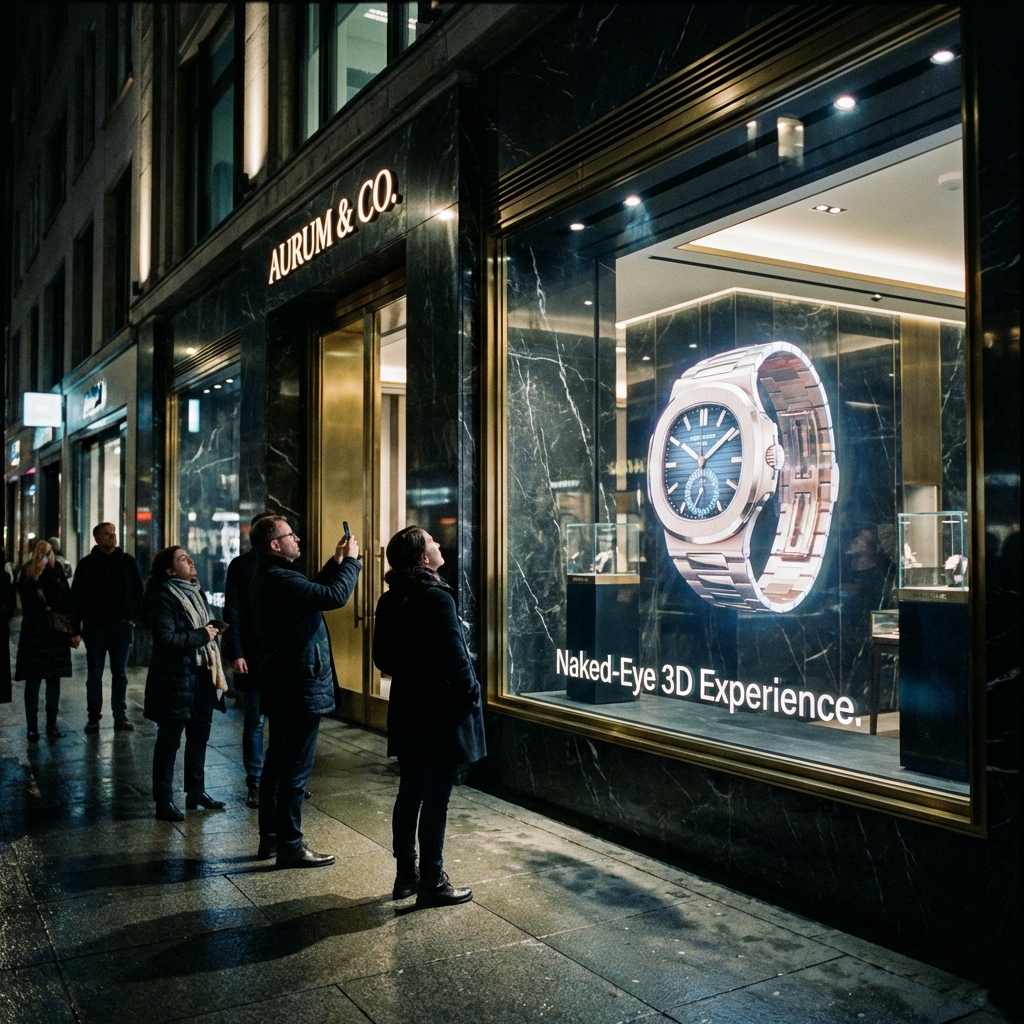
Indoor Retail/Corporate Environments: These settings generally offer stable temperatures, controlled humidity, minimal dust, and no direct UV exposure. In such benign conditions, a high-quality transparent LED display, like those offered by Zhenmei Wisdom for flexible transparent screens, can realistically achieve or even exceed its upper-range lifespan estimates (e.g., 10-15 years for typical operational hours). The primary aging factor here is usually just the natural brightness degradation of the LEDs.
Outdoor Facades/Semi-Outdoor Applications: Displays mounted on building facades, in open-air shopping centers, or in transit hubs face the full brunt of environmental challenges. UV radiation, rain, snow, extreme hot/cold temperatures, high humidity, wind-blown dust, and even corrosive salt air in coastal regions will accelerate component degradation. Even with a high IP rating (e.g., IP65 or IP67), the continuous exposure to these elements means a slightly shorter, albeit still impressive, lifespan is often expected (e.g., 8-12 years).
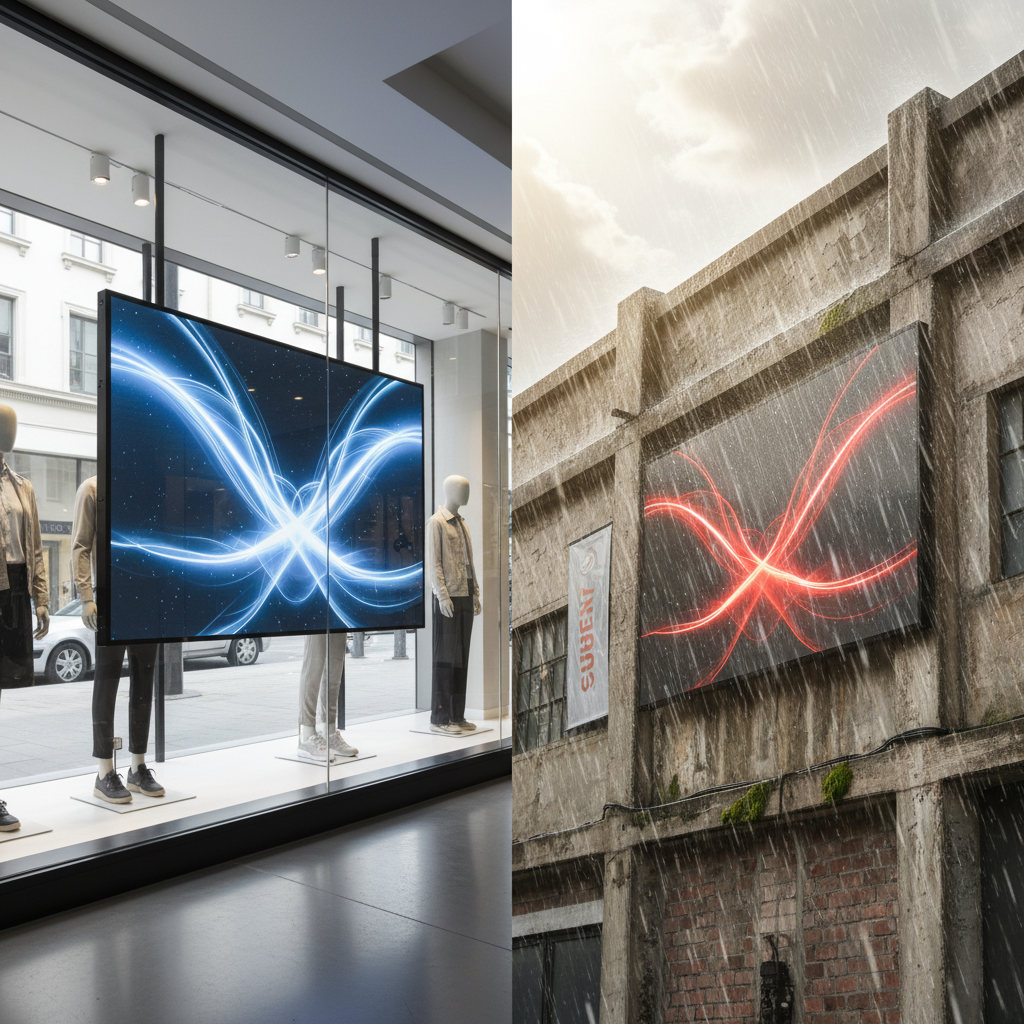
The choice of display model, its IP rating, and the specific installation environment are critical considerations. For businesses, this means aligning the product's specifications with the installation context to achieve the most durable and cost-effective solution, ensuring that the transparent LED screen remains a vibrant asset for its intended operational period.
Strategic Operation: Optimizing Usage Patterns for Maximizing Transparent LED Screen Life
The environment sets the stage, but how a transparent LED screen is operated day-to-day writes its longevity story. Just like a vehicle, a display’s lifespan isn't solely about its build quality; it's heavily influenced by its usage. Strategic operational choices can significantly extend the life of your transparent LED display, transforming it from a mere piece of hardware into a long-term, high-performing asset. This section explores how adjusting brightness, managing operational hours, and maintaining controlled environmental conditions through operational practices can dramatically impact the display’s service life and overall return on investment.
Brightness Settings: Balancing Visual Impact with Component Preservation
One of the most powerful levers for extending a transparent LED screen's lifespan lies in its brightness settings. While it might be tempting to run the display at maximum brightness to ensure maximum impact, doing so continuously significantly accelerates the aging process of the LED chips. Higher brightness demands more current, which generates more heat – the primary antagonist to LED longevity.
Industry experts suggest that reducing the brightness setting by even a modest 10-20% from its absolute maximum can extend the life of an LED display by up to 25%.
This is not to say you should always run your display dimly. The goal is balance. For indoor applications or at night, transparent LED screens often don't need to be at 100% brightness to be effective. Implementing adaptive brightness controls, which automatically adjust output based on ambient light levels, is an intelligent strategy. This ensures optimal visibility when needed while reducing stress on components during dimmer conditions. By consciously managing brightness, businesses can achieve their desired visual impact without unnecessarily sacrificing the longevity of their transparent LED screen, making it a sustainable and cost-effective operational choice.
Continuous vs. Intermittent Operation: Understanding Wear and Tear
The operational schedule—whether a transparent LED screen runs continuously 24/7 or intermittently for specific hours—has a distinct impact on its wear and tear.
Continuous Operation (24/7): While some components, like power supplies, might experience consistent stress, LEDs actually prefer a stable operating state rather than frequent power cycling. The primary factor in continuous operation is the cumulative effect of heat generation and constant electrical load, leading to a steady, predictable rate of brightness degradation over many years. The 50,000-100,000 hour estimates are often based on this continuous usage scenario.
Intermittent Operation: Many commercial applications, such as a transparent display in a retail window, operate for 12-18 hours daily. This intermittent usage often results in a longer calendar lifespan (more years) for a given number of operating hours because the display gets periods of "rest," allowing components to cool down and recover. However, frequent power cycling can sometimes introduce thermal stress if not managed properly, though this is less significant for modern, well-designed systems.
The key takeaway for B2B buyers is that intermittent use generally translates to a longer overall lifespan in terms of years. However, the fundamental principle of heat management and consistent power delivery remains paramount, regardless of the schedule. Understanding your operational needs helps in projecting a more accurate timeline for the display's effective service life.
The Role of Controlled Environments in Extending Transparent LED Display Service Life
While sometimes a given, maintaining a controlled environment is an operational strategy that significantly extends the service life of transparent LED displays, especially for indoor installations. This goes beyond simply putting the display indoors. It involves actively managing:
Temperature: Keeping the ambient temperature within the manufacturer's recommended operating range (typically 0-40°C or 32-104°F) prevents overheating and thermal stress.
Humidity: Controlling relative humidity (e.g., 10-90% non-condensing) prevents moisture-related corrosion and short circuits. Dehumidifiers or air conditioning can be instrumental in highly humid areas.
Air Quality: Minimizing dust, smoke, and corrosive air pollutants in the vicinity reduces physical and chemical degradation of components. Regular air filtration in the environment can be beneficial.
For transparent screens in storefronts, ensuring proper ventilation around the display (even if it's "transparent" and open) prevents heat pockets from forming. In larger architectural installations, careful consideration of the building's HVAC system and facade design plays into creating a more benign micro-environment for the display. By actively controlling these environmental variables, businesses can mitigate external stressors, allowing the internal engineering and operational choices to maximize the display's inherent durability, translating into years of reliable, high-performance visual communication.
Advanced Maintenance Strategies: Extending the Service Life of Your Transparent LED Display
Investing in a transparent LED display is a long-term commitment, and like any high-performance asset, it thrives on proactive care. Far from being a "set-it-and-forget-it" solution, these displays require a strategic approach to maintenance to unlock their full lifespan potential. Implementing a robust maintenance regimen isn't just about fixing problems when they arise; it's about preventing them, preserving optimal performance, and ensuring your transparent LED screen continues to deliver exceptional visual impact for years beyond its initial projections. This section outlines advanced maintenance strategies designed to maximize the service life of your valuable display.
Scheduled Cleaning, Dust Prevention, and Proper Ventilation Checklists
Regular physical maintenance is the first line of defense for any transparent LED display. Dirt, dust, and grime can accumulate on the screen surface and within its open structure, impacting both visual clarity and thermal performance.
Cleaning Frequency: For indoor displays, a quarterly or bi-annual cleaning might suffice. Outdoor displays, especially in dusty or polluted urban environments, may require monthly or even bi-weekly cleaning.
Cleaning Method: Always use a soft, lint-free cloth and a specialized, non-abrasive, electronics-safe cleaning solution. Avoid harsh chemicals or excessive moisture. For transparent screens, pay attention to both front and back surfaces.
Dust Prevention: While full dust prevention is impossible, minimizing it through air filtration in indoor environments or by selecting displays with higher IP ratings (e.g., IP65) for outdoor use helps significantly.
Ventilation Checklists: Regularly inspect that no obstructions (e.g., debris, new fixtures) are blocking the natural airflow around the display. Ensure any passive cooling fins or, if present, active cooling vents are clear and functioning. Proper airflow is critical for heat dissipation and preventing component overheating.
Implementing a documented checklist for these tasks ensures consistency and accountability, transforming reactive fixes into proactive preservation of the display's health.
Power Stability and Grounding Best Practices for Transparent LED Screens
A stable and clean power supply is as crucial as proper ventilation. Fluctuations in voltage, power surges, or an unstable current can severely damage sensitive electronic components within the transparent LED display.
Surge Protection: All transparent LED screens should be connected through high-quality surge protectors or uninterruptible power supplies (UPS) to guard against sudden voltage spikes. For critical installations, a UPS can also provide backup power during short outages, preventing abrupt shutdowns that can stress components.
Voltage Regulation: In areas with known unstable grid power, a voltage regulator can ensure the display receives a consistent and optimal voltage level.
Proper Grounding: Ensure the entire transparent LED display system is correctly grounded according to electrical codes. Proper grounding protects against electrical faults, minimizes electromagnetic interference (EMI), and safeguards both the equipment and personnel. An inadequate ground can lead to intermittent issues, premature component failure, and safety hazards.
These power best practices mitigate unseen electrical stresses, providing a stable foundation for the display's long-term operation.
Routine Inspections and Proactive Component Replacement (e.g., power supplies, modules)
Beyond cleaning, a schedule of routine technical inspections is vital. This involves a closer look at the display's internal health.
Visual Inspection: Regularly check for loose cables, damaged connectors, signs of corrosion, or physical wear and tear on modules and frames. Look for any visible pixel failures or inconsistent brightness across modules.
Diagnostic Software: Utilize the manufacturer's diagnostic software to monitor component health, temperature, power consumption, and error logs. This data can predict potential issues before they become critical.
Proactive Component Replacement: Components like power supplies and certain control cards often have their own lifespans, sometimes shorter than the LEDs themselves. Instead of waiting for a total failure, consider a preventative replacement schedule for these key components, especially after 5-7 years of continuous operation, based on manufacturer recommendations and usage intensity. Replacing a worn power supply proactively can prevent cascading failures in other modules.
Module Replacement Feasibility: High-quality transparent LED systems are designed with modularity in mind. This allows for easy replacement of individual panels or specific LED modules if they fail or degrade significantly, rather than requiring the replacement of the entire screen. This modularity is a key factor in extending the effective overall lifespan of the installation.
By proactively addressing potential points of failure, businesses can ensure continuous, high-quality performance from their transparent LED display, significantly extending its useful life and protecting their investment.
Software Updates and Calibration: Maintaining Optimal Transparent LED Performance
Modern transparent LED displays are sophisticated digital systems, and like any computer, their performance can be optimized through regular software management.
Firmware Updates: Manufacturers frequently release firmware updates that can improve performance, enhance stability, fix bugs, and even optimize power consumption. Ensuring your display's control system is running the latest stable firmware is a simple yet effective way to maintain its health and efficiency.
Calibration: Over time, even uniformly binned LEDs can experience slight variations in brightness and color shifts due to aging. Regular calibration (e.g., annually or bi-annually, depending on usage) using specialized sensors and software can restore the display's color uniformity and brightness balance, ensuring a consistently stunning visual output. This recalibration is key to maintaining the "like-new" visual quality and extending the period for which the display remains aesthetically acceptable.
These software and calibration practices ensure that the display not only functions reliably but also continues to deliver the visual excellence it was designed for, maximizing its effective lifespan and preventing its early retirement due to perceived poor image quality.
Beyond Brightness: Common Failure Modes and Risks for Transparent LED Screens
While brightness degradation is the most commonly discussed "end-of-life" scenario for transparent LED screens, it's far from the only one. A comprehensive understanding of transparent LED screen longevity necessitates looking beyond the gradual dimming of pixels. Various other failure modes, ranging from structural weaknesses to electrical component malfunctions, can prematurely compromise a display's performance or render it inoperable. For B2B buyers, recognizing these potential risks is crucial for proactive planning, effective maintenance, and ultimately, ensuring the robustness of their investment.
Structural Integrity: Frame Corrosion and Mechanical Weakness
The physical structure of a transparent LED screen – its frame, mounting hardware, and module casings – is fundamental to its long-term stability and protection of internal components. Over time, especially in outdoor or semi-outdoor environments, this structural integrity can be compromised.
Frame Corrosion: Exposure to moisture, salt air (in coastal regions), or industrial pollutants can lead to corrosion of metallic frames and connectors. This weakens the structure, potentially causing warping, instability, or even critical failure, especially in large installations.
Mechanical Weakness/Fatigue: Constant vibrations (e.g., from nearby traffic), high winds, or material fatigue due to extreme temperature cycling can weaken structural joints, welds, and mounting points. This can lead to sagging, misalignment of modules, or the display becoming unsafe.
Material Degradation: UV radiation can degrade plastic components, making them brittle and prone to cracking, compromising seals and exposing internal electronics to the elements.
A well-engineered frame, using high-quality, corrosion-resistant alloys (like aluminum or treated steel) and robust sealing, is essential for maintaining the display's physical integrity throughout its lifespan. Regular visual inspections for signs of corrosion or fatigue are critical.
Electrical Component Failure: Connectors, Wiring, and Circuit Boards
Even with a stable power supply, individual electrical components can fail, leading to partial or complete display outages.
Connectors: Over time, repeated connections/disconnections, moisture ingress, or vibration can degrade data and power connectors. Loose or corroded connectors cause intermittent signal loss, flickering, or module failures.
Wiring: Internal wiring can suffer from insulation breakdown due to heat, physical stress, or rodent damage in some installations. This can lead to short circuits or open circuits.
Circuit Boards (PCBs): The printed circuit boards within each module, responsible for driving LEDs and processing data, are susceptible to failure from overheating, power surges, manufacturing defects, or component fatigue (e.g., capacitor degradation). A failing PCB can cause an entire module to go dark or display incorrect colors.
The modular design of transparent LED screens often allows for the replacement of individual modules or even specific components within them. However, early and widespread electrical component failures point to systemic issues in manufacturing quality or environmental stress.
Pixel and Module Failures: Diagnosis, Repair, and Replacement Feasibility
While brightness degradation is gradual, individual pixel or entire module failures can occur abruptly.
Pixel Failure: An individual LED chip can fail, resulting in a dark spot (dead pixel) on the screen. While one dead pixel might be unnoticeable, a cluster of them can detract from the display's impact.
Module Failure: An entire transparent LED module (a section of the larger screen) can go dark or display incorrect data. This is often due to an electrical component failure (e.g., power supply or control board) within that specific module.
High-quality transparent LED displays are designed for maintainability. Diagnostics can pinpoint failed pixels or modules, and replacement is typically a straightforward process due to modular construction. Manufacturers often offer spare modules as part of the initial purchase or for future replacement needs. The ease and cost of repair and replacement are crucial factors in the effective lifespan, as they determine how long the display can be kept in optimal working condition.
Misconceptions About Transparent LED Screen Durability: What to Watch Out For
Several misconceptions can lead to unrealistic expectations regarding transparent LED screen durability:
"IP rating means waterproof": An IP rating indicates resistance to water and dust up to a certain degree, not absolute imperviousness. A display rated IP65 is splash-proof but not designed for prolonged submersion or high-pressure water jets.
"100,000 hours means it will look perfect for 11 years": As discussed, 100,000 hours refers to L50 brightness, not pristine visual quality. Brightness degradation begins from day one, albeit slowly.
"Transparent means it can't overheat": While the open design aids cooling, internal components still generate heat. In confined spaces or direct sunlight, overheating is still a risk if not properly managed.
"No moving parts, so no maintenance": While LEDs are solid-state, power supplies, connectors, and control systems are not. Environmental factors, dust, and electrical stability still necessitate regular maintenance.
Being aware of these failure modes and debunking common misconceptions allows businesses to approach their transparent LED screen investment with a more realistic and strategic mindset, fostering proactive maintenance and contingency planning for a truly long-lasting solution.
The Long-Term View: Total Cost of Ownership (TCO) and ROI for Transparent LED Screens Over 10 Years
For B2B entities, the true value of a transparent LED screen isn't just its upfront price, but its Total Cost of Ownership (TCO) and the Return on Investment (ROI) it generates over its entire operational lifespan. A seemingly expensive initial purchase can prove to be a more cost-effective solution than a cheaper alternative if its durability, energy efficiency, and low maintenance requirements lead to significant savings and revenue generation over a decade or more. This section provides a framework for analyzing the long-term financial implications of investing in transparent LED technology.
Calculating the Real Investment: Initial Cost, Energy, and Maintenance Expenditures
The TCO of a transparent LED screen extends far beyond the sticker price. A comprehensive calculation should encompass:
Initial Purchase & Installation Cost: This includes the screen panels, control system, mounting hardware, and professional installation services. This is typically the largest single expense.
Energy Consumption: Transparent LED screens are generally energy-efficient, but large displays operating for many hours daily will contribute to electricity bills. Modern transparent displays, especially those with advanced LED chips and efficient power supplies, are designed for lower power consumption. Calculating average wattage per square meter and projected operating hours will give an annual energy cost.
Maintenance & Repair Costs: This includes expenses for routine cleaning, scheduled inspections, preventative component replacements (e.g., power supplies after 5-7 years), and unforeseen repairs (e.g., module replacement due to accidental damage). Factors like IP rating and modular design can significantly influence these costs.
Software & Content Management System (CMS) Fees: Ongoing licenses or subscriptions for content creation and scheduling software.
Insurance: Protecting your asset against damage or theft.
A detailed 10-year TCO analysis would project these costs annually, providing a clear financial picture of the true investment required.
Maximizing Return on Investment (ROI) Through Extended Transparent LED Lifespan
The "return" in ROI for a transparent LED screen can be multifaceted:
Increased Sales/Foot Traffic: A captivating transparent display can draw attention, enhance brand visibility, and directly influence customer behavior, leading to higher sales.
Enhanced Brand Image: Modern, dynamic displays project an image of innovation and professionalism, strengthening brand perception.
Advertising Revenue: For certain applications, the screen can be rented out for third-party advertising, generating direct revenue.
Operational Efficiencies: Replacing static signage with dynamic content reduces printing costs and the labor associated with physical sign changes.
Energy Savings: Compared to older display technologies or traditional lighting, modern transparent LEDs offer superior energy efficiency, contributing to operational savings.
An extended lifespan directly amplifies this ROI. If a display lasts 12 years instead of 8, the initial investment is amortized over a longer period, reducing the annual cost of ownership and increasing the total revenue or savings generated. The longer the display remains visually effective and operational, the greater the compounding benefit to the business's bottom line.
Predicting Replacement Cycles and Future Upgrade Considerations
Predicting the transparent LED screen's replacement cycle is a crucial aspect of long-term planning. Based on the realistic lifespan estimates (8-15 years for commercial use), businesses should budget for a major refresh or replacement within this timeframe. This planning should consider:
Brightness Degradation Threshold: At what point does the brightness degradation (e.g., below 60% of original output) become unacceptable for your brand and application?
Technological Advancements: The pace of LED technology innovation is rapid. While your current display might still be functional, newer models may offer significantly higher resolution, better energy efficiency, advanced interactivity, or improved transparency, potentially making an earlier upgrade economically advantageous.
Module Obsolescence: Over a long period, spare parts for very old models might become harder to source. Planning for a refresh ensures access to current technology and readily available components.
By factoring TCO and ROI into their procurement strategy and actively planning for future replacement cycles, businesses can ensure their transparent LED screen investment remains a dynamic, profitable, and technologically relevant asset throughout its entire service life. This holistic financial perspective is what truly defines smart B2B investment.
Choosing a Reliable Transparent LED Supplier: A Procurement Due Diligence Guide
The longevity and performance of your transparent LED screen investment ultimately hinge on the reliability of your chosen supplier. In a market teeming with options, distinguishing between a partner committed to long-term quality and one offering short-term, low-cost solutions is paramount. This section serves as a comprehensive due diligence guide for B2B buyers, equipping you with the critical questions and inspection criteria necessary to select a supplier who will ensure your transparent LED display stands the test of time. A wise choice in procurement mitigates future risks and secures the maximum possible lifespan and ROI.
Key Questions to Ask: LED Chip Brands, IP Ratings, and Heat Dissipation Designs
During the supplier evaluation process, delve deep into the technical specifications and engineering philosophy of their products. This isn't just about features; it's about the fundamental building blocks of longevity.
LED Chip Brands and Binning:> "Which specific LED chip manufacturers (e.g., NationStar, Cree, Epistar) do you use, and what are their quality grades or binning standards? Can you provide documentation on their expected L50 lifespan?" A reputable supplier will be transparent about their chip sourcing. Avoid suppliers who cannot provide this information or use generic, unbranded chips.
IP Rating and Environmental Protection:> "What is the IP rating of your transparent LED modules, and how is this achieved (e.g., specific sealants, encapsulation methods)? What materials are used for the frame and casing to resist UV, moisture, and corrosion for outdoor applications?" For Zhenmei Wisdom, a specialist in flexible transparent screens for diverse environments, the IP rating and material science are crucial to their product's success.
Heat Dissipation Design:> "How is heat managed within the transparent LED display modules? What is the design philosophy for thermal management (e.g., natural convection, specialized heat sinks, material conductivity)? Can you provide thermal test reports?" Understanding their approach to heat dissipation directly correlates to the longevity of the LEDs.
Power Supply Quality:> "Which brand of power supplies do you integrate, and what are their specifications (e.g., efficiency, protection features, expected lifespan)? Are they designed for continuous operation under specified load?"
Connection and Wiring:> "What types of connectors (data and power) are used, and how robust are they? Are internal wires rated for industrial use and protected against environmental factors?"
These detailed questions move beyond superficial marketing claims and get to the engineering core that defines a transparent LED screen's true durability.
Assessing Production Quality and After-Sales Support for Long-Term Partnerships
Beyond the product's technical specifications, the supplier's operational practices and commitment to customer success are equally vital for a long-term partnership.
Production Quality Control: Inquire about their manufacturing processes.> "What quality control procedures are in place during production (e.g., automated inspection, burn-in testing for how many hours, specific certifications like ISO 9001)? Can we visit your production facility or see a video tour?"
Modularity and Repairability:> "How easy is it to replace individual modules or components like power supplies in the field? Do you provide detailed repair manuals and training?" Modular design is key to cost-effective long-term maintenance.
After-Sales Support: This is non-negotiable.> "What is your warranty policy, and what does it cover? What is your typical response time for technical support and spare parts delivery? Do you offer maintenance contracts or remote monitoring services?" A strong after-sales commitment ensures your display remains operational for its intended lifespan.
A supplier that invests in robust production processes and offers comprehensive support demonstrates a commitment to the long-term performance of their products and the success of their clients.
The Importance of Warranty, Service Level Agreements, and Technical Expertise
When making a significant B2B investment, the contractual agreements and the supplier's inherent expertise provide critical layers of assurance.
Warranty: Understand the duration, scope (parts, labor, on-site service), and limitations of the warranty. Does it cover brightness degradation beyond a certain threshold within a specified period?
Service Level Agreements (SLAs): For large or mission-critical installations, an SLA should define guaranteed response times for support, repair times, and uptime metrics. This protects your operational continuity.
Technical Expertise and Project Experience: Evaluate the supplier's engineering team and their experience with similar projects.> "Can you provide case studies of long-term installations (5+ years) and client references? What level of technical training do your installation and support teams possess?" A supplier with deep technical expertise can anticipate challenges and provide superior solutions.
Zhenmei Wisdom: Partnering for Durable Flexible Transparent Screen Solutions
For businesses seeking transparent LED screens, partnering with a specialist manufacturer like Zhenmei Wisdom (a China-based company specializing in flexible transparent screens) offers distinct advantages. Their focused expertise in transparent display technology means a deeper understanding of the unique challenges and opportunities in this niche. Their emphasis on producing flexible transparent screens positions them as innovators in adaptable, high-quality solutions for modern retail, architectural, and commercial applications. By engaging with such a focused expert, buyers can ensure they are acquiring products engineered for longevity and supported by specialized knowledge, fostering a partnership built on durability and performance.
Real-World Evidence: Case Studies of Transparent LED Screen Longevity in Diverse Applications
While theoretical lifespans and technical specifications are crucial, nothing speaks louder than real-world performance. For B2B buyers, seeing how transparent LED screens have actually fared over several years in various demanding environments provides invaluable assurance and context. These case studies, drawing from diverse applications, offer empirical insights into the durability, maintenance realities, and long-term visual integrity of transparent LED displays, bridging the gap between manufacturer claims and practical experience.
A Decade of Display: Transparent LED Panels in Architectural Facades
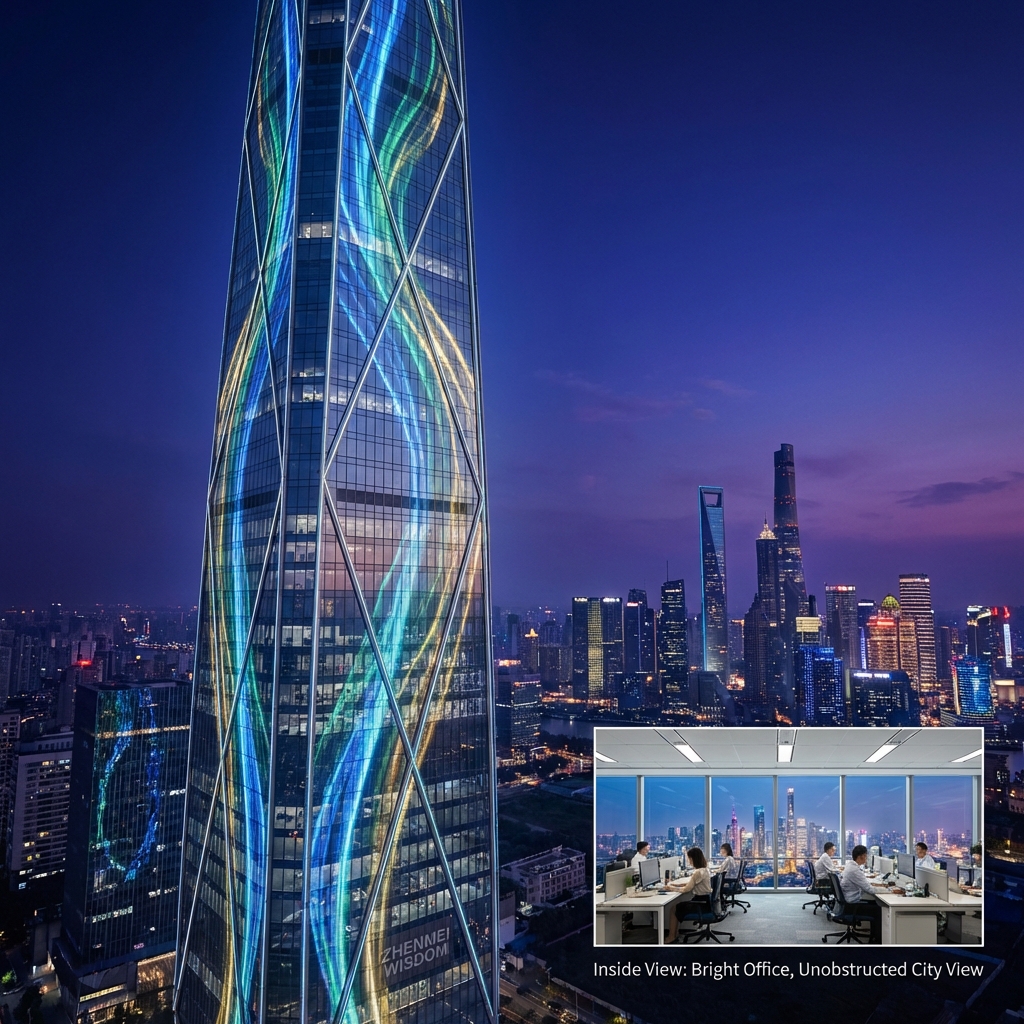
Consider a high-profile architectural project where transparent LED panels were integrated into the glass facade of a modern corporate skyscraper in a bustling city center. Installed approximately 10 years ago, these panels were designed to display dynamic corporate branding and artistic content, visible both from inside and outside the building. The initial specification included an IP65 rating and UV-resistant coatings, acknowledging the continuous exposure to sunlight, rain, and urban pollutants.
A recent engineering audit of this specific 10-year-old installation revealed that while individual module repairs were necessary over the decade (primarily due to power supply units reaching their end-of-life or occasional pixel clusters failing), the overall structural integrity of the frame remained robust. Brightness measurements indicated a degradation to approximately 65% of the original output, which, while noticeable to a trained eye, was still deemed acceptable for its primary function of large-scale corporate messaging. Regular annual cleaning and bi-annual technical inspections, as per the maintenance contract, were instrumental in achieving this longevity.
This case study exemplifies that with proper initial specification (IP rating, materials), diligent maintenance, and quality manufacturing, transparent LED screens can indeed achieve a decade-plus operational life in challenging outdoor environments, albeit with a planned schedule for component refresh and acceptance of natural brightness decay.
Five-Year Performance Data from High-Traffic Retail Storefronts
A large retail chain implemented transparent LED screens across 50 of its flagship storefronts five years ago, primarily for displaying promotional content and enhancing the shopping experience. These indoor installations operate 14 hours a day, 7 days a week, in climate-controlled environments with moderate foot traffic. The initial displays chosen were known for their high transparency and good color uniformity.
Analysis of maintenance logs from these 50 sites over five years shows a remarkably low failure rate. The most common issues were isolated pixel failures (less than 0.1% of total pixels across all screens) and very infrequent module communication errors, all quickly resolved under warranty or through easily replaceable modules. Brightness degradation across the network averaged around 15-20% over the five years, which is well within acceptable limits for retail applications. The controlled indoor environment significantly minimized external stressors, allowing the displays to perform consistently. The primary maintenance activities revolved around scheduled cleaning of the glass and the transparent panels, and routine software updates.
This data strongly supports the notion that transparent LED screens perform exceptionally well in controlled indoor retail settings, providing a consistent and durable visual solution with minimal intervention over many years. The controlled environment directly contributes to extending the transparent LED display lifespan.
Measuring Brightness Degradation: Empirical Insights from Long-Term Installations
One of the most critical aspects of transparent LED screen longevity is the rate of brightness degradation. A long-term study conducted on a transparent LED screen installed in a corporate lobby, operating 16 hours a day, provided empirical data. The screen, which uses high-quality LED chips, was meticulously monitored for brightness output over an 8-year period.
The study involved quarterly measurements of the screen's lumen output using a calibrated light meter. The data revealed a non-linear degradation curve:
Years 1-3: Brightness degradation was minimal, around 5-8%.
Years 4-6: The rate of degradation slightly accelerated, reaching a cumulative 15-25%.
Years 7-8: The degradation continued, with total brightness falling to approximately 30-35% of the initial output.
This pattern is typical: a slower degradation initially, followed by a slightly faster, but still gradual, decline. This particular screen, even after 8 years, still performs effectively for its intended purpose in the lobby, which does not require maximum brightness. The insights from such studies allow businesses to realistically project when a display might need brightness compensation or an eventual replacement, based on their specific visual requirements and acceptable thresholds. It underscores that while brightness loss is inevitable, its pace is manageable with quality products and informed expectations.
Frequently Asked Questions About Transparent LED Screen Lifespan
Q: How many hours does a transparent LED screen last?A: High-quality transparent LED screens are typically rated for about 50,000 – 100,000 operating hours, equivalent to roughly 6 to 11 years of continuous 24/7 use, or 8 to 15 years in typical commercial applications with intermittent daily use.
Q: What determines the lifespan of a transparent LED display?A: The lifespan depends on several critical factors, including the quality of LED chips, efficient heat dissipation design, stability of the power supply, environmental conditions (humidity, UV exposure, temperature), daily usage patterns, and the diligence of maintenance routines.
Q: Will a transparent LED screen suddenly fail after its rated hours?A: No, transparent LED screens rarely fail abruptly like traditional light bulbs. The rated lifespan primarily refers to the point at which the screen's brightness gradually degrades to an aesthetically suboptimal level (typically 50% of its original output) rather than a sudden blackout.
Q: Does indoor or outdoor installation affect lifespan of transparent LED?A: Yes, significantly. Outdoor environments with constant exposure to moisture, UV radiation, extreme temperature fluctuations, and dust accelerate the aging process. Consequently, transparent LED screens in exterior usage tend to have a shorter lifespan than those in controlled indoor installations.
Q: Can maintenance extend the life of a transparent LED screen?A: Absolutely. Regular cleaning, ensuring a stable power supply, maintaining proper ventilation, and judiciously adjusting brightness settings can significantly prolong a transparent LED screen’s operational life and maintain its visual quality.
Q: Is lifespan of transparent LED same as traditional LED displays?A: Generally, the lifespan is similar. However, transparent LED displays can sometimes have advantages in natural heat dissipation due to their open-frame design, which may help them maintain performance comparably to or even slightly better than traditional, fully enclosed LED displays under certain conditions.
Q: Why do some transparent LED screens claim 100,000 hours while others lower?A: The 100,000-hour claim is often a theoretical value achieved under ideal laboratory conditions. Real-world lifespan varies widely based on the actual quality of components, the specific environment, daily usage intensity, and the consistency of maintenance. Lower claims might reflect more conservative, real-world estimates.
Q: What typically causes early failure of a transparent LED screen?A: Common causes of premature failure include the use of poor quality LED chips, inadequate heat dissipation, moisture or dust ingress due to insufficient IP ratings, an unstable power supply, and a lack of regular, proactive maintenance.
Q: How does brightness setting affect transparent LED lifespan?A: Running a transparent LED screen at maximum brightness continuously increases the current flowing through the LEDs and generates more heat, which accelerates the aging process and brightness degradation. Reducing brightness when possible, especially in low ambient light conditions, significantly extends the life of the display.
Q: What should a buyer ask when selecting a transparent LED supplier?A: Buyers should verify the LED chip brand and quality, the waterproof/dust-proof (IP) rating, the heat dissipation design, adherence to production process standards (e.g., ISO certifications), and the scope of after-sales maintenance support and warranty.
Maximizing the Value and Lifespan of Your Transparent LED Screen Investment
The journey through the lifespan of transparent LED screens reveals a fascinating interplay of advanced engineering, environmental resilience, strategic operation, and diligent maintenance. What emerges is a clear picture: a transparent LED screen is not merely a purchase, but a long-term investment capable of delivering significant returns for years, even decades. From the intrinsic quality of its LED chips and robust thermal design to its ability to withstand diverse environmental challenges and the meticulous care it receives through scheduled maintenance, every factor contributes to its ultimate longevity.
For B2B entities, understanding the nuances of lifespan—from manufacturer claims versus real-world performance, to the critical role of IP ratings and proactive component replacement—empowers more informed procurement decisions. By choosing a reputable supplier, asking the right questions, implementing smart operational strategies, and committing to a comprehensive maintenance plan, businesses can confidently expect their transparent LED display to serve as a vibrant, engaging, and cost-effective asset for 8 to 15 years, if not longer. This strategic approach transforms a technological marvel into a sustainable, high-value component of your long-term business strategy.
Ready to explore how a durable, high-performance transparent LED screen can elevate your commercial space or architectural project? Contact Zhenmei Wisdom, a China-based specialist in flexible transparent screens, for expert consultation and bespoke solutions tailored to maximize your investment's lifespan and visual impact.