In the fast-evolving landscape of commercial architecture and retail marketing, the pursuit of truly captivating and integrated display solutions can often feel like navigating a complex maze. Traditional digital signage often blocks natural light, compromising aesthetic and functional design principles. Architects and brand managers are constantly searching for ways to blend dynamic visual communication with structural transparency. The real challenge isn't just finding a display, but finding one that enhances, rather than detracts from, the inherent beauty and utility of glass surfaces. What specific technical parameters truly define a cutting-edge transparent display? How can businesses confidently assess the long-term return on investment for such an advanced solution? And what are the critical installation nuances that separate a stunning deployment from a costly headache?
Understanding LED Crystal Film Screens at a Glance
What is an LED Crystal Film Screen and how does it work? It's a highly transparent, adhesive film embedded with microscopic LEDs, which, when powered, creates dynamic visuals on glass surfaces while allowing light to pass through.
Where are LED Crystal Film Screens primarily used? They are widely deployed in retail storefronts, architectural facades, corporate lobbies, and exhibition spaces to transform glass into interactive digital canvases.
What makes LED Crystal Film Screens different from traditional transparent displays? Unlike bulky LED panels or opaque LCDs, film screens are ultra-thin, lightweight, and directly adhere to glass, offering superior transparency and seamless integration.
Can LED Crystal Film Screens be customized for various architectural designs? Absolutely, their flexible nature allows for custom sizing, curved applications, and integration into diverse glass structures, adapting to unique aesthetic and functional demands.
What are the typical transparency levels available? Transparency typically ranges from 70% to 95%, depending on the pixel pitch and specific product design, crucial for maintaining natural light penetration.
How energy efficient are LED Crystal Film Screens? Due to advanced micro-LED technology, they generally consume less power than traditional LED panels, contributing to lower operational costs.
Is installation difficult for these screens? While requiring precise surface preparation and alignment, the installation process is generally less intrusive than traditional framed displays, involving direct adhesion and careful wiring.
What should I consider for ROI and TCO? Key factors include energy savings, increased foot traffic and engagement, reduced maintenance compared to older systems, and the initial investment in hardware and installation.
Unveiling the Technology: What is an LED Crystal Film Screen and Its Core Components?
For anyone in architecture, retail, or corporate design, the idea of turning a window into a vibrant, dynamic display without sacrificing natural light or obstructing views was once a futuristic fantasy. Today, the LED Crystal Film Screen makes that a tangible reality. At its heart, this isn't just another screen; it's a profound re-imagination of digital signage.
Defining LED Crystal Film Screens: Micro-LEDs, Adhesive Film, and Transparency
An LED Crystal Film Screen is, essentially, a sophisticated fusion of cutting-edge micro-LED technology and a specialized, ultra-clear adhesive polymer film. Imagine tiny, almost imperceptible light-emitting diodes, each smaller than a grain of sand, meticulously embedded onto a film that’s often no thicker than a credit card. This film, when applied to a glass surface – be it a storefront window, a building facade, or an office partition – transforms it into a dynamic display. What truly defines it is its inherent transparency. Unlike traditional LED panels that are essentially opaque blocks of light, the film screen allows light to pass through, preserving the original view from both sides when content isn't active, or even when it is, depending on the transparency level. This delicate balance of visibility and display capability is its primary differentiator.
The Engineering Behind the Magic: How Individual Diodes Create Dynamic Visuals on Glass
The "magic" of an LED Crystal Film Screen lies in its meticulous engineering. Each microscopic LED diode, often arranged in a precise grid pattern, is individually addressable. These diodes are powered by an intricately etched, nearly invisible conductive layer within the film itself. When a video signal is sent from a controller, specific diodes illuminate, combining to form vibrant images, text, or full-motion video. The transparency is achieved by maximizing the non-LED area of the film and utilizing advanced light-transmitting materials. The human eye, from a certain distance, blends the illuminated pixels with the clear gaps, creating the illusion of content floating on the glass. This isn't simple projection; it's direct light emission, ensuring high brightness and color fidelity even in brightly lit environments. Think of it as a meticulously crafted digital tapestry woven with light, integrated directly into your building's skin.
Key Characteristics and Benefits: Flexibility, High Transparency, and Lightweight Design
From an engineering and design perspective, the benefits are clear. Flexibility is paramount; these screens can conform to gently curved glass surfaces, something rigid LED panels simply cannot do. This opens up a world of architectural possibilities. High transparency, typically ranging from 70% to 95%, ensures that natural light penetration remains largely unhindered, a critical factor for interior spaces and retail displays where product visibility is key. Lastly, their lightweight design dramatically simplifies installation and reduces structural load requirements, a significant advantage over heavier, framed LED alternatives. The self-adhesive nature also often means less intrusive installation, preserving the integrity of existing glass structures. These characteristics coalesce to offer a solution that is not just aesthetically pleasing but also highly practical and versatile for modern B2B applications.
Beyond the Basics: Critical Technical Specifications for Optimal Performance
Selecting the right LED Crystal Film Screen for a B2B project isn't a casual decision. It demands a deep dive into technical specifications, understanding how each parameter directly impacts performance, viewer experience, and ultimately, your return on investment. This is where the rubber meets the road for any discerning procurement manager or technical lead.
Decoding Display Quality: Pixel Pitch, Brightness (Nits), and Resolution Explained
These three terms are the bedrock of display quality. Pixel Pitch (measured in millimeters, e.g., P2.5, P5, P10) refers to the distance between the centers of two adjacent LED pixels. A smaller pixel pitch means more LEDs per square meter, resulting in higher pixel density and finer detail, but also higher cost and potentially lower transparency. For example, a P2.5 screen is ideal for close-up viewing, like an interior retail display, while a P10 might suffice for a distant architectural facade.
Brightness, quantified in Nits (cd/m²), is crucial, especially for transparent displays exposed to varying light conditions. For an outdoor storefront in direct sunlight, you might need upwards of 4000-5000 Nits to ensure visibility, whereas an indoor application might manage with 2000-3000 Nits. Insufficient brightness renders content washed out and ineffective.
Resolution, derived from the pixel pitch and screen dimensions, dictates the clarity and sharpness of the image. It's the total number of pixels (width x height) that form the entire display. Understanding the viewing distance is critical here: a high-resolution screen isn't necessary for content viewed from hundreds of meters away, but it's paramount for close-range interactive displays. A common misstep is over-specifying resolution for a distant application, leading to unnecessary cost.
Smooth Motion and Viewer Experience: Understanding Refresh Rates and Viewing Angles
The Refresh Rate (measured in Hertz, Hz) dictates how many times the screen's image is updated per second. A higher refresh rate, typically 1920Hz or even 3840Hz for premium screens, translates to smoother motion graphics and video playback, reducing flicker and improving the viewer experience, especially for fast-moving content. For applications like live sports broadcasts on a large facade, or dynamic product animations in a retail window, a high refresh rate is non-negotiable. Lower refresh rates can lead to motion blur or an uncomfortable viewing experience, particularly when captured by cameras or mobile phones.
Viewing Angle refers to the maximum angle from which the display can be viewed with acceptable visual quality. Transparent films generally offer wide viewing angles (e.g., 140°/140° horizontal/vertical), critical for public spaces where viewers approach from multiple directions. If the viewing angle is too narrow, content quality degrades rapidly as viewers move off-center, diminishing the display's impact and effectiveness.
Power Efficiency and Longevity: Energy Consumption, Lifespan, and Operating Conditions
In B2B deployments, Energy Consumption is a significant operational cost factor. Modern LED Crystal Film Screens, especially those utilizing advanced micro-LEDs, are designed for efficiency. They typically consume less power than traditional opaque LED panels of similar size due to their inherent design and often intelligent power management systems. This directly impacts the Total Cost of Ownership (TCO), making energy efficiency a key consideration for long-term viability.
Lifespan, often quoted in hours (e.g., 50,000 to 100,000 hours), indicates how long the LEDs are expected to operate at 50% brightness before significant degradation. This is a critical metric for justifying the initial investment. Understanding the product's lifespan, coupled with a robust warranty, provides peace of mind.
Operating Conditions cover temperature, humidity, and IP (Ingress Protection) rating. For outdoor installations, an IP65 or higher rating is essential to protect against dust and water ingress. Temperature ranges are equally important; extreme heat or cold can severely impact performance and lifespan. Ignoring these environmental factors during procurement is a recipe for premature failure.
Technical Comparison Table: LED Crystal Film Screen vs. Other Transparent Display Technologies
To make an informed decision, a direct comparison is indispensable.
"The transparent display market is projected to grow significantly, reaching over $6 billion by 2027, driven by innovations in film-based LED technologies and architectural integration." — Digital Signage Today, 2024
| Feature | LED Crystal Film Screen (e.g., Zhenmei Soft Film Screen) | Transparent LED Display Panels | Transparent LCD / OLED Screens | Holographic Projection |
|---|---|---|---|---|
| Transparency | 70-95% (High) | 60-90% (Moderate to High) | 10-25% (Low for LCD, Moderate for OLED) | Up to 100% (Image appears in air) |
| Flexibility | High (Adheres to curved surfaces) | Low (Rigid panels) | Low (Rigid panels) | High (Projection surface can be flexible) |
| Thickness | Ultra-thin (<3mm) | Moderate (10-50mm, framed) | Moderate (5-20mm) | N/A (Image projected) |
| Weight | Very Light (1-3 kg/m²) | Heavy (10-30 kg/m²) | Moderate (5-15 kg/m²) | Varies (Projector weight + screen material) |
| Brightness (Nits) | 2000-5500+ (High, excellent for daylight) | 3000-7000+ (Very High) | 500-1500 (Moderate, struggles in bright light) | Varies (Dependent on projector, often dim) |
| Installation | Peel-and-stick, non-intrusive | Frame-mounted, requires structural support | Frame-mounted | Projector placement, specialized screens/fog |
| Content Quality | High-resolution video/images | High-resolution video/images | Good for detailed text/images | Often ethereal, less vibrant, susceptible to ambient light |
| Typical Applications | Retail windows, architectural glass, interior partitions | Large outdoor facades, stage backdrops | Product showcases, information kiosks, small displays | Art installations, brand activations, special events |
| Cost (Relative) | Moderate to High | High | Moderate | High |
| Maintenance | Easy (Surface cleaning, module replacement) | Moderate (Module replacement, structural checks) | Moderate (Panel replacement) | Complex (Projector alignment, media wear) |
LED Crystal Film Screen vs. The Alternatives: A Strategic Selection Guide
Choosing the right transparent display technology is a strategic decision that impacts aesthetics, functionality, and long-term cost. It’s not about finding the "best" technology, but the most appropriate one for your specific architectural or marketing goals. Here’s a pragmatic look at how LED Crystal Film Screens stack up against their rivals.
Transparent LED Display Panels: A Comparison of Structure, Flexibility, and Installation
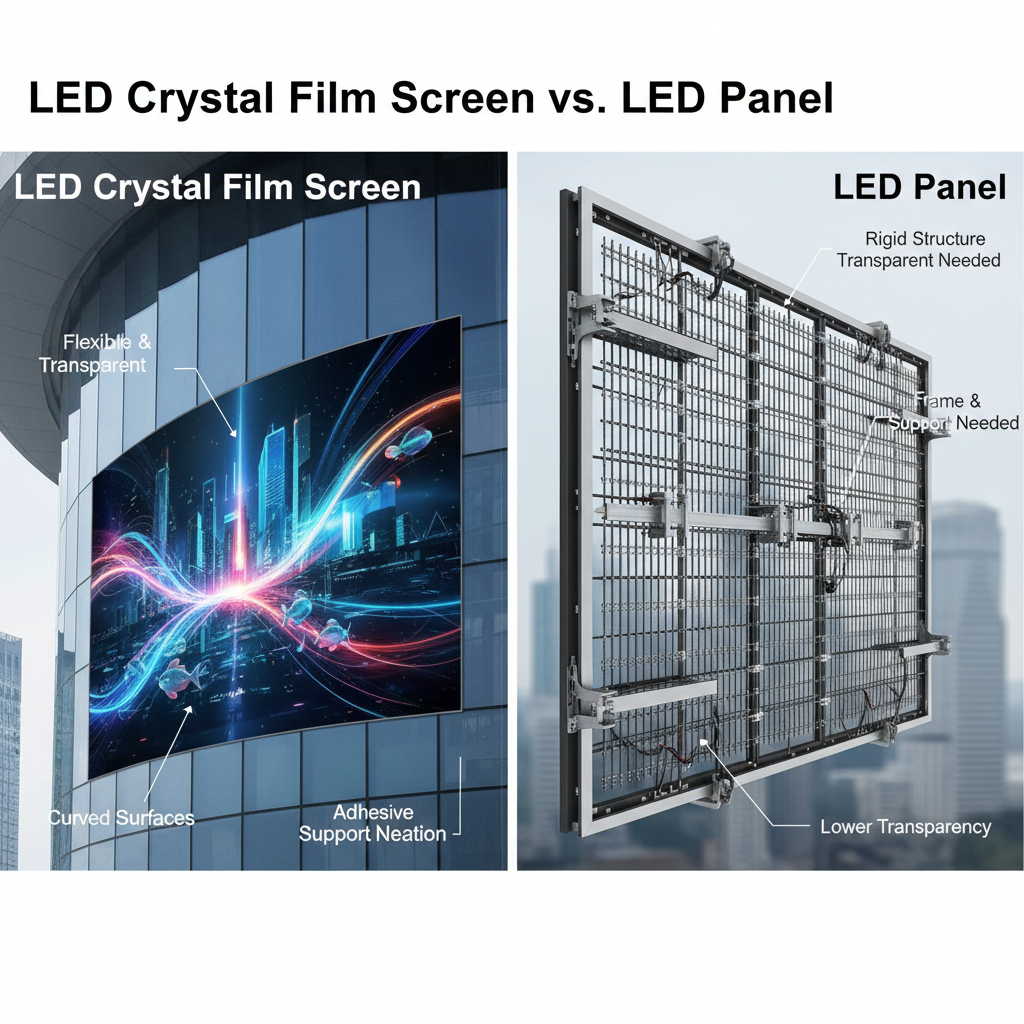
Traditional transparent LED display panels, while impressive, differ fundamentally from film screens. They typically consist of rigid frames housing rows of LED strips, often configured with high transparency rates. Their structure is more robust, making them ideal for large-scale outdoor facades where extreme weather resistance and high brightness are paramount. However, this rigidity comes at a cost: they are heavier, require significant structural support, and cannot conform to curved surfaces. Installation is more involved, often requiring custom framing and lifting equipment.
In contrast, LED Crystal Film Screens, like our 【Soft Film Screen】(https://en.zmleds.com/led-crystal-film-screen-soft-film-screen), are remarkably thin and flexible. This "peel-and-stick" approach simplifies installation, reduces weight, and enables seamless integration onto existing glass without complex modifications. For environments where minimal visual obstruction and architectural subtlety are key – like retail window displays where products need to be seen clearly – the film's discrete nature is a clear winner. If you're building a massive outdoor screen for a skyscraper from scratch, rigid panels might be the go-to; but if you're retrofitting a stylish boutique, the film is unmatched.
LCD and OLED Technologies: Why Transparent Film Dominates in Specific Contexts
Transparent LCD and OLED screens offer interesting possibilities, primarily for smaller, more detailed applications. Transparent LCDs typically have lower transparency (around 10-25%) and brightness compared to LED solutions, making them less effective in bright daylight. They are often used for product showcases where a digital overlay augments a physical object. Transparent OLEDs offer better contrast and color but are still limited in size, often very expensive, and also lack the high brightness needed for outdoor visibility.
LED Crystal Film Screens, however, excel in large-format, high-brightness applications where maintaining significant natural light is crucial. Their scalability is superior to transparent LCD/OLED, allowing for expansive installations on entire glass walls or large storefronts. For marketing directors looking to transform an entire glass facade into a vibrant advertisement visible from a distance, or architects desiring dynamic content on a building while preserving its inherent transparency, film screens provide a compelling blend of scale, brightness, and see-through capability that LCD and OLED simply cannot match at present.
Holographic Projection and Emerging Solutions: Strengths, Limitations, and Future Trends
Holographic projection creates the mesmerizing illusion of images floating in mid-air. It’s a captivating technology, often used for artistic installations or niche product reveals. Its strength lies in its "wow" factor and ability to present content without a physical screen. However, holographic displays are often limited by brightness, resolution, and viewing angles, and are highly susceptible to ambient light conditions. The projected images can appear ethereal rather than solid and vibrant.
While holographic technology continues to evolve, LED Crystal Film Screens offer a more robust, brighter, and commercially viable solution for consistent, high-impact digital signage. They provide direct light emission, guaranteeing crisp, vivid images even in challenging lighting. Emerging solutions, like advanced micro-LEDs with even smaller pixel pitches and higher transparency, are constantly pushing the boundaries of film screen capabilities, making them an increasingly future-proof investment. The trend is clearly towards lighter, thinner, more integrated displays that merge seamlessly with architectural elements.
Making the Right Choice: When to Opt for LED Crystal Film Screens
The decision to choose LED Crystal Film Screens boils down to specific project requirements. If your project demands:
High transparency to preserve natural light and views.
Flexibility to conform to curved glass or unique architectural designs.
Lightweight and non-intrusive installation on existing glass.
High brightness and visibility in diverse lighting conditions, including daylight.
Large-scale digital messaging without compromising the aesthetic integrity of the building.
…then the LED Crystal Film Screen is likely your optimal choice. It’s particularly suited for industries like high-end retail, corporate real estate, luxury automotive showrooms, and cultural institutions that seek to blend cutting-edge digital engagement with sophisticated design.
Revolutionizing Spaces: Strategic Applications and Real-World Impact
The transformative power of LED Crystal Film Screens isn't merely theoretical; it's being demonstrated daily across a spectrum of industries. These screens aren't just displays; they're architectural enhancements, brand amplifiers, and revenue drivers.
Retail Environments: Captivating Window Displays and Immersive Brand Experiences
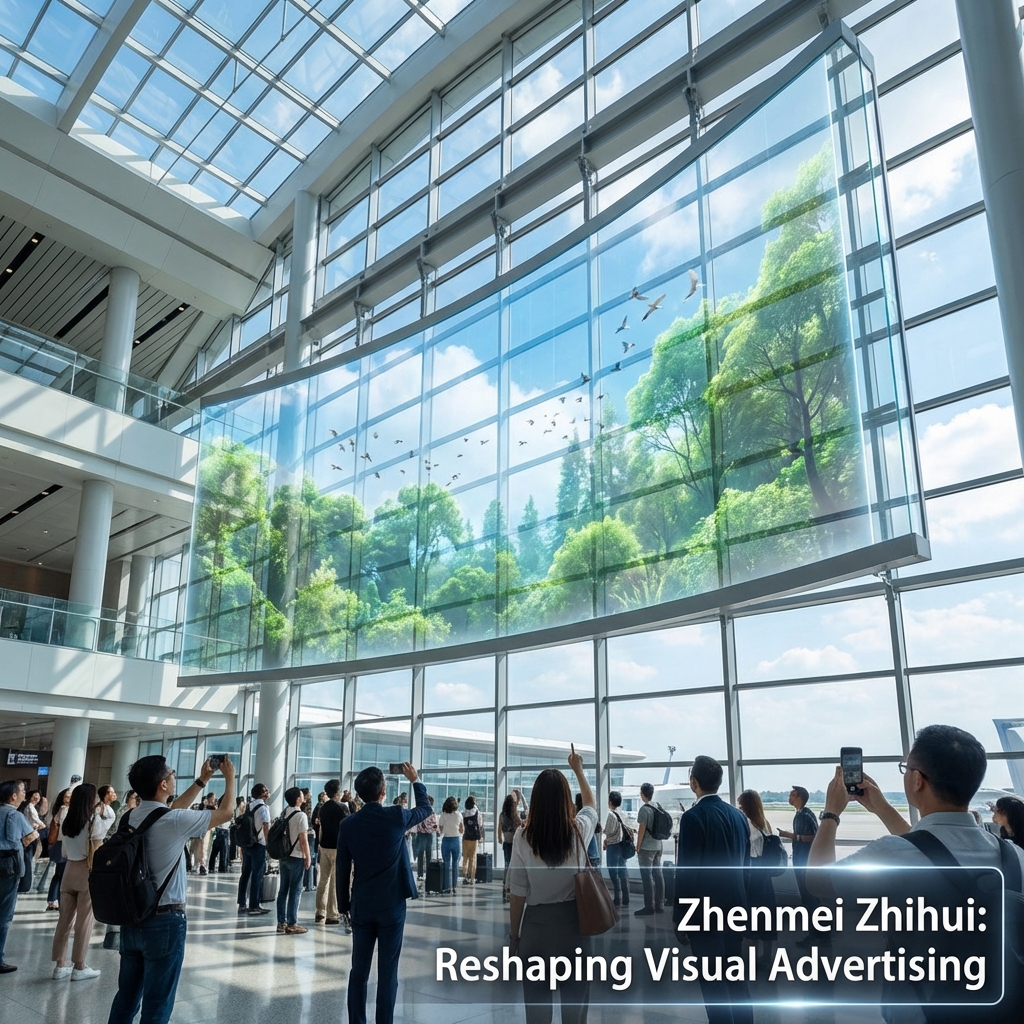
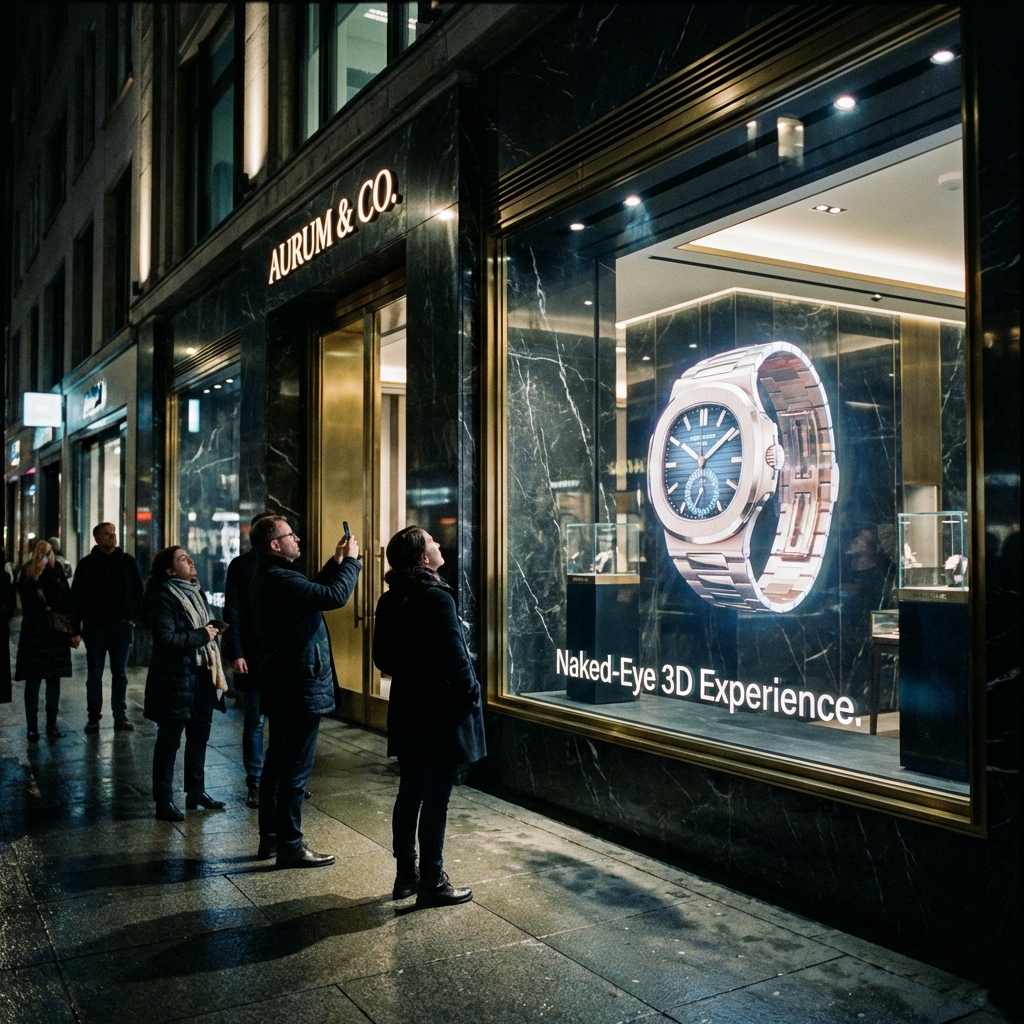
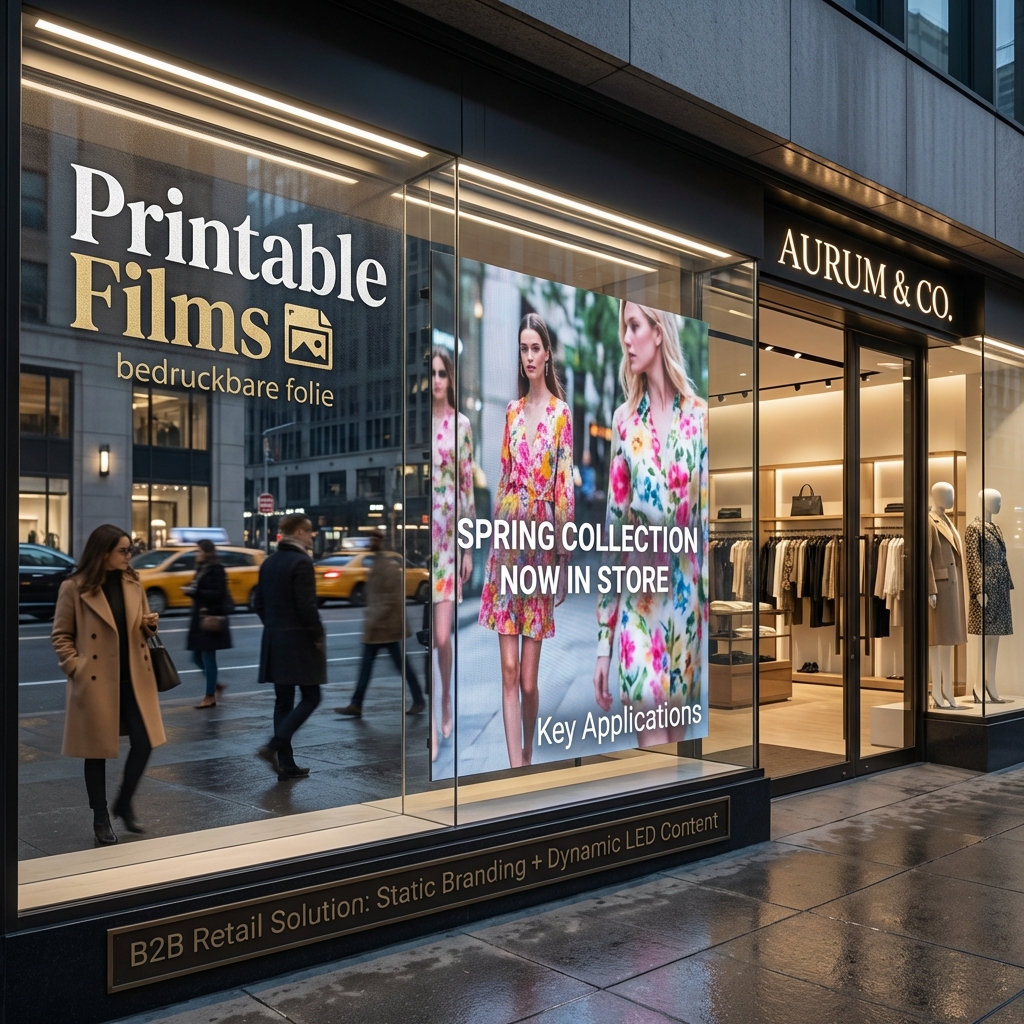
For retailers, the storefront window is prime real estate. Historically, it’s been a static canvas for mannequins and posters. With LED Crystal Film Screens, this static space erupts into a dynamic, engaging billboard that captures attention 24/7. Imagine a luxury fashion brand showcasing its latest collection with high-definition video that seems to float across the glass, while passersby can still peer into the store's interior. Or a tech retailer displaying product demos and interactive content, drawing customers in before they even step through the door. This isn't just about showing ads; it's about creating an immersive brand experience that breaks the traditional barrier between indoor and outdoor.
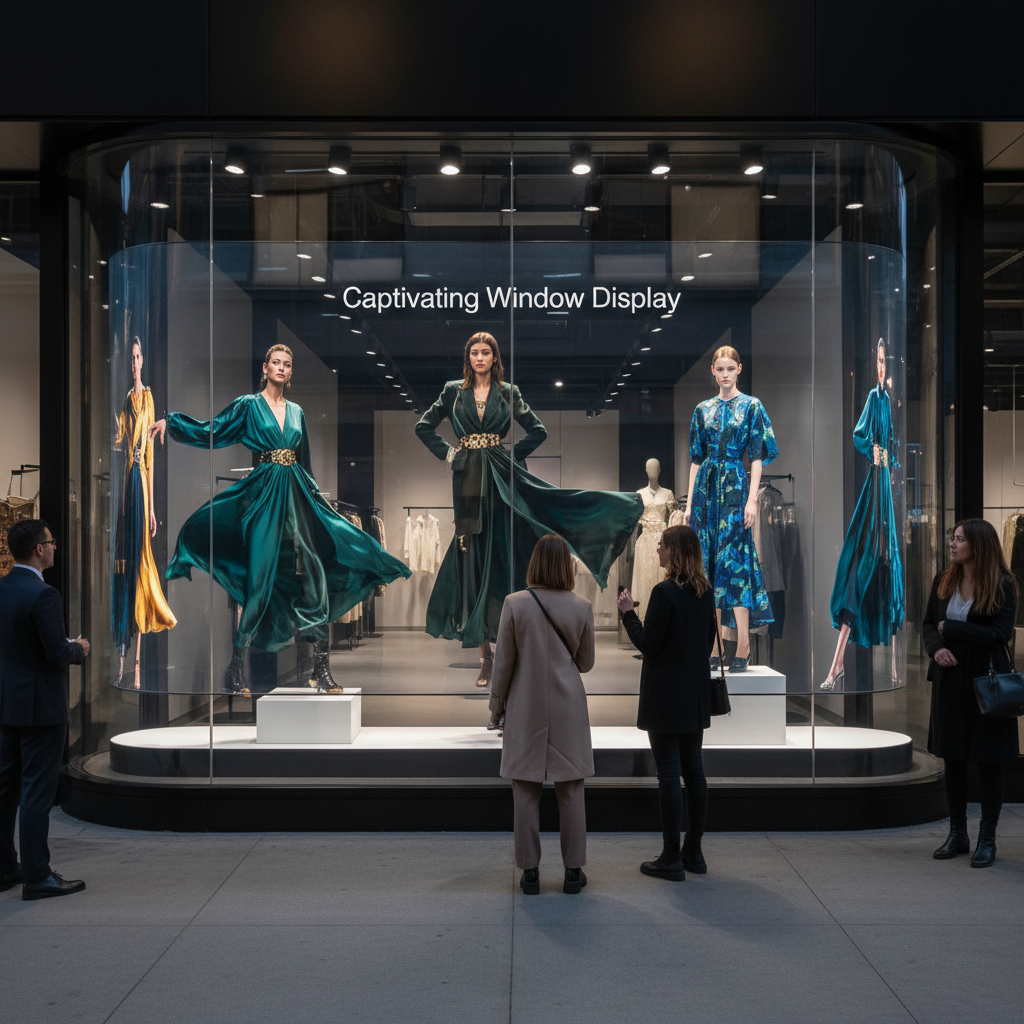
"A significant portion of consumer purchasing decisions are influenced by in-store and storefront digital displays, with dynamic content proving up to 83% more memorable than static signage." — PwC Global Consumer Insights Survey, 2023
This direct engagement potential translates into increased foot traffic and, ultimately, sales. The film screen allows retailers to constantly update promotions, launch new products, and even run interactive campaigns without physically re-dressing their windows. It’s a dynamic storytelling medium that adapts to market trends and consumer behavior in real-time.
Modern Architecture: Enhancing Building Facades and Glass Partitions with Dynamic Content
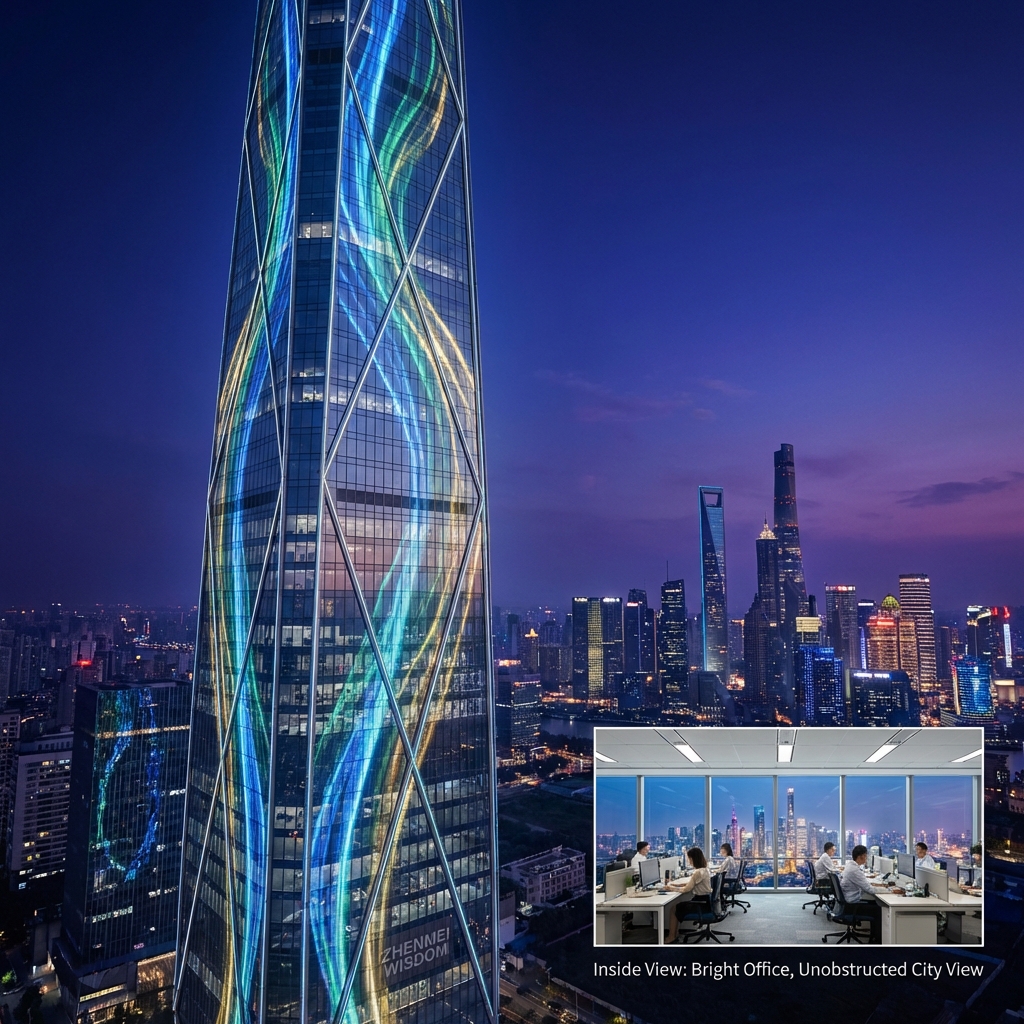
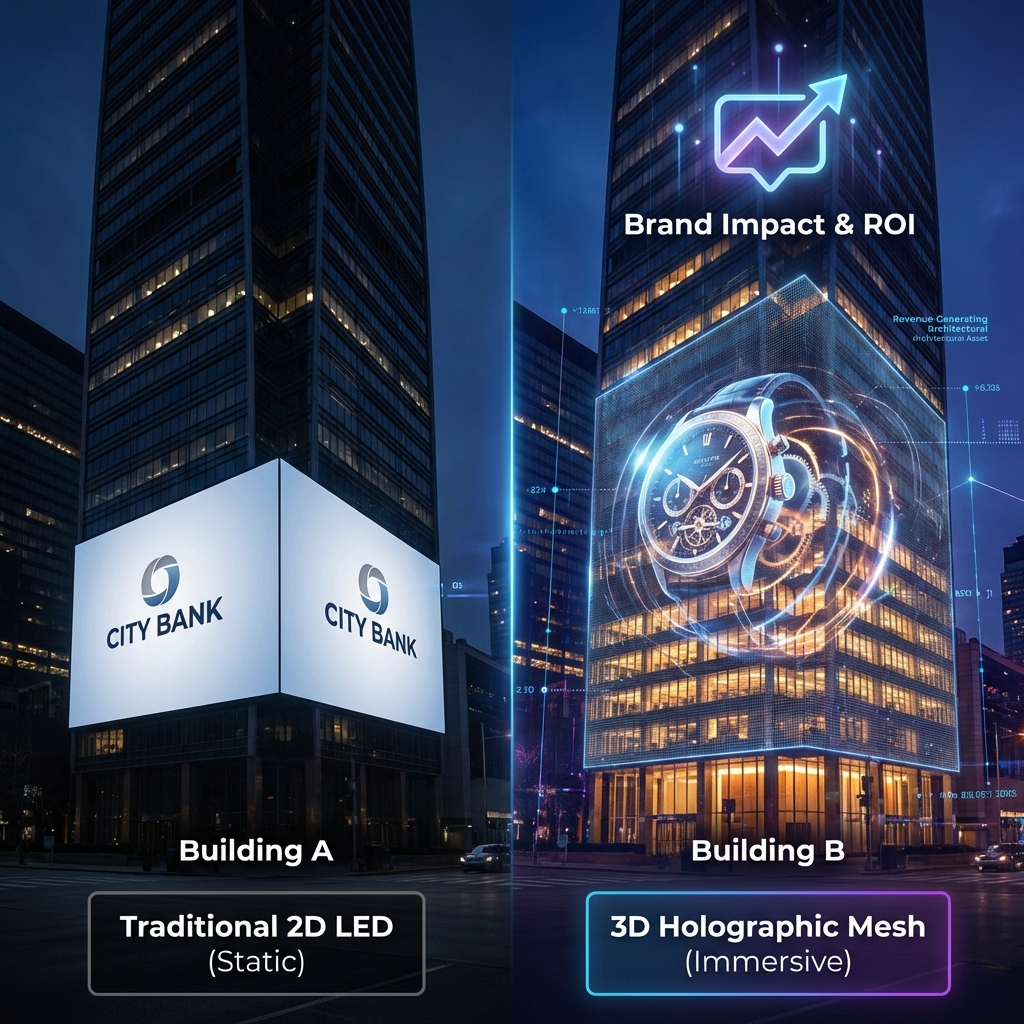
Architects are perpetually seeking materials that merge functionality with aesthetic innovation. LED Crystal Film Screens offer a groundbreaking solution for contemporary building design. They can transform an entire glass facade into a media canvas, capable of displaying abstract art, corporate branding, or even real-time information, all while maintaining the building's transparency and allowing natural light to flood interior spaces. This creates a living, breathing building that communicates with its environment and occupants.
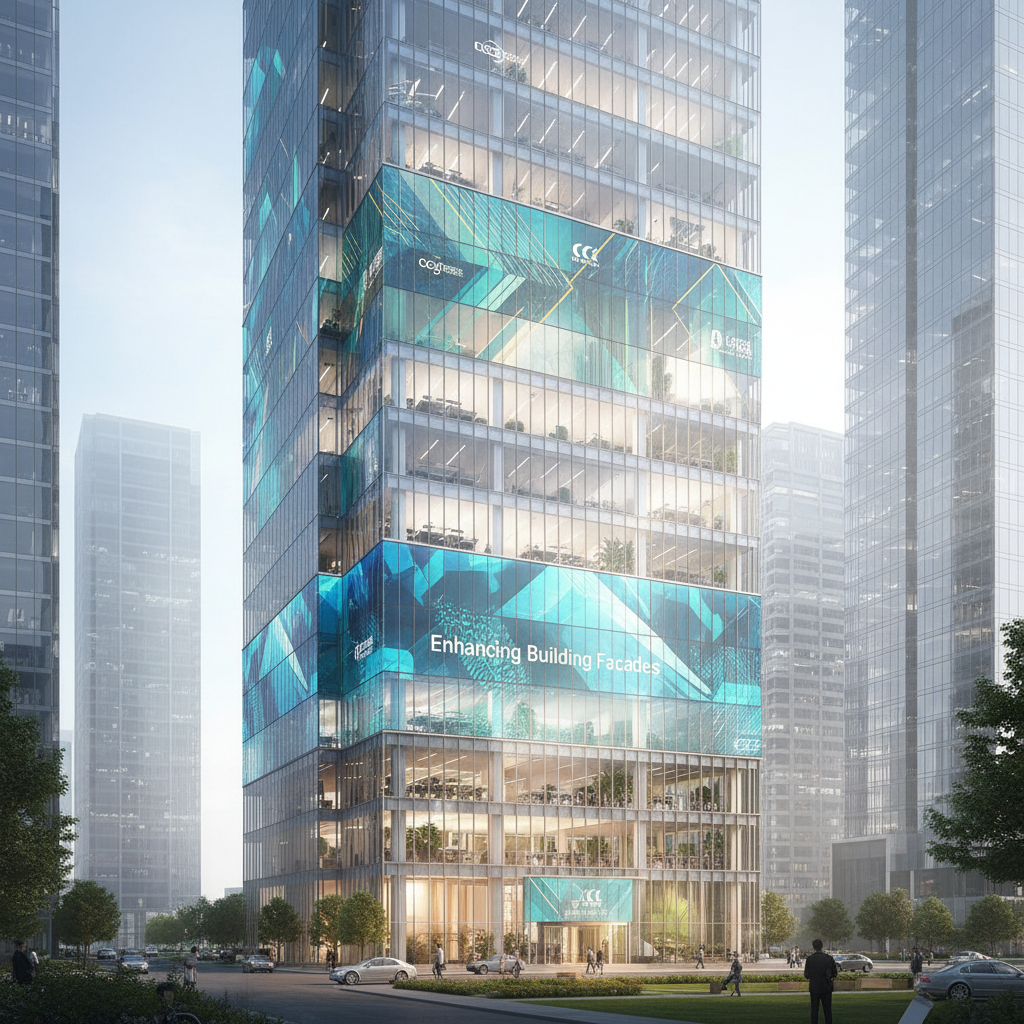
Beyond external facades, these screens are revolutionizing interior glass partitions in corporate offices, conference rooms, and lobbies. A transparent partition can momentarily become an opaque display for a confidential presentation, then revert to being a clear division of space. It’s about creating flexible, multi-functional spaces that adapt to varying needs throughout the day, merging the digital and physical worlds seamlessly. This duality offers unparalleled flexibility in architectural planning and execution.
Corporate and Exhibition Design: Innovative Digital Signage for Events and Interior Branding
In corporate environments, LED Crystal Film Screens are elevating interior branding and visitor experiences. Picture a corporate lobby where company values, global operations, or dynamic mission statements are subtly displayed across expansive glass walls. For exhibitions and trade shows, these screens offer a distinct advantage: they create memorable, high-impact displays that stand out amidst visual clutter. Booth designers can use them to create interactive product demonstrations, highlight key features, or stream engaging testimonials, making their presentation more sophisticated and interactive than traditional static booths. Their ease of installation and removal also makes them ideal for temporary event setups.
Zhenmei Wisdom Case Studies: Showcasing Successful Deployments and Quantifiable Results
At Zhenmei Wisdom, we've seen firsthand how these technologies unlock new possibilities. One notable project involved a prominent shopping mall looking to revitalize its main atrium's glass facade. By implementing our customized LED Crystal Film Screens, the mall was able to display vibrant seasonal promotions and brand collaborations. The result? A measurable increase in visitor engagement and tenant inquiries for premium advertising space. Another architectural firm integrated our transparent film into a new corporate headquarters' executive lounge, allowing for dynamic data visualization during presentations while offering unobstructed city views when not in use. These aren't just anecdotes; they are concrete examples of how thoughtful application of this technology yields tangible business benefits, from enhanced brand visibility to improved functional space utilization.
Seamless Integration: Installation Best Practices and Overcoming Common Challenges
The success of any advanced display technology hinges not just on its intrinsic capabilities, but on the precision and expertise of its installation. For LED Crystal Film Screens, this is particularly true, given their adhesive nature and integration with architectural glass. Ignoring best practices here can quickly turn a state-of-the-art solution into a disappointing one.
Pre-Installation Checklist: Site Assessment, Surface Preparation, and Environmental Considerations
Before any film even touches the glass, a rigorous pre-installation phase is critical. First, a thorough site assessment is paramount. This includes measuring the exact dimensions of the glass, assessing its structural integrity, and noting any imperfections, seals, or curvatures. It’s not uncommon to find subtle variations in older glass panes, which must be accounted for.
Next, surface preparation is non-negotiable. The glass must be impeccably clean, free from dust, grease, residues, or air bubbles. This often involves specialized industrial-grade cleaning agents and techniques to ensure a pristine, adhesion-ready surface. Any tiny particle trapped beneath the film will become a visible defect, compromising transparency and image quality.
Finally, environmental considerations play a significant role. Is the installation indoors or outdoors? What are the typical temperature and humidity fluctuations? Will the screen be exposed to direct sunlight for extended periods? These factors dictate the type of film adhesive, the sealing requirements, and even the choice of power supply units. Installing in sub-optimal conditions, such as high humidity, can lead to bubbles or peeling over time.
"For critical B2B display installations, a detailed environmental survey and surface purity check prior to deployment can mitigate over 70% of potential installation-related failures." — Digital Display Systems Engineering Journal, 2024
A Step-by-Step Guide to Adhesion and Alignment: Ensuring a Flawless Application
Applying LED Crystal Film Screens is a meticulous process, akin to applying a giant, high-tech screen protector. It’s typically a two-person job, if not more, for larger panels.
Precise Measurement and Cutting: The film is usually pre-cut to specific dimensions, but on-site trimming might be needed. This must be done with extreme precision to avoid gaps or overlaps.
Initial Positioning: The film is carefully aligned at the top edge of the glass. Precision is key here; a slight misalignment at the start can lead to a significant skew across the entire surface.
Peeling and Adhesion (Wet Application Method): Often, a wet application method is preferred. A special solution (typically water with a small amount of neutral detergent) is sprayed onto the glass. The protective liner is gradually peeled from the film, and the adhesive side is applied to the wet glass. The solution allows for minor repositioning.
Squeegeeing and Air Bubble Removal: Using a specialized squeegee, the film is smoothly pressed onto the glass from the center outwards, pushing out any water and air bubbles. This step requires patience and a steady hand to achieve a flawless, bubble-free finish.
Edge Sealing: For outdoor or high-humidity environments, edges may need to be sealed with a weather-resistant sealant to prevent moisture ingress and enhance durability.
Any deviation in this process can lead to air pockets, creases, or poor adhesion, reducing both the aesthetic appeal and the lifespan of the display.
Power Supply and Signal Management: Wiring, Controllers, and Connectivity Essentials
Once the film is adhered, the electrical and signal infrastructure comes into play. Wiring must be discreetly routed, typically along window frames or within architectural elements, to power the film. Depending on the screen size and power requirements, multiple power supply units (PSUs) may be needed. Proper voltage and current regulation are vital to prevent damage to the delicate micro-LEDs.
Controllers are the brain of the operation. These devices receive content from a media player or content management system (CMS) and translate it into signals that activate the individual LEDs on the film. Selecting a robust, reliable controller compatible with your desired content formats is crucial.
Connectivity involves ensuring stable data transmission. This could be via Ethernet, fiber optic cables for longer runs, or even wireless solutions in some cases. All connections must be secure and protected from environmental factors, especially in outdoor installations. A poorly managed signal chain can lead to flickering, dead pixels, or inconsistent display performance, undermining the entire investment.
Troubleshooting Installation Issues: Practical Solutions for Common Pitfalls
Even with the best planning, issues can arise. Common pitfalls include:
Air Bubbles: Often caused by inadequate squeegeeing or insufficient wet application. Small bubbles might dissipate over time, but larger ones may require careful re-squeegeeing or even a tiny pinprick and flattening. Prevention through meticulous application is best.
Film Peeling/Lifting: Usually a result of improper surface preparation (grease, dirt) or environmental factors (extreme temperature fluctuations, moisture). Re-application with enhanced surface prep and potentially edge sealing is the remedy.
Uneven Brightness/Dead Pixels: This points to electrical issues, either in the power supply, controller, or a specific LED module. Diagnostics often involve checking power distribution, signal integrity, and identifying faulty modules for replacement. Modern film screens are often modular, allowing for targeted repairs without replacing the entire display.
Content Flickering/Lag: This is typically a signal integrity issue or a controller problem. Checking cable connections, refresh rate settings, and controller firmware updates can often resolve this.
A reliable manufacturer like Zhenmei Wisdom provides comprehensive installation guides and technical support, which are invaluable resources for overcoming these challenges. Don't underestimate the value of post-sales support when procuring such advanced technology.
The Business Advantage: Calculating ROI, Understanding TCO, and Smart Procurement
Investing in high-tech display solutions like LED Crystal Film Screens is a significant capital expenditure for any B2B entity. It’s not merely about aesthetics; it’s a strategic business decision that must demonstrate measurable value. A clear understanding of ROI, TCO, and a structured procurement process are essential.
Calculating Return on Investment (ROI): Beyond the Initial Purchase Price
Calculating the ROI for an LED Crystal Film Screen goes far beyond simply comparing the initial cost to a direct revenue increase. It encompasses a broader spectrum of benefits, both tangible and intangible.
Tangible Benefits:
Increased Foot Traffic and Sales: Dynamic, eye-catching displays demonstrably draw more attention than static signage, leading to higher engagement and potential conversions. Quantify this through pre/post-installation visitor counts and sales data.
Advertising Revenue: For high-visibility locations (e.g., mall atriums, city facades), the screen itself can become a revenue stream by selling advertising slots to third-party brands.
Reduced Printing/Material Costs: Eliminate the need for costly physical banners, posters, and window decals, which require frequent updates and specialized printing.
Energy Efficiency Savings: Modern LED film screens consume less power than traditional LED walls or constantly-lit displays, leading to lower utility bills over time.
Improved Brand Recall/Brand Value: While harder to quantify directly, a sophisticated, innovative display elevates brand perception and recognition.
Intangible Benefits:
Enhanced Customer Experience: A more engaging and modern environment can significantly improve visitor satisfaction.
Architectural Enhancement: Increased property value and appeal for commercial buildings.
Competitive Advantage: Differentiate your business from competitors using outdated display methods.
A robust ROI calculation should factor in the initial investment (hardware, installation), ongoing operational costs (power, content creation, maintenance), and all anticipated revenue and cost savings over a defined period (e.g., 3-5 years).
"Businesses that strategically integrate dynamic digital signage into their customer journey experience a 29.5% increase in purchase intent." — Intel Retail White Paper, 2023
Total Cost of Ownership (TCO): Factoring in Maintenance, Energy, and Operational Expenses
TCO provides a holistic view of the true cost of an LED Crystal Film Screen over its entire lifecycle. It's crucial for long-term budget planning and avoiding hidden expenses.
Key TCO components:
Initial Acquisition Cost: The purchase price of the film screens, controllers, and any mounting hardware.
Installation Costs: Labor, specialized equipment, and any necessary electrical or architectural modifications.
Energy Consumption: Ongoing electricity costs. Factor in the Nits required and operating hours.
Content Management System (CMS) & Content Creation: Software licenses, graphic design, and video production. This can be a recurring expense.
Maintenance & Repairs: Routine cleaning, spare parts (individual LED modules are often replaceable), and technician call-outs. A good warranty significantly mitigates repair costs.
Decommissioning/Disposal: Costs associated with removing and disposing of the screen at the end of its lifespan.
By taking TCO into account, buyers can make a more informed decision, often finding that a slightly higher upfront investment in a more durable, energy-efficient system leads to significant savings down the line.

Navigating the Procurement Process: A B2B Buyer's Checklist for LED Crystal Film Screens
The procurement of such specialized equipment demands a structured approach. Here's a checklist for B2B buyers:
Define Clear Requirements: What is the primary purpose (advertising, architectural, informational)? What are the environmental conditions (indoor/outdoor)? What content will be displayed?
Technical Specification Match: Match your viewing distance and content needs to the appropriate pixel pitch, brightness, and resolution. Don't over-spec or under-spec.
Request Detailed Quotes: Obtain itemized quotes that include hardware, installation, software, and estimated shipping.
Evaluate Vendor Experience & Support: Look for manufacturers with a proven track record, strong technical support, and comprehensive warranties.
Review Case Studies & References: Ask for examples of similar installations and contactable client references.
Understand TCO & ROI Projections: Demand transparency on estimated operational costs and ask vendors for ROI calculation tools or templates.
Service Level Agreements (SLAs): For maintenance and support, define clear SLAs covering response times, repair turnarounds, and availability of spare parts.
Training & Documentation: Ensure adequate training for your team on content management and basic troubleshooting, along with comprehensive technical documentation.
Partnering with Manufacturers: What to Look for in a Reliable Supplier like Zhenmei Wisdom
Choosing the right manufacturing partner is as crucial as selecting the technology itself. A reliable supplier offers more than just a product; they provide expertise, support, and a partnership. Look for:
Deep Technical Expertise: A manufacturer who can explain the nuances of micro-LED technology, adhesive compounds, and integration challenges.
Customization Capabilities: The ability to tailor film dimensions, pixel pitch, and even transparency levels to meet unique project specifications.
Quality Control & Certifications: Adherence to international quality standards (e.g., ISO, CE, RoHS) ensures product reliability and safety.
Robust R&D Investment: Indicates a commitment to innovation and future-proofing their product line.
Comprehensive After-Sales Support: Technical assistance, spare parts availability, and warranty terms that instil confidence.
Established Track Record: A company with a history of successful deployments and positive client testimonials, like Zhenmei Wisdom, which specializes in the production of LED transparent display screens and flexible transparent screens. We pride ourselves on not just manufacturing, but also providing end-to-end solutions and expert guidance.
Sustaining Performance: Advanced Maintenance, Care, and Future-Proofing Your Investment
An LED Crystal Film Screen is a significant investment. To maximize its lifespan, maintain peak visual performance, and ensure it continues to deliver value, a proactive approach to maintenance and future-proofing is essential. It’s about more than just fixing things when they break; it's about intelligent asset management.
Routine Cleaning and Preventative Measures: Maximizing Lifespan and Visual Quality
Just like any high-tech display, cleanliness is paramount for an LED Crystal Film Screen. Dust, fingerprints, and environmental grime can significantly degrade transparency and image clarity.
Gentle Cleaning: Regular cleaning should involve a soft, lint-free microfiber cloth, lightly dampened with a specialized screen cleaner or distilled water. Avoid harsh chemicals, abrasive materials, or excessive pressure, which can damage the delicate film or adhesive layer.
Preventative Inspection: Schedule periodic visual inspections. Look for early signs of wear, such as minor lifting at edges, discoloration, or any anomalies in the display. Catching these issues early can prevent them from escalating into costly repairs.
Environmental Control: For indoor installations, maintaining stable temperature and humidity levels helps preserve the film's integrity. For outdoor units, ensure drainage systems around the glass are clear and that no direct, sustained water exposure beyond its IP rating occurs.
Adhering to a routine cleaning schedule, typically monthly for high-traffic indoor areas and quarterly for outdoor installations, can significantly extend the film's aesthetic appeal and operational life.
Advanced Troubleshooting and Diagnostics: Identifying and Resolving Technical Glitches
When a technical glitch occurs, a systematic approach to troubleshooting is required. Modern LED Crystal Film Screens come with sophisticated control systems that often include diagnostic tools.
Module-Level Diagnostics: Most quality film screens are modular. If a section or a few pixels fail, advanced controllers can often pinpoint the exact faulty module, allowing for targeted replacement rather than a full screen overhaul. This minimizes downtime and repair costs.
Connectivity Checks: Verify all power and data cables are securely connected and undamaged. Loose connections are a surprisingly common culprit for display issues.
Software & Firmware: Ensure the controller's firmware and content management software are up to date. Updates often include bug fixes, performance enhancements, and new features.
Power Supply Integrity: Test the power supply units to ensure they are delivering stable and correct voltage to the film. Fluctuations can lead to flickering or inconsistent brightness.
Expert Support: Don't hesitate to engage the manufacturer's technical support team for complex issues. They possess the deepest knowledge of their product and can often provide remote diagnostics or guide your on-site technicians.
A well-documented system and readily available spare parts from your supplier are invaluable for efficient troubleshooting.
Software Updates and Content Management: Keeping Your Display Dynamic and Relevant
The hardware is only as good as the content it displays. Effective content management is crucial for maximizing ROI and keeping your message relevant.
Regular Content Refresh: Stale content quickly loses its impact. Develop a content calendar and refresh visuals, messages, and promotions regularly. This is where the flexibility of digital signage truly shines.
Optimized Content: Ensure content is optimized for the screen's resolution, aspect ratio, and pixel pitch. High-quality visuals are paramount for transparent displays.
Remote Management: Utilize a robust content management system (CMS) that allows for remote scheduling, uploading, and monitoring of content across multiple screens. This streamlines operations and reduces manual intervention.
Interactivity (if applicable): If your screen supports touch or sensor-based interactivity, ensure the software is reliable and the user experience is intuitive.
Proactive content management ensures your display remains a dynamic, engaging asset rather than a static digital billboard.
Future-Proofing Your System: Upgradeability and Adapting to Evolving Technology
Technology evolves rapidly, and LED Crystal Film Screens are no exception. Future-proofing your investment means considering upgradeability and adaptability.
Modular Design: Opt for screens with a modular design, where individual film sections or LED modules can be replaced or upgraded without dismantling the entire installation. This extends the life of the initial investment.
Scalable Control Systems: Choose controllers and CMS platforms that can handle future expansions or higher resolutions. A scalable infrastructure means you won't need a complete overhaul if you decide to add more screens or upgrade existing ones.
Open Standards Compatibility: Prioritize systems that adhere to industry-standard protocols for content input and network connectivity, ensuring broader compatibility with future software and hardware.
Manufacturer R&D: Partnering with a manufacturer like Zhenmei Wisdom, which invests heavily in R&D, ensures access to cutting-edge advancements and ongoing product improvements, helping your initial investment remain relevant for longer.
By considering these aspects, you ensure that your LED Crystal Film Screen remains a high-performing asset, capable of adapting to future technological shifts and continuing to deliver value for years to come.
Your Detailed Questions on LED Crystal Film Screen Technology Answered
Here, we address some of the most common and critical questions that B2B buyers and technical professionals often raise about LED Crystal Film Screens.
What are the typical transparency levels available, and how do they affect visibility?
Typical transparency levels for LED Crystal Film Screens range from 70% to 95%. This percentage indicates how much light can pass through the screen when the LEDs are off or displaying content with large transparent areas. A higher transparency level means less obstruction of the view behind the screen and more natural light penetration. The transparency is primarily affected by the pixel pitch; smaller pixel pitches (more LEDs per area) generally result in lower transparency, as there's more physical material blocking the light.
The impact on visibility is significant:
90-95% Transparency: Ideal for high-end retail where products inside the store must remain clearly visible, or for architectural applications where maintaining an unobstructed view is paramount. Content appears "floating" on the glass.
70-85% Transparency: Still highly transparent, but with slightly more visual presence. Suitable for areas where content impact is prioritized, but a degree of see-through is still desired.
Ultimately, the choice depends on the balance between content visibility and the need for clear views and natural light.
How energy efficient are LED Crystal Film Screens compared to other display types?
LED Crystal Film Screens are generally more energy efficient than traditional opaque LED panels and significantly more efficient than older display technologies like plasma or traditional LCDs for large-format applications. This efficiency stems from several factors:
Micro-LED Technology: The use of small, highly efficient micro-LEDs.
Transparent Design: A significant portion of the screen is transparent, meaning less material to illuminate for the same visual effect compared to a solid screen.
Intelligent Power Management: Many systems incorporate advanced power management features that optimize energy consumption based on content and ambient light.
While exact figures vary by model and brightness settings, they can offer substantial long-term operational cost savings, contributing positively to the Total Cost of Ownership (TCO).
Can these film screens be applied to curved glass surfaces or cut into custom shapes?
Yes, absolutely. One of the primary advantages of LED Crystal Film Screens is their flexibility. Unlike rigid LED panels, the film can be gently curved to conform to architectural contours, making them suitable for rounded building facades, cylindrical columns, or curved display cases. The degree of curvature depends on the specific film product, but many can accommodate significant radii.
Furthermore, they can be cut into custom shapes to fit unique architectural designs or branding requirements. This allows for unparalleled design freedom, enabling the integration of digital content into spaces where standard rectangular displays would be impossible or aesthetically jarring. This customization is a key differentiator for architects and designers.
What are the warranty and support options for LED Crystal Film Screens?
Warranty and support options are critical considerations for any B2B buyer. For high-quality LED Crystal Film Screens from reputable manufacturers like Zhenmei Wisdom, you can typically expect:
Standard Warranty: A minimum of 2-3 years on hardware (film, power supplies, controllers). Some premium products may offer longer warranties.
Modular Replacement: Warranties often cover individual LED modules, allowing for cost-effective repairs rather than full screen replacement.
Technical Support: Access to technical experts for installation guidance, troubleshooting, and diagnostics. This might include phone support, email support, and even remote diagnostics.
Spare Parts Availability: Assurance that spare parts (e.g., LED modules, power supplies, control cards) will be readily available for a specified period (e.g., 5-7 years) post-purchase.
Optional Extended Warranties/Service Contracts: Many manufacturers offer additional service packages for extended coverage, preventative maintenance, or faster response times.
Always review the specific terms and conditions of the warranty and support package before procurement.
What is the recommended viewing distance for different pixel pitch configurations?
The recommended viewing distance is directly related to the pixel pitch, following a general rule of thumb:
Minimum Viewing Distance (in meters) ≈ Pixel Pitch (in mm) / 1000 * 3
Optimal Viewing Distance (in meters) ≈ Pixel Pitch (in mm) / 1000 * 8
For example:
P2.5mm Film:
Minimum: 2.5 * 3 = 7.5 meters (for detailed content)
Optimal: 2.5 * 8 = 20 meters
Best for close-up viewing (e.g., indoor retail, exhibition booths).
P5mm Film:
Minimum: 5 * 3 = 15 meters
Optimal: 5 * 8 = 40 meters
Suitable for medium-range viewing (e.g., large storefronts, corporate lobbies).
P10mm Film:
Minimum: 10 * 3 = 30 meters
Optimal: 10 * 8 = 80 meters
Ideal for distant viewing (e.g., outdoor architectural facades).
Selecting the correct pixel pitch based on the typical viewing distance is crucial for delivering clear, impactful content without excessive cost.
How durable are LED Crystal Film Screens in outdoor environments?
The durability of LED Crystal Film Screens in outdoor environments is a key design consideration for manufacturers. High-quality outdoor-rated films are engineered to withstand various environmental challenges:
IP (Ingress Protection) Rating: Look for an IP65 or higher rating. This indicates the screen is completely protected against dust ingress and resistant to low-pressure water jets from any direction (rain, splashes).
Temperature Resistance: Outdoor films are designed to operate across a broad temperature range, typically from -20°C to +60°C or even wider, depending on the manufacturer.
UV Resistance: The adhesive and film materials are treated to be UV-resistant to prevent yellowing, cracking, or degradation from prolonged sun exposure.
Wind Load: While lightweight, proper adhesion and edge sealing are crucial to ensure the film remains securely attached during high winds.
Anti-Glare/Anti-Reflection Coatings: Some films feature coatings to minimize glare from direct sunlight, enhancing content visibility.
While robust, even outdoor-rated films benefit from preventative maintenance and prompt addressing of any physical damage to ensure long-term performance.
Embracing the Future of Transparent Digital Signage with Zhenmei Wisdom
The journey through the intricate world of LED Crystal Film Screens reveals a technology poised to redefine how businesses and architects interact with their physical spaces. It’s a solution that brilliantly marries cutting-edge digital communication with the inherent transparency and elegance of glass. From captivating retail storefronts that draw in customers, to dynamic architectural facades that breathe life into urban landscapes, these transparent displays offer an unparalleled blend of aesthetic appeal, functional versatility, and measurable business value.
For any discerning B2B professional – whether you're a procurement manager evaluating long-term TCO, an architect pushing the boundaries of modern design, or a marketing director striving for truly immersive brand experiences – the decision to invest in LED Crystal Film Screens is a strategic one. It demands a deep understanding of technical specifications, a clear vision for application, and a meticulous approach to procurement and installation. By embracing these principles, you're not just buying a screen; you're investing in a future where your physical environment communicates, engages, and transforms.
At Zhenmei Wisdom, we don't just manufacture LED transparent display screens and flexible transparent screens; we partner with you to unlock the full potential of this revolutionary technology. Our commitment to innovation, quality, and comprehensive support ensures that your investment delivers impactful, enduring results. Let's explore how LED Crystal Film Screens can illuminate your next project.