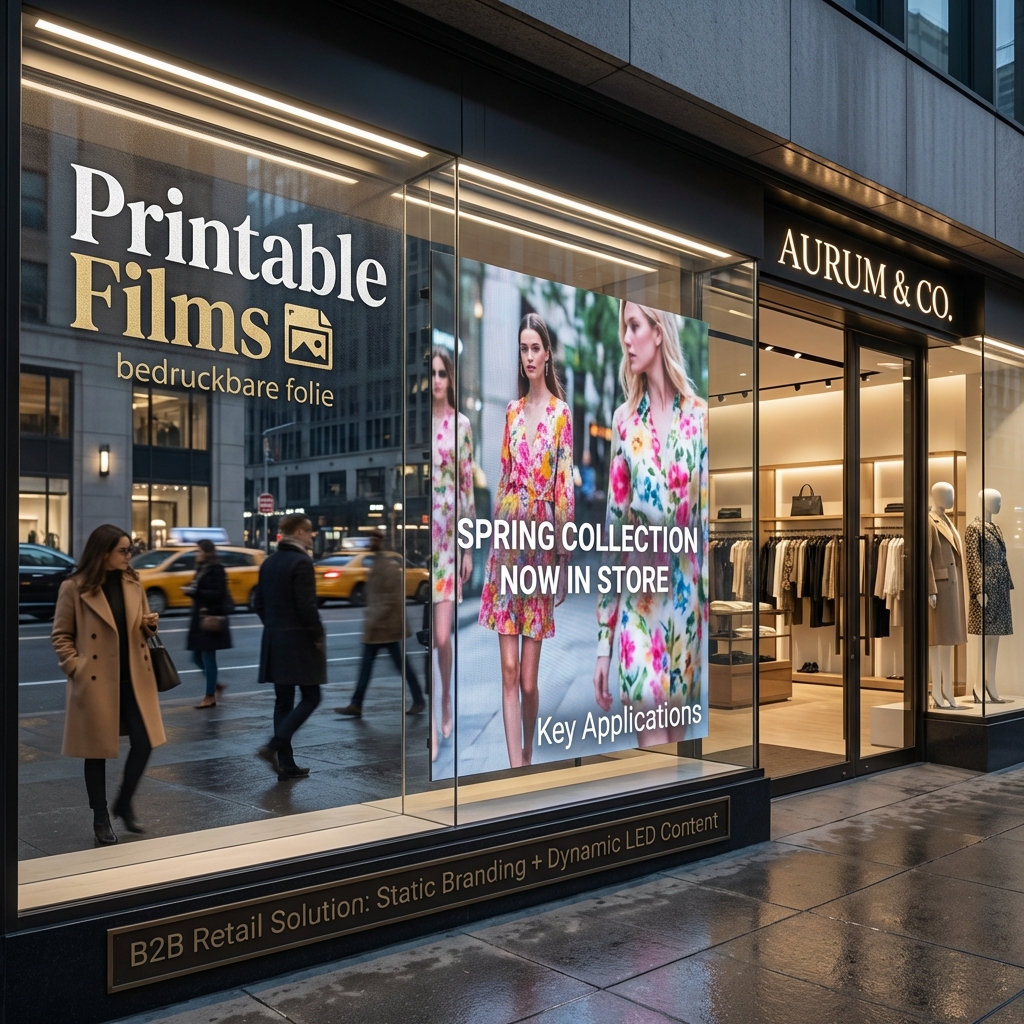
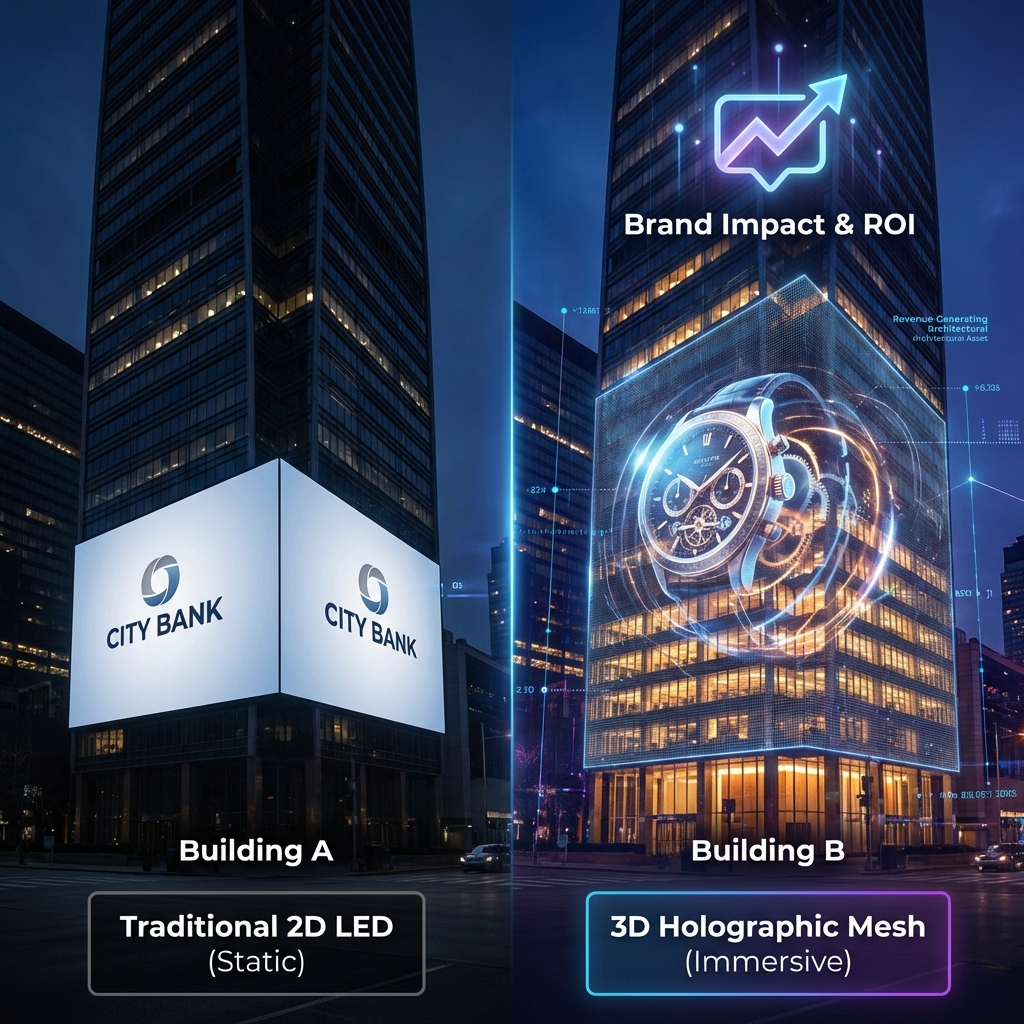
Ever walked past a storefront and seen a vibrant video playing on what looks like a completely clear glass window? After working with countless businesses to transform their spaces, I've seen firsthand the "wow" effect this technology has. You're likely looking at a transparent LED film, a game-changing display technology that merges the digital and physical worlds. It’s not magic; it’s the future of advertising and design, and it’s more accessible than you might think.
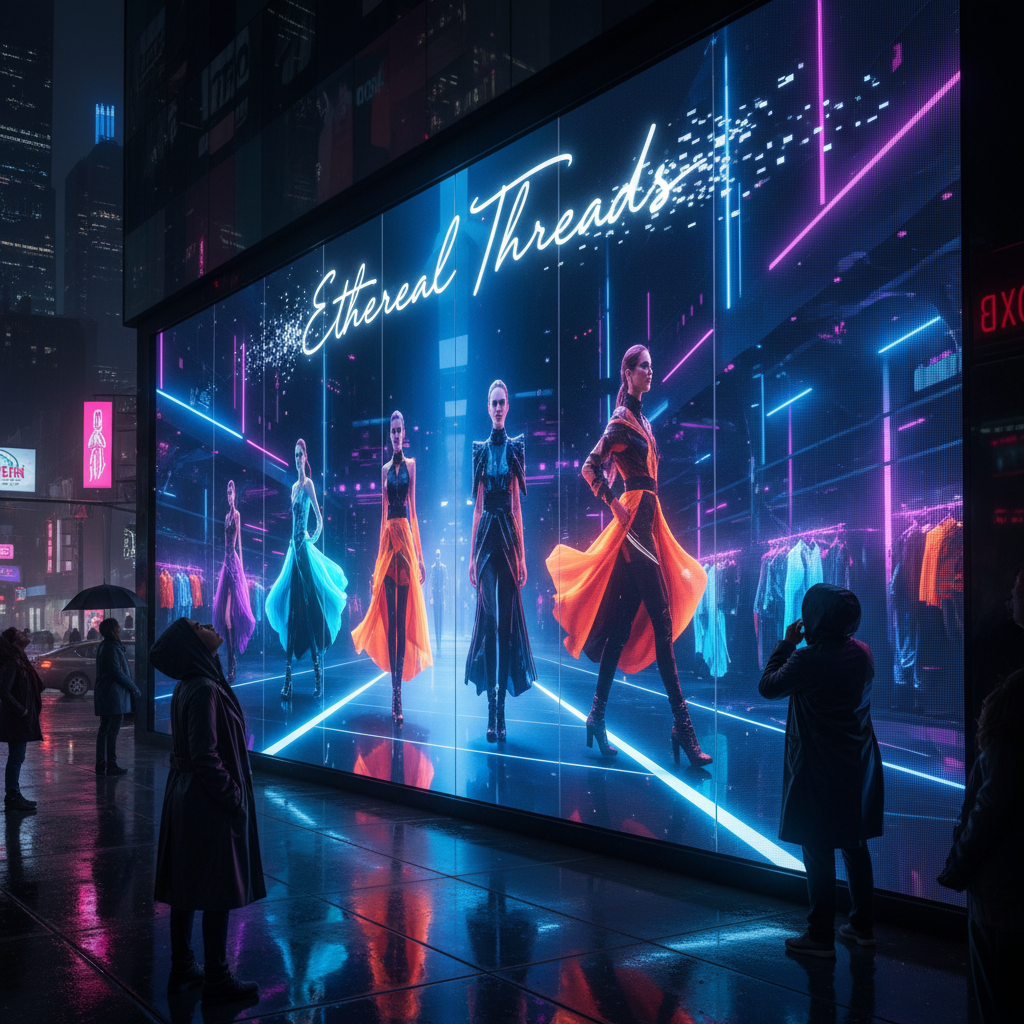
Key Facts About Transparent LED Film
Here are some quick answers to get you started:
What is it? Transparent LED film is a thin, flexible, and see-through material embedded with micro-LEDs. It sticks to glass surfaces, turning them into dynamic video displays without blocking the view.
How does it work on glass? The film has an adhesive layer that allows for easy application onto any smooth glass surface. Once installed, the embedded LEDs light up to display content while the transparent base material lets you see right through it.
What are its benefits? The main advantages are its high transparency (up to 95%), flexibility for curved surfaces, lightweight design, and easy installation. It’s perfect for advertising, architectural design, and creating immersive experiences.
How much does it cost? The price for transparent LED film typically ranges from $200 to $600 per square meter. The cost varies based on transparency levels, pixel pitch, and brand.
Is it suitable for outdoor use? Yes, many transparent LED films are built to be durable and weather-resistant, making them ideal for outdoor advertising and building facades.
Where can it be applied? It's versatile enough for retail storefronts, shopping mall glass railings, corporate office windows, car dealerships, and even modern home décor.
Unpacking the Technology: What is Transparent LED Film?
So, what exactly is this futuristic technology? Transparent LED film is an innovative display solution that turns almost any glass surface into a digital screen. Unlike bulky traditional LED screens, this film is incredibly thin, lightweight, and maintains the see-through nature of the glass it’s applied to. It’s a simple yet brilliant way to capture attention without creating a solid, view-blocking barrier. This makes it a favorite for businesses looking to modernize their spaces and engage customers in a visually stunning way.
Core Components: How LEDs are Embedded in a Clear Film
The magic of transparent LED film lies in its construction. It consists of several layers, but the key components are:
A Transparent Substrate: This is a clear, flexible polymer film (like PET) that serves as the base.
Micro-LEDs: Tiny, powerful Light Emitting Diodes are precisely embedded into the substrate. These are the pixels that create the image.
Invisible Circuitry: A transparent conductive layer connects the LEDs, delivering power and data without being visible to the naked eye.
Adhesive Layer: A self-adhesive backing allows the film to be easily applied to glass, similar to applying a window tint.
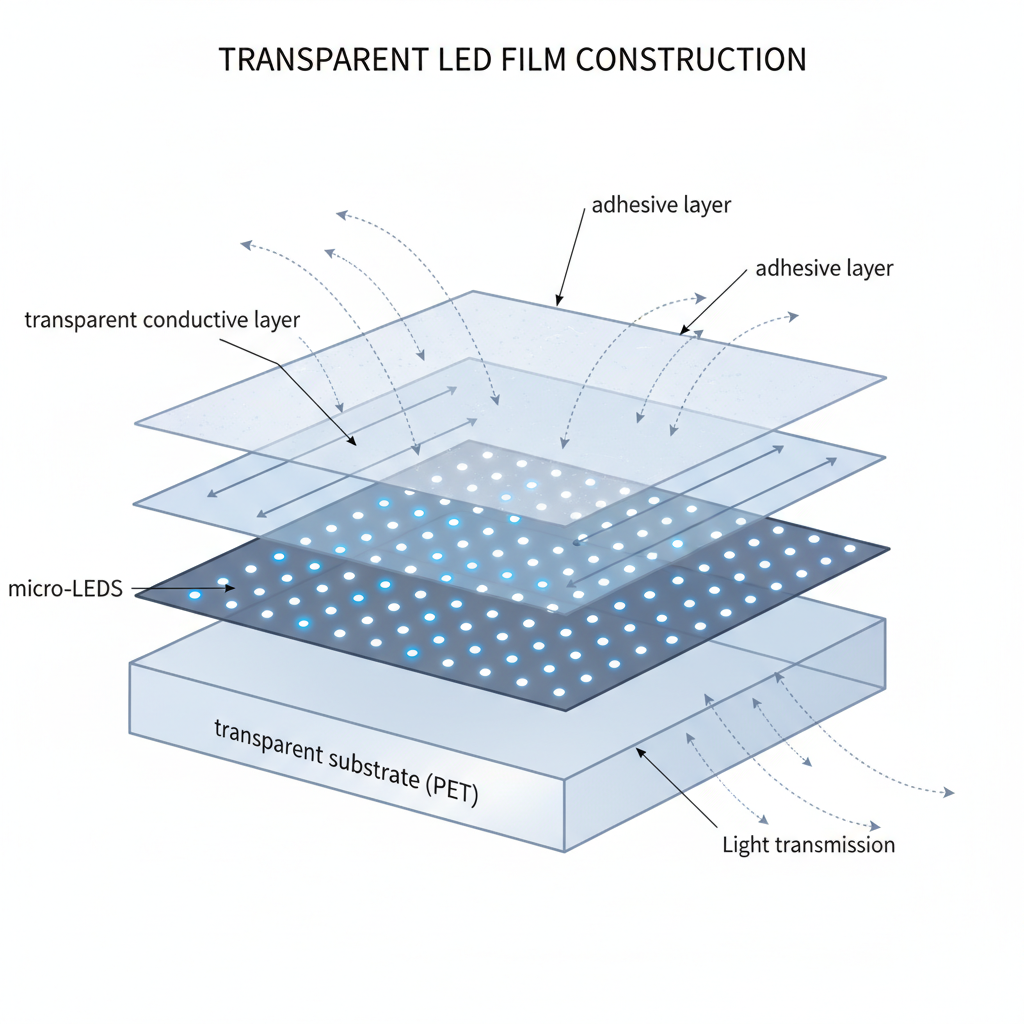
This layered design ensures the film remains highly transparent when the LEDs are off and delivers vibrant content when they are on.
The Science of Transparency: Maintaining Visibility with a Digital Display
How can a screen show a video but also be see-through? The secret is in the spacing and size of the LEDs. The micro-LEDs are spaced far enough apart that the human eye perceives the area between them as empty, clear space. This allows natural light to pass through and maintains visibility from both inside and out. The higher the transparency, the wider the spacing (pixel pitch). This balance between pixel density and transparency is what makes the technology so effective for applications where maintaining an open feel is crucial.
Key Differences: Transparent LED Film vs. Traditional LED Screens
It's easy to confuse transparent LED film with other LED displays, but they are worlds apart. Let's break it down in a simple table:
| Feature | Transparent LED Film | Traditional LED Screen |
|---|---|---|
| Transparency | High (often 70-95%) | Opaque (0% transparency) |
| Weight & Thickness | Ultra-thin and lightweight (a few mm thick) | Bulky and heavy, requires significant support |
| Installation | Simple, self-adhesive application to existing glass | Complex, requires a heavy frame and structure |
| Flexibility | Highly flexible, can be applied to curved surfaces | Rigid and flat |
| Architectural Impact | Minimal, preserves original building design | Obtrusive, blocks views and alters the building's look |
Technical & Material Details: Exploring the Types of Transparent LED Film
Not all transparent LED films are created equal. The type you choose depends heavily on your specific needs, such as the surface you're applying it to and the level of clarity you require. Understanding the differences between flexible, adhesive, and ultra-clear options is key to making the right investment for your project. From wrapping a curved glass column to creating a crystal-clear display on a flagship store's window, the material properties define the final outcome.
Flexible LED Film: Versatility for Curved Surfaces
Imagine wrapping a digital display around a pillar or along a curved glass balustrade. That's where LED flexible transparent film screen technology shines. This type of film is designed to be highly pliable, allowing it to conform to non-flat surfaces without distorting the image. It opens up a world of creative possibilities for architects and designers who are no longer limited to flat-panel displays. Companies like Zhenmei Wisdom specialize in developing these flexible screens, enabling dynamic advertising and artistic installations in previously impossible locations.

A key consideration for curved installations is the minimum bending radius. Always check the manufacturer's specifications to ensure the film can handle the curve of your surface without damage.
Adhesive LED Film: Easy Application for Windows and Glass
The most common and user-friendly option is the adhesive transparent led film. As the name suggests, this film comes with a self-adhesive backing, making the installation process as simple as applying a large sticker. It can be directly attached to any existing clean glass surface, such as storefront windows, office partitions, or glass railings. This "peel-and-stick" approach significantly reduces installation time and cost, eliminating the need for heavy frames or complex mounting hardware. It’s the go-to solution for retrofitting existing buildings.
Ultra-Clear vs. Standard Transparency: Material Breakdown and Performance
When you see terms like ultra transparent film led screen, it refers to the level of transparency the film offers. This is determined by the pixel pitch—the distance between the centers of adjacent LEDs.
Standard Transparency (70-85%): Offers a good balance between image brightness and clarity. It's excellent for most commercial advertising where the content is the primary focus.
Ultra-Clear (85-95%+): Features a wider pixel pitch, maximizing transparency. This is ideal for luxury retail, museums, and architectural applications where preserving the view through the glass is just as important as the content being displayed.
The global market for transparent LED displays hit $2.6 billion in 2023 and is projected to grow at 16% annually through 2025, driven by demand for these high-transparency solutions in retail and architecture. (Source: Statista)
Why Choose Transparent LED Film? Core Advantages & Benefits
So why are so many businesses ditching traditional signs for transparent LED film? The answer lies in a unique combination of aesthetics, efficiency, and versatility. This technology isn't just a prettier screen; it's a fundamentally smarter way to communicate. It integrates seamlessly into its environment, turning passive architectural elements like windows into active, engaging assets. From boosting brand visibility to creating unforgettable ambient experiences, the benefits are clear—both literally and figuratively.
Enhanced Aesthetics & Architectural Integration
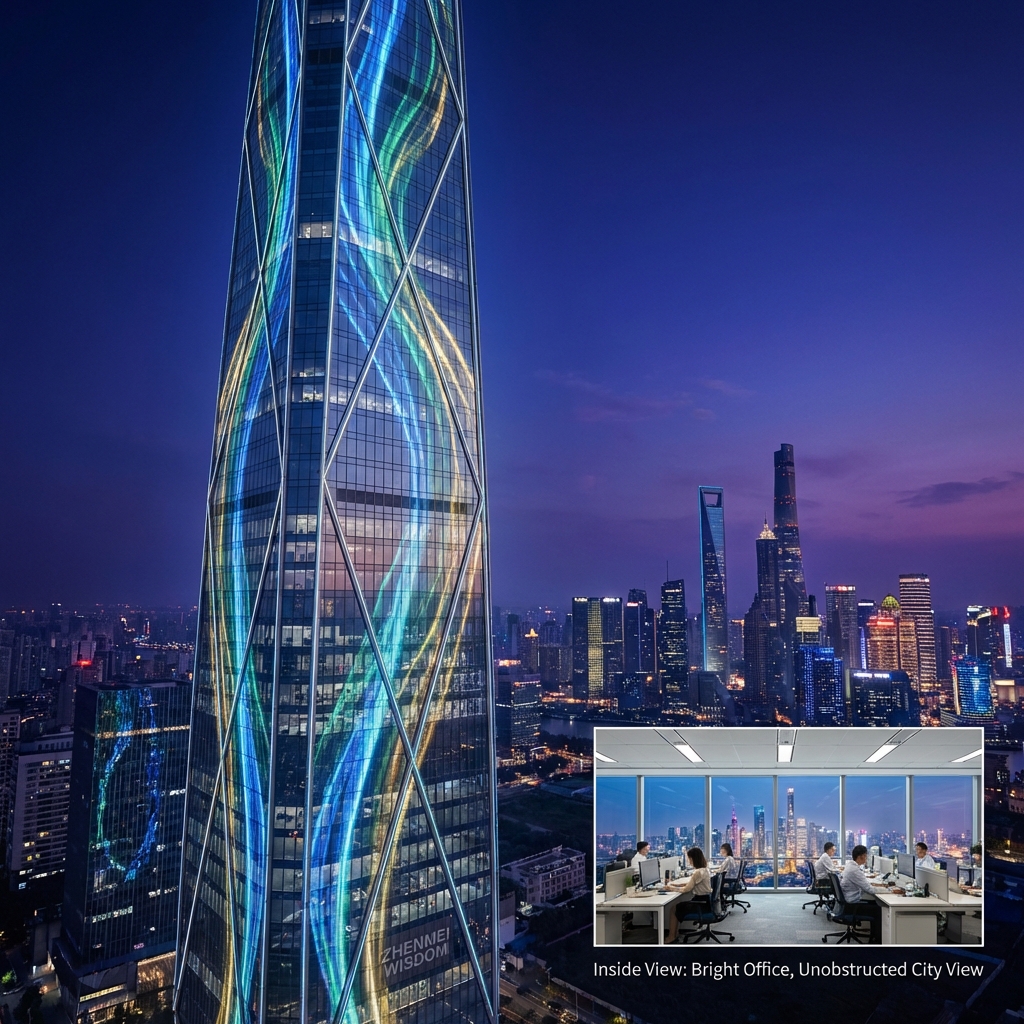
One of the biggest wins for transparent LED film is its ability to blend in. Traditional screens can be an eyesore, but this film preserves the original look and feel of a building. When turned off, it's nearly invisible, allowing natural light to flood the interior and maintaining unobstructed views. When turned on, it creates a stunning "floating image" effect that captivates audiences without looking bulky or out of place. This makes it a favorite among architects and designers aiming for a clean, modern aesthetic.
Energy Efficiency and Longevity: A Sustainable Display Solution
In today's world, sustainability matters. Transparent LED film is an energy-efficient choice compared to many other digital display options. The micro-LEDs consume minimal power, and because the screen is transparent, it doesn't block natural light, which can help reduce the need for artificial lighting during the day. Furthermore, high-quality films have a long lifespan, often lasting up to 10 years or more with proper care. This combination of low energy consumption and durability makes it a smart, long-term investment.
Versatility in Application: From Retail to Smart Buildings
The applications for transparent LED film are virtually limitless. Here are just a few examples:
Retail: Turn entire storefronts into dynamic billboards to showcase promotions, new arrivals, and brand stories.
Corporate Offices: Use on glass partitions for branding, privacy, or displaying company information.
Shopping Malls: Apply to escalators and railings for innovative advertising space.
Museums & Galleries: Create interactive, informative overlays for exhibits without obstructing the view.
Smart Buildings: Integrate with building management systems to display information, art, or ambiance-setting visuals on glass facades.
Real-World Impact: How Transparent LED Film is Used Today
The theoretical benefits of transparent LED film are impressive, but its real-world impact is where the story gets exciting. This technology is no longer a futuristic concept; it's actively transforming urban landscapes, retail environments, and public spaces around the globe. Businesses and architects are leveraging its unique properties to create experiences that are more engaging, informative, and visually spectacular. By turning passive glass surfaces into dynamic canvases, transparent LED film is redefining how we interact with the built environment.
Transforming Retail Displays and Window Advertising
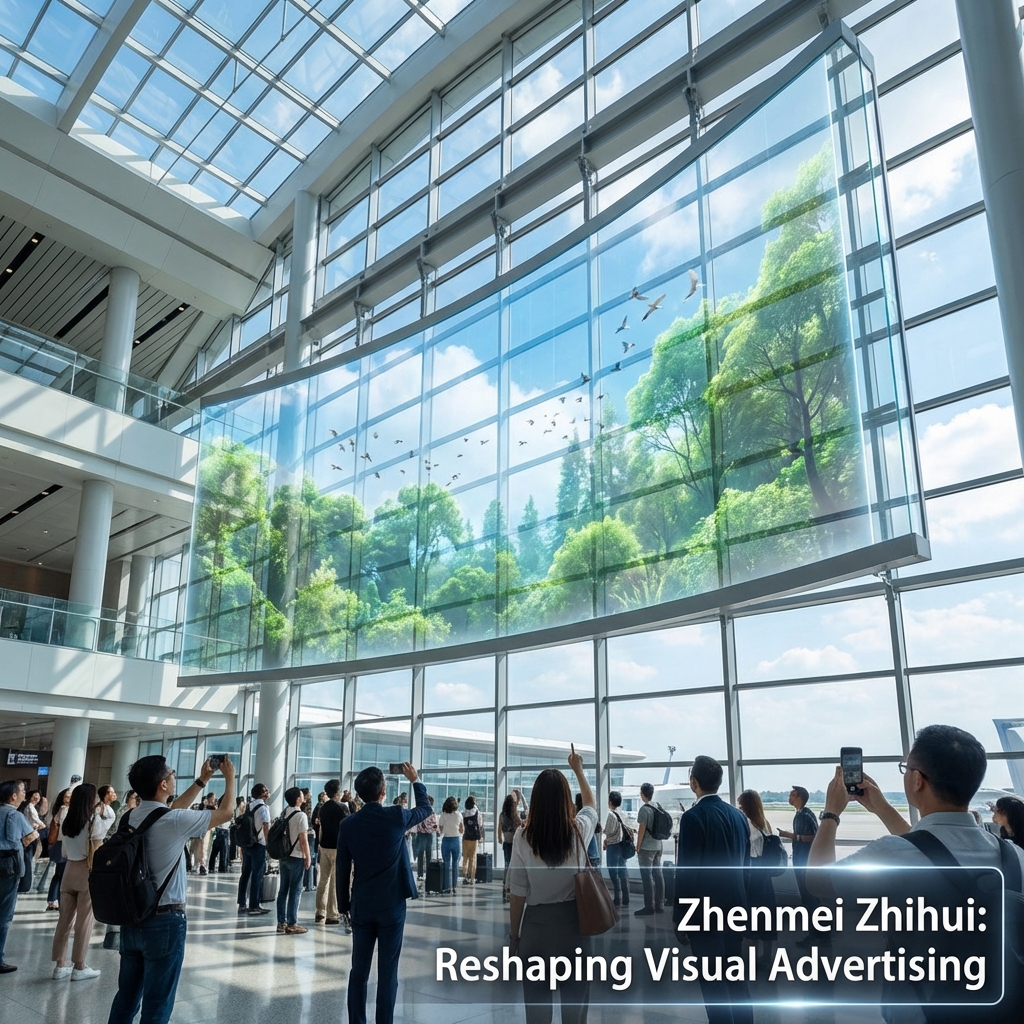
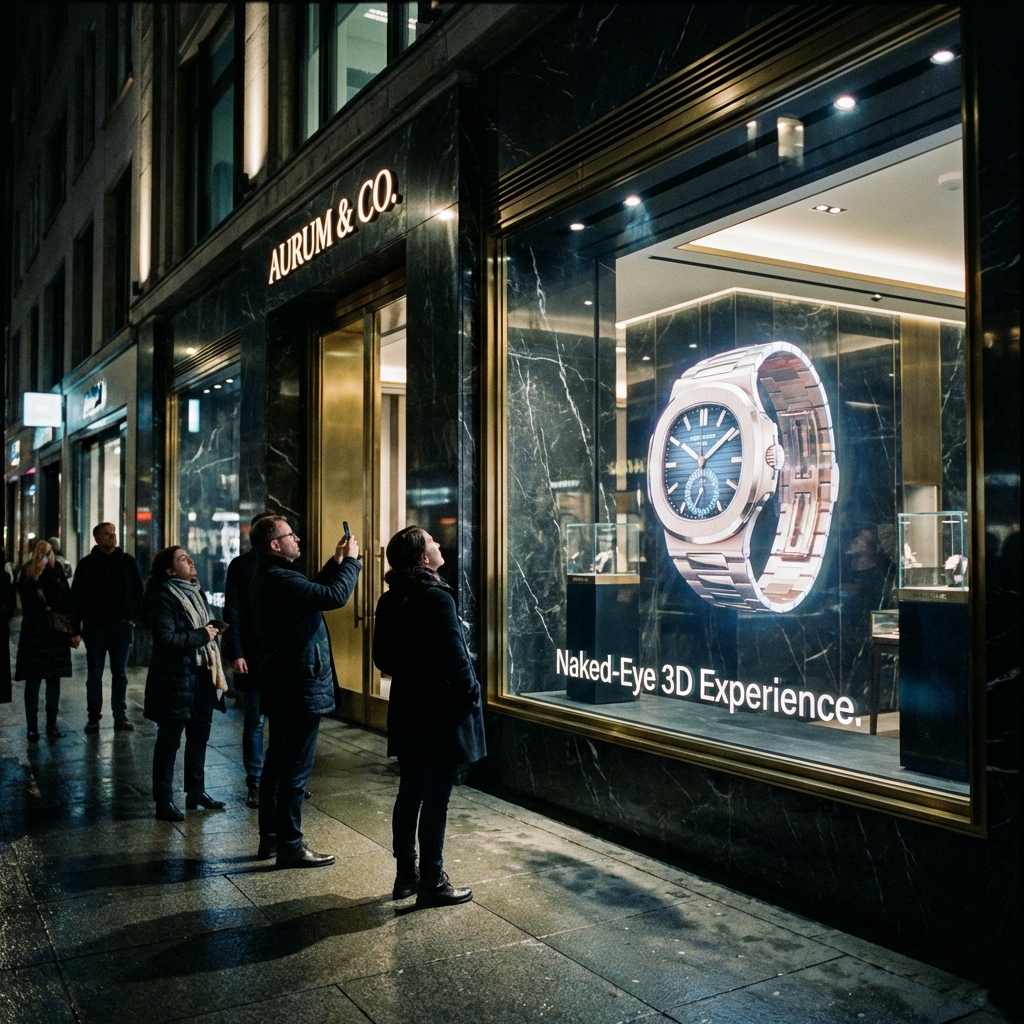
For retailers, the storefront window is prime real estate. Transparent led window film turns this space into a 24/7 marketing machine. Instead of static posters or mannequins, stores can now run full-motion video campaigns that capture the attention of passersby. Imagine a fashion store displaying a runway show on its front window or a restaurant showcasing mouth-watering videos of its dishes. This creates a powerful first impression, draws customers inside, and allows for instant content updates to reflect new promotions or seasonal events. It's a massive upgrade from traditional window dressing.
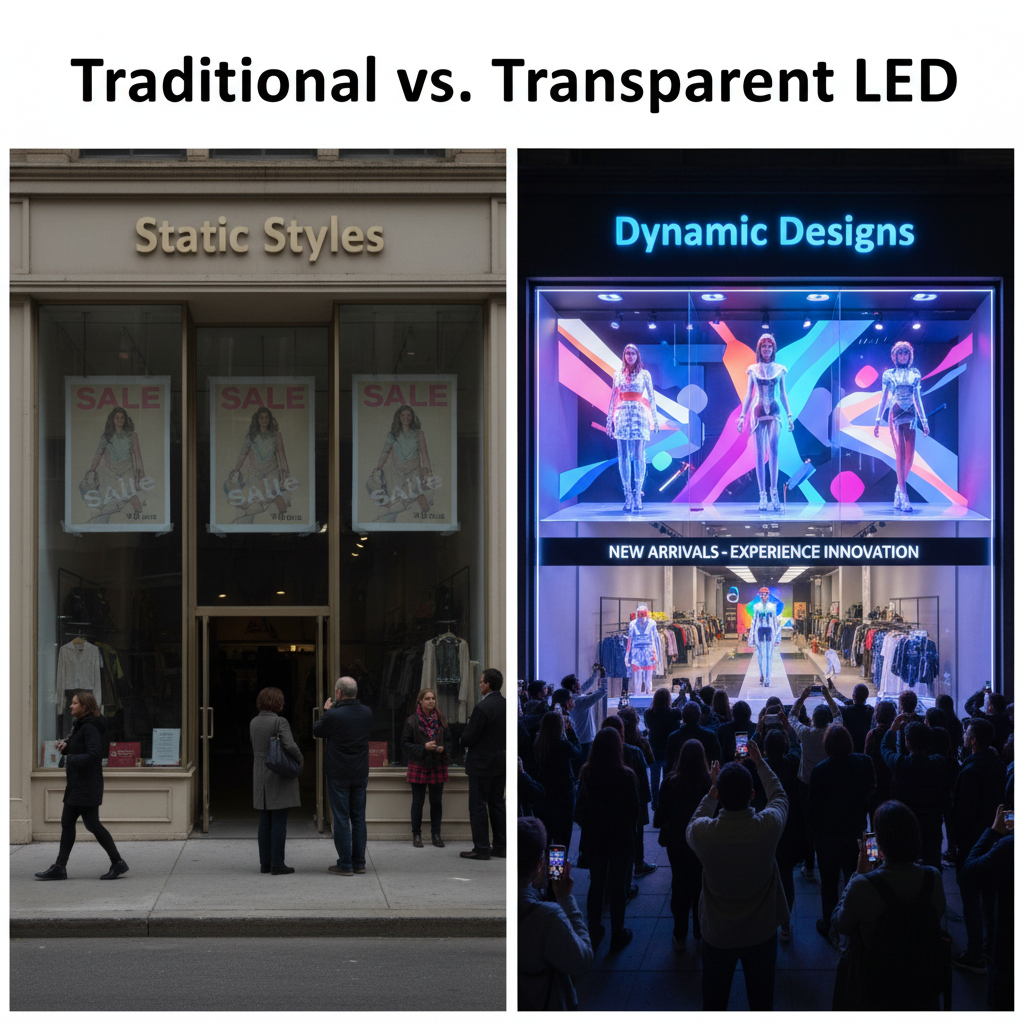
Many brands have found that dynamic video on their storefronts can increase foot traffic by over 20% compared to static displays. The movement and vibrancy naturally draw the human eye.
Enhancing Modern Architecture and Smart Glass Displays
Architects are embracing transparent LED film as a new building material. It allows them to integrate digital media directly into the building's facade without compromising their design vision. Glass-heavy buildings can become massive, transparent canvases for digital art, community messaging, or brand expression. In the realm of smart glass displays, the film can be connected to sensors to display real-time information like weather updates or public transport schedules, turning the building itself into a functional, interactive hub for the community.
Innovations in Outdoor Advertising and Public Spaces
Outdoor advertising is another sector being revolutionized. Transparent LED film can be applied to bus shelters, glass barriers along walkways, and other public structures to create new, high-impact advertising opportunities. Unlike traditional billboards that block views, these transparent displays integrate smoothly into the urban environment. They deliver vibrant, targeted ads without contributing to visual clutter, offering a more elegant and effective solution for reaching audiences on the go.
Assessing Durability and Performance
Investing in new technology always comes with questions about its practicality. Is it strong enough? Will it last? How hard is it to maintain? When it comes to transparent LED film, durability and performance are key considerations, especially for commercial or outdoor applications. The good news is that modern films are engineered to be surprisingly robust. They are designed to withstand daily wear and tear, varying weather conditions, and years of continuous operation, ensuring a reliable and long-lasting installation.
Is transparent LED film suitable for outdoor use?
Yes, many transparent LED film products are specifically designed for outdoor use. These versions are typically rated with an IP (Ingress Protection) code, which indicates their resistance to dust and water. An outdoor-rated film will be sealed to protect the delicate electronics from rain, humidity, and temperature fluctuations. They are also often built with higher brightness levels to ensure the displayed content is visible even in direct sunlight. When choosing a film for an exterior application, always confirm its weather-resistance rating with the manufacturer.
Expected Lifespan and Maintenance Requirements
A high-quality transparent LED film can have a lifespan of up to 50,000-100,000 hours of use, which translates to roughly 5-10 years of continuous operation. The longevity depends on factors like usage patterns, environmental exposure, and the quality of the product itself. Maintenance is generally minimal. It mainly involves:
Gentle Cleaning: Wiping the surface with a soft, damp cloth to remove dust and smudges.
Regular Inspections: Periodically checking for any signs of damage or peeling, especially at the edges.
Avoiding Abrasives: Never use harsh chemicals or abrasive materials that could scratch the film or damage the LEDs.
Surface Compatibility: What You Need to Know for Proper Adhesion
For the best results, adhesive transparent led film needs to be applied to a clean, smooth, and non-porous surface. Glass is the ideal candidate, but it can also be applied to other materials like acrylic or polycarbonate. Before installation, the surface must be thoroughly cleaned to remove any dirt, oil, or residue that could interfere with the adhesive.
For a flawless installation, it's best to have the surface professionally cleaned right before application. Even small specks of dust can create air bubbles under the film.
Expert Insights: Zhenmei Wisdom's Role in Advancing LED Film Technology
In the rapidly evolving world of display technology, some companies aren't just keeping up—they're leading the charge. Zhenmei Wisdom is one such pioneer, carving out a name for itself as a specialist in the production of high-quality LED transparent screens and flexible transparent films. By focusing on innovation and customization, the company is helping to push the boundaries of what's possible with this technology, making it more accessible and versatile for businesses across a wide range of industries.
Company Profile: A Leader in Flexible and Adhesive Transparent Displays
Based in China, Zhenmei Wisdom has established itself as a key player in the global market, specializing in led transparent display screen flexible transparent screen solutions. Their product portfolio is designed to meet the diverse needs of modern applications, from large-scale architectural installations to intricate retail displays. The company's focus on both flexible and adhesive films allows them to provide solutions for virtually any glass surface, whether it's flat, curved, or irregularly shaped. This specialization has made them a trusted partner for clients seeking cutting-edge display technology.
Technological Differentiators and Product Innovations
What sets a company like Zhenmei Wisdom apart? It's their commitment to research and development. They have invested heavily in creating films that are not only highly transparent and flexible but also more cost-effective and reliable.
According to a 2024 report from LEDinside, Zhenmei Wisdom is recognized as one of the leading transparent LED film providers, particularly noted for its advancements in flexible screen technology that cater to the growing Asian and North American markets.
Their innovations include developing films with improved adhesive properties for easier installation, higher brightness for better outdoor visibility, and more efficient power consumption for a lower total cost of ownership.
Case Studies: Successful Applications in Retail and Advertising
The true test of any technology is its real-world performance. Zhenmei Wisdom has a track record of successful projects with leading retail and advertising companies. They have provided customized transparent LED displays for high-traffic flagship stores, turning entire facades into dynamic brand statements. In the world of outdoor advertising, their films have been used to create eye-catching displays in transportation hubs and public squares, proving the durability and impact of their products in demanding environments. These case studies highlight the company's ability to deliver tailored, reliable solutions that generate a real return on investment.
Frequently Asked Questions About Transparent LED Film
Even after covering the details, you might still have a few questions. That's perfectly normal when dealing with such an innovative technology. Here are answers to some of the most common questions we hear from clients who are considering transparent LED film for the first time.
Can transparent LED film be used for home decoration?
Absolutely! While it's very popular in commercial settings, transparent LED film is making its way into modern smart homes. It can be used to turn a window into a piece of digital art, create an ambient lighting effect on a glass partition, or even display information like the time and weather on a kitchen backsplash. It’s a unique way to add a touch of futuristic flair and customizable décor to any home.
What is the average lifespan of a transparent LED film installation?
The lifespan of a transparent LED film display depends on its quality, how much it's used, and the environment it's in. On average, you can expect a high-quality film to last for about 50,000 to 100,000 hours. For a display that runs 12 hours a day, that translates to over 11 years of use. Proper care and maintenance can help maximize its lifespan.
Is the installation process difficult or disruptive?
Not at all, especially for the adhesive versions. The installation of adhesive transparent LED film is a relatively quick and clean process. It doesn't require heavy machinery or major construction. A professional team can typically install the film on a standard storefront window in just a few hours with minimal disruption to your business operations. The "peel-and-stick" nature of the film makes it one of the easiest digital display solutions to implement.
The Clear Choice for Next-Generation Displays
As we've explored, transparent LED film is far more than just a see-through screen. It's a transformative technology that is reshaping how we think about digital communication, advertising, and architectural design. By seamlessly blending dynamic content with the physical world, it offers a level of integration and aesthetic elegance that traditional displays simply can't match.
Key Takeaways: Why Transparent LED Film is a Game-Changer
To sum it up, here's why transparent LED film is becoming the go-to choice for forward-thinking businesses and designers:
It's Visually Stunning: It creates a "floating" image effect that captures attention without blocking views.
It's Incredibly Versatile: It can be applied to flat or curved glass surfaces in a wide range of environments.
It's Non-Intrusive: The lightweight, thin design preserves the original architecture and allows natural light to pass through.
It's Easy to Install & Maintain: The self-adhesive backing makes for a quick and cost-effective installation process.
Final Thoughts on Technical Viability and Applications
From a technical standpoint, transparent LED film has proven its viability. It is durable, energy-efficient, and capable of delivering high-quality visuals in both indoor and outdoor settings. Its applications are continuing to expand, from revolutionizing retail and advertising to becoming an integral part of smart buildings and even home décor. As the technology continues to advance and prices become even more competitive, transparent LED film is poised to become a ubiquitous feature of our modern world.
References
Market data and growth projections sourced from Statista (2023) and ResearchAndMarkets (2023).
Technical specifications and industry provider information referenced from LEDinside (2024).