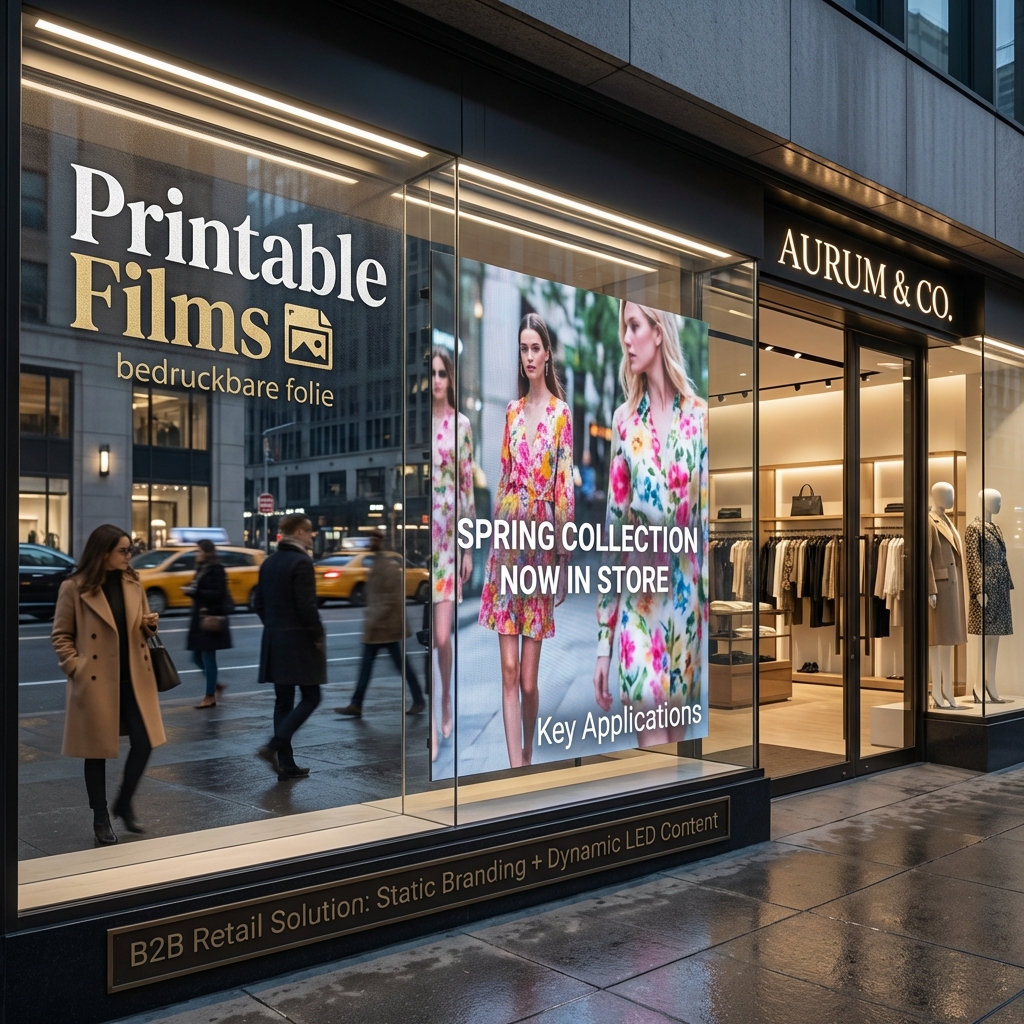
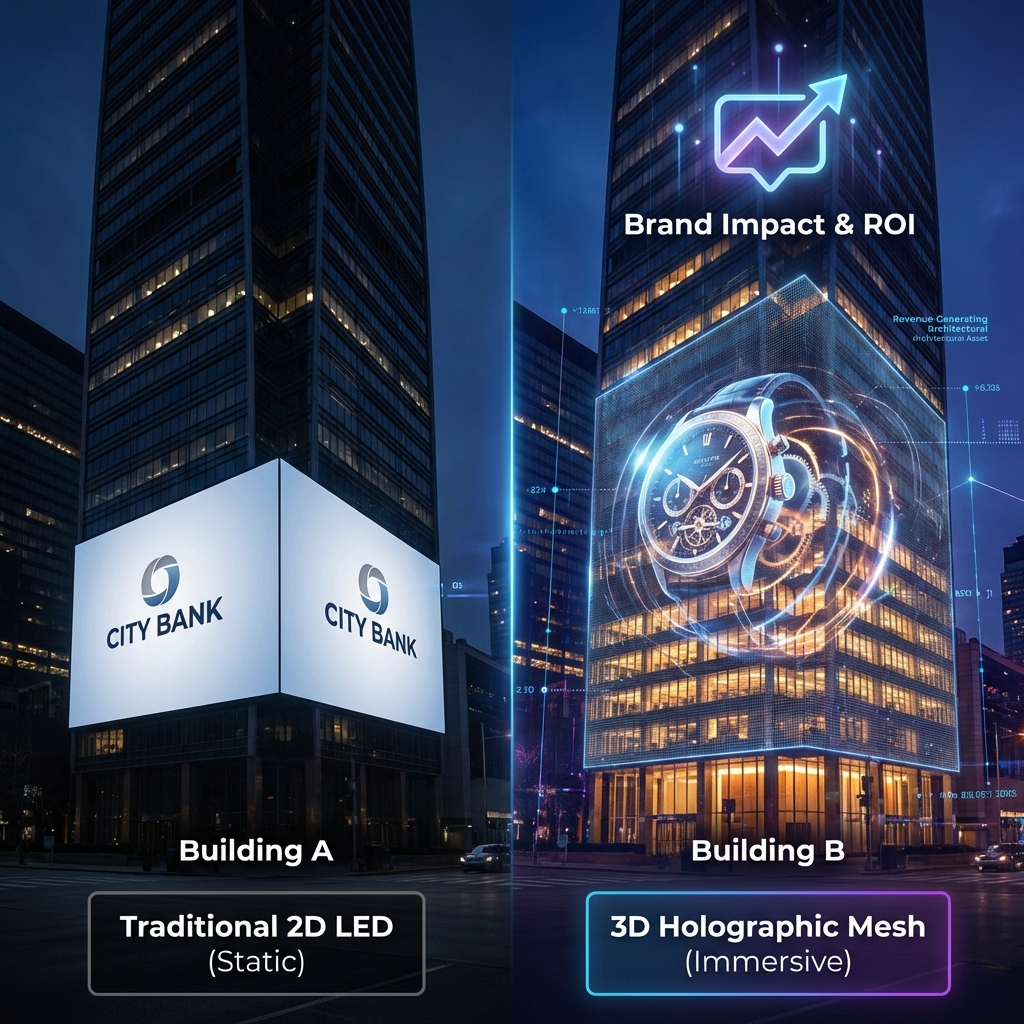
Ever wondered how those massive, see-through displays on building facades create such stunning visuals? After working with countless businesses on their visual communication strategies, I've seen firsthand how the right technology can transform a space. That's the magic of the LED grid screen, a game-changing tool in the world of digital signage. This guide will break down everything you need to know about this innovative technology.
What is an LED Grid Screen? A lightweight, transparent LED display.
How does it work? Uses a matrix of LED pixels on a grid-like frame.
Where is it used? Building facades, live events, retail, and advertising.
Key Benefits: High transparency, energy efficiency, and creative flexibility.
Main Difference: Lighter and more transparent than traditional solid LED screens.
Is it durable? Yes, especially with high IP ratings for outdoor use.
Average Lifespan: Typically 50,000 to 100,000 hours with proper care.
Energy Use: More energy-efficient than traditional displays due to its design.
1. What is an LED Grid Screen? A Quick Overview
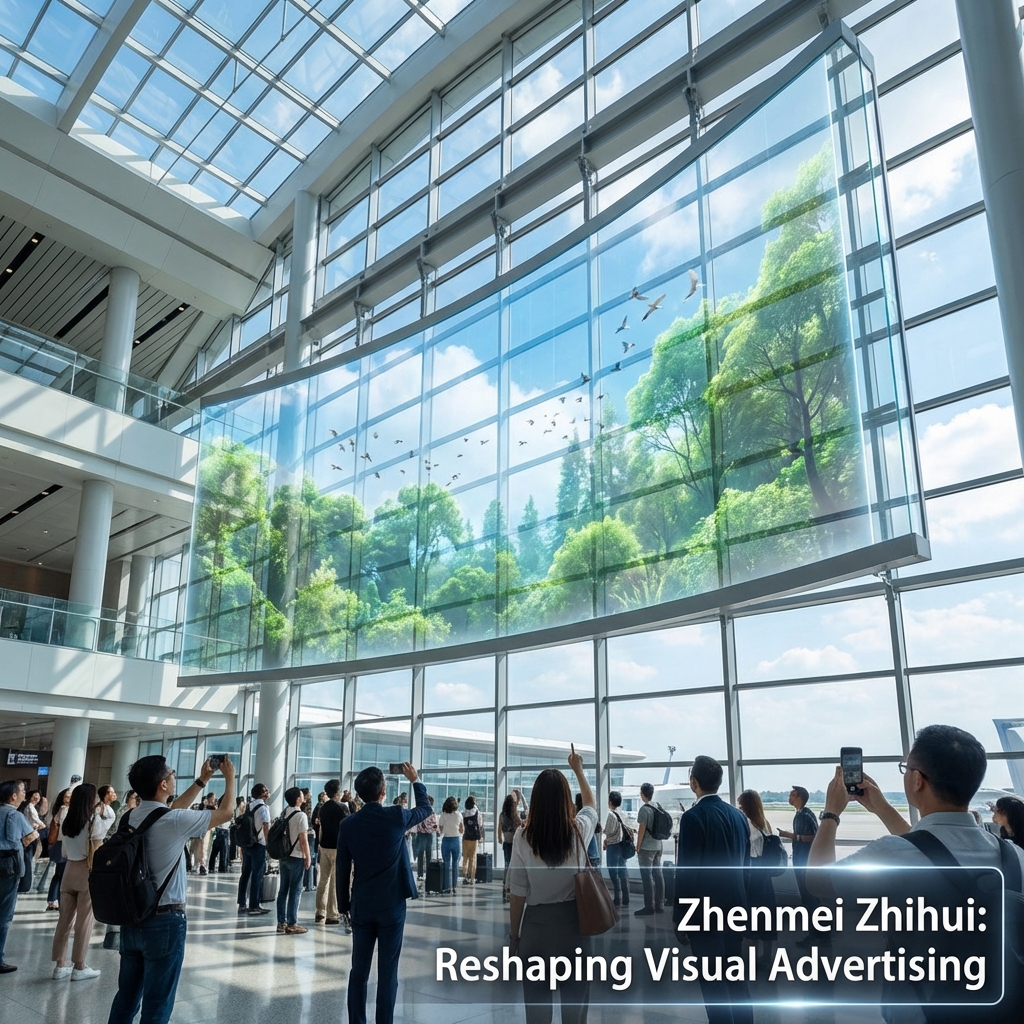
So, what exactly is an LED grid screen? Think of it as a super-smart, high-tech curtain of light. It's a type of LED display made of horizontal and vertical strips that form a grid. This structure allows light and air to pass through, making it transparent and incredibly lightweight. Unlike the bulky, solid screens of the past, grid screens offer a whole new level of creative freedom. They are perfect for installations where you don't want to completely block the view, like on a glass building front.
Defining LED Grid Screen Technology vs. Traditional LED Displays
The biggest difference between an LED grid screen and a traditional LED display is its structure and transparency. A traditional LED video wall is a solid panel, completely blocking whatever is behind it. It's great for content, but it's heavy and opaque. An LED grid screen, on the other hand, can be up to 80% transparent. This means you can mount it over windows without plunging the inside into darkness. This transparency also makes the screens significantly lighter, reducing the structural support needed for installation and opening up new placement possibilities.
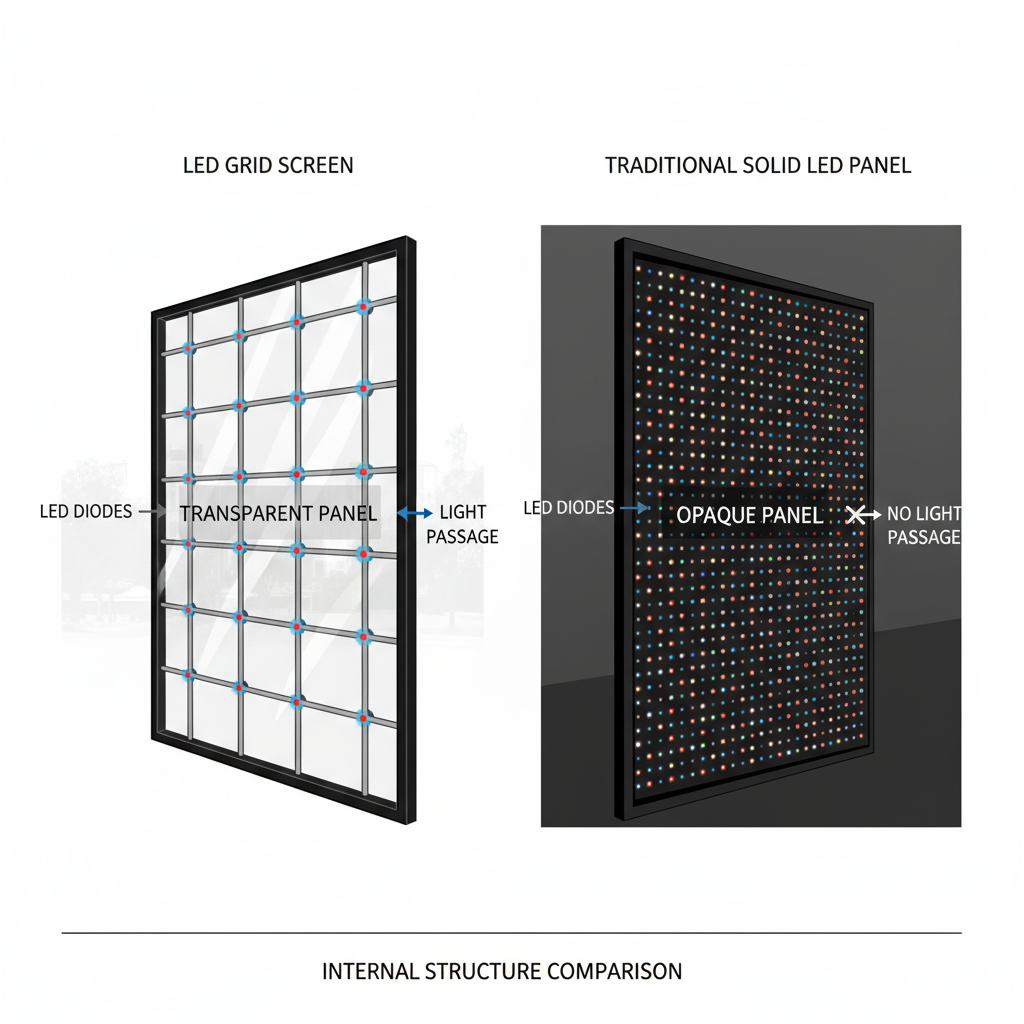
The core mechanism: How the LED matrix and modular panels work
The technology behind an LED grid screen is both simple and brilliant. It consists of an LED matrix—a network of individual light-emitting diodes (LEDs)—arranged on slim, modular panels. These panels are designed to be interconnected, allowing you to build a screen of virtually any size or shape. Each pixel in the matrix is individually controlled, which is how the screen displays dynamic videos, images, and text. The empty space between the LED strips is what creates the "grid" effect and allows for its signature transparency.
Key characteristics: Transparency, lightweight design, and flexibility
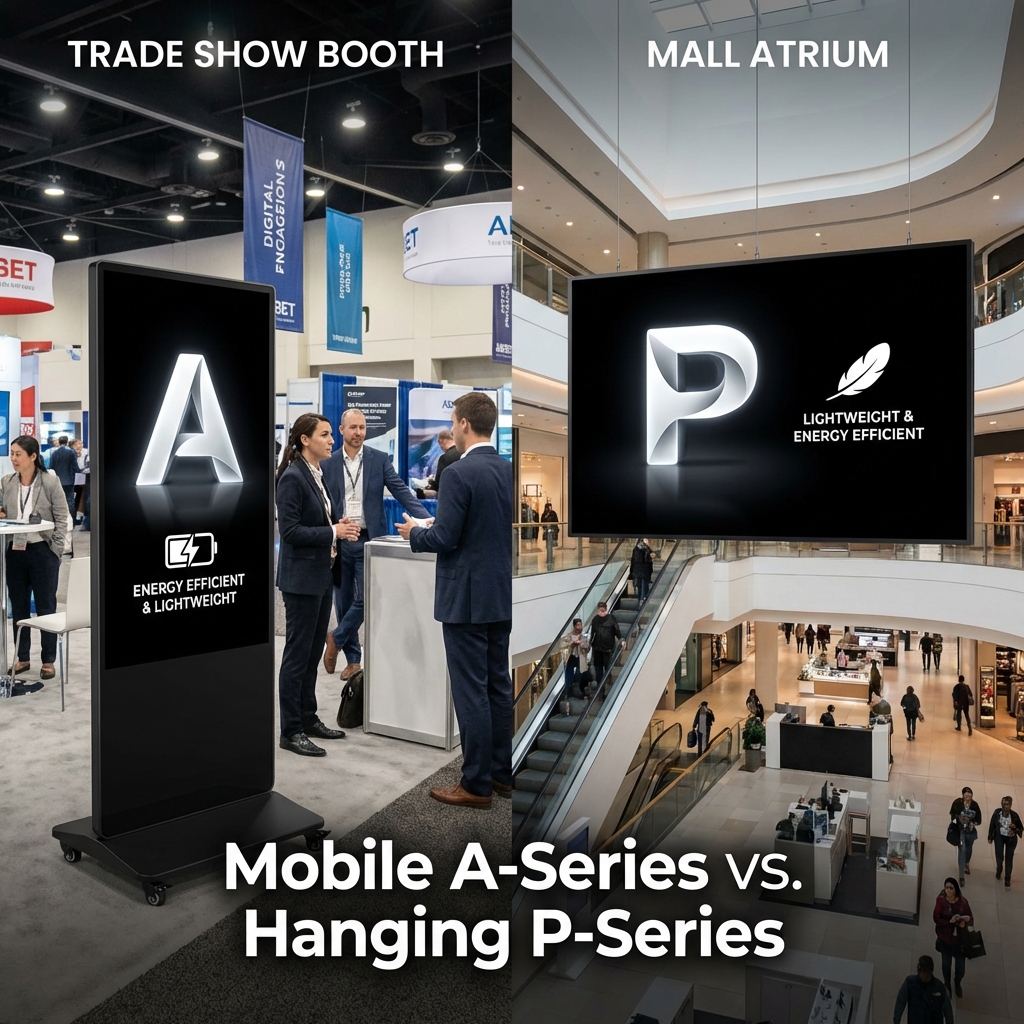
Three features truly make LED grid screens stand out: transparency, a lightweight build, and design flexibility. Transparency allows for unique architectural integration, maintaining natural light and outdoor views. The lightweight design, often using aluminum frames, simplifies installation and reduces structural load, making it ideal for older buildings or temporary setups. Finally, the modular nature of these panels means you can get creative. Think curved displays wrapping around a pillar, screens that flow with a building's architecture, or massive, irregular-shaped digital art installations. This flexibility empowers designers and businesses to create unforgettable visual experiences.
2. Technical Breakdown: The Technology Behind LED Grid Screens
Diving into the technical specs can feel a bit overwhelming, but understanding a few key terms will help you make a smart decision. These specifications determine how your screen will perform in its intended environment, whether it's a bright outdoor space or a controlled indoor setting. Getting these right is crucial for ensuring your investment delivers the visual impact you're looking for. Let’s break down the most important technical details you need to know.
Pixel Pitch and Resolution: Understanding the impact on viewing distance and image clarity
Pixel pitch is the distance between the centers of two adjacent pixels, measured in millimeters (mm). A smaller pixel pitch means the pixels are closer together, resulting in higher resolution and a sharper image. For an LED grid screen, the ideal pixel pitch depends entirely on the viewing distance. If your audience is far away (like viewing a screen on a skyscraper), a larger pixel pitch (e.g., P25 or P31.25) is perfectly fine and more cost-effective. If viewers are closer, like in a retail environment, you'll want a smaller pixel pitch (e.g., P10 or P15) for a clearer, more detailed picture.
Brightness (Nits) and Contrast Ratio: Essential specs for outdoor and indoor performance
Brightness is measured in nits, and it’s a critical factor, especially for an outdoor LED screen. To be visible in direct sunlight, a screen needs to be very bright. Outdoor screens typically require a brightness of 5,000 nits or more. Indoor screens, in contrast, don't need to be as bright and usually fall within the 1,000-2,000 nits range. The contrast ratio is the difference between the brightest white and the darkest black a screen can produce. A high contrast ratio makes images look more vibrant and defined, ensuring your content pops.
Ingress Protection (IP) Ratings: Ensuring durability for outdoor LED screen applications
If you're planning an LED grid screen for outdoor advertising, the IP rating is non-negotiable. An IP rating consists of two numbers. The first digit (0-6) indicates protection against solid objects like dust and dirt, while the second digit (0-8) indicates protection against liquids, like rain. For outdoor use, you should look for a rating of at least IP65. An IP65 rating means the screen is fully protected from dust and can withstand low-pressure water jets from any direction. This ensures your display will remain operational and safe through changing weather conditions, protecting your investment for years to come.
3. What Are the Core Benefits of Using LED Grid Screens?
Choosing an LED grid screen isn't just about getting a cool new piece of tech; it's about unlocking tangible benefits for your business. From grabbing attention to saving on operational costs, these displays offer a powerful return on investment. The unique combination of transparency, efficiency, and design freedom makes them a versatile tool for nearly any industry. Let's explore the top three advantages that make these screens a superior choice for modern visual communication.
According to Grand View Research, the global LED display market is projected to grow at a CAGR of 13.5% from 2023 to 2025, highlighting a massive shift towards dynamic digital advertising.
Enhanced Visual Impact for Advertising and Branding
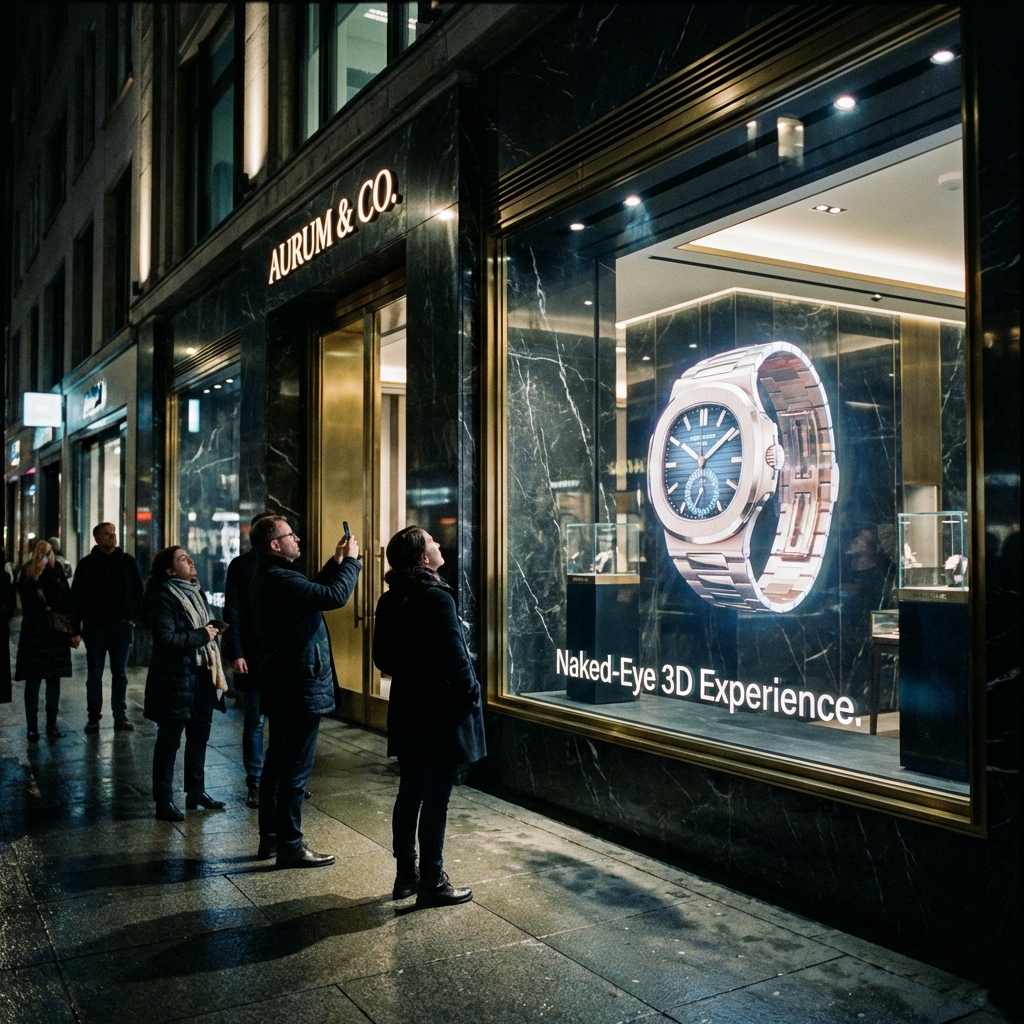
In a world saturated with ads, an LED grid screen helps you cut through the noise. Its large format and dynamic content capabilities create a powerful visual spectacle that is impossible to ignore. Unlike static billboards, you can update content in real-time to promote flash sales, live events, or targeted campaigns. The semi-transparent nature adds an element of surprise and sophistication, turning a simple building facade into a living, breathing advertisement. This high-impact visual experience helps reinforce brand identity and captivates audiences, leaving a lasting impression.
Superior Energy Efficiency and Lower Operational Costs
Worried about high electricity bills? LED grid screens are surprisingly energy-efficient. Because the design is stripped down to only the essential LED pixels with lots of empty space, they consume significantly less power than traditional solid LED displays of the same size. Furthermore, the lightweight structure often reduces installation costs, as it may not require heavy-duty reinforcement. The open design also allows for natural ventilation, which helps dissipate heat and reduces the need for expensive cooling systems. Over the long term, these factors lead to lower operational costs and a more sustainable investment.
Architectural Integration and Creative Design Freedom
One of the most exciting benefits of LED grid screens is their ability to blend seamlessly with architecture. You no longer have to sacrifice a building's design to install a large display. The transparency allows the screen to become part of the facade, enhancing it rather than covering it up. This opens the door to incredible creative freedom. Architects and designers can use custom LED grid screens to create curved displays, wrap them around corners, or integrate them into unique structural elements. This flexibility allows for truly bespoke installations that transform a physical space into a dynamic digital canvas.
4. Top Applications of LED Grid Screens Across Industries
The versatility of LED grid screens makes them a perfect fit for a wide range of applications. Their unique blend of transparency, brightness, and flexibility has allowed them to solve visual challenges in ways other displays can't. From turning skyscrapers into landmarks to creating immersive concert experiences, these screens are showing up everywhere. Let's look at some of the most popular and impactful uses across different industries.
The use of LED grid screens in advertising is exploding. Statista projects that the market for these applications will reach $2.5 billion globally by 2025.
Building Facades and Architectural Lighting
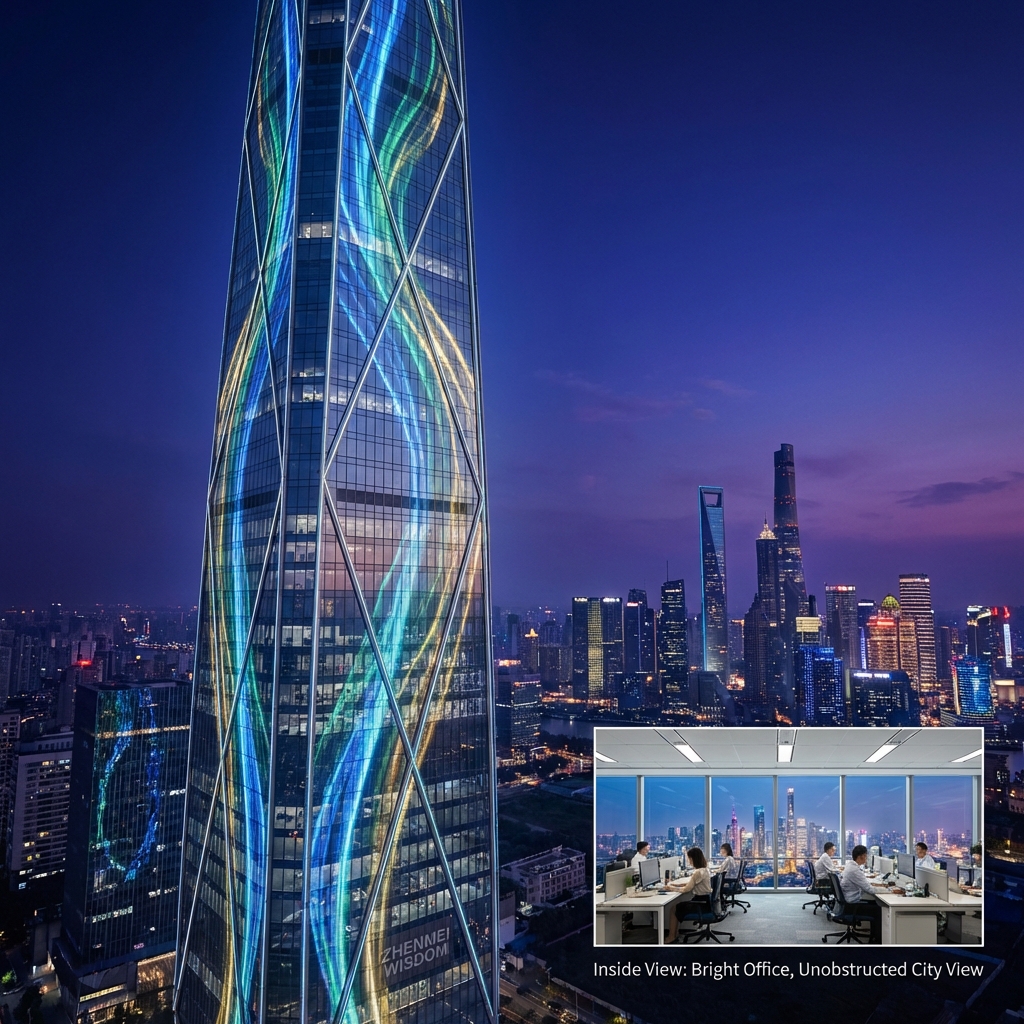
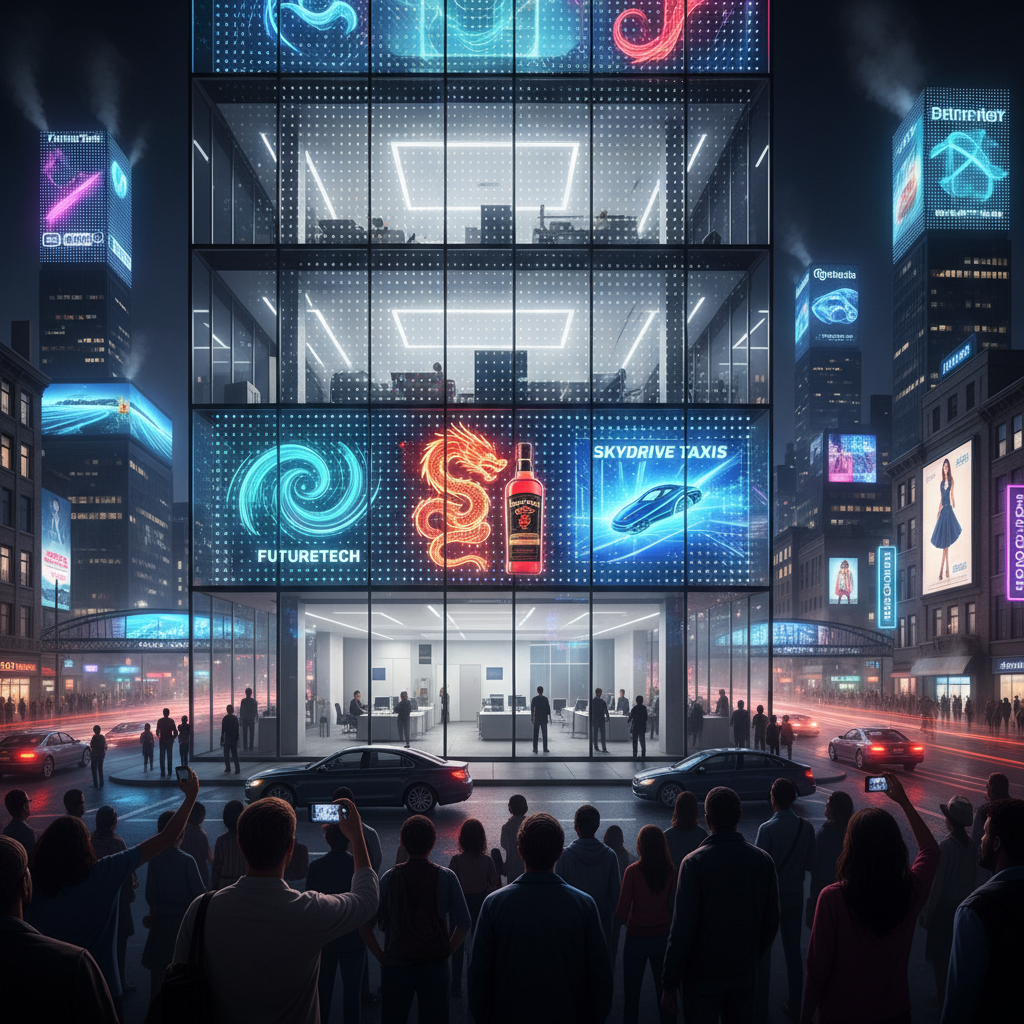
This is where LED grid screens truly shine. They can be installed over the glass curtain walls of modern buildings without blocking natural light or the view from inside. By day, the screen is nearly invisible, preserving the building's aesthetic. By night, it transforms the entire facade into a massive, vibrant display for art, branding, or information. This application turns architecture into a dynamic landmark, creating a powerful statement and increasing the property's visibility and value. It's a perfect fusion of technology and architectural design.
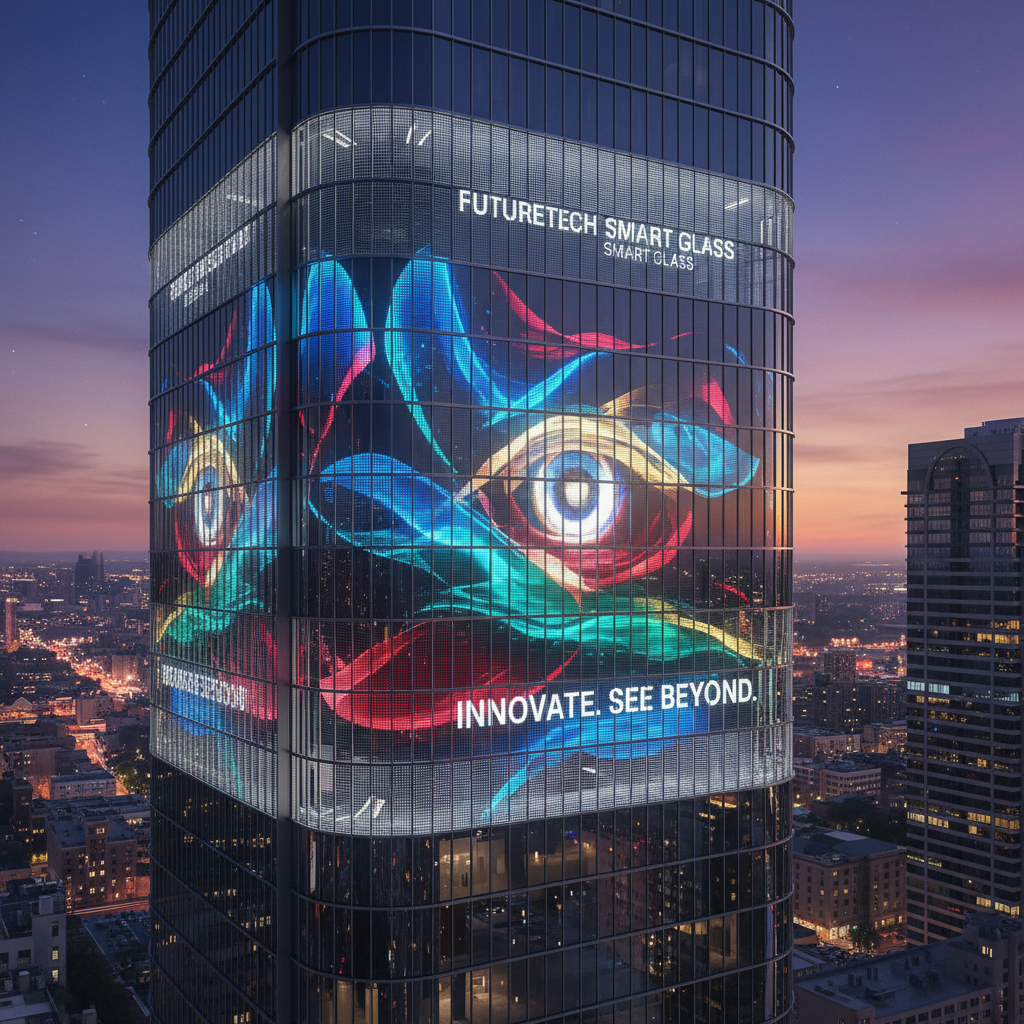
Large-Scale Outdoor Advertising and Digital Signage
For large-scale advertising LED screens, grid displays are a game-changer. Their lightweight nature makes it possible to install huge screens on structures that couldn't support the weight of a traditional LED video wall. This includes rooftops, bridges, and the sides of older buildings. Their high brightness cuts through direct sunlight, ensuring messages are clear and visible from a great distance. This makes them ideal for high-traffic areas like city squares, highways, and shopping districts, where capturing the attention of a massive audience is key.
Stage Backgrounds and Live Events
In the world of live events, creating an immersive atmosphere is everything. LED grid screens are a popular choice for stage backgrounds because they add depth and visual excitement without feeling like a solid wall. The transparency allows lighting and other stage effects to shine through, creating layered, multi-dimensional visuals. They are also easy to set up and tear down, a crucial factor for touring productions and temporary events. Whether it's a music festival, a corporate conference, or a theater production, these screens help create unforgettable experiences for the audience.
5. How Are Custom LED Grid Screens Manufactured? (Material Details)
Ever wondered what goes into making one of these giant, transparent screens? The manufacturing process is a fascinating blend of precision engineering and durable material science. The quality of the components directly impacts the screen's performance, lifespan, and ability to withstand the elements. At Zhenmei Wisdom, we pay close attention to every detail to ensure our displays meet the highest standards. Let’s pull back the curtain and look at the key materials that make up a high-quality LED grid screen.
Frame and Cabinet Materials: Aluminum vs. Steel for durability and weight
The frame or "cabinet" is the backbone of the LED panel. The choice of material is a trade-off between weight, durability, and cost.
Aluminum: This is the most popular choice for LED grid screens. It's incredibly lightweight, which simplifies installation and reduces the structural load on the building. It also has excellent heat dissipation properties and is naturally resistant to rust and corrosion, making it perfect for outdoor use.
Steel: While heavier, steel offers exceptional strength and rigidity. It's often used for very large installations or in environments where extreme durability is the top priority. However, it typically requires more robust mounting structures to support its weight.
LED Diode Types (SMD vs. DIP) and their performance implications
The tiny lights that create the image are called LED diodes, and they come in two main types:
DIP (Dual In-line Package): This is the more traditional technology. Each pixel is made of three separate LEDs (one red, one green, one blue). DIP LEDs are known for being extremely bright and very durable, making them a reliable choice for outdoor screens viewed from a distance.
SMD (Surface-Mounted Device): This newer technology bundles the three colors into a single tiny package. SMD LEDs offer a wider viewing angle and better color blending, which results in a smoother, more uniform image, especially at closer viewing distances. They are the standard for most modern indoor and many outdoor displays.
Protective Coatings and Weatherproofing materials for longevity
For an outdoor LED screen, protection from the elements is critical. Manufacturers use several layers of defense to ensure longevity. The circuit boards are often covered with a conformal coating—a thin, protective film that shields the electronics from moisture, dust, and temperature fluctuations. The exterior of the cabinet is sealed with silicone gaskets to prevent water from getting inside. Finally, the front of the LEDs may be protected by a UV-resistant louver or mask, which not only enhances contrast by blocking sunlight but also adds an extra layer of physical protection.
6. Maintenance and Care: Tips for Maximizing Longevity
Investing in an LED grid screen is a big decision, and you'll want to make sure it lasts as long as possible. The good news is that with a bit of routine care, you can significantly extend its lifespan and keep it looking its best. Proper maintenance ensures optimal performance, prevents costly repairs, and protects your investment. Here are some essential tips on how to maintain LED grid screens to ensure they deliver stunning visuals for years to come.
A simple but effective tip: Schedule screen checks during different times of the day. A dead pixel might be hard to spot in bright sunlight but obvious at night.
Routine cleaning procedures for optimal brightness
Over time, dust, dirt, and pollution can accumulate on the surface of your screen, dimming its brightness and affecting image clarity. Regular cleaning is a must. For most environments, a quarterly cleaning is sufficient. Use a soft brush or a low-pressure air compressor to gently remove loose debris. For more stubborn grime, you can use a soft cloth lightly dampened with water or a mild cleaning solution. Always make sure the power is turned off before you begin cleaning to ensure safety.
How to conduct regular inspections for dead pixels and module connections
Preventive maintenance is key. Set a schedule for regular visual inspections of your screen. Look for:
Dead Pixels: These are individual pixels that are no longer lighting up. A few dead pixels may not be noticeable from a distance, but clusters of them can be distracting.
Color Inconsistencies: Check if any modules or sections of the screen appear to have a different color tint or brightness level.
Loose Connections: Ensure all modular panels are securely connected and that there are no visible gaps between them.
Cable Integrity: Check that all power and data cables are securely fastened and show no signs of damage or wear.
Catching these issues early can often prevent them from becoming bigger, more expensive problems down the road.
Understanding environmental factors that affect your LED display screen
The environment where your screen is installed plays a huge role in its longevity. High humidity can increase the risk of moisture damage, while extreme temperatures (both hot and cold) can stress electronic components. Salty air in coastal areas can accelerate corrosion, and constant exposure to direct sunlight can degrade plastic components over time. Understanding these risks allows you to take proactive steps, such as choosing a screen with a higher IP rating and appropriate protective coatings. Working with an experienced supplier can help you select a display built to withstand your specific environmental challenges.
7. FAQs About LED Grid Screens
As this technology becomes more popular, we get a lot of great questions from curious customers. Here are answers to some of the most common ones.
How do LED grid screens differ from other types of LED displays?
The main difference is transparency and weight. LED grid screens have a mesh-like structure that allows you to see through them, while traditional LED displays are solid and opaque. This makes grid screens much lighter and ideal for installations on glass facades or where preserving a view is important.
Are LED grid screens energy-efficient?
Yes, they are generally more energy-efficient than solid LED screens of the same size. Their open-frame design means there are fewer LEDs per square meter, leading to lower overall power consumption. This design also promotes natural air cooling, reducing the need for energy-intensive fans.
Can LED grid screens be used outdoors effectively?
Absolutely! They are an excellent choice for outdoor applications, provided they have the right specifications. Look for a screen with high brightness (at least 5,000 nits) to be visible in daylight and a high IP rating (like IP65) to ensure it's protected from rain, dust, and other weather elements.
How long do LED grid screens typically last?
A high-quality LED grid screen can have a lifespan of 50,000 to 100,000 hours of use. This translates to roughly 6 to 12 years if running 24/7. The actual lifespan depends on factors like component quality, operating environment, and how well it is maintained.
8. Why Zhenmei Wisdom is a Trusted Partner for Your LED Grid Screen Needs
Choosing the right supplier is just as important as choosing the right technology. You need a partner who understands your vision and has the technical expertise to bring it to life. At Zhenmei Wisdom, we are more than just a manufacturer; we are innovators and problem-solvers dedicated to helping our clients achieve their visual communication goals. Our commitment to quality, performance, and customer support sets us apart in the competitive LED display industry.
In this industry, experience isn't just about how many years you've been around. It's about how many complex problems you've solved. Custom projects are where true expertise is forged.
A commitment to high-performance, durable digital signage solutions
We specialize in producing a wide range of high-quality LED displays, and our grid screens are built to perform and last. We use premium materials, from the LED diodes to the aluminum frames, to ensure maximum durability and reliability. Every screen we produce undergoes rigorous testing to meet strict standards for brightness, color uniformity, and weather resistance. We stand behind our products because we know they are engineered to withstand the test of time, delivering vibrant and consistent performance year after year.
Expertise in custom-built LED solutions for complex projects
Every project is unique, and off-the-shelf solutions don't always fit. This is where our expertise in custom-built LED solutions truly shines. Our team of engineers and designers works closely with clients from the advertising, retail, and event industries to develop tailored displays that meet their specific architectural and creative requirements. Whether you need a curved screen, an irregularly shaped display, or a solution for a challenging installation environment, we have the experience and technical capability to deliver. This is a core strength that our clients trust.
Partner with us for innovative visual communication
In today's fast-paced digital world, making a visual impact is essential. We are passionate about pushing the boundaries of what's possible with LED technology. By partnering with Zhenmei Wisdom, you gain access to cutting-edge products and a team of experts committed to your success. We don't just sell screens; we provide end-to-end solutions that help you connect with your audience in new and exciting ways. Let us help you transform your space and elevate your brand with the power of innovative visual communication.
9. The Transformative Power of LED Grid Screens
LED grid screens represent a significant leap forward in digital display technology. Their unique combination of transparency, lightweight design, and creative flexibility makes them an incredibly powerful tool for businesses and designers. By integrating dynamic content with physical architecture, these screens create unforgettable visual experiences that capture attention and communicate messages with unparalleled impact. They are not just displays; they are transformative elements that can redefine a space.
Summary of key technical advantages and application benefits
We've covered how the technical specs—like pixel pitch, brightness, and IP ratings—are crucial for performance. These features enable stunning applications, from turning building facades into digital canvases to creating immersive stage backgrounds. The core benefits are clear: enhanced visual impact, superior energy efficiency, and unmatched design freedom. This powerful combination provides a strong return on investment for any business looking to upgrade its visual strategy.
Final thoughts on leveraging LED grid screens for impactful visual displays
As you consider your next project, think beyond traditional signage. An LED grid screen offers a unique opportunity to make a bold statement, engage your audience, and merge the digital and physical worlds. Whether for advertising, branding, or architectural enhancement, this technology provides a versatile and effective solution. The future of visual communication is dynamic, transparent, and seamlessly integrated into our environment.
Contact Zhenmei Wisdom to discuss your custom LED project
Ready to explore how an LED grid screen can transform your space? Our team of experts at Zhenmei Wisdom is here to help. We specialize in creating custom LED solutions tailored to your unique needs. Contact us today to discuss your project, and let's build something amazing together.
10. References
Global LED Display Market Growth, Grand View Research, 2023.
Advertising Application Projections, Statista, 2024.
Outdoor LED Screen Market Share Data, MarketWatch, 2023.