Flexible Custom Cutting
Made from acrylic material, it can be freely cut into various shapes such as squares, triangles, or
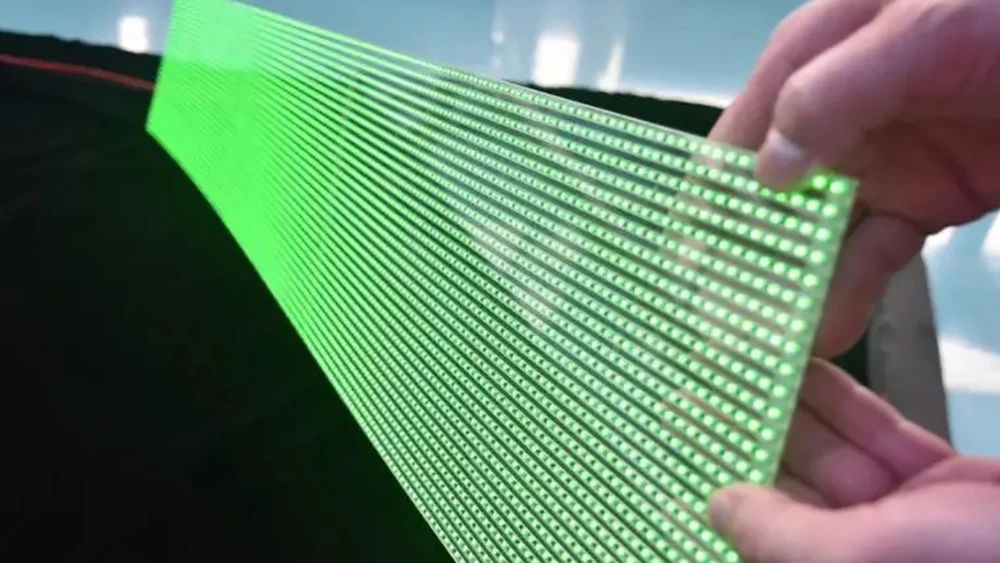
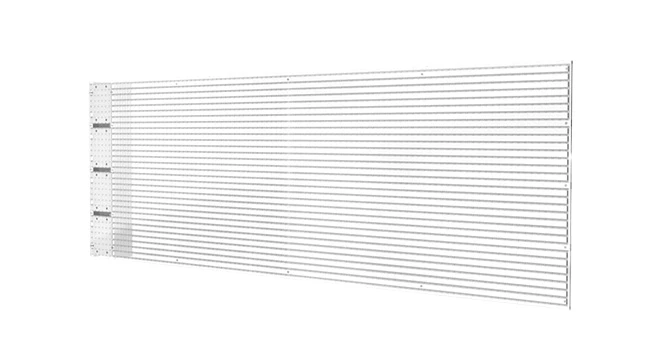
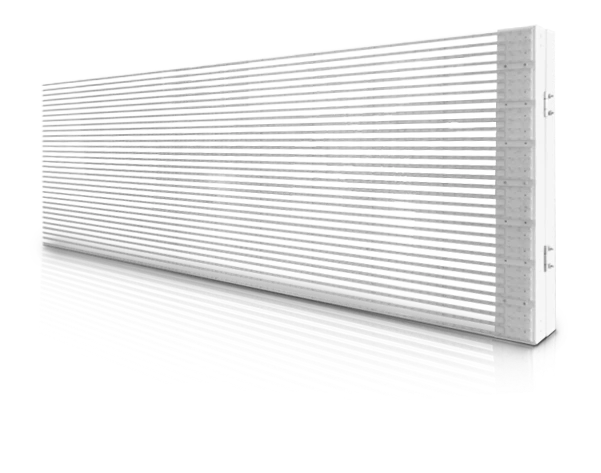
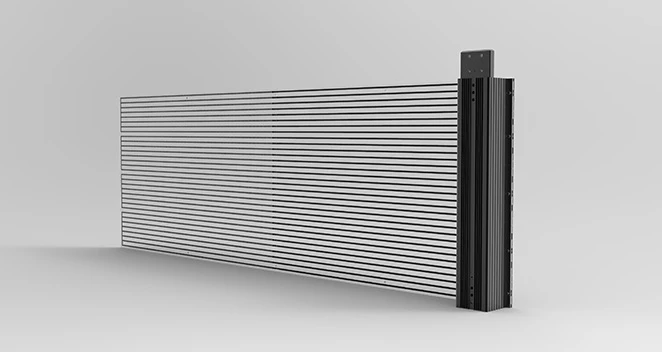
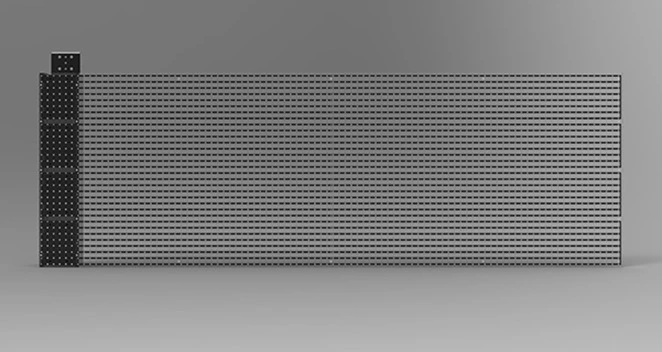
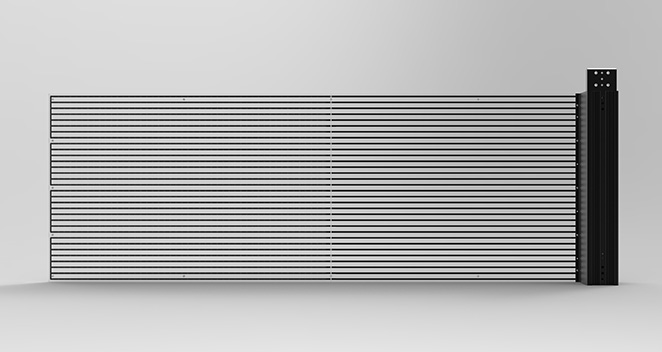
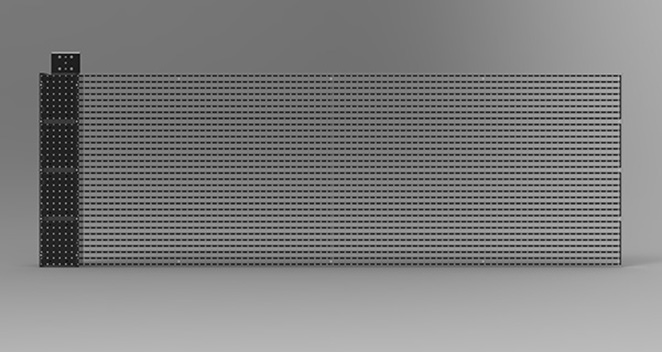
Ultra-thin, high-transparency display solution specifically for architectural glass curtain walls.
Easy to transport, no assembly required, plug in and use.
High transparency, creating a glasses-free 3D effect.
Integrated driver and lamp, 16-bit grayscale, delicate image quality.
Brightness up to 5000cd/m², fearless of strong light.
Supports standing, hanging, splicing, and other methods.
Supports remote cluster publishing and management.
Minimalist aesthetics, perfectly blending into various environments.
160° ultra-wide viewing angle, reaching more viewers.
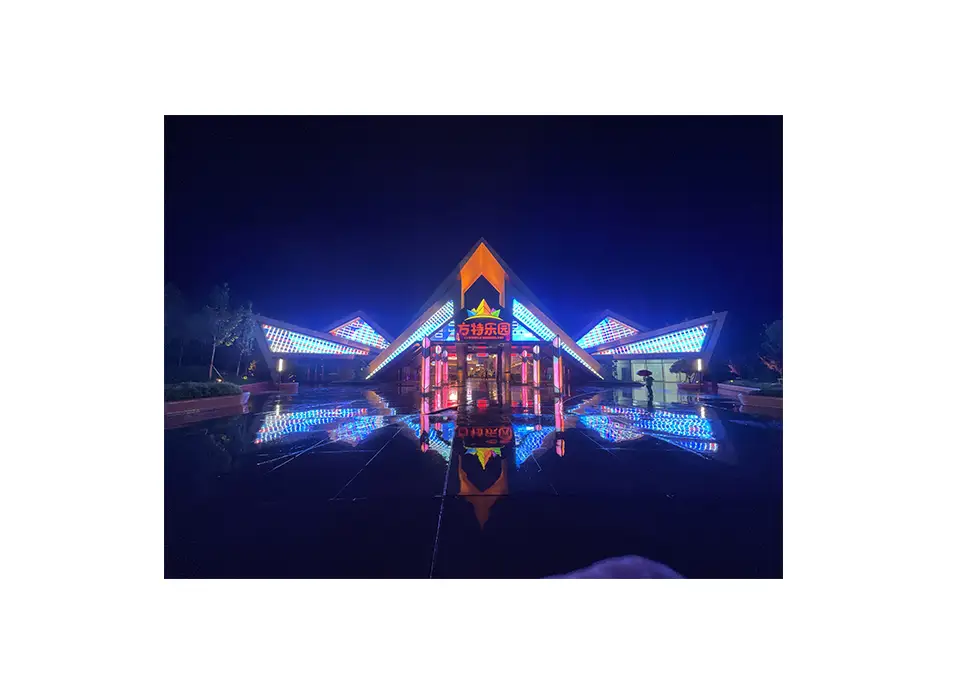
Made from acrylic material, it can be freely cut into various shapes such as squares, triangles, or
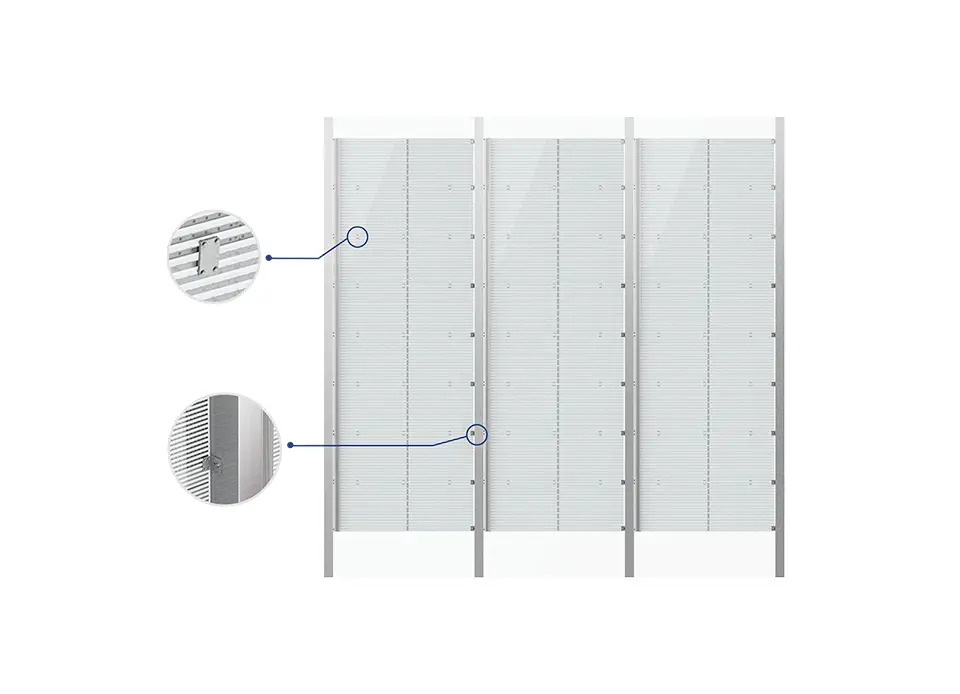
Abundant locking mechanisms ensure seamless screen assembly.
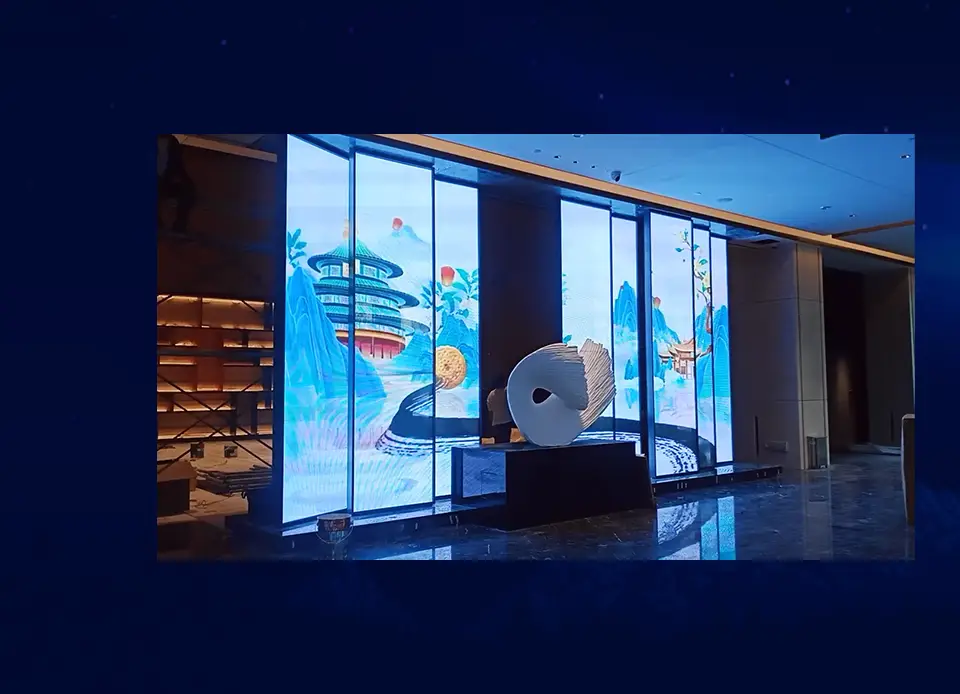
Can function as both a floor-standing partition and a full-fledged floor display.
| 产品型号 | ZM-P4-8 | ZM-P5-10 | ZM-P6.5 | ZM-P10 | ZM-P16 | ZM-P20 |
| 像素间距 | 4mm-8mm | 5mm-10mm | 6.5mm-6.5mm | 10mm-10mm | 16mm-16mm | 20mm-20mm |
| 模组尺寸 | 960mm*320mm | 1000mm*320mm | 1040mm*416mm | 960mm*320mm | 960mm*384mm | 960mm*320mm |
| 模组分辨率 | 240*40dots | 200*32dots | 160*64dots | 96*32dots | 60*24dots | 48*16dots |
| 像素密度 | 31250dots/㎡ | 20000dots/㎡ | 23668dots/㎡ | 10000dots/㎡ | 3906dots/㎡ | 2500dots/㎡ |
| 亮度 | ≤4500nits | ≤4500nits | ≤4500nits | ≤4500nits | ≤4500nits | ≤3000nits |
| 通透宰 | ≤60% | ≤68% | ≤50% | ≤68% | ≤80% | ≤85% |
| 重量 | 10KG/㎡ | 10KG/㎡ | 10KG/㎡ | 10KG/㎡ | 10KG/㎡ | 10KG/㎡ |
| 可视角度 | 140°土10° | 140°土10° | 140°土10° | 140°土10° | 140°土10° | 140°土10° |
| 峰值功耗 | ≤260w/㎡ | ≤260w/㎡ | ≤260w/㎡ | ≤260w/㎡ | ≤230w/㎡ | ≤210w/㎡ |
| 平均功耗 | ≤800w/㎡ | ≤800w/㎡ | ≤800w/㎡ | ≤800w/㎡ | ≤700w/㎡ | ≤600w/㎡ |
| 灯珠 | SMD1921 | SMD1921 | SMD1921 | SMD1921 | SMD1921 | SMD1921 |
| 灰度 | 16bit | 16bit | 16bit | 16bit | 16bit | 16bit |
| 刷新率 | 3840Hz | 3840Hz | 3840Hz | 3840Hz | 3840Hz | 3840Hz |
| 扫描方式 | 4S | 4S | 4S | 2S | Static | Static |
As modern architectural design increasingly demands "lightness," "transparency," and "versatility," LED film screens, with their unique product performance, have become a new favorite in the dynamic display field for glass curtain walls. This article will delve into four aspects—product principles, core advantages, application cases, and future trends—to thoroughly explain why LED film screens are leading a new trend in architectural displays.
LED film screens (also known as LED transparent film screens) utilize a high-transmittance PET substrate, encapsulating SMD1921 small-pitch LED beads onto an ultra-thin flexible substrate. The modular design offers diverse module sizes, enabling various resolution configurations from 240×40 to 48×16. With a thickness of just 8mm and weighing only 10kg per square meter (or 4kg per packaged unit), they achieve seamless adhesion to glass curtain walls through a hidden buckle system and transparent adhesive materials. The product boasts a refresh rate of up to 3,840Hz and 16-bit grayscale, ensuring dynamic visuals are free from ghosting and dark lines.
Unlike traditional large LED screens that often require cabinets and external AC cooling, LED film screens incorporate a high thermal conductivity PCB and natural convection cooling design internally, achieving zero AC cooling and significant energy savings.
With a transparency rate reaching over 80%, far exceeding ordinary LED mesh screens and glass light boxes, it ensures uniform backlighting for the curtain wall while maximizing the use of natural light during the day, thereby enhancing the comfort of the building's interior environment.
Supporting square, triangular, circular, and any irregular shape cutting, combined with a variety of buckles, it allows for large-area splicing and multi-dimensional shapes. Floor screens can also be combined through splicing to achieve a seamless transition from curtain walls to indoor partitions.
In the Zhongrun Group Headquarters Building project, designers applied LED film screens to the inner side of the south facade's curved curtain wall, creating two distinct visual effects for day and night: dazzling animations attract attention at night, while during the day, high transparency is maintained without affecting indoor lighting. The project's overall energy consumption was reduced by approximately 30% compared to traditional solutions. Furthermore, indoor glass partitions in high-traffic areas like airport terminals and shopping centers can also leverage film screens to create dynamic digital interactive installations.
For installation, simply snap the pre-cut film screen modules into the reserved grooves of the curtain wall according to the design drawings, using special buckles. No drilling is required, and the original structure remains unaltered, with a construction period only 1/3 that of traditional light boxes. For later maintenance, faulty modules can be individually replaced without disassembling the entire screen, resulting in short downtime and ensuring business operation continuity. Compared to products of the same class, the overall cost is reduced by about 15%, and operating costs are more competitive.
With the maturity of Mini-LED and Micro-LED technologies, future film screens will further evolve towards higher density, higher brightness, and lower power consumption. Combined with flexible OLED or full-color laser projection, they are expected to open up new experiments in the field of transparent display. Moreover, the integration of intelligent control and AI-driven content will transform architectural curtain walls from mere passive display screens into multi-scenario applications for urban management, environmental monitoring, and commercial interaction.
With its comprehensive advantages of ultra-lightweight, high transparency, customizability, and easy installation, LED transparent film screens are helping architectural curtain walls enter a new era of "digitalization, artistic expression, and energy efficiency." Whether for landmark commercial complexes, high-end office buildings, or modern exhibition halls, film screens can empower buildings, making city nightscapes more dazzling and allowing architecture to perfectly integrate with digital content. Choosing LED film screens means choosing infinite possibilities for future architectural displays.